Navarrabiomed Identifies a New Molecular Signalling Pathway in Cancer to Optimize Anti-PD-1/Anti-LAG-3 Immunotherapies
This newly identified mechanism will enable the study of novel therapeutic approaches for patients who do not respond to conventional immunotherapies, paving the way for more personalized and precise medicine.
Researchers from the Oncoimmunology Unit at the biomedical research center Navarrabiomed have identified a new molecular signalling pathway involving the interaction between the molecules PD-1, LAG-3, and MYC that impairs the proper functioning of the immune system in cancer patients, leading to resistance to conventional immunotherapy treatments. This discovery opens new avenues for the development of therapeutic strategies aimed at overcoming resistance to cancer immunotherapies.
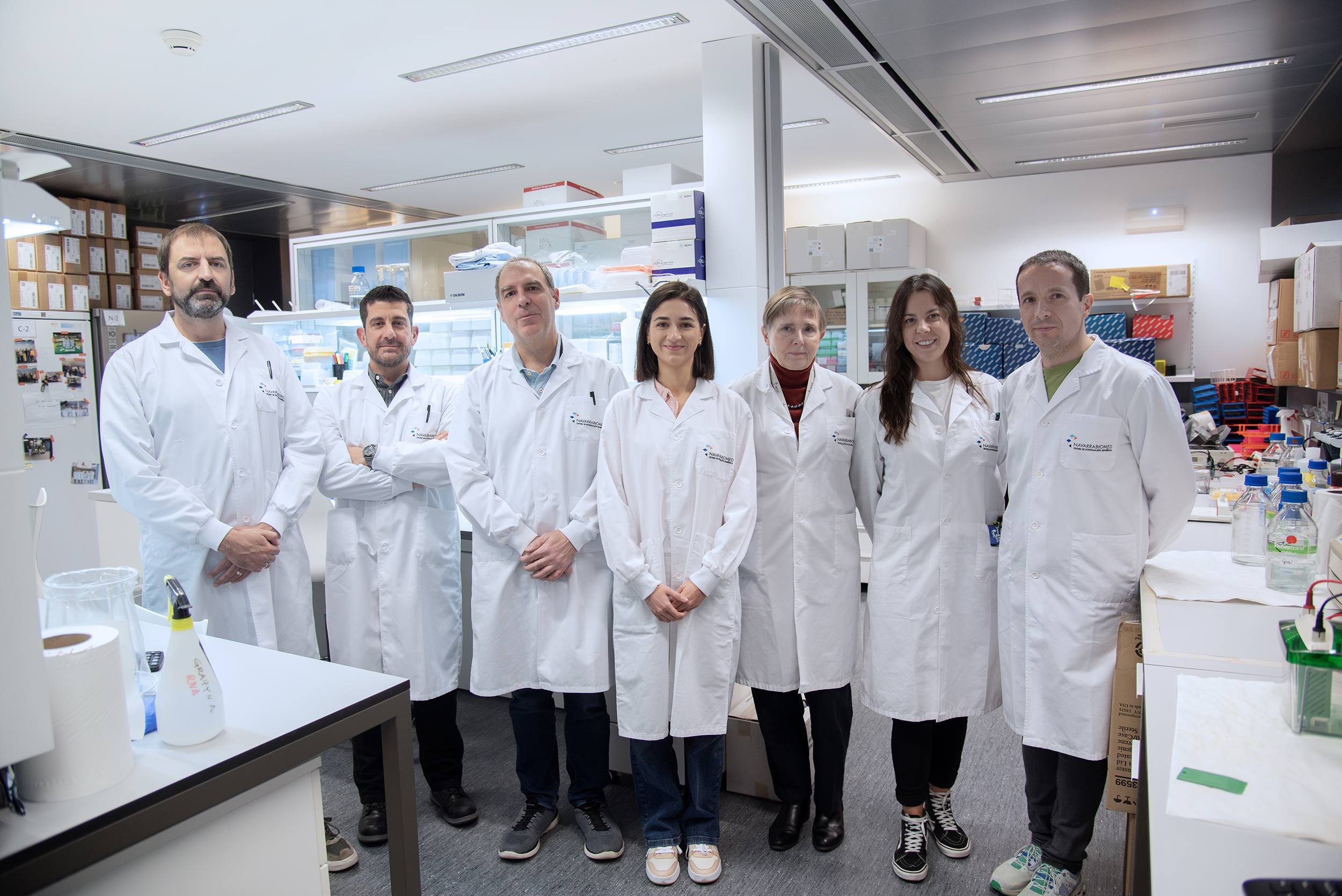
The research, recently published in the high-impact scientific journal Signal Transduction and Targeted Therapy, was led by Drs. Luisa Chocarro, David Escors, and Grazyna Kochan.
New Molecular Pathways
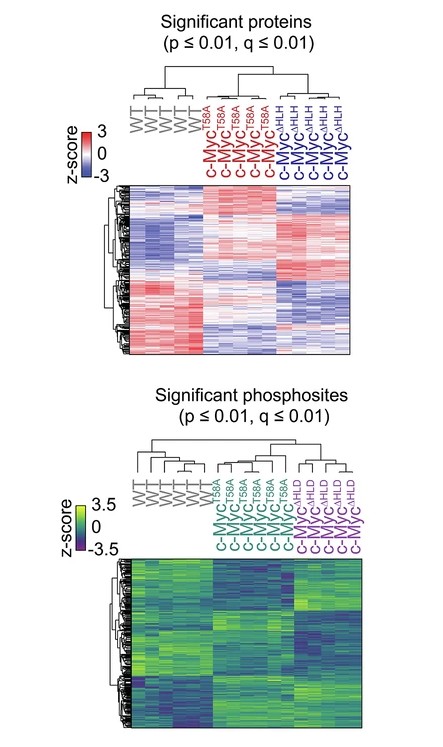
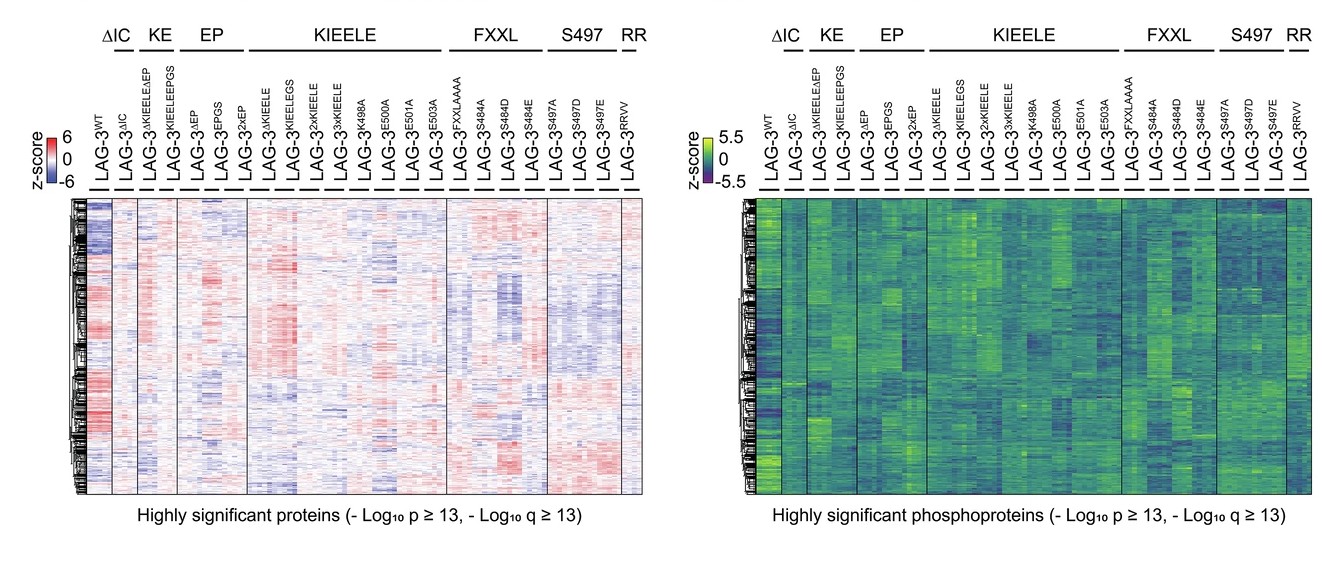
The immunotherapies currently administered in hospitals are biological treatments designed to activate the immune system of cancer patients, enhancing the body's natural defenses to fight tumors. However, some patients do not respond to these treatments because their immune systems fail to function properly and develop mechanisms of therapeutic resistance. This resistance is frequently associated with the expression of LAG-3 on lymphocytes, a type of immune cell, and is considered one of the most important mechanisms underlying resistance to conventional immunotherapies. In this Navarrabiomed study, researchers applied high-throughput technologies to investigate how LAG-3 functions at the molecular level in immune-system lymphocytes in cancer.
For the first time, the study provides a detailed characterization of how LAG-3 operates both independently and in combination with PD-1 to inactivate lymphocytes. Specifically, the researchers discovered that the molecular cooperation between LAG-3 and PD-1 is regulated through the inhibition of MYC, another molecule of major importance in cancer biology. This inhibition causes lymphocytes to lose their ability to effectively recognize and eliminate cancer cells. The role of MYC inhibition was validated in tumor-infiltrating lymphocytes expressing PD-1 and LAG-3, as well as through the analysis of public genomic datasets from more than 500 cancer patients.
This research proposes, for the first time, a novel molecular pathway explaining why lymphocytes fail to destroy tumors. The findings also provide the foundation for future studies at Navarrabiomed aimed at further exploring these molecular mechanisms and developing new therapies to counteract them.
Dissemination of Results and Funding
The research was conducted in close collaboration with Navarrabiomed’s Proteomics Scientific-Technical Service and was made possible through funding from the Spanish Association Against Cancer (AECC), the Carlos III Health Institute (ISCIII), the Government of Navarre, and the European Union.
In addition to the recently published article, the findings were presented in 2025 at the ESMO Molecular Analysis for Precision Oncology (MAP) Congress, organized by the European Society for Medical Oncology (ESMO) in Paris.