Silvia Marinelli brings new insights into the cellular mechanisms of drug-resistant epilepsy
• The EBRI neuroscientist highlighted potential pharmachological therapeutic targets that could expand treatment options for patients with limited alternatives to neurosurgery
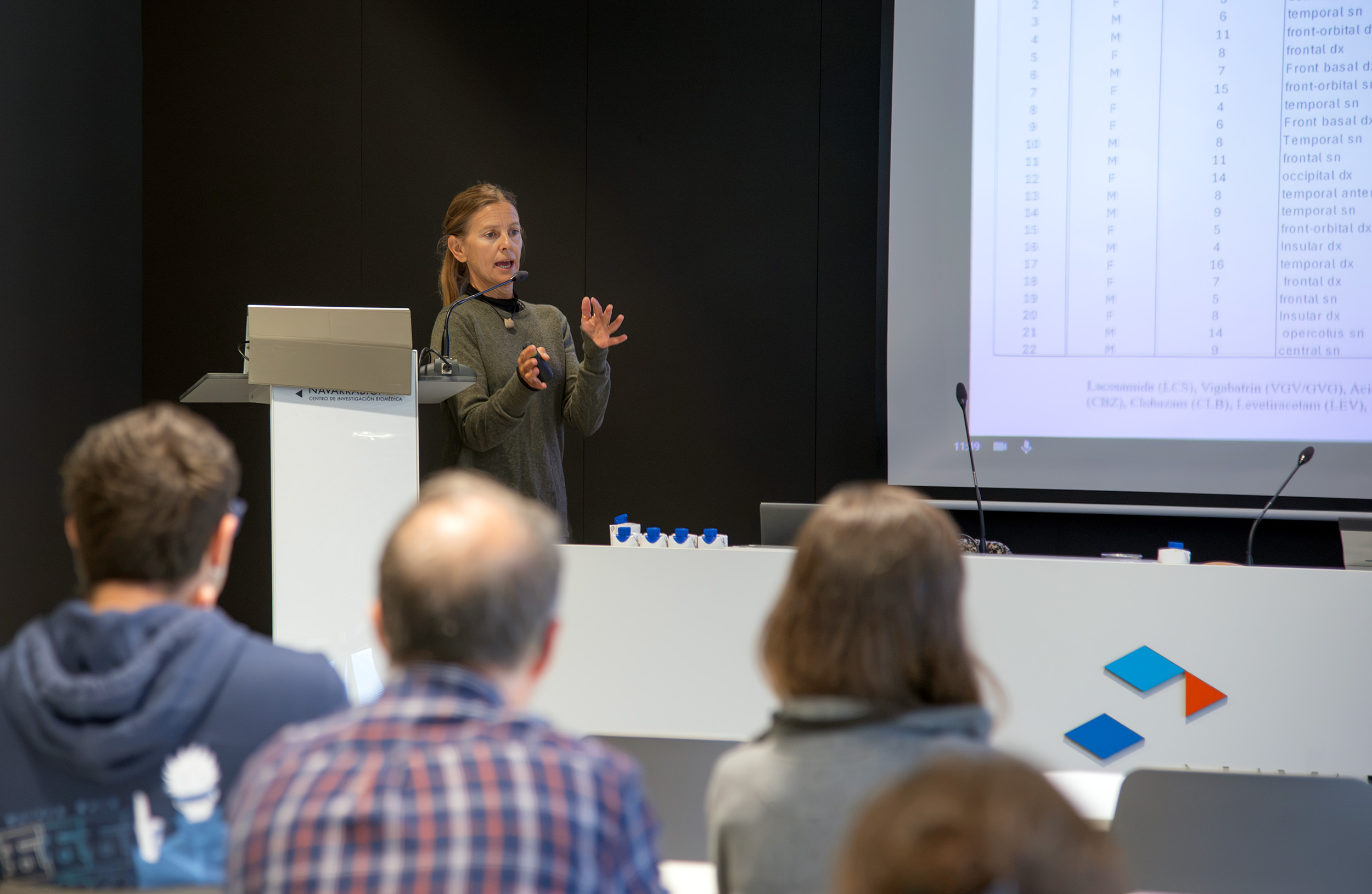
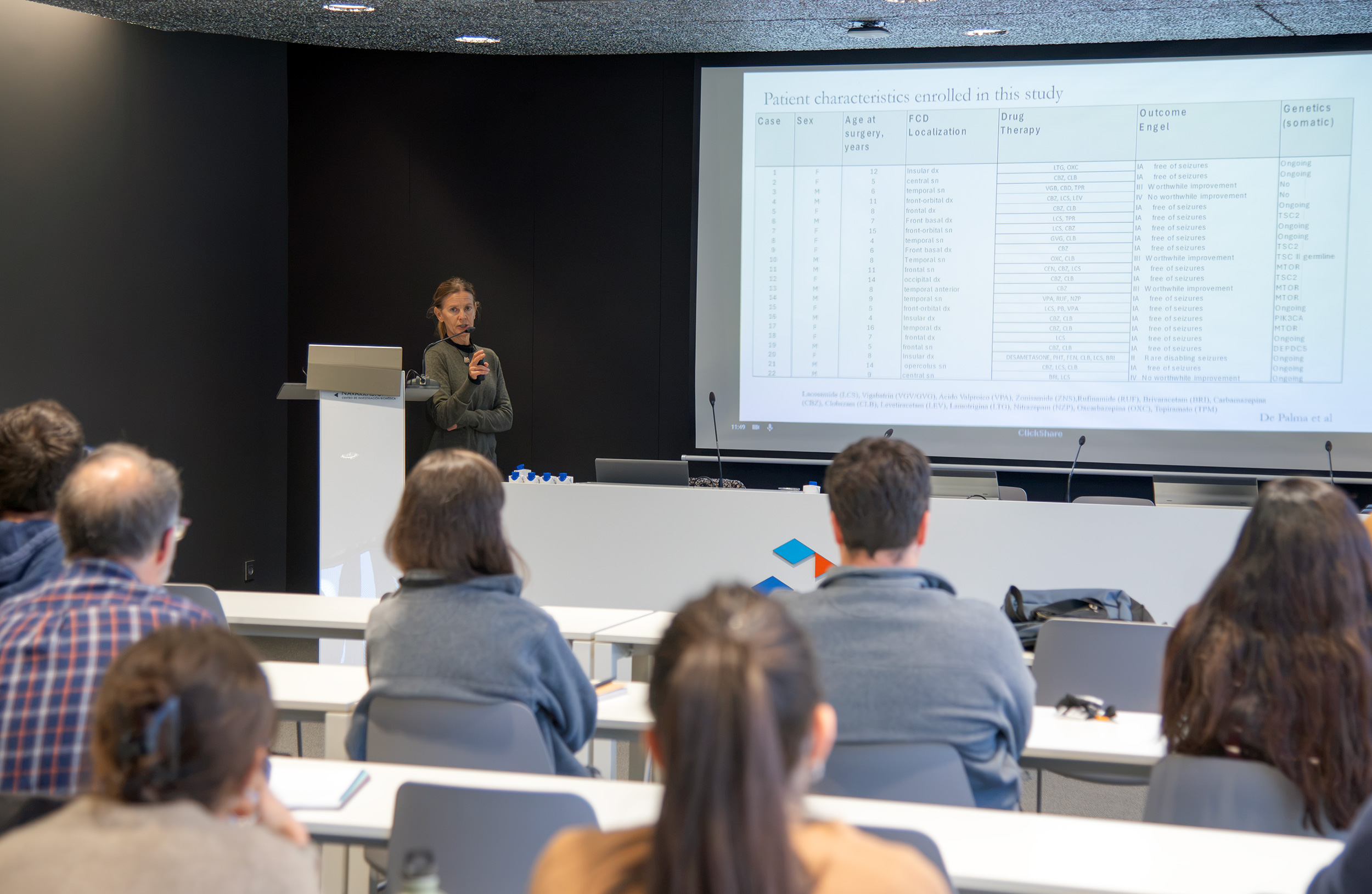
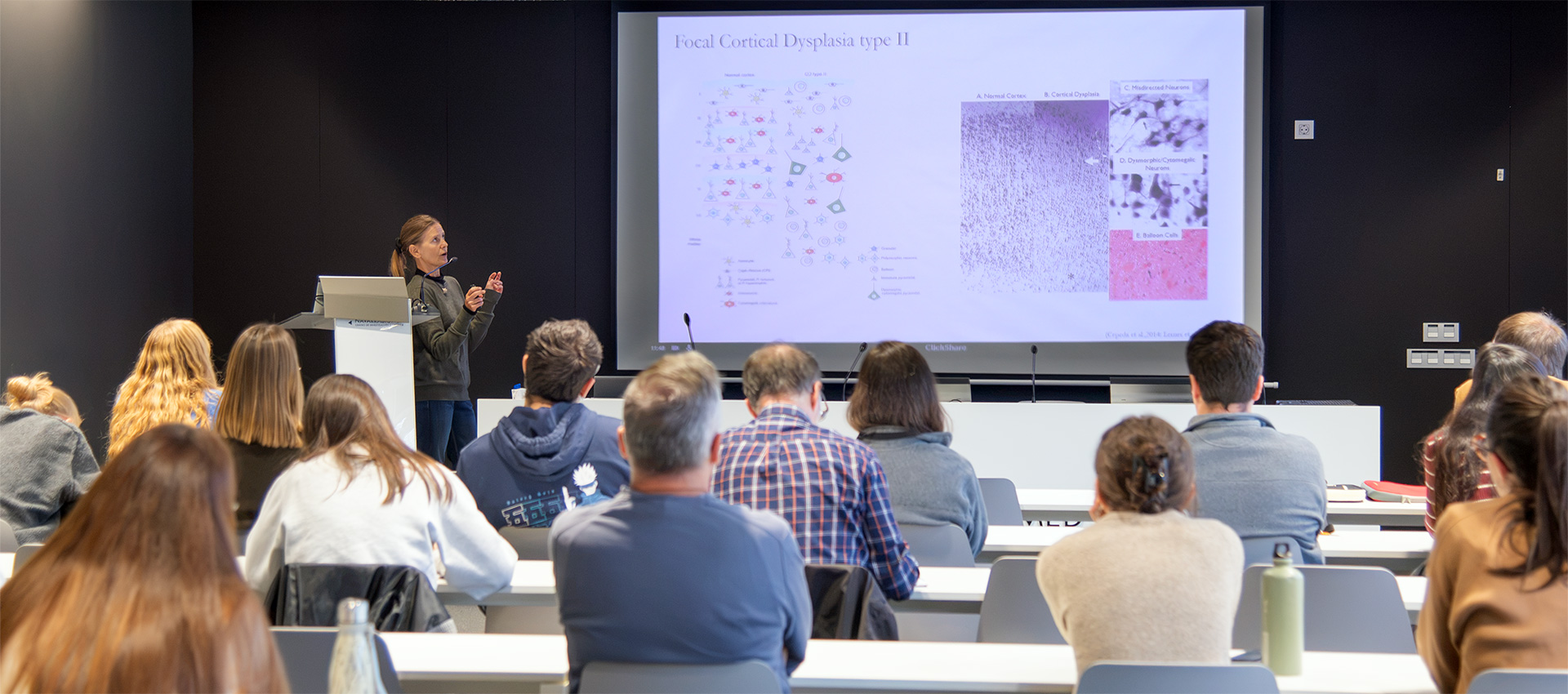
Navarrabiomed hosted the scientific seminar “Novel Pharmacological Strategies for Drug-Resistant Epilepsy: Investigating Mechanisms and Therapeutic Targets” on 20th October, delivered by Silvia Marinelli, Head of the Neurons and Microglia in the Pathophysiology of Cortical Microcircuits and the Retina Laboratory at the European Brain Research Institute (EBRI) – Fondazione Rita Levi-Montalcini in Rome, Italy. The event, organized by Navarrabiomed’s Clinical Neuroproteomics Unit, brought together researchers and healthcare professionals interested in the latest advances in drug-resistant epilepsy.
During her presentation, Dr. Marinelli addressed the clinical challenges posed by focal cortical dysplasia type II (FCD-II), one of the leading causes of drug-resistant epilepsy in children. This developmental brain malformation, which arises early during cortical formation, is characterized by abnormal cortical organization, and altered neuronal populations, often leading to severe seizures as well as cognitive and behavioral impairments.
Silvia Marinelli presented the research carried out by her team, in collaboration with Prof Enrico Cherubini and clinicians led by Prof Nicola Specchio, within the framework of the EBRI-OPBG Joint Laboratory, a collaborative initiative between the European Brain Research Institute and Bambino Gesù Children’s Hospital. The studies focus on brain tissue obtained from patients with FCD-II and other forms of drug-resistant epilepsy, combining advanced electrophysiological recordings with immunohistochemical analyses and confocal microscopy to investigate the functional and molecular properties of neuronal networks affected by the disease. A key message of the seminar was the urgent need to develop additional therapeutic approaches for patients who are not eligible for surgery or do not benefit sufficiently from current surgical interventions. By identifying the cellular and molecular mechanisms that contribute to epileptic activity, researchers are uncovering new pharmacological targets that could help modulate abnormal neuronal circuits and reduce seizure susceptibility.
The findings presented highlight several promising therapeutic avenues and reinforce the value of patient-derived experimental models for developing more precise therapeutic approaches in epilepsy research. According to Dr. Marinelli, a deeper understanding of the cellular alterations associated with FCD-II is essential for identifying more effective treatments and improving outcomes for patients affected by drug-resistant epilepsy.
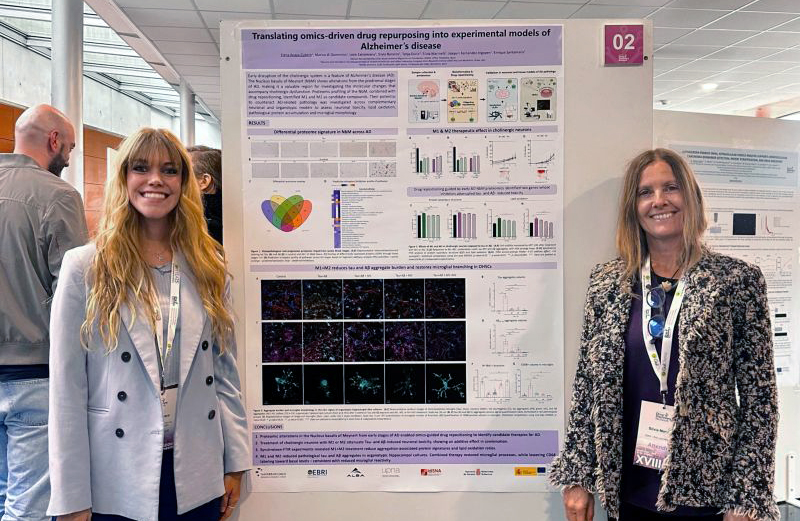
Beyond her work on epilepsy, Silvia Marinelli also shared insights into her broader research interests, which include synaptic plasticity within cortical microcircuits and the communication between neurons and microglia. Her group aims to better understand the neuroimmune signaling pathways involved in brain function and neurological disorders.
The seminar underscored the importance of international and interdisciplinary collaboration in advancing neuroscience research and provided attendees with valuable insight into emerging strategies that may contribute to the future treatment of drug-resistant epilepsy.