Azul oscuro (#003dc4)

MEGA: mecanismos de evolución y génesis en asma

El grupo MEGA realiza investigación clínica en el diagnóstico, seguimiento y manejo de pacientes con asma bronquial. Su principal proyecto es la cohorte MEGA realizado en el seno del CIBER de respiratorio.

Área de investigación
Immune & infectious inflammatory diseases
Asma bronquial
Unidad de investigación / Grupo Vinculado
Contacto
MEGA: mecanismos de evolución y génesis en asma

Navarrabiomed-Centro de Investigación Biomédica
Hospital Universitario de Navarra, edificio de investigación.
C/ Irunlarrea 3. 31008 Pamplona, Navarra. España.

Ginecología y Obstetricia

El objetivo de este grupo es realizar proyectos de investigación en el área de la salud de la mujer, incluyendo la ginecología, la obstetricia, y todas aquellas áreas relacionadas con las patologías que afectan a la mujer. En el grupo podrán participar todos aquellos profesionales del Sistema Navarro de Salud – Osasunbidea (SNS-O) que estén involucrados en la asistencia sanitaria de las mujeres. Los proyectos realizados incluyen estudios clínicos, de ciencias biológicas (investigación translacional), y cualitativos (calidad de vida), siempre con la mujer en el centro de la investigación.

Investigador principal
Área de investigación
Primary Care & Healthcare Services
La mujer, el centro de nuestra investigación
Colaboraciones Logotipos
Documentation
Vídeo
Visor 360º
Colaboradores/as
Unidad de investigación / Grupo Vinculado
Contacto
Ginecología y Obstetricia

C/ Irunlarrea 3
Navarrabiomed-Centro de Investigación Biomédica
Complejo Hospitalario de Navarra
31008 Pamplona, Navarra. España

No mostrar en listados de Unidades de Investigación
Off

Primary Health Care

El grupo lo constituye un equipo multidisciplinar compuesto por médicos de atención primaria y farmacéuticos interesados en investigación clínica, epidemiológica y del sistema sanitario con el fin de mejorar la atención a los ciudadanos dispensada desde la atención primaria desde la visión y cercanía que proporciona el primer nivel asistencial. Este objetivo se complementa con la labor de facilitar y promover la investigación en el ámbito de la atención primaria de Navarra. 

Investigador principal
Área de investigación
Primary Care & Healthcare Services
Investigación clínica, epidemiológica y del sistema sanitario
Colaboradores/as
Beitia Berrotarán, Guadalupe
Universidad de Navarra
Beltrán Gárate, Idoya
Universidad de Navarra
Unidad de investigación / Grupo Vinculado
Contacto
Primary Health Care

Navarrabiomed - Centro de investigación biomédica
Complejo Hospitalario de Navarra, edificio de investigación.
Calle Irunlarrea, 3. 31008 Pamplona, Navarra, España.  

Paediatric Neurology

Investigación clínica de enfermedades neurológicas que afectan a la edad pediátrica, en colaboración con otros centros de investigación nacionales e internacionales. Las líneas de investigación específicas son: epilepsia, trastornos del cerebelo, leucodistrofias, paraparesias espásticas, trastornos del movimiento, daño cerebral adquirido y trastornos del neurodesarrollo, con énfasis en la neuropsicología y psicopedagogía. Además de las líneas de investigación, se promueve la participación en ensayos clínicos y el crecimiento de una red de profesionales, multidisciplinar, que implique a los ámbitos sanitario hospitalario y extrahospitalario, educativo y social.

Investigador principal
Área de investigación
Neurosciences
Líneas de investigación
Colaboradores/as
García de Gurtubay Galligo, Iñaki
Complejo Hospitalario de Navarra
Unidad de investigación / Grupo Vinculado
Contacto
Paediatric Neurology

Navarrabiomed - Centro de investigación biomédica
Complejo Hospitalario de Navarra, edificio de investigación.
Calle Irunlarrea, 3. 31008 Pamplona, Navarra, España.

No mostrar en listados de Unidades de Investigación
Off

Radiation Therapy and Cancer

La oncología radioterápica es una especialidad médica dedicada a los aspectos diagnósticos, cuidados clínicos y terapéuticos del enfermo oncológico, primordialmente orientada al empleo de los tratamientos con radiaciones, así como al uso y valoración  de los tratamientos alternativos o asociados.

Investigador principal
Área de investigación
Oncology & Hematology
Diagnósticos, cuidados clínicos y terapéuticos
Unidad de investigación / Grupo Vinculado
Contacto
Radiation Therapy and Cancer

Navarrabiomed - Centro de investigación biomédica
Complejo Hospitalario de Navarra, edificio de investigación.
Calle Irunlarrea, 3. 31008 Pamplona, Navarra, España.

Artificial Intelligence and Probabilistic Reasoning

Artificial Intelligence and Probabilistic Reasoning

The Artificial Intelligence and Approximate Reasoning Group (GIARA) was established in 2002 by Professor Humberto Bustince at the Public University of Navarra. Currently, GIARA is made of eighteen members (twelve holding doctoral degrees and five doctoral students).
GIARA is a multidisciplinary team (physicists, mathematicians, computer engineers and industrial engineers) with broad experience and a remarkable national and international impact. They conduct theoretical research in the areas of information fusion, fuzzy sets and extensions. In addition, they develop models and applications in the fields of data mining, big data and image processing.

Lines of research:

  • Theory: information fusion, fuzzy sets and extensions.
  • Decision making: multicriteria, consensus, preference relations and recommendation systems.
  • Computer vision: image processing, magnification/demagnification, edge detection, stereo vision.
  • Data mining: machine learning, classification, fuzzy rule-based models, ensemble-based models, deep learning, big data.
     
Investigador principal
Área de investigación
Big Data & Bioengineering
GIARA
Colaboradores/as
Antunes Dos Santos, Felipe
Navarrabiomed - Universidad Pública de Navarrra
Barrenechea Tartas, Edurne
Navarrabiomed - Universidad Pública de Navarrra
Burusco Juandeaburre, Ana Jesús
Navarrabiomed - Universidad Pública de Navarrra
De Miguel Turullols, Laura
Navarrabiomed - Universidad Pública de Navarrra
Dendarieta Sarries, Xabier
Navarrabiomed
Elkano Ilintxeta, Mikel
Navarrabiomed - Universidad Pública de Navarrra
Fernández Fernández, Francisco Javier
Navarrabiomed - Universidad Pública de Navarrra
Galar Idoate, Mikel
Navarrabiomed - Universidad Pública de Navarrra
Guerra Errea, Carlos
Navarrabiomed - Universidad Pública de Navarrra
Hernández Jaso, Ignacio
Navarrabiomed - Universidad Pública de Navarra
Iglesias Rey, Sara
Navarrabiomed - Universidad Pública de Navarrra
Jurío Munarriz, María Aránzazu
Navarrabiomed - Universidad Pública de Navarrra
López Molina, Carlos
Navarrabiomed - Universidad Pública de Navarrra
Lucca, Giancarlo
Navarrabiomed - Universidad Pública de Navarrra
Marco Detchart, Cedric
Navarrabiomed - Universidad Pública de Navarrra
Orduna Urrutia, Raúl
Navarrabiomed - Universidad Pública de Navarrra
Pagola Barrio, Miguel
Navarrabiomed - Universidad Pública de Navarrra
Paternain Dallo, Daniel
Navarrabiomed - Universidad Pública de Navarrra
Sanz Delgado, José Antonio
Navarrabiomed - Universidad Pública de Navarrra
Sesma Sara, Mikel
Navarrabiomed - Universidad Pública de Navarrra
Uriz Martín, Mikel Xabier
Navarrabiomed - Universidad Pública de Navarrra
Unidad de investigación / Grupo Vinculado
Contacto
Artificial Intelligence and Probabilistic Reasoning

Navarrabiomed - Centro de investigación biomédica
Complejo Hospitalario de Navarra, edificio de investigación.
Calle Irunlarrea, 3. 31008 Pamplona, Navarra, España. 

No mostrar en listados de Unidades de Investigación
Off

Clinical Neuroproteomics

Clinical Neuroproteomics

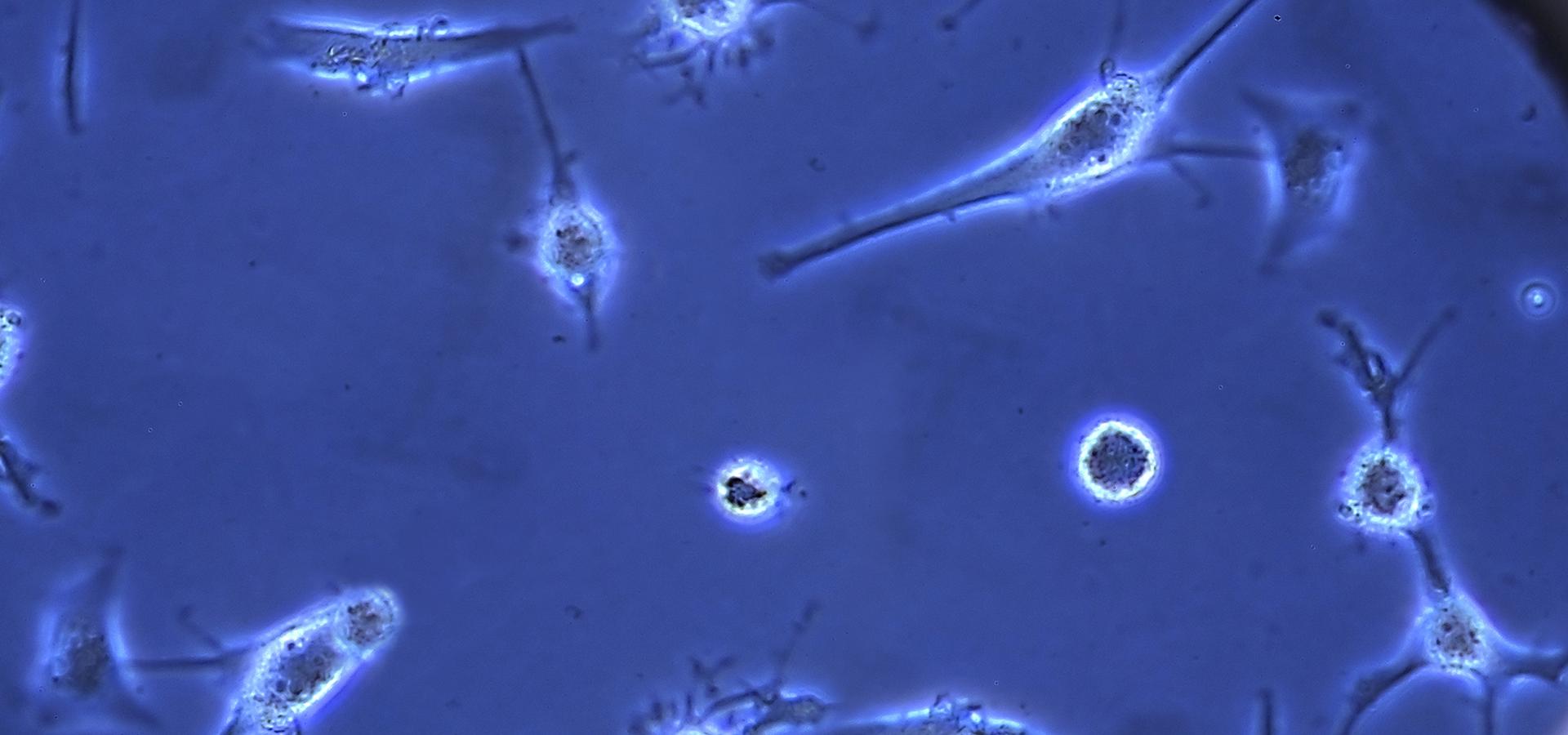
The activity of this Unit is aimed at defining the molecular processes involved in the development of neurodegenerative diseases. In order to achieve this goal, it works on the identification of the proteins and peptides involved in the neuropathogenic processes leading to Alzheimer’s disease, Parkinson’s disease, multiple sclerosis and amyotrophic lateral sclerosis, using proteomic tools to identify and quantify hundreds of proteins in human brain cells and disease animal models. Using bioinformatics analysis, disease-specific molecular mechanisms are identified, characterising proteins with a potential prognostic and/or diagnostic value.
The team leads the Neurological Disorders Programme, which is part of the Human Proteome Project through a Spanish consortium established by ProteoRed-Instituto de Salud Carlos III.
The group belongs to the International Consortium GCCR (Global Consortium for Chemosensory Research).

HBPP       

Lines of research:
  • The group leads the Neurological Disorders Programme, which is part of the Human Proteome Project through a Spanish consortium established by ProteoRed-Instituto de Salud Carlos II.
  • Olfaction and neurodegeneration.
  • Characterisation of the molecular mechanisms involved in the development of neurodegenerative disease.
  • Molecular analysis of lateralisation of brain function using inter-hemispheric proteomics.
Investigador principal
Área de investigación
Neuroscience
Identification of proteins and peptides in neuropathogenic processes
Actualidad

Navarrabiomed participates in international research project demonstrating loss of smell and taste in COVID-19 patients

Author
Navarrabiomed

•    A consortium made of more than 600 professionals from 50 countries highlights the importance of confirming the diagnosis of people presenting with alterations in their capacity to smell and taste
 

Navarrabiomed is participating in an international research project that has confirmed that most people suffering from COVID-19 experience a loss of their sense of smell and/or taste. This initiative is part of an international consortium made up of more than 600 professionals from 50 countries.

Enrique Santamaría Martínez PhD, Head of the Navarrabiomed Clinical Neuroproteomics Unit, is responsible for leading the center’s participation in an international consortium that has confirmed the direct relationship between COVID-19 and anosmia (loss of the sense of smell) and the reduction in taste capacity in early stages of the disease. More than 600 professionals from 50 countries are collaborating on this study, whose findings may determine who is given diagnostic tests in new outbreaks.

On 7 April 2020, the Global Consortium for Chemosensory Research (GCCR) launched a massive survey with the aim of gathering sensory information on the ability to smell and taste of participants, people diagnosed with an objective test such as PCR or after clinical assessment no more than 15 days prior to responding to the survey. Among other variables, participants were asked to quantify their smell, taste and chemesthesis function (their capacity to smell, taste and perceive cooling, tingling and burning sensations in the mouth) before and while suffering from COVID-19 disease. They were also asked to mention any kind of nasal obstruction that had occurred.

The consortium obtained preliminary results 11 days later, on 18 April, and published the findings on 8 May in the free-access repository medrxiv.org. A total of 4,039 people from more than 40 countries filled out the survey and an analysis of the results indicates that smell, taste and chemesthesis were significantly reduced in patients diagnosed with COVID-19 disease. It is important to point out that nasal obstruction does not seem to be associated with these losses, which suggests that it may be an indicator for differentiating infection from SARS-CoV-2 from other viral infections such as cold and flu (which do produce nasal obstruction).

The reduction in the capacity to smell and taste may be taken as a distinctive characteristic of possible cases of COVID-19 arriving at hospitals and health centers and that require confirmation by means of a diagnostic test.

The project is different from previous studies on chemosensory abilities and COVID-19 because it proposes a massive international approach within a collaborative open-science framework. The study is led by Valentina Parma (Temple University, Philadephia, USA), John Hayes (Penn State, USA), Thomas Hummel (Technische Universität Dresden, Alemania), Steve Munger (Universidad de Florida, USA) and Danielle Reed (Monell Chemical Senses Center, USA). 

Research in progress

The consortium has now received more than 37,000 responses and the survey is still active. Navarrabiomed encourages anyone who has recently suffered from a respiratory disease, including COVID-19, to go online to https://gcchemosensr.org/ and fill out the survey in one of the 29 languages available. “Patient participation is key for determining the symptomatology of SARS-CoV-2. Consortium committees are currently organizing specific research projects that will make use of all the information compiled in the GCCR initiative,” said Dr. Santamaría.

The Navarrabiomed Clinical Neuroproteomics Unit is interested in determining why COVID-19 patients lose their sense of smell. To answer this question, the Unit is collaborating with the group of Dr. David Escors (Head of the Oncoimmunology Unit, Navarrabiomed) in order to untangle the molecular mechanisms that are altered at the olfactory level by the SARS-CoV-2 virus.

“One of the coronavirus’s access routes is through the nasal cavity, which is why analysis of the “nose-brain” route could provide information on why strokes, seizures and encephalitis have been observed in some COVID-19 patients”.

Furthermore, according to preliminary results from the seroprevalence study carried out by the Spanish Ministry of Health and the Carlos III Health Institute, the loss of smell should not merely be considered an early symptom of COVID-19 disease, but also a predictor of immune response,” Dr. Santamaría said.

The Navarrabiomed Neuroproteomics Unit, in collaboration with public and private health institutions in Navarre, is currently working on the development and deployment of precision olfactory medicine, which, together with immunological analysis, will lead to more effective diagnosing and monitoring of the many diseases involving loss of smell, one of which is COVID-19.
 

Categoría
Galería de imágenes
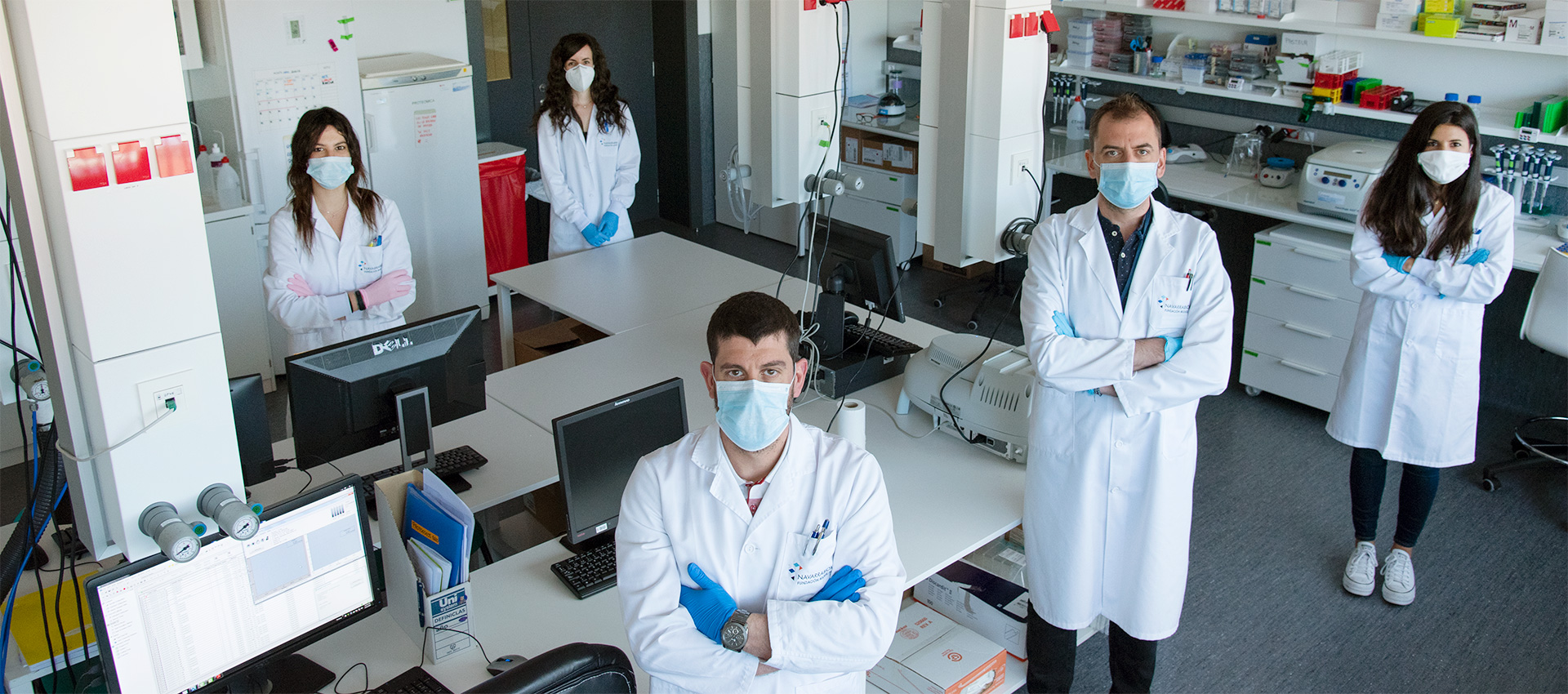
De izda. a dcha: Karina Ausín, Naroa Mendizuri, Joaquín Fernández, Enrique Santamaría y Mercedes Lachén.
Download Flecha que indica descarga
Documentación
Vídeo
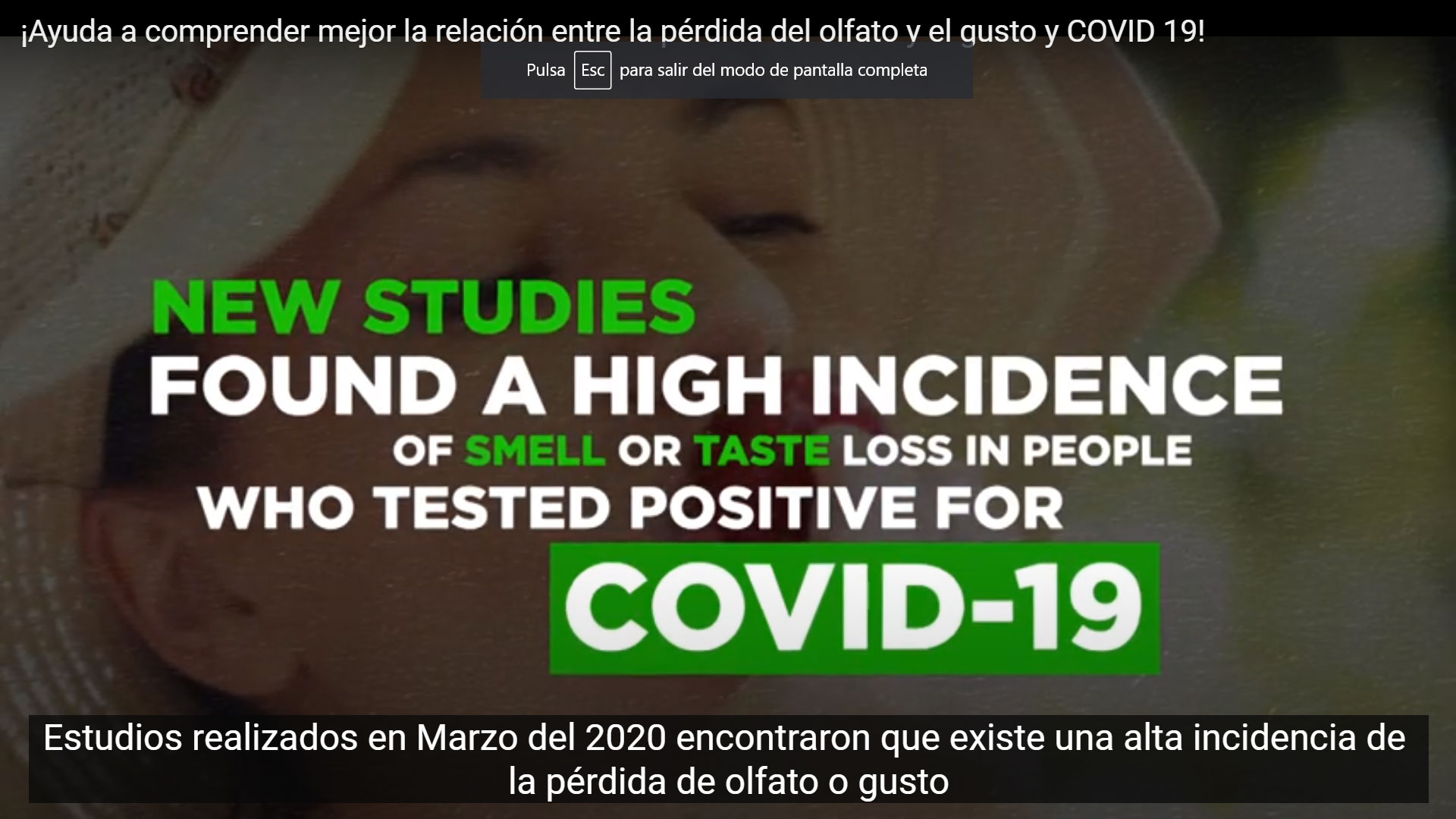
Help researchers better understand the relationship between the loss of smell and taste and COVID-19

Navarrabiomed researchers coordinate the publication of a book on brain protein analysis

Author
Navarrabiomed

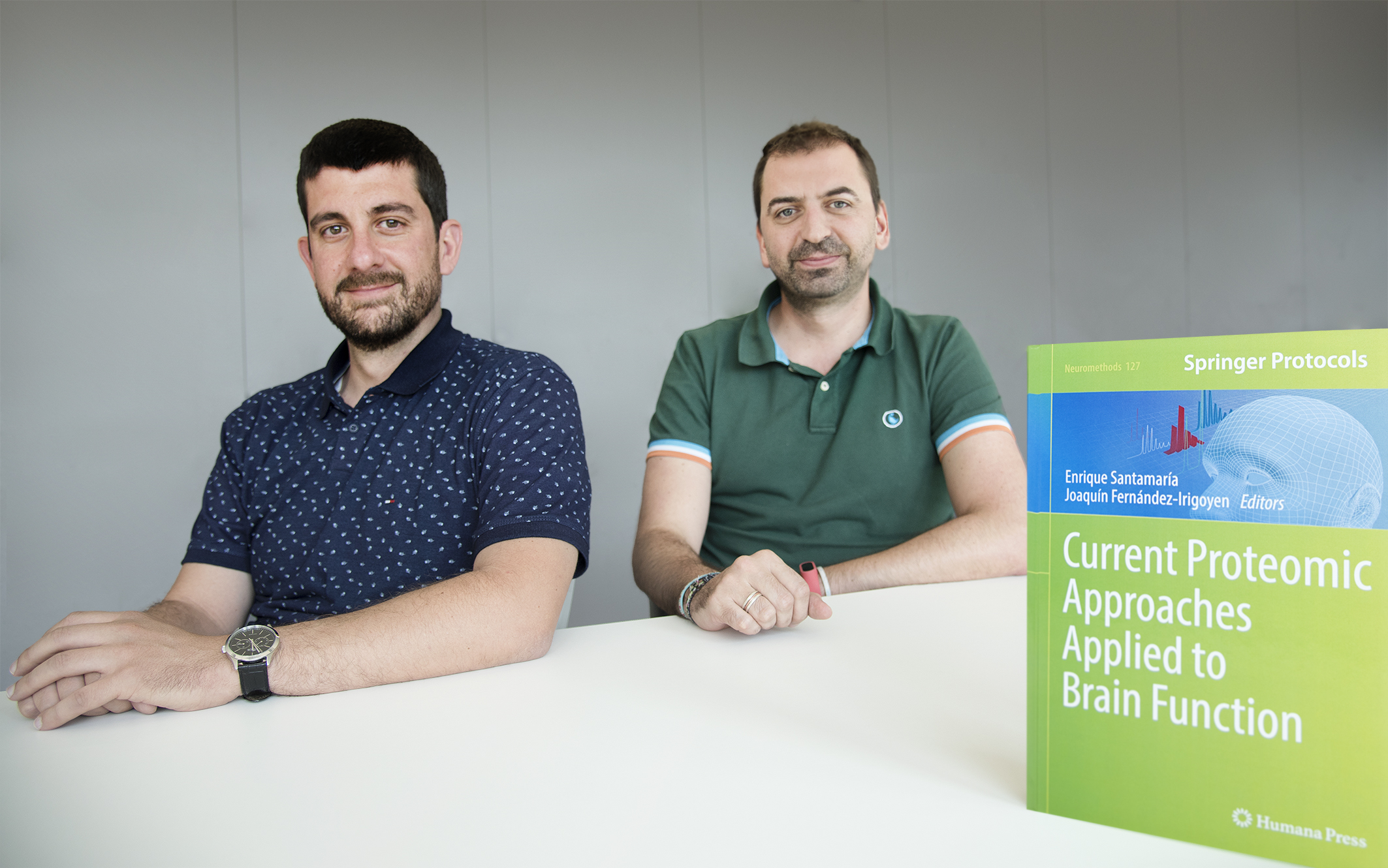
LEnrique Santamaría and Joaquín Fernández-Irigoyen, researchers at the Proteomics Unit of the biomedical research centre Navarrabiomed, were the coordinators of Current Proteomic Approaches Applied to Brain Function, released by the academic publishing company Springer Nature as part of its Neuromethods collection.

The book introduces 20 standard protocols to deepen the knowledge of proteins and their role in neurodegenerative and psychiatric disorders.

In this book, Santamaría and Fernández-Irigoyen, who are also professionally related to the Navarra Medical Research Institute (IdiSNA) and the ProteoRed-ISCIII national platform, offer a compendium of methods for brain proteome quantification, post-translational modification monitoring, neuronal organelle identification and characterisation, and bioinformatics tool implementation for omics data integration. It is meant to be an essential guidebook for students a valuable resource for graduate students and postdoctoral fellows interested in neuroproteomics, as well as for researchers looking for further insight into the growing field of mass spectrometry in neuroscience.

Book contributors included as many as 75 researchers from labs in Spain, Switzerland, France, Denmark, Portugal, Germany, India, the USA and Brazil. Many of them are regular participants in The Human Brain Proteome Project (HBPP).

HBPP is an international initiative sponsored by the Human Proteome Organisation (HUPO) promoting proteomic studies on the human brain and follow-up projects to decipher the role of proteins in brain development, health and disease.


Categoría
Galería de imágenes
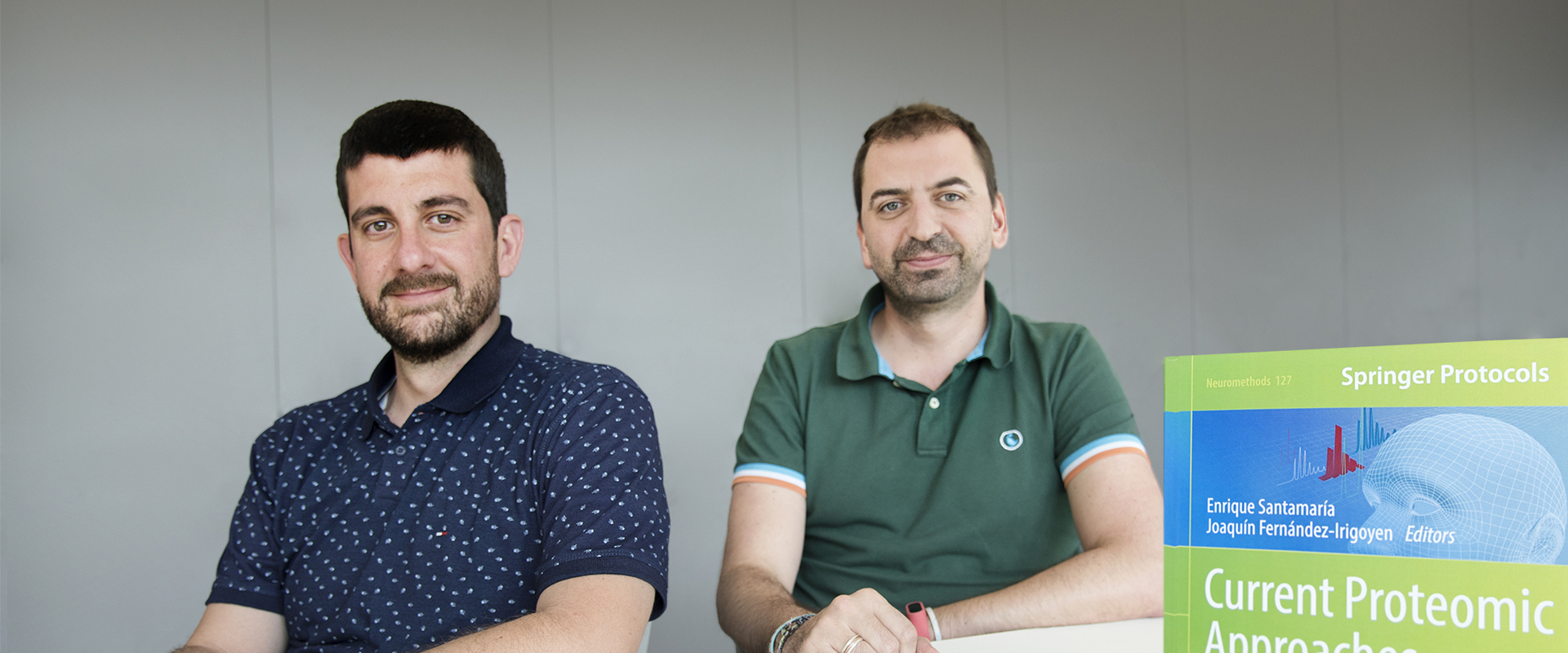
Navarrabiomed researchers Joaquín Fernández-Irigoyen and Enrique Santamaría.
Download Flecha que indica descarga
Documentación
Vídeo
Colaboraciones Logotipos
Documentation
External collaborations
Vídeo
INNOLFACT  Implementing Olfactory Precision Medicine
INNOLFACT Implementing Olfactory Precision Medicine
Enrique
Santamaría Martínez
Head of the Unit
Visor 360º
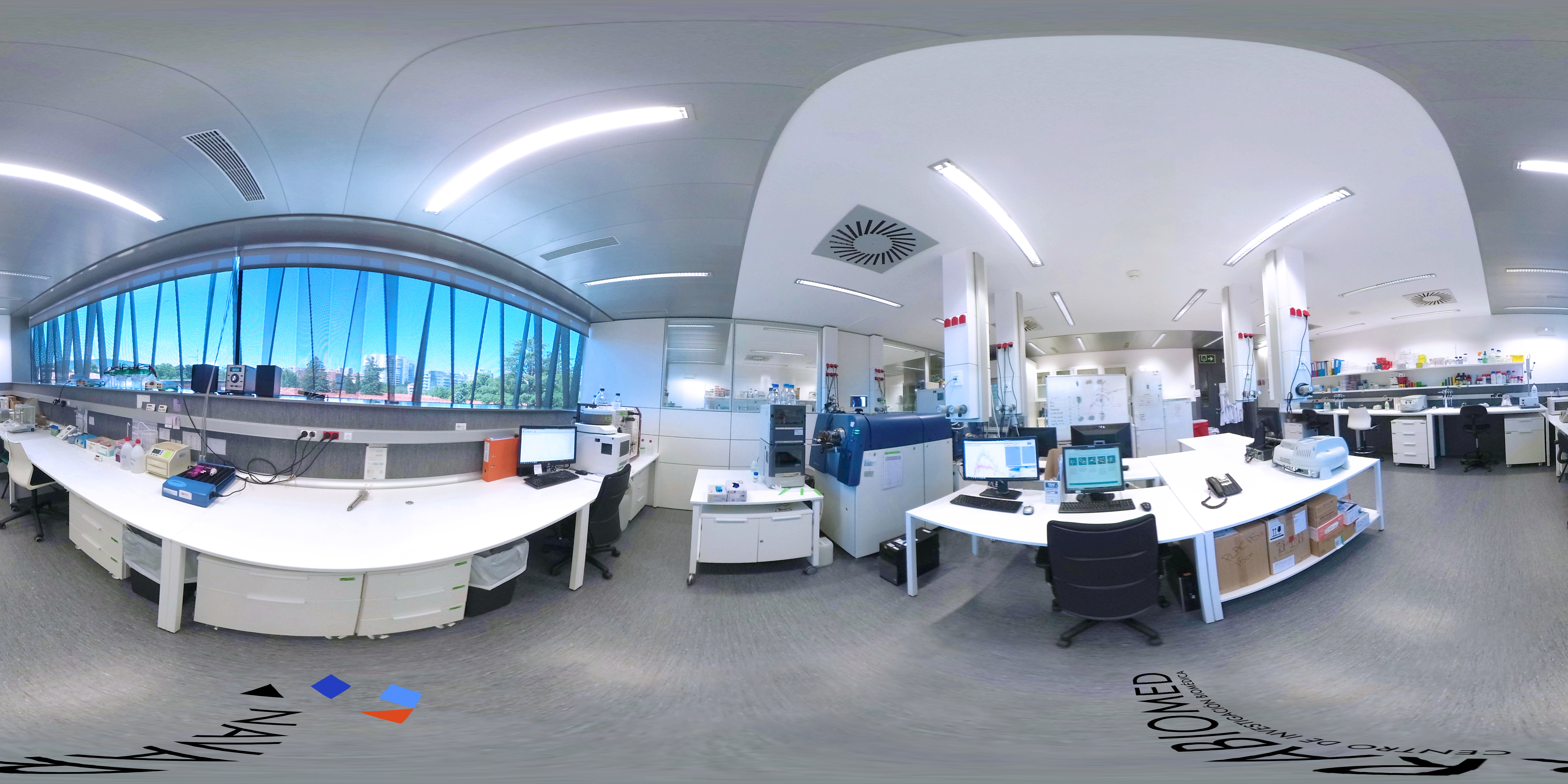
360º Virtual Tour
Clinical Neuroproteomics
Lab
Unidad de investigación / Grupo Vinculado
Contacto
Clinical Neuroproteomics

Navarrabiomed - Centro de investigación biomédica
Complejo Hospitalario de Navarra, edificio de investigación.
Calle Irunlarrea, 3. 31008 Pamplona, Navarra, España. 

No mostrar en listados de Unidades de Investigación
Off