
World's Top 2% Scientists (Stanford University)
I completed my undergraduate studies in Biological Sciences at the University of Navarra in 1988 and earned a PhD in Microbiology from the Center for Molecular Biology (CSIC-UAM) at the Autonomous University of Madrid in 1992. I then conducted postdoctoral research for three years in Professor Pascale Cossart’s laboratory at the Pasteur Institute, studying the genetics of Listeria monocytogenes actin-based motility. In 1997, I joined the Public University of Navarra (UPNA) as Professor of Microbiology and established my laboratory at the Center for Agrobiotechnology, focusing on the genetics of bacterial biofilm formation. I became Full Professor in 2008 and served as Director of the Center (2010–2013) and later as Director of Navarrabiomed (2015–2022).
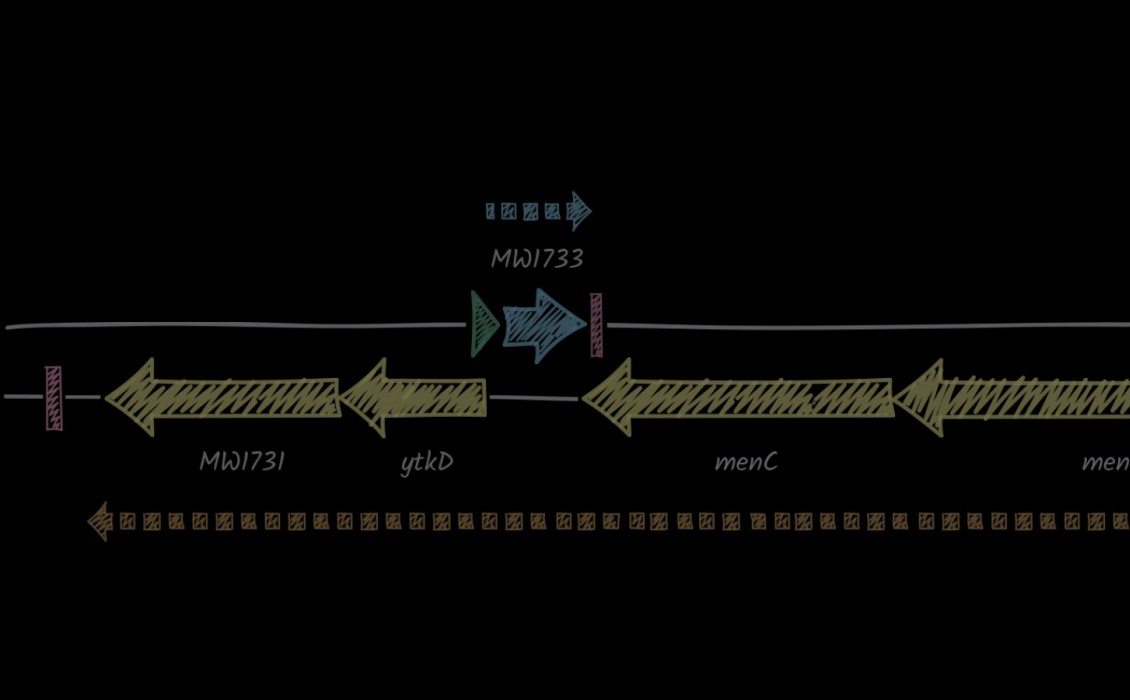
As principal investigator, I have led nine consecutive projects funded by the Spanish Ministry and six European Union projects under the 6th, 7th, and Horizon Europe Framework Programmes. I have supervised 20 PhD students and 12 postdoctoral researchers. My current research focuses on biofilm formation in pathogenic bacteria, two-component sensory systems in Staphylococcus aureus, RNA-based transcriptional regulation, and recombinant phage development. My main contributions include identifying Bap proteins involved in amyloid-mediated biofilm formation, describing overlapping mRNA-based regulation processed by RNase III, demonstrating dispensability of a key two-component system for S. aureus growth, and defining the non-contiguous operon. In 2011, I co-founded RECOMBINA S.L., a biotechnology company focused on genetic engineering and veterinary vaccines.