Noticias

Navarrabiomed researchers analyse the limitations of AI in protein structure and reveal evolutionary keys to immune receptors

Investigadores de Navarrabiomed analizan las limitaciones de la IA en estructura de proteínas y revelan claves evolutivas de receptores inmunitarios
Author
Navarrabiomed

The Protein Crystallography and Structural Immunology Unit at Navarrabiomed, led by Jacinto López Sagaseta, recently published a study critically analysing the current limitations of artificial intelligence, specifically AlphaFold, in protein structure prediction. In a second study, conducted in collaboration with researchers from the National Cancer Institute  in the United States, the discovery of molecular configurations previously unknown in primitive organisms is described, which suggests that key structural elements of the adaptive immune system appeared much earlier than previously thought. 

The results, which have been published in scientific articles in Scientific Reports and Communications Biology,, offer new horizons in the design and development of new therapeutic proteins.

Furthermore, the relevance of this research has transcended the local academic sphere. Jacinto López Sagaseta, the researcher who led these studies, has been invited to present these findings at the Protein & Antibody Engineering Summit 2025,conference to be held in Lisbon next November, which will assemble experts from leading centres such as MIT, Scripps, Roche and Genentech, among many others. 


1. Severe deviation in protein fold prediction by advanced AI: a case study (Scientific Reports, 2025)

This study critically evaluates the current capabilities of artificial intelligence in protein structure prediction, focusing on AlphaFold.
 Using the protein SAML, derived from the marine sponge Geodia cydonium and composed of two domains, the authors compare the structure predicted by AlphaFold with that determined experimentally by X-ray crystallography.

The researchers observed that while AlphaFold accurately predicts the individual structure of each domain (RMSD < 0.9 Å), the AI tool fails to predict the relative orientation of the two domains. This result was confirmed even when expanding the conformational folding space of the protein in AlphaFold predictions. Furthermore, the researchers achieved two forms of crystallisation of RTK, a protein similar to SAML. In both forms, the folding of the protein is identical, indicating that the crystallised conformation is robust and a faithful reflection of the native conformation. The deviation obtained in the predictions is reflected in an RMSD greater than 7.7 Å when the experimental structure and the AlphaFold prediction are overlaid, or in deviations of over 30 Å for equivalent residues when overlaying one of the domains. On a human scale, it is as if, in an anatomical reconstruction, the head were placed at the level of the navel. This analogy highlights how serious an interdomain assembly error can be in structural biology, especially when these models are used to design drugs or antibodies, where precise interaction geometry is critical. Therefore, this study reveals that AlphaFold is an accurate prediction tool for low-complexity structures, but it does not adequately model the spatial arrangement of proteins composed of more than one domain, particularly when clear evolutionary constraints are lacking or when proteins have few homologues in the databases.

These results have direct implications for health and rational drug design. Many therapeutic proteins (antibodies, receptors, enzymes) depend on precise orientation between functional domains, and errors in their prediction can compromise target selection, inhibitor design, or antibody engineering. 

In conclusion, this work reiterates that AI generates theoretical models that may deviate from the actual structure of a protein, and highlights the need to prioritise experimental data, especially in sensitive biomedical contexts such as the development of new immunotherapies.


2. Unusual traits shape the architecture of the Ig ancestor molecule (Communications Biology, 2025)

In a second article published in March this year, and in collaboration with experts from the National Institute of Health in the United States, the researchers present a rigorous study of the crystallographic structures of two ancestral Ig-like proteins (SAML and RTK) from the marine sponge Geodia cydonium, representatives of one of the oldest Metazoa lineages. Both proteins have two tandem immunoglobulin domains.

Main findings:
•    The N-terminal domain exhibits a unique architecture, distinct from known Ig types, leading to the proposal of a new category: the Early Variable (EV-set) domain.
•    The C-terminal domain adopts a C1-set configuration, which until now was considered exclusive to vertebrates. This suggests that the basic architecture of surface immune receptors may have emerged long before the appearance of the adaptive immune system.
This discovery provides a new perspective on the structural evolution of immune systems and could inspire the development of new protein scaffolds for antibody engineering or TCR receptors. Furthermore, understanding how nature has reused these modular platforms for hundreds of millions of years can guide the design of synthetic receptors with evolutionarily optimised properties, useful in immunotherapy, diagnostics and cell therapies.


Conclusions

Both works, which focus on the structure of an ancestral protein, address key aspects of modern structural biology from different angles. The first exposes the limitations of current predictive models, warning of their risks in biomedical contexts. The second explores the evolutionary roots of Ig domains, suggesting that the basic architecture of immune recognition predates the adaptive immune system by a considerable margin.

As a whole, these studies not only enrich our understanding of the origin of immunity, but also offer conceptual and structural tools with great potential for application in modern biomedicine, from the design of therapeutic proteins to the development of diagnostic platforms.


Photo captions: 

  • Figure 1: Overlaying of the structural model predicted by AlphaFold (yellow) and the structure determined by X-rays (blue). The turquoise spheres indicate equivalent atomic positions in both models. A discrepancy of 32 Å is observed, indicating a significant difference between the computational prediction and the actual conformation of the protein obtained by X-ray diffraction.
  • Figure 2: The image shows canonical (lower panel) and non-canonical (upper panel) disulphide bridges, with alternative conformations detected by X-ray diffraction, in the SAML protein from Geodia cydonium. Early Variable and C1 immunoglobulin (Ig) domains are observed, identified for the first time in non-vertebrate organisms, with atoms coloured by type (grey: carbon, blue: nitrogen, red: oxygen, yellow: sulphur). The blue network represents the signal obtained through X-ray diffraction of SAML crystals by researchers at Navarrabiomed. 


Categoría
Galería de imágenes
Figura 1
Download Flecha que indica descarga
Figura 2
Download Flecha que indica descarga
Documentación
Vídeo

Diactive-1 offers a personalised strength training programme for paediatric patients with type 1 diabetes that reduces daily insulin doses.

Navarrabiomedek indar-ariketa pertsonalizatua eskaintzen duen aplikazio bat garatu du 1 motako diabetesa duten pediatriako pazienteentzat, intsulinaren eguneroko dosia murriztea lortzen duena.
Author
Navarrabiomed


  • The study presented, which has led to the development of the application, was awarded second prize in the Health or Social Care category of the 2024 NAOS Awards.


This morning, the Department of Health, through the Miguel Servet-Navarrabiomed Foundation, presented a study carried out by its Physical Activity for Children and Youth Unit, which has succeeded in reducing the daily dose of insulin with no adverse effects in paediatric patients with type 1 diabetes by means of digital health and gamification techniques. Along with the Regional Minister of Health, Fernando Domínguez, the event was attended by representatives of those participating in the study: the University Hospital of Navarra (HUN)’s Paediatric Endocrinology Unit, Navarrabiomed’s Physical Activity Unit for Children and Young People, and the Navarra Diabetes Association (ANADI).


Minister of Health Domínguez underlined “the importance of collaboration between the biomedical research centre, the HUN healthcare service and the association for the development of this type of innovative initiative in the bio-health field, aimed at improving the quality of life of child and adolescent patients.” He also congratulated the entire team for winning second prize in the Health or Social Care category of the 2024 NAOS Awards organised by the Food Safety and Nutrition Agency, part of the Ministry of Social Rights, Consumer Affairs and the 2030 Agenda. 

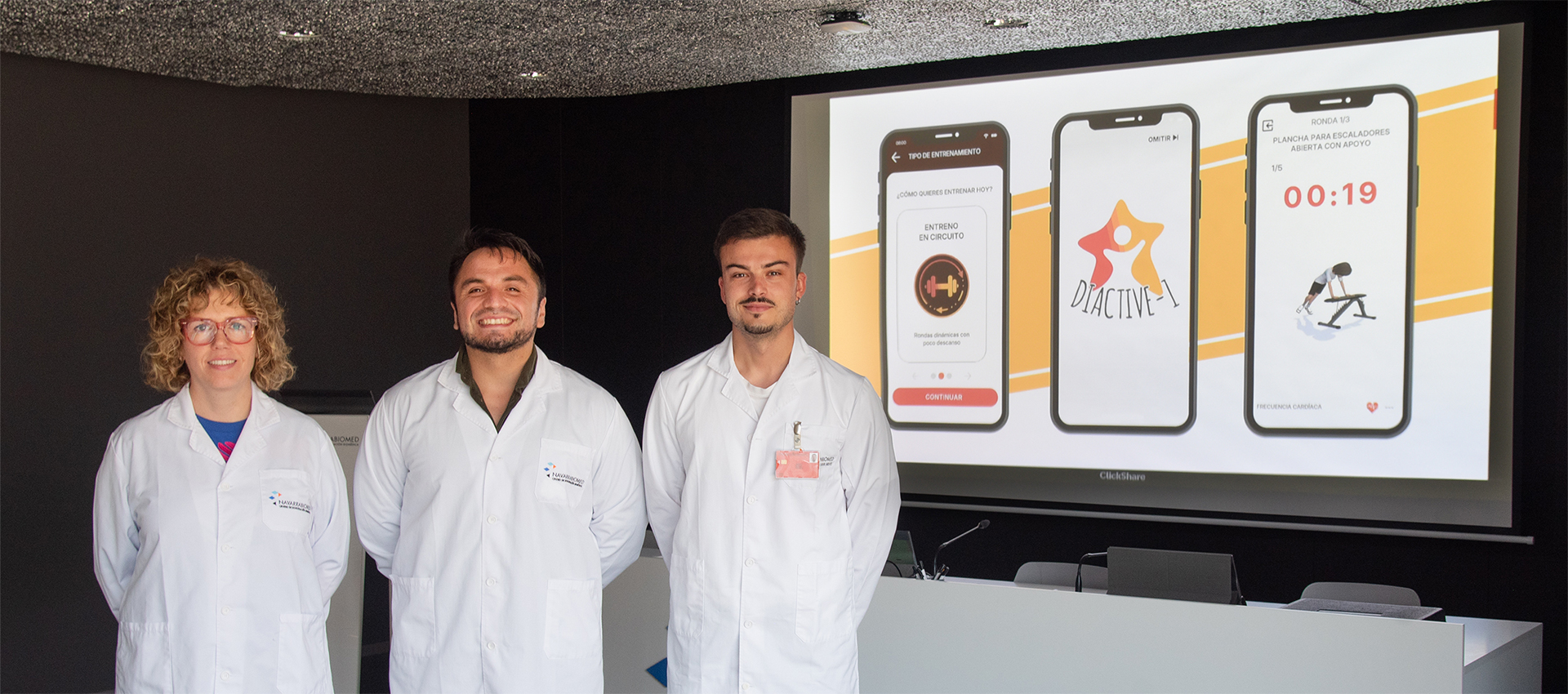
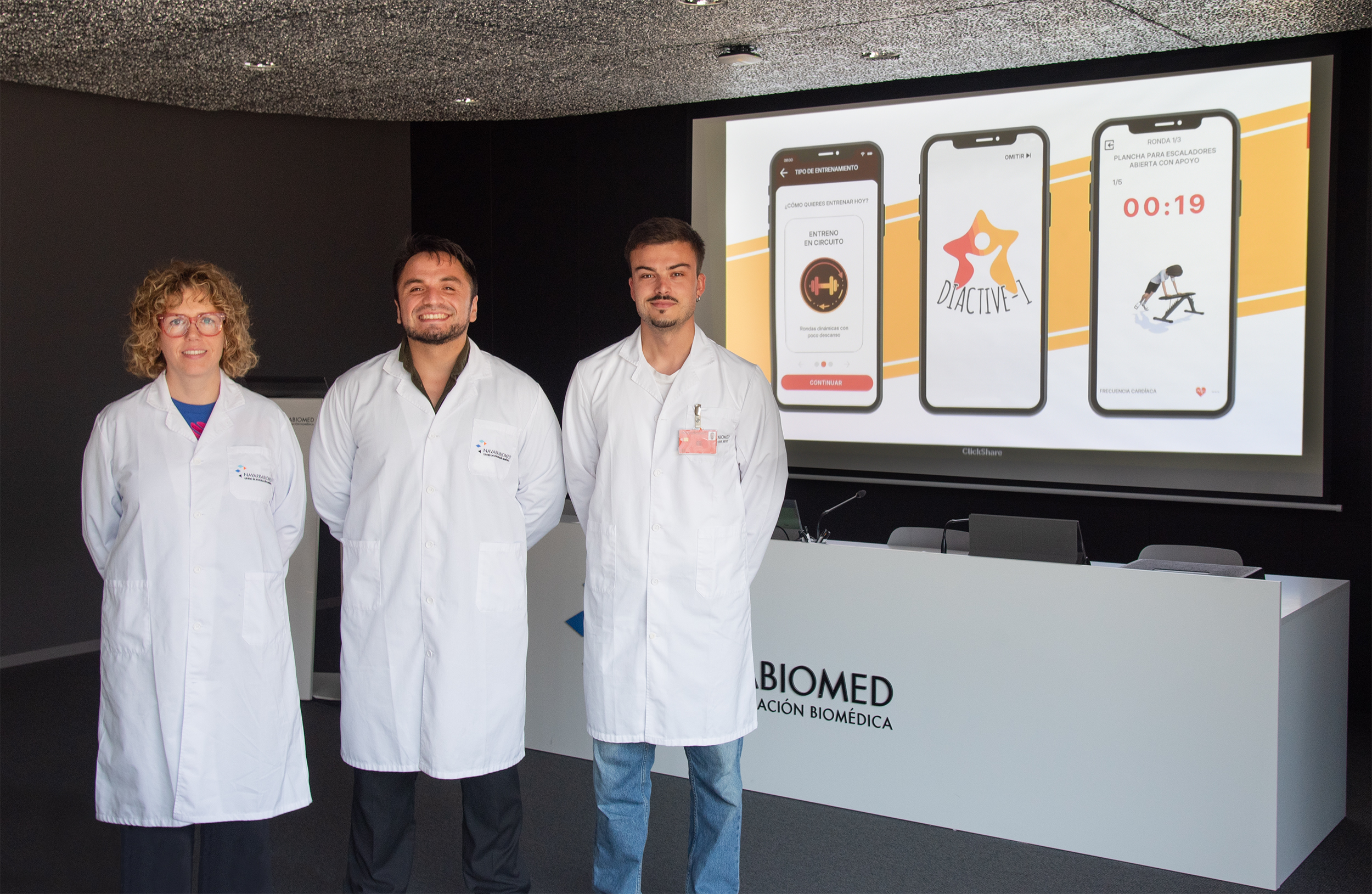
The Navarrabiomed team has developed a comprehensive physical exercise programme using digital health techniques via a mobile app for children and young people with type 1 diabetes. The tool integrates physical activity with the monitoring of different health parameters that enable users to better control their glucose levels, improve their physical fitness, and also improves their ability to control the disease in a positive manner in their daily routine, accompanied by an improvement in their mental health. 

Type 1 diabetes is a chronic disease that often manifests itself at an early age—in Navarra, the average age of diagnosis is 7 years old—and is characterised by the attacking and destruction of the beta cells in the pancreas by the immune system. This action leads to insufficient insulin production and can trigger a dangerous increase in glucose. Every year, between 1,200 and 1,500 new cases of type 1 diabetes are diagnosed in children under the age of 15 in Spain. There are currently 175 people under the age of 15 in Navarra diagnosed with type 1 diabetes. The World Health Organisation lists Spain as one of the countries with a very high incidence of type 1 diabetes in the paediatric age group. 

The research shows that young people with type 1 diabetes have lower levels of muscle strength and a more sedentary lifestyle due to their condition and their fear of hypoglycaemia. The principal investigator of the Physical Activity in Children and Adolescents Unit and tenured professor at the UPNA, Antonio García-Hermoso, highlights the importance of working with these patients during childhood: “Overcoming this challenge involves tailoring exercise routines to each individual case to improve muscle strength and educate patients about how to manage glucose during physical activity, providing them with comprehensive support and follow-up care.”  
 
Participation of 61 minors with type 1 diabetes

The research was conducted between 2022 and 2024 and was funded by the Carlos III Health Institute, and was managed and coordinated by the Miguel Servet-Navarrabiomed Foundation. In the initial phase, Navarrabiomed conducted an epidemiological surveillance study in children and adolescents with type 1 diabetes, examining various health indicators and healthy habits, including physical activity levels and dietary patterns over a three-year period. 

Every year, patients and their families have received an exhaustive report that includes various parameters evaluated in order to raise their awareness of the need to improve or maintain these parameters. After evaluating 83 young people with type 1 diabetes, it was found that only 18% carried out the recommended three muscle-strengthening sessions per week. 

A total of 61 children with type 1 diabetes participated in the randomised controlled trial. Participants were randomly assigned to one of two groups: one group carried out an individualised strength training programme at least three times a week (following WHO and ADA guidelines) for 24 weeks using the Diactive-1 app, and a control group on a waiting list, which received the necessary materials and the app for use at the end of the trial period. The app has over 350 exercises, all guided by a 3D avatar that gives patients detailed instructions during each exercise, specifying the weights, sets, and reps to do.

The study found a significant reduction of 0.17 U/kg in daily insulin doses and a downward trend in glycated haemoglobin in patients compared to the control group that did not use the app. This improvement in glycemic control helps prevent adverse glucose-related events, such as hypoglycaemia, offering greater stability for patients and a reduction in the medication associated with the disease.

In terms of body composition, significant improvements have been achieved in total lean mass and bone mineral content, indicators directly linked to healthy development in children and adolescents with type 1 diabetes. An improvement in muscle strength and power is observed, evidenced by an increase in handgrip strength and a rise of more than 14 percentiles compared to European references according to age and sex.
It is important to note that several participants in the intervention and control groups continue to use the app today, demonstrating a good adherence to the app among children and adolescents. These results indicate that Diactive-1 not only contributes to improving clinical parameters, but also promotes treatment adherence and motivates the study population, establishing itself as an innovative tool with a positive impact on overall health and quality of life, which promotes the empowerment of these patients. 

The results of the study have been published in the scientific journal Diabetes Care under the title Effect of Diactive-1 mHealth-Supported Progressive Resistance Training on Insulin Requirements, Glycemic Stability, and Muscular Strength in Children and Adolescents With Type 1 Diabetes: A Parallel-Group Randomized Controlled Trial. 

The tool has also enabled a detailed record of more than 2,000 physical exercise sessions to be compiled, including data on pre- and post-exercise blood glucose levels, trends, training times, exercises performed and heart rate during the session. This volume of information, combined with machine learning techniques, will allow interventions to be personalised even further, maximising the app’s impact on health and the management of type 1 diabetes.
 
Continuity and sustainability of the project 

During 2024, the research team once again obtained funding from the Carlos III Health Institute to implement the app developed in 11 hospitals: the University Hospital of Navarra (Pamplona / Iruña), University Hospital of Cruces (Barakaldo), Barbastro Hospital (Huesca), San Jorge General Hospital (Huesca), Araba University Hospital (Vitoria-Gasteiz), Marqués de Valdecilla University Hospital (Santander), Cabueñes University Hospital (Gijón), San Millán-San Pedro Hospital (Logroño), Lozano Blesa University Clinical Hospital (Zaragoza), Central University Hospital of Asturias (Oviedo) and Miguel Servet University Hospital (Zaragoza), all of which are members of the Northern Paediatric Endocrinology Group.
This new project, which will be managed by the Healthcare Research Institute of Navarra (IdiSNA), aims to reach more than 200 patients from different geographical contexts, in order to extrapolate and evaluate the data obtained in Navarra and position the Diactive-1 app as a nationwide clinical benchmark tool for the management of type 1 diabetes in children and adolescents. 
 
18th NAOS Strategy Awards, 2024 edition

This project was recently awarded second prize in the Health or Social Care category of the Awards organised by the Spanish Agency for Food Safety and Nutrition, part of the Ministry of Social Rights, Consumer Affairs and the 2030 Agenda. This acknowledgement highlights digital innovation serving children’s health and supports the work of Navarrabiomed's Physical Activity in Children and Adolescents Unit in improving the non-pharmacological management of type 1 diabetes through personalised technological solutions.


Categoría
Galería de imágenes
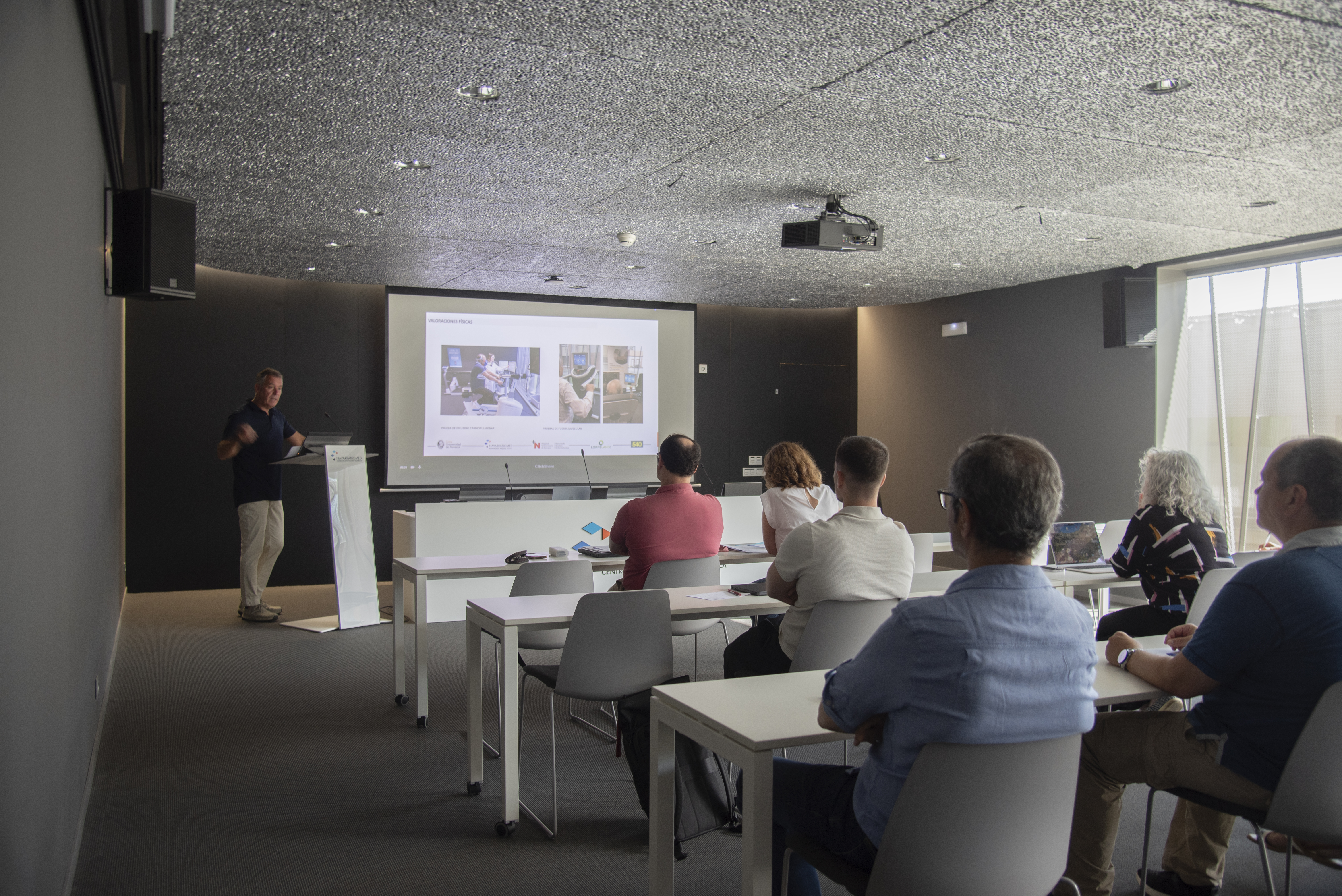
De izda a dcha.: María Chueca, Javier Gómez-Arrue, Fernando Domínguez, Antonio García-Hermoso, Juantxo Remón y el niño Julen Abaurrea.
Download Flecha que indica descarga
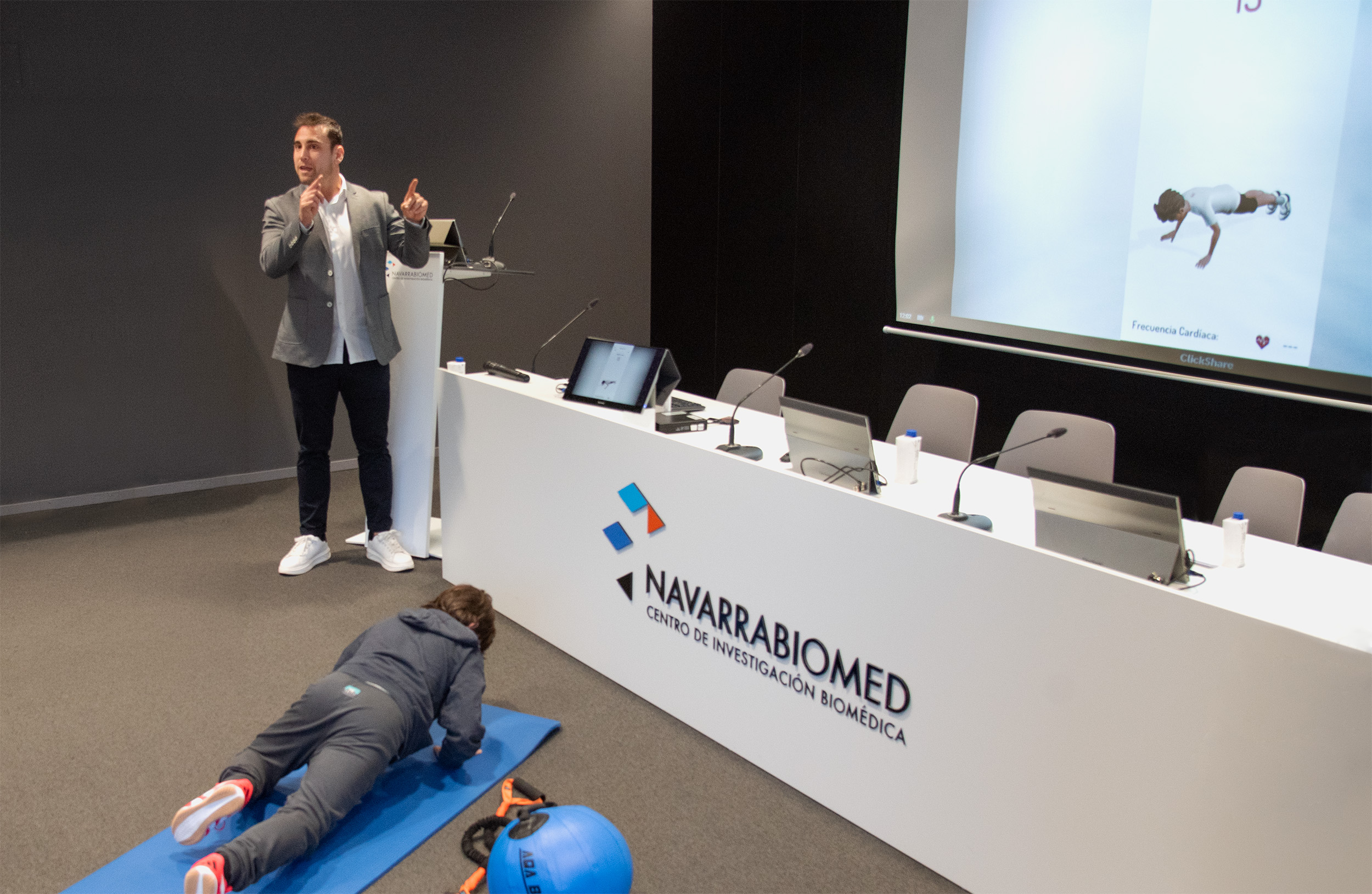
Antonio García Hermoso expone los resultados de DIACTIVE1.
Download Flecha que indica descarga
Julen Abaurrea realizó varios de los ejemplos que propone la aplicación.
Download Flecha que indica descarga
Jacinto Muñoz Pardeza realiza una prueba de esfuerzo a Julen Abaurrea.
Download Flecha que indica descarga
Calorimetría indirecta que permite medir el gasto energético en reposo.
Download Flecha que indica descarga
Prueba de esfuerzo para medir el consumo de oxígeno.
Download Flecha que indica descarga
Documentación
Vídeo

Atención Primaria incorpora ya 200 participantes de Navarra en el estudio nacional Cohorte IMPaCT que busca analizar la salud de la población

Uno de los participantes más jóvenes del estudio posa junto a parte del equipo de Navarrabiomed y SNS-O
Author
Navarrabiomed
  • Con el eslogan “¡Si te llaman, ven!”, Salud recalca la importancia de que la ciudadanía seleccionada participe en el estudio
     

El estudio nacional Cohorte IMPaCT celebra su primer año de andadura en Navarra alcanzando los 200 participantes seleccionados de forma aleatorizada para participar en este proyecto de investigación epidemiológica del Programa de Medicina Predictiva de la Infraestructura IMPaCT (Infraestructura de Medicina de Precisión asociada a la Ciencia y la Tecnología), para comprender y mejorar la salud de la población española. A nivel nacional el estudio ya cuenta con un total de 10.000 personas implicadas. El Departamento de Salud anima a toda la ciudadanía contactada a sumarse a este estudio difundiendo el eslogan “¡Si te llaman, ven! / Deitzen badizute, etorri!”, que permitirá ofrecer un diagnóstico de la salud de la población española durante 20 años. 

La iniciativa, que cuenta con una financiación global de 35 millones de euros, está impulsada por el Instituto de Salud Carlos III, y está coordinada por el Centro de Investigación Biomédica en Red (CIBER). En ella participan 21 instituciones y los servicios de Atención Primaria de todas las comunidades autónomas. Este proyecto permitirá conocer el origen de las principales enfermedades con el fin de ayudar a prevenirlas y tratarlas, y avanzar hacia una medicina personalizada y de precisión. 

En Navarra, Cohorte IMPaCT se gestiona desde el centro de investigación biomédica Navarrabiomed – Fundación Miguel Servet y Atención Primaria del Servicio Navarro de Salud – Osasunbidea es quien coordina y ejecuta el estudio con el centro de salud de Lezkairu como nodo del proyecto. Los doctores Patricia Palacio y Óscar Lecea, investigadora principal y colaborador del estudio, respectivamente, lideran el equipo de trabajo formado por tres técnicos. Además, el proyecto cuenta con la colaboración de una enfermera del CS de Lezkairu y varios médicos del Centro de Salud de Mutilva / Mutiloa, así como con el apoyo de la Gerencia de Atención Primaria.
 

Estudio pionero

El Departamento de Salud insiste en la importancia de participar en el estudio, ya que los datos que se obtendrán en Cohorte IMPaCT permitirán a la comunidad científica conocer mejor cómo prevenir las principales enfermedades y el deterioro asociado a la edad, las lesiones y la discapacidad. Disponer en España de un registro dinámico de datos individuales y poblacionales, clínicos, genéticos, epidemiológicos y de hábitos de vida, facilitará desarrollar modelos predictivos de enfermedad, identificar las desigualdades en salud, monitorizar indicadores clave y evaluar el impacto de políticas sanitarias.

Las personas seleccionadas por el SNS-O recibirán un mensaje de texto indicándoles que les contactarán desde el centro de salud de Lezkairu invitándoles a participar en el estudio y un enlace a la web informativa donde podrán encontrar todos los detalles. El mensaje tendrá como destinatario “Salud Comunicaciones” y tendrá el siguiente texto, tanto en su versión en castellano como en euskera:

[Nombre +iniciales apellidos]: Estamos realizando un estudio sobre salud de la población navarra Cohorte IMPaCT. Te llamaremos del Centro de Salud de Lezkairu para invitarte a participar. + información:  portalsalud.navarra.es/es/cohorte
[Izena + hasierako abizenak]: Nafarroako biztanleriaren osasunari buruzko azterlan bat egiten ari gara IMPaCT Kohortea. Lezkairuko Osasun Zentroak parte hartzera gonbidatzeko deituko dizu. Informazio +:  portalsalud.navarra.es/eu/kohortea
Implicación de 4.000 personas

Hasta el año 2029 se prevé la incorporación de otras 3.800 personas residentes en Navarra, de entre 16 y 79 años, de las cuatro zonas básicas de salud seleccionadas: Lezkairu, Segundo Ensanche, Milagrosa y Valle de Aranguren. Para garantizar una fiel representación de la población española, los y las participantes son elegidos al azar, bajo los mismos criterios en todas las comunidades autónomas. 

Al comienzo de su participación y una vez cada cinco años, se les realizará en el centro de salud de Lezkairu un completo examen físico, responderán a un detallado cuestionario de salud y se les realizará una toma de muestras biológicas. Además, se realizarán contactos de seguimiento más frecuentes por teléfono o mediante aplicaciones móviles. Toda esta información se completará con la que hay disponible en las bases de datos clínicas o estadísticas del SNS-O. 

Categoría
Galería de imágenes
Realización de una de las pruebas del estudio.
Download Flecha que indica descarga
Uno de los participantes más jóvenes del estudio posa junto a parte del equipo de Navarrabiomed y SNS-O
Download Flecha que indica descarga
Imagen en consultas del centro de salud de Lezkairu.
Download Flecha que indica descarga
Documentación
Vídeo

Navarra consigue por primera vez financiación del programa “Línea FID” del Ministerio de Ciencia, Innovación y Universidades para el fomento de la innovación desde la demanda

Consejeros junto a Marian Montes, Agurtzane Martínez y resto del equipo de Navarrabiomed
Author
Navarrabiomed


Navarrabiomed lidera el proyecto que se desarrollará en el entorno biosanitario y que refuerza el posicionamiento de la Comunidad foral como región innovadora


El Ministerio de Ciencia, Innovación y Universidades ha concedido a Navarra financiación para el desarrollo del proyecto INNOVAP3M, a través de la convocatoria de la “Línea FID” para el fomento de la innovación desde la demanda, y en el marco de los Fondos Europeos de Desarrollo Regional (FEDER). Se trata de la primera vez que la Comunidad Foral accede a esta financiación competitiva del Ministerio de Ciencia, Investigación y Universidades, que permitirá reforzar el posicionamiento en materia de innovación a nivel nacional buscando, desde Navarrabiomed – Fundación Miguel Servet, nuevas soluciones tecnológicas destinadas al ámbito biosanitario.

El proyecto, que gestionará y coordinará el centro de investigación biomédica, permitirá desarrollar tecnología especializada para la purificación y producción de moléculas pequeñas. Su objetivo es facilitar su utilización en investigación clínica de manera ágil, sostenible y a un precio asequible para los grupos de investigación y los grupos clínicos de los sistemas públicos de salud. Esta iniciativa se llevará a cabo durante los próximos cuatro años y por valor de cinco millones de euros, gracias a la colaboración del Gobierno de Navarra, a través del Departamento de Salud y del Departamento de Universidad, Innovación y Transformación Digital. 

El proyecto de Compra Pública de Innovación consistirá en una licitación pre-comercial, en la cual las empresas podrán concurrir y presentar sus soluciones para cocrear la plataforma con la Unidad de investigación de Oncoinmunología de Navarrabiomed. El consejero de Salud, Fernando Domínguez, ha puesto de manifiesto la trascendencia del proceso para el sistema sanitario público: “Es la primera vez que nuestra comunidad opta a esta financiación, posicionándonos a nivel nacional como región innovadora en la búsqueda de soluciones tecnológicas destinadas a, en última instancia, mejorar el tratamiento de nuestros pacientes. Agilizar el desarrollo de moléculas pequeñas permitirá el desarrollo de ensayos clínicos en fase clínica en la sanidad pública, un beneficio que, sin duda, redundará en la salud de todos”.  

Por su parte, el consejero de Universidad, Innovación y Transformación Digital, Juan Luis García, ha puesto en valor “el potencial de la Compra Pública de Innovación como una herramienta clave para impulsar el desarrollo de soluciones innovadoras desde el sector público, avanzando en la investigación sanitaria y generando un impacto positivo en toda la sociedad navarra”.
 

Solución tecnológica

Navarrabiomed ha detectado la falta de disponibilidad, por parte de los grupos de investigación y grupos clínicos de los sistemas públicos de salud, de moléculas pequeñas en grado clínico y cantidad suficiente como para poder continuar con las investigaciones clínicas pertinentes.

Javier Gómez-Arrue, director de Navarrabiomed, explica la trascendencia del nuevo desarrollo: “En investigación se necesita una plataforma que permita la purificación y producción de moléculas pequeñas en grado clínico a escala semi-industrial para poder acceder a la investigación clínica. Este hecho, incorpora en Navarra una plataforma que permite disponer de toda la infraestructura necesaria para las fases iniciales del ciclo de desarrollo de nuevos fármacos y cierra el ciclo completo desde la idea, testado y producción industrial de estas nuevas moléculas. Supone un gran desafío para el sistema, ya que se trata de una necesidad creciente detectada a nivel general en el sector y todavía no se dispone de una solución adecuada implantada bajo estándares de calidad y seguridad exigidos por la European Medicines Agency (EMA)”. 
 

Caso de uso: la oleuropeína

La solución se centrará en un caso de uso inicial de Navarrabiomed con oleuropeína, un compuesto fenólico presente en la hoja y el fruto del olivo. Esta molécula, combinada con inmunoterapias tradicionales en ensayos pre-clínicos en ratones, mejora las respuestas clínicas en modelos animales resistentes a inmunoterapias de bloqueo PD-1/PD-L1. El hallazgo de la Unidad de Oncoinmunología de Navarrabiomed se publicó en 2024 en la revista British Journal of Cancer y, actualmente, ya se ha presentado la solicitud de patente. 

En relación al caso de uso, cabe señalar que moléculas como la oleuropeína a escala semi-industrial permitirá en oncología el desarrollo de inmunoterapias más dirigidas potenciando las respuestas antitumorales en diferentes tipos de cáncer de los que puedan beneficiarse un mayor número de pacientes.

Categoría
Galería de imágenes
Visita a la Unidad de Oncoinmunología.
Download Flecha que indica descarga
El investigador David Escors expone a los consejeros el caso de uso.
Download Flecha que indica descarga
La investigadora Luisa Chocarro da a conocer los detalles del estudio.
Download Flecha que indica descarga
Documentación
Vídeo

Ibone Labiano recibe una ayuda postdoctoral de la Asociación Española Contra el Cáncer en Navarra dotada con 160.000 euros

Ruth Vera e Ibone Labiano
Author
Navarrabiomed
  • La Asociación ha adjudicado en Navarra un total de 9 de ayudas por 1.062.655 euros en 2024


La Asociación Española Contra el Cáncer en Navarra ha presentado esta mañana un total de 9 ayudas por 1.062.655 euros adjudicadas en 2024 en la comunidad foral, y sumando años anteriores hay en total, actualmente en Navarra 47 ayudas en desarrollo con una aportación total de 10.284.688 €. La investigadora de Navarrabiomed Ibone Labiano ha recibido una de las ayudas por valor de 160.000 euros.  

Ibone Labiano forma parte de la Unidad de Oncología Médica Traslacional y en ella investiga las características distintivas del cáncer gastrointestinal de aparición temprana con el objetivo de mejorar el pronóstico y calidad de vida del paciente joven. La investigadora se ha mostrado agradecida e ilusionada por el apoyo de la Asociación, que le permite continuar con su investigación en Navarrabiomed: “Mi proyecto se centra en el cáncer gastrointestinal de aparición temprana, aquel que se diagnostica en pacientes menores de 50 años, y tiene como objetivo mejorar su pronóstico y calidad de vida”. 

En el acto también han recibido sendas ayudas Sofía Huerga, Paula Rodríguez y Maite Losarcos de UNAV-CCUN; así como a Julio José Jiménez, Iratxe Ugarte, Maite Huarte, Adrián Gil y Miryam Vacas de CIMA-CCUN.
 

Apoyo a la investigación oncológica

La investigación oncológica es una prioridad, ya que en España se diagnostica un caso de cáncer cada 2 minutos, y 1 de cada 2 hombres y 1 de cada 3 mujeres tendrá cáncer a lo largo de su vida. En la comunidad de Navarra fueron diagnosticados en 2024 4.084 casos nuevos de cáncer. La Asociación en Navarra atendió en 2024 a 2.487 personas a través de sus servicios gratuitos atendidos por profesionales

Estas ayudas, como todas las que impulsa la Asociación, tienen como principal objetivo aumentar la supervivencia en cáncer para superar el 70% en el año 2030, mejorar los tratamientos que reciben los pacientes y mejorar su calidad de vida. 

Las Ayudas AECC 2024 cubren todas las fases de la carrera investigadora y sus líneas estratégicas son: 

  • Aumentar la financiación con especial foco en cánceres de baja supervivencia. 
  • Atraer el talento investigador para fomentar la estabilidad laboral de los investigadores. 
  • Impulsar la innovación y la investigación clínica para que los resultados lleguen al paciente. 
     

Reto AECC 70%

Por último, en el acto se han presentado a los grupos navarros que participan dentro de los proyectos de Reto AECC 70% Supervivencia, enfocados en la investigación de cánceres de baja supervivencia. Ésta es la mayor ayuda para investigar tumores de baja supervivencia como los cánceres de pulmón y de hígado y contribuye al objetivo de la Asociación para superar el 70% de supervivencia en cáncer en 2030: un total de 18 millones de euros a escala nacional. 

Una ayuda para la investigación del cáncer de pulmón de células pequeñas por un importe de 10 millones de euros y con una amplia representación geográfica; y una ayuda para la investigación del cáncer de hígado con una inversión de 8 millones de euros. 

Categoría
Galería de imágenes
Foto de familia con representantes de AECC y personas beneficiarias.
Download Flecha que indica descarga
Ruth Vera entrega la ayuda a Ibone Labiano.
Download Flecha que indica descarga
Imanol Arozarena moderó la mesa redonda sobre los proyectos financiados.
Download Flecha que indica descarga
Ibone Labiano durante su intervención.
Download Flecha que indica descarga
Coloquio con investigadoras.
Download Flecha que indica descarga
Beneficiarios/as de las Ayudas AECC 2024.
Download Flecha que indica descarga
Documentación
Vídeo

Nidia Huerta Uribe defenderá su tesis doctoral el viernes, 10 de enero

Nidia Huerta Uribe
Author
Navarrabiomed

Nidia Huerta Uribe, investigadora predoctoral de la Unidad de Actividad Física Infanto-juvenil, realizará la lectura de su tesis doctoral por la Universidad Pública de Navarra el viernes, 10 de enero, de 2025 a las 12:00 h, en el salón de actos de Navarrabiomed.

El trabajo doctoral, que lleva por título “Associations of physical activity, sedentary behavior and physical fitness with glycemic and cardiometabolic health in youth with type 1 diabetes”, ha sido desarrollado en Navarrabiomed bajo la dirección del Dr. Antonio García Hermoso, Investigador principal de la Unidad de Actividad física infanto-juvenil y profesor titular de la UPNA.
 

Investigación desarrollada

Esta tesis doctoral ha aportado valiosa evidencia sobre la relación entre la actividad física, el comportamiento sedentario, la aptitud cardiorrespiratoria y la fuerza muscular y la composición corporal, el control glucémico y los factores de riesgo cardiovascular en niños y adolescentes con diabetes tipo 1. Este estudio subraya los beneficios de un estilo de vida activo y una mejor forma física cardiorrespiratoria y muscular, especialmente en cuanto al control de la hemoglobina glucosilada, que es el parámetro de control clínico y pronóstico más importante de la enfermedad. Además, la fuerza de prensión manual se identificó como un parámetro clínico clave relacionado con mejor composición corporal, control glucémico y menor riesgo cardiometabólico a largo plazo.

El trabajo también documenta los efectos negativos del comportamiento sedentario, observando que los jóvenes con diabetes tipo 1 presentan niveles más bajos de actividad física y aptitud cardiorrespiratoria que aquellos sin la enfermedad, y que son más sedentarios en general.

Con base en estos hallazgos, la investigadora Nidia Huerta recomienda la implementación de estrategias más robustas para promover la actividad física entre estos jóvenes, incluyendo actividades que fortalezcan los músculos y los huesos, como parte fundamental de su tratamiento. Estas estrategias deben integrarse en la práctica clínica diaria y en la educación de los y las pacientes. Se propone también la inclusión de la medición de la fuerza de prensión manual en la práctica clínica habitual, como una herramienta de evaluación de la composición corporal saludable y el riesgo cardiometabólico en estos pacientes.
 

Financiación y difusión de resultados

Durante los tres años de doctorado, Nidia Huerta ha sido beneficiaria de la beca INPhINIT de la Fundación “la Caixa” y de una ayuda de movilidad predoctoral internacional 2023 del Gobierno de Navarra como apoyo extra para su estancia internacional en el Centro de Investigación en Actividad Física, Salud y Ocio, de la Facultad de Ciencias del Deporte de la Universidad de Oporto, Portugal.

Los resultados de la investigación desarrollada han dado lugar a cuatro publicaciones científicas en Diabetes Research and Clinical Practice, Scandinavian Journal of Medicine & Science in Sports, Sports Medicine y BMJ Open Sport & Exercise Medicine. Además, se han dado a conocer en congresos nacionales e internacionales mediante dos comunicaciones orales y cuatro pósters científicos.


Categoría
Galería de imágenes
Nidia Huerta UribeNidia Huerta Uribe
Download Flecha que indica descarga
Portada tesis Nidia Huerta
Download Flecha que indica descarga
Documentación
Vídeo

Navarrabiomed programa una visita para estudiantes interesados en la investigación biomédica el jueves, 21 de noviembre

Visita estudiantes
Author
Navarrabiomed

•    La actividad está dirigida a alumnado de bachillerato de ciencias, universidad o formación profesional


Navarrabiomed oferta una visita dirigida a estudiantes de bachillerato interesados en la investigación biomédica y biotecnológica, así como a estudiantes que actualmente estén cursando grados universitarios y de formación profesional en el ámbito de la salud. La sesión tendrá lugar el jueves, 21 de noviembre a las 16:30 horas y comenzará en el salón de actos del centro (plazas limitadas).

Durante la sesión podrán conocer las salidas profesionales que existen en el ámbito de la investigación biomédica y conocerán de la mano de investigadores e investigadoras del centro las instalaciones en grupos reducidos. 

Inscripciones - Todas las personas interesadas en asistir deberán inscribirse en el siguiente formulario. 
Las plazas se asignarán por riguroso orden de inscripción. 
 

Esta actividad forma parte de las actividades que Navarrabiomed desarrolla en el marco de las Semanas de la Ciencia, la Tecnología y la Innovación 2024. 

Categoría

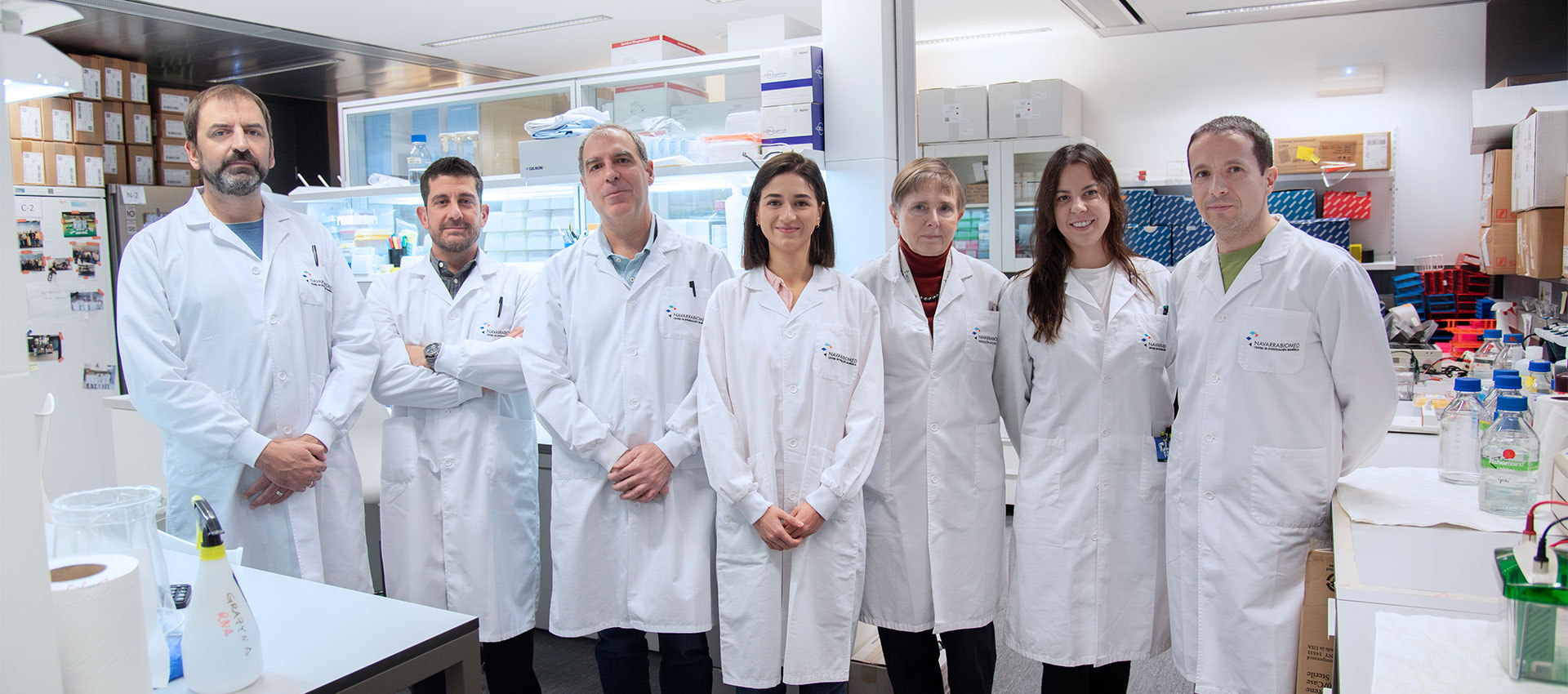
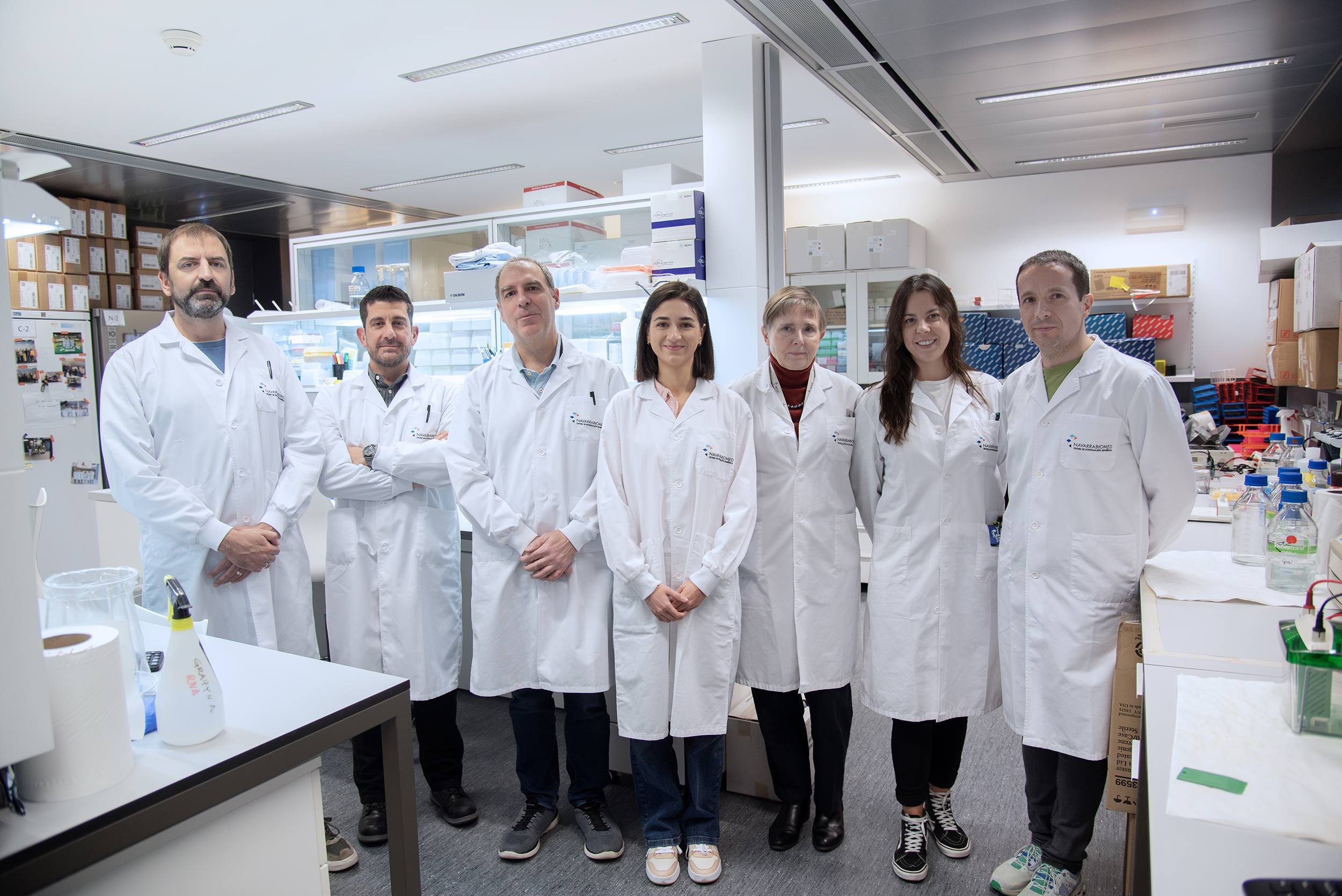
Navarrabiomed identifies CBL ubiquitin ligases as novel therapeutic targets in non-responder patients to conventional immunotherapies

Equipo de investigación Navarrabiomed
Author
Navarrabiomed

•    Researchers have reverted PD-1/LAG-3-mediated resistance and tripled survival in mouse cancer models.  


Researchers from the OncoImmunology Unit of Navarrabiomed have identified one of the major mechanisms of resistance to PD-1/PD-L1 blockade immunotherapy, achieving a 3-fold survival increase in mouse models of lung cancer. This study provides a highly detailed map of novel therapeutic targets, among which they found CBL ubquitin ligases. These results will allow the development of treatments that could benefit cancer patients resistant to conventional therapies.

The study led by Drs David Escors and Grazyna Kochan has been published in the prestigious scientific Journal “EMBO Molecular Medicine”. 

Novel map of therapeutic targets

Cancer immunotherapies are treatments that potentiate immune defenses of the patient (immune system) so that they recognize and eliminate tumors. However, a large number of patients do not respond to conventional treatments because one key type of immune cell (T-cell) simply do not work. 
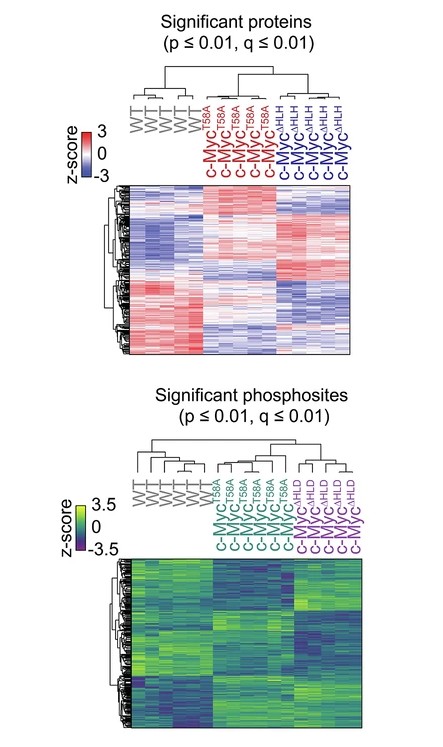
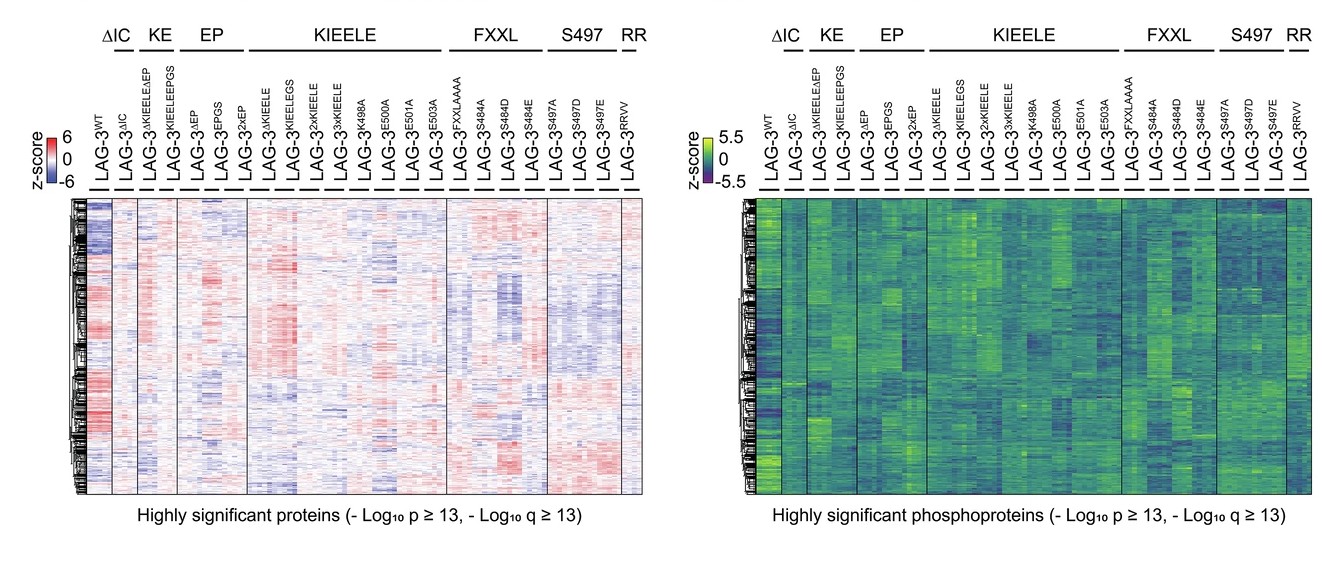
The research carried out in Navarrabiomed has characterized the mechanisms of lymphocyte dysfunctionality in lung cancer patients, using Omics data, proteomic and molecular techniques in cell lines, T cells from patients and mouse. More specifically, the signaling mechanisms of PD-1 and LAG-3 (two immune checkpoint molecules) have been elucidated. These molecules are expressed in T cells from cancer patients, and inhibit their anti-tumor capacities. 

It has to be remarked that so far, the mechanisms by which PD-1 and LAG-3 cooperate to protect cancers were unknown. Accordingly, the OncoImmunology team has uncovered for the first time the molecular activities of the PD-1/LAG-3 signaling pathways in the immune system of patients. During the investigation, data from more than 40 different human cancers have been studied, adding a significant medical and scientific value to the study. Indeed, the generated map of therapeutic targets will open new options for clinical practice.

As a proof of principle, the authors of the study selected one of the multiple identified targets, the CBL ubiquitin ligases. The use of CBL inhibitors combined with immunotherapy antibodies tripled survival in mouse models of lung cancer resistance to conventional therapies, reverting resistance mediated by PD-1 y LAG-3. Although this study has been focused in lung cancer, the results could be applied to other cancer types.

Multidisciplinar research team and funding

The study is part of the PhD thesis of Luisa Chocarro from the Oncoimmunology Unit of Navarrabiomed, with the participation of Ester Blanco from the same unit.  Luisa Chocarro remarks that “these results will allow a better understanding of the complex mechanisms underlying resistance to immunotherapies. Moreover, they will help the development of targeted therapies counteracting these mechanisms so that more cancer patients can benefit from the treatments”.

The research was carried out in close collaboration with the Proteomics Platform from Navarrabiomed, the Medical Oncology Unit of Hospital Universitario de Navarra, and the biotechnology company Crescendo Biologics. This study was financed by Asociación Española Contra el Cáncer, Instituto de Salud Carlos III, Government of Navarre and ISOLDA grant from the European Union Horizon 2020 programme. 


Galería de imágenes
artínez, Miriam Echaide Gorriz, Grazyna Kochan, Luisa Chocarro de Erauso, Joaquín Fernández Irigoyen, Karina Ausín Pérez, David Escors Murugarren
Download Flecha que indica descarga
Fluorescence microscopy pictures of living T-cells expressing constitutive PD-1 (green), LAG-3 (red) or both (yellow) signalling.
Download Flecha que indica descarga
PD-1 and LAG-3 co-blockade immunotherapies in combination with CBL-B inhibition exert significant in vivo therapeutic efficacy.
Download Flecha que indica descarga
Documentación
Vídeo

The Hospital Universitario de Navarra treats more than 1000 couples with fertility problems every year

Consulta ReproNAGEN
Author
Navarrabiomed

Tomorrow, the 4th of June, is World Fertility Day, which aims to raise awareness of reproductive problems and recent progress in this field, such as the ReproNAGEN project.


The Assisted Reproduction Unit of the Obstetrics and Gynaecology Department at the Hospital Universitario de Navarra treats close to 1000 couples with difficulties conceiving naturally, or who have experienced repeated miscarriages, every year. Every 4th of June, World Fertility Day, which was established by the World Health Organisation, highlights the reproductive process and infertility problems experienced by 1 out of every 6 adults at some point in their life, as well as recent breakthroughs in this field, such as the ReproNAGEN project

Causes by sex and treatments offered

The most common causes in women are pelvic endometriosis, Fallopian tube disorders and low ovarian reserve. Moreover, the age of the women is of particular importance as it affects both the quantity and quality of her eggs. The mean age for first-time mothers is currently 32.1 years and the group women aged 35 or more years who are mothers make up 42.1% of all patients. The search to become pregnant at more advanced ages entails a high incidence of reproductive failure in terms of both natural fertility and the use of assisted-reproduction techniques. 

With regard to causes in men, changes to semen quality affect the optimal levels of sperm concentration, as well as their motility and/or morphology. There may also be mixed causes in both sexes. 

Jesús Zabaleta, head of the Assisted Reproduction Unit at the HUN, offers a summary of the activities carried out by the Unit: “Of the 1000 couples that we treat, around 600 undergo different reproduction treatments each year and half of these manage to become pregnant” 
The most common treatment options to reverse the sterility detected include surgery, stimulation of ovulation, artificial insemination and in vitro fertilisation (IVF). In 2023, IVF processes were performed in 62% of cases attended at the HUN and artificial insemination techniques in 48%. 
 

Genome sequencing in fertility 

Navarra is the only Autonomous Community to offer genome sequencing in the field of assisted reproduction, via the strategic ReproNAGEN project. The biomedical research centre Navarrabiomed, in collaboration with the HUN, has been leading this initiative since 2022, with the aim of diagnosing the genetic causes of reproductive failure in highly complex patients by way of whole family genome sequencing. Specifically, couples with recurring implantation failure, patients with repeated miscarriages, and those with poor embryo quality. In addition to genome sequencing, the Unit offers preconception screening and a pharmacogenetic study to ensure a personalised clinical approach in all cases.

“A total of 90 couples have participated in the study to date and the reproductive problems have been overcome in 20% of them, with 18 pregnancies”, notes Jesús Zabaleta, who is also the Principal Investigator for the project. ReproNAGEN expects to include a further 50 couples before December, when the study will finish, and the results obtained will be analysed to evaluate their transfer into clinical practice. 

The ReproNAGEN is funded by the Department of Industry and Ecological and Digital Business Transition of the Regional Government of Navarra, via the call for proposals for strategic R&D projects that promote high-impact initiatives aligned with the sectors identified in Navarra’s Smart Specialisation Strategy (S4).

Categoría
Galería de imágenes
Ane Miren Sagardia and Jesús Zabaleta attend to a couple participating in the ReproNAGEN study
Download Flecha que indica descarga
Details of genetic counseling performed in ReproNAGEN.
Download Flecha que indica descarga
Jesús Zabaleta and Sara Ciria consult the results of one of the participating couples.
Download Flecha que indica descarga
Graphic panel of the ReproNAGEN study.
Download Flecha que indica descarga
Professionals from the HUN Assisted Reproduction Unit.
Download Flecha que indica descarga
Professional laboratory of the HUN.
Download Flecha que indica descarga
Documentación
Vídeo

Navarrabiomed develops its own public infrastructure on genomic data for health and research purposes

Representantes del consorcio de NAGENdata
Author
Navarrabiomed
  • This is the NAGENdata initiative, financed by the Government of Navarra, which will allow the SNS-O to promote personalized and precision medicine in Navarra

The Navarrabiomed biomedical research centre leads the implementation of the NAGENdata project, which aims to develop an infrastructure for sharing genomic data associated with the Navarra Genome Program (NAGEN Program) under criteria of privacy, security, sustainability and circular economy. This initiative in personalized medicine, financed by the Government of Navarra, will also contribute to promoting the health of citizens and promoting health research with a gender dimension.

During its three years, a total of more than 40 professionals with multidisciplinary profiles and links to seven entities will participate: Hospital Universitario de Navarra (HUN), Universidad Pública de Navarra (UPNA), ADItech (coordinator of the R&D&I system in Navarra), the public company NASERTIC, the companies Ysium Medical and Data Value Management, and Navarrabiomed - Fundación Miguel Servet as project leader. The latter will coordinate the participation of professionals from the Genomic Medicine Unit and Biobank at Navarrabiomed and the teams involved from the Medical Genetics, Neurology and Anatomical Pathology Departments at the HUN.

NAGENdata will create a specialized infrastructure that will allow healthcare and research professionals to remotely access and interact with anonymised genomic and clinical data, and will allow connections to similar national and international repositories. In addition, it is expected that the infrastructure will host tools that would allow connection from the SNS-O in the future, thus promoting the reuse of these data for healthcare purposes. The project will also be available to the general public, since they will be able to access a simplified version of the general data contained on the platform. All this within a framework of compliance with the law and guarantee of patient privacy.


Data associated with the NAGEN program 

NAGENdata follows the guidelines of the new European Health Data Space (EHDS) of the European Commission and the Comprehensive Personalized Medicine Strategy of the Government of Navarra, which recognize the reuse of genomic data as an essential tool for producing value-added results for healthcare, research and economic development from translational research projects. 

Navarrabiomed has been developing the NAGEN Program since 2016, and it is also funded by previous calls for the GEMA challenge, which has aimed to implement the use of highly complex genomic sequencing in the SNS-O. Specifically, the program has resulted in six strategic projects that have collected nearly 3000 patient genomes and exomes, clinically interpreted together with their associated clinical and phenotypic descriptors in different health scenarios: diagnosis of rare diseases (NAGEN1000), pharmacogenetics (PharmaNAGEN), complex common disease (NAGENCOL), acute and emergency healthcare in paediatrics (NAGENpediatrics), personalised prevention and population health (NAGEN-Mx), and infertility and reproductive medicine (ReproNAGEN). 

These projects have allowed the development and consolidation of methodologies, processes and infrastructure necessary for the development of cutting-edge technology in Navarra and have provided necessary clinical evidence on the multiple uses of genomic medicine in the SNS-O. All of this has allowed Navarra to become an example of regional development in personalized medicine at the European level. 

Virginia García Solaesa, specialist in the Medical Genetics Department at the Hospital Universitario de Navarra, is part of the Genomic Medicine Unit at Navarrabiomed – Miguel Servet Foundation as Principal Investigator of NAGENdata and coordinator of the project consortium. García stresses the added value provided by this collection of data: “Thanks to the professionals involved, the Government of Navarra and the collaboration of the people who have participated in previous NAGENs, we have a collection of data of great scientific value. It is time to make it available to the scientific community and to the patients themselves, to the general public, with all the guarantees regarding their privacy and security; so that it can give back to the system and lead to the development and optimization of new therapies and drugs.” 

NAGENdata is part of the call for grants to carry out Strategic R&D Projects in the field of personalized medicine of the Government of Navarra 2023 from the the Department of Industry and Ecological and Business Digital Transition of the Government of Navarra, as part of the GEMA VII challenge, and has received a contribution from the Government of Navarra of 830,813 euros.  
 

Categoría
Galería de imágenes
Virginia García interviene en la reunión de consorcio.
Download Flecha que indica descarga
Reunión de consorcio de Navarrabiomed.
Download Flecha que indica descarga
Representantes del consorcio de NAGENdata.
Download Flecha que indica descarga
Documentación
Vídeo