Noticias

A genetic study reveals how viruses that infect bacteria, protect themselves and at the same time, safeguard their hosts

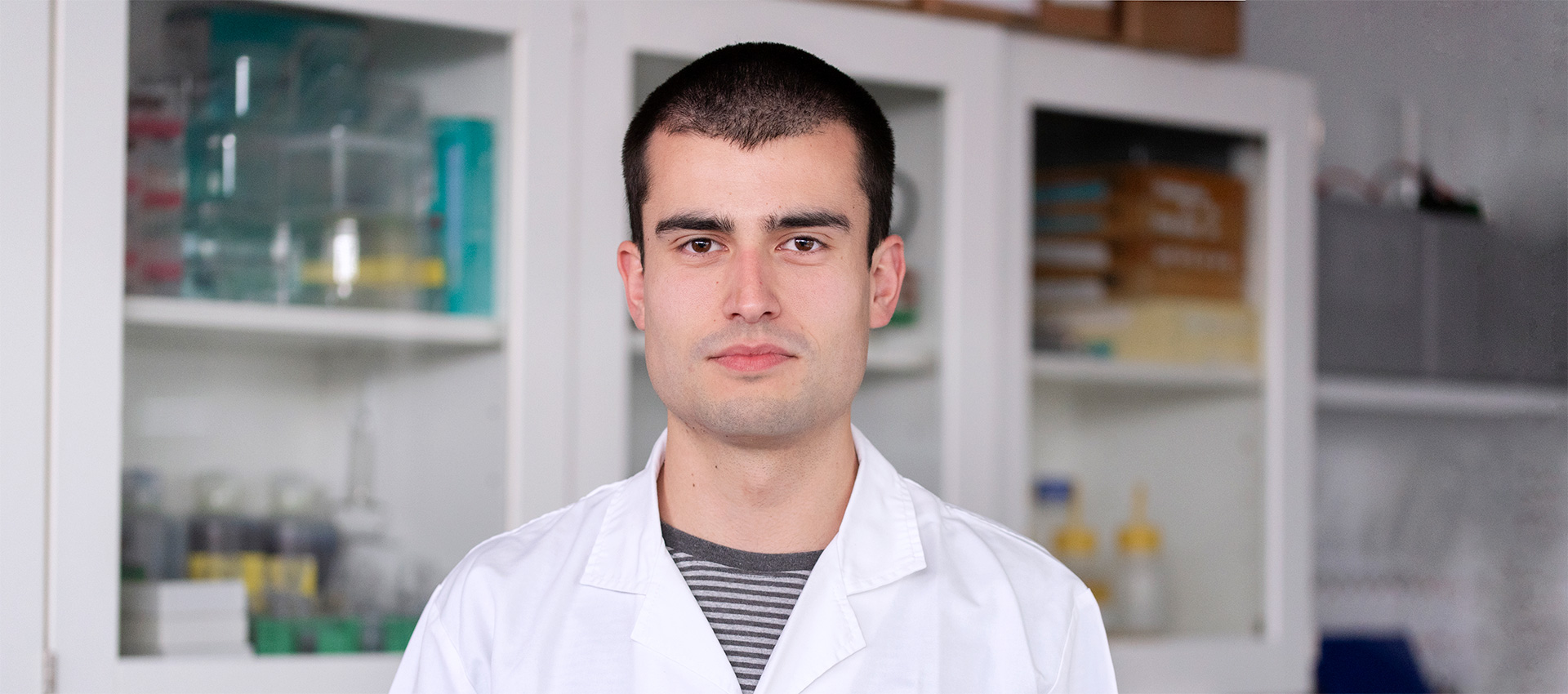
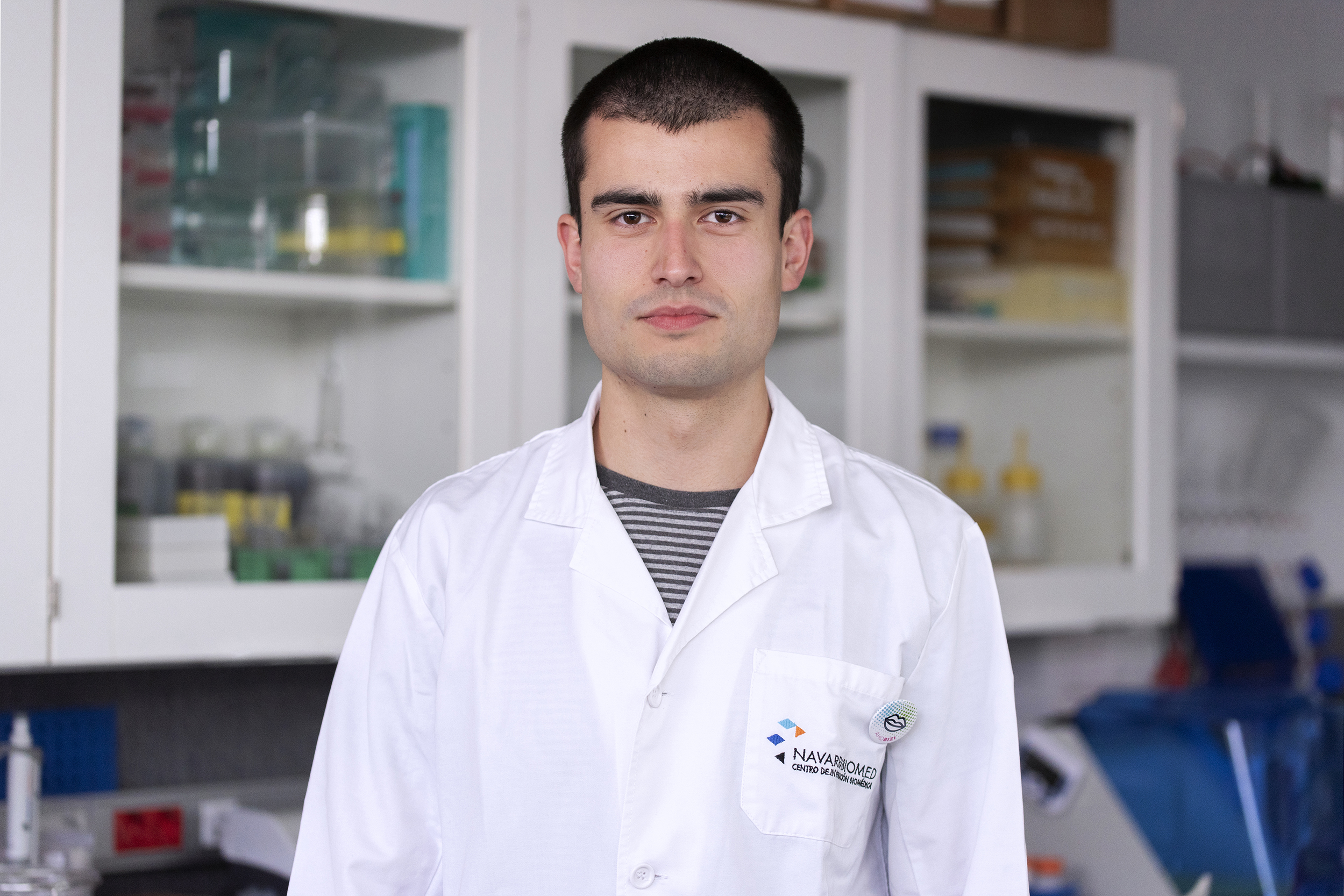
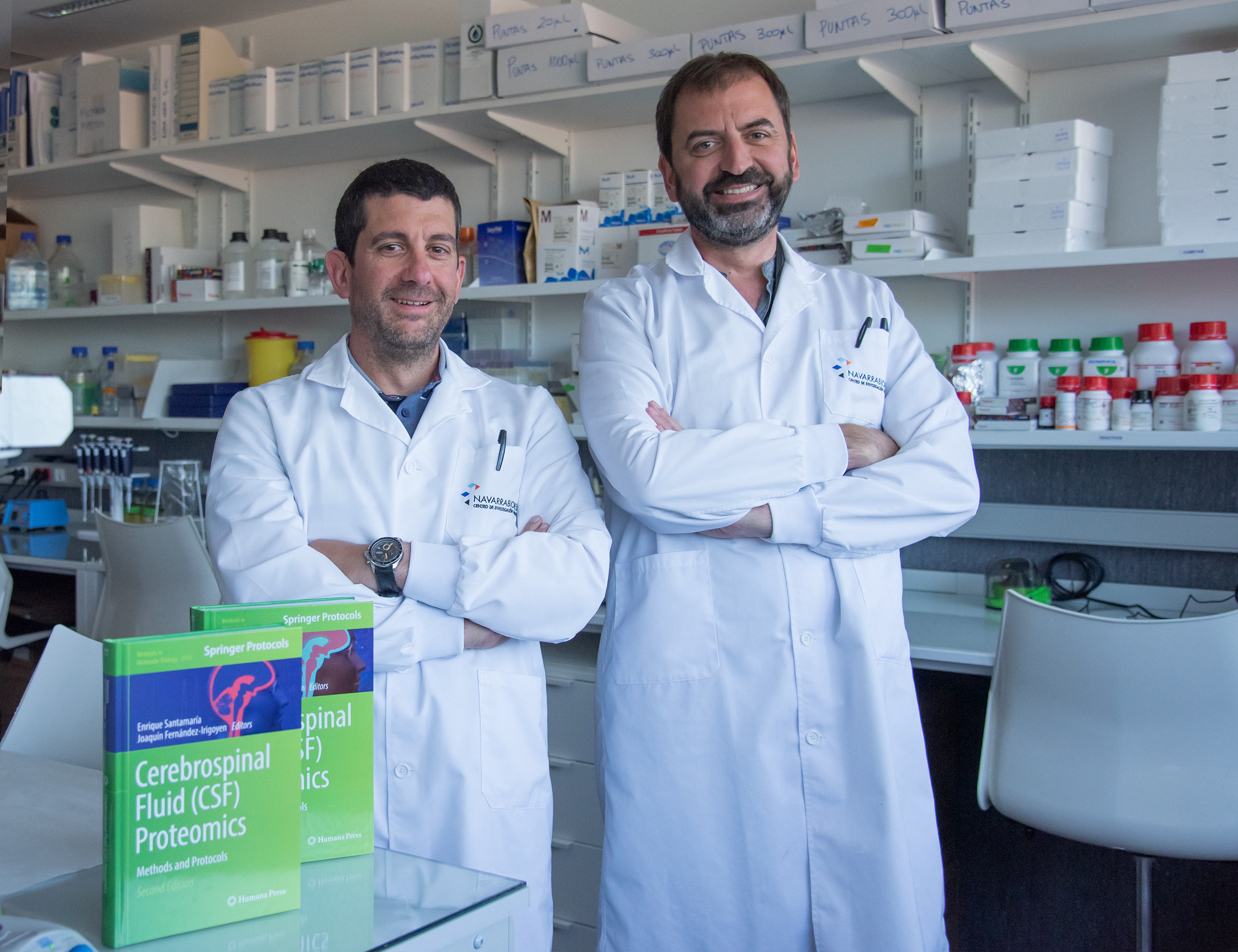
Pablo Iturbe eta Iñigo Lasa
Author
Navarrabiomed

The biologist Pablo Iturbe is awarded a doctorate at UPNA with research published in the journal “Nature Microbiology” that opens avenues to develop strategies that allow the resistance of bacteria to destruction by viruses to be overcome


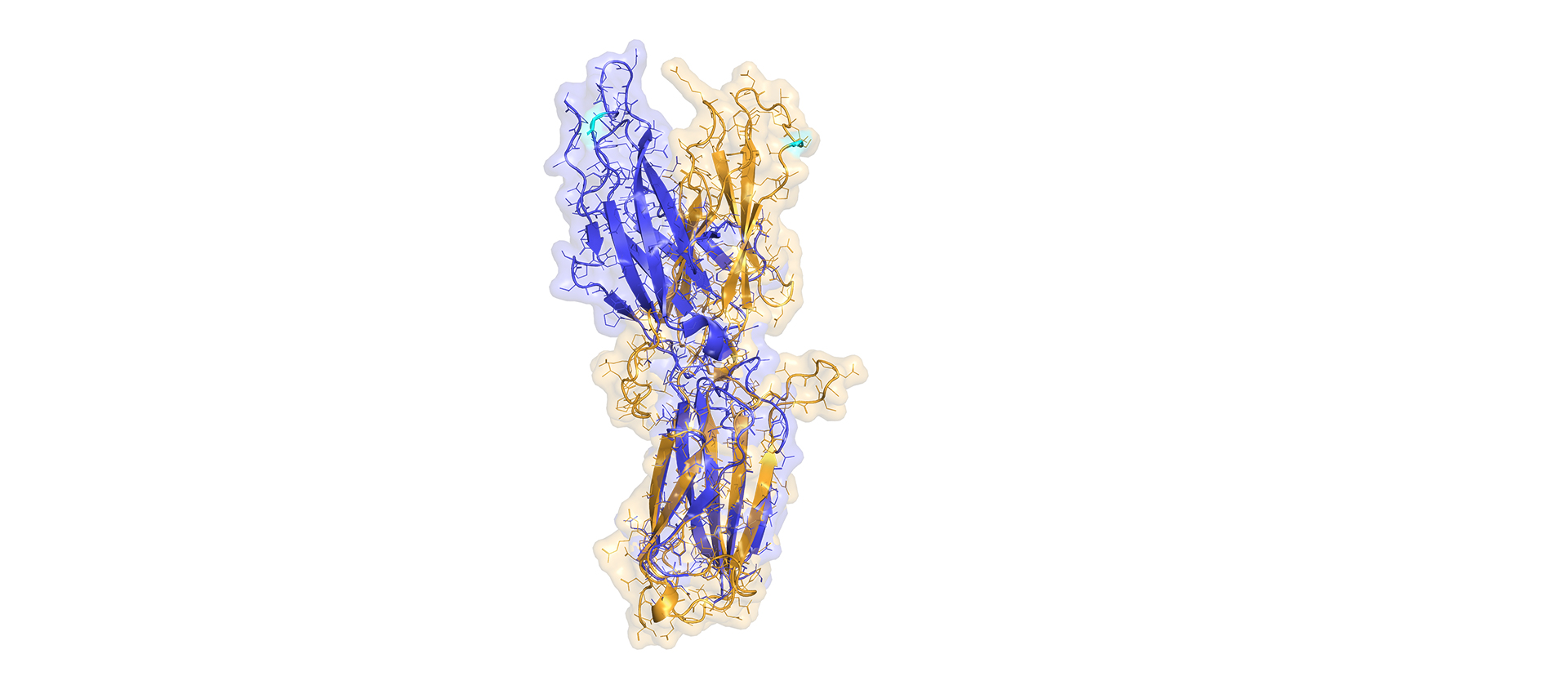
Research carried out at the Microbial Pathogenesis Unit at Navarrabiomed, a joint biomedical research centre of the Gobierno de Navarra and the Universidad Pública de Navarra (UPNA), has discovered the way in which the virus that infects the pathogenic bacteria Staphylococcus aureus organizes a type of gene in its genome to achieve a complex balance, namely to protect the bacteria and the host, from infection by other viruses, to prevent it from being destroyed (immunity) and to prevent this same defence mechanism from interfering with the activity of the virus and eliminating it (autoimmunity). 

Given that there are strains of this bacteria that are multi-resistant to antibiotic treatment, a strategy to combat it consists in the use of phage therapy, which uses viruses, called phages, to infect and eliminate it. The understanding generated in this work may contribute to the development of strategies that allow us to overcome the resistance that bacteria present to destruction by viruses. This study, which is the result of the doctoral thesis defended at the UPNA by the biologist Pablo Iturbe Sanz (Madrid, 1994), has been published in the scientific journal “Nature Microbiology”.

According to Iturbe, S. aureus is a “tremendously versatile” pathogenic bacteria that is capable of producing very diverse infections ranging from pneumonia, abscesses, osteomyelitis (infection of the bone) or endocarditis (inflammation of the inner layer of the heart) to infections of all types of implants and prostheses. Furthermore, as there are strains that are multi-resistant to antibiotic treatment, the World Health Organization (WHO) has identified it as “one of the priority bacteria for the development of new antibiotics.”

S. aureus can be infected by specific viruses called bacteriophages, or phages, which attach to it. This relationship is considered to be parasitic as the phage takes advantage of the bacteria and uses its resources to reproduce. This can eventually lead to bacterial death when new phages are released and disrupt the bacterial cell.

However, some phages have the ability to protect the bacteria from infections by other viruses, which is known as immunity, in a kind of symbiotic relationship in which the phage and the bacteria coexist. This is beneficial for the resident phage, as it ensures that it has no competition for the bacteria's resources. For this coexistence to work, the system must be balanced in order to also allow the resident phage to survive (autoimmunity) without being eliminated by the bacteria's own defence mechanisms.

Defence mechanism against viruses

Iturbe’s research has shown that S. aureus uses the architecture of non-contiguous operons to ensure that the defence mechanism against other viruses is completely turned off and does not act against itself when the resident virus begins to multiply to colonize other bacteria. Operons are groups of genes that are found together in DNA, while in the case of non-contiguous operons, the genes are not located next to each other in the genome, but can be turned on or off together in response to certain signals or conditions, despite their physical separation. These genes perform fundamental roles in the biology of the bacteria and the virus.

This work, which has been carried out in collaboration with the research group of Professor José R. Penadés at Imperial College London (United Kingdom), arises from previous studies developed by the Microbial Pathogenesis Unit at Navarrabiomed, led by the UPNA professor Íñigo Lasa Uzcudun, which described the existence of a new transcription unit, known as the non-contiguous operon, was described.
In addition to being published in the journal “Nature Microbiology”, the results of the doctoral thesis have been collected in another scientific publication “microLife” and have been disseminated at the international microbiology conference The New Microbiology, organized by the European Molecular Biology Organisation.

Brief curriculum

Before being awarded his doctorate by the UPNA, Pablo Iturbe gained a degree in biology (specialising in biotechnology) at the Universidad Complutense de Madrid, where he participated in a research project in the Department of Genetics, in the Plant Biotechnology group, concerning the study of rice retrotransposons. Later, he completed a Master’s Degree in Integrative Cellular and Molecular Biology at the Universidad Menéndez Pelayo and worked for two years in the Environmental Microbiology group, collaborating in a European project focused on the revaluation of industrial waste compounds using genetically modified bacteria.

While studying for his doctoral thesis at the UPNA, which was carried out at Navarrabiomed under the supervision of Iñigo Lasa, Pablo Iturbe has received an FPI scholarship obtained through the 2017 call for grants for R&D&i projects from the Ministry of Economy, Industry and Competitiveness. The thesis forms part of the scientific activity of the Healthcare Research Institute of Navarra (IdiSNA).
 

Categoría
Galería de imágenes
Pablo Iturbe e Iñigo Lasa
Download Flecha que indica descarga
Documentación
Vídeo

Launch of EU-JAMRAI 2: providing a unified European response to antibiotic resistance

Encuentro EU-JAMRAI 2
Author
EU-JAMRAI 2
  • After the success of the first edition of EU-JAMRAI, 120 organisations from 30 countries, including Navarrabiomed, come together to fight antibiotic-resistant bacteria, broadening the European response to this alarming public health crisis.


The European Commission, political leaders and organisations from 30 countries met in Paris, on 13 February 2024, to launch the second joint action on antimicrobial resistance and healthcare-associated infections (EU-JAMRAI 2). This initiative, in which Navarrabiomed is participating together with a further 20 Spanish organisations, is coordinated by the French body Inserm (National Institute for Health and Medical research). Aim: to combat antimicrobial resistance, which is an important threat to public health responsible for more than 35,000 deaths per year in the European Union (EU)/European Economic Area (EEA), and 1.3 million people worldwide, more effectively.


Based on the success of EU-JAMRAI 1, which was implemented between 2017 and 2021, this follow-on project aims to implement an ambitious work program of “one health” that brings together the EU Member States along with Iceland, Norway and the Ukraine.


Didier Samuel, CEO of Inserm, has stated: “The long-term application of a coordinated approach to “one health” remains a priority over the coming years, as well as for the future. [...] No state is able to act alone against antimicrobial resistance [...]. Cooperation isn’t simply an option: it is the condition for success of the global fight against antimicrobial resistance”.

EU-JAMRAI 2 aims to implement specific actions to monitor, prevent and fight effectively against antibiotic resistance in all fields of human, animal and environmental health, empowering countries to strengthen their well-founded national action plans. The goal is to reduce the risk of exposure of European citizens to antibiotic-resistant bacteria. This implies structuring global vigilance and strengthening infection prevention on a “one health” scale while improving the care of patients with bacterial infections by guaranteeing, for example, access to an effective and proportionate antibiotic therapy.


Together with the Clinical Microbiology Research group at Navarrabiomed, the Hospital Universitario de Navarra is participating in the majority of tasks in the project as an affiliate of the Spanish Drugs Agency (AEMPS), and co-leads the evaluation and comparison of the integration of national vigilance systems in “one health” in Spain.


Vigilance and prevention from a “one health” perspective


EU-JAMRAI 2 is co-funded by the partners involved and the EU4Health program, with a total budget of 62.5 million euros, 50 of which come from the European Commission. This degree of funding underlines the priority assigned by the European Union to the fight against antimicrobial resistance.


Roser Domenech Amado, Director of “one health” at the European Commission’s Directorate General for Health and Food Safety, has stated: “Antimicrobial resistance is the major pandemic of our times. It requires urgent action now, both in Europe and worldwide. In 2023, the European Union agreed recommended objectives in terms of antimicrobial resistance and antimicrobial use, with measures including infection control and prevention, vigilance and follow-up, the promotion of innovation and access, prudent use of antimicrobial and greater public awareness. The 50 million euros provided by the European Commission to JAMRAI 1, which is the highest amount dedicated to the fight against antimicrobial resistance, will help EU countries to make a difference on the ground”.


More than 120 partners from 30 countries, supported by approximately 40 interested parties, are participating actively in this joint action. European organisations such as the ECDC and EFSA, together with global entities such as the WHO, WOAH, OCDE, PNUMA and FAO, are participating to enrich the debate with their experience and guarantee the coherence of the project with existing initiatives.. Moreover, professionals in human, animal and environmental health, as well as patient representatives, are integral components of this joint action.
 

Categoría
Documentación
Vídeo

Researchers at the HUN lead a study funded by the Instituto de Salud Carlos III concerning gastrointestinal cancer in the young population

Investigadores del HUN
Author
Navarrabiomed
  • The project, which also involves researchers from Navarrabiomed and IdiSNA, will be carried out in collaboration with hospitals from a further three autonomous communities.


Researchers from the Hospital Universitario de Navarra (HUN) will coordinate a transversal, multicentre study of early-onset gastrointestinal cancer, considered to be that diagnosed in young patients (less than 50 years of age), in whom the incidence of this type of cancer has increased alarmingly over the past few decades. 

Gastrointestinal cancer included, amongst others, colorectal, gastric and pancreatic tumours, which in Spain are the second, fourth and seventh leading causes of cancer-related death, respectively. In Navarra, colorectal cancer was the second most common tumour last year in both males and females, according to data released this week by the Cancer registry of the Institute for Public and Occupational Health of Navarra (ISPLN) on the world day for that disease, which is held next Sunday (4th February).


The project has been funded via the IdiSNA as part of the R&D&i 2023 call for proposals from the Instituto de Salud Carlos III aimed at healthcare research projects and is headed by the researcher Maria Alsina, a specialist in the Medical Oncology department at the HUN and head of the Translational Medical Oncology Unit at Navarrabiomed, where she is funded by the intensification program set up by the Fundación “la Caixa”, and member of the Oncobiona group at IdiSNA. 


Researchers from Navarrabiomed and IdiSNA are also participating in the study, which is carried out in cooperation with the different departments at the HUN involved in the management of gastrointestinal cancer, namely Anatomical Pathology, Surgery, Digestive, Endocrinology and Nutrition, Radiation Oncology and Radiology. Three healthcare centres from neighbouring autonomous communities, namely the Hospital Universitario Donostia, Hospital Miguel Servet (Zaragoza) and Hospital San Pedro (Logroño), are also collaborating with the study. 


The main objective of the study is to identify the differentiating characteristics of early-onset gastrointestinal cancer in comparison with the later-onset type, both overall, combining the three types of tumours, and for each one separately. To that end, a global approach that includes parameters concerning both the patient’s environment and the disease itself, will be applied. Thus, demographic and clinical variables and others related to their lifestyle, as well as histopathological data for the tumour, will be collected for each patient included in the study. 


Sample of 240 patients in a limited geographical setting


It is expected that up to 240 patients (80 younger than 50 years and 160 who have developed this disease at an older age) will participate in the study. The geographical setting for the sample is the north of Spain, therefore the collaboration of the aforementioned hospitals is required. The heads of the research consider that the availability of real-life data for patients diagnosed in a limited setting may help to better understand this type of cancer in our environment and allow prevention strategies to be developed, especially as regards healthy lifestyle habits. In this sense, it should be noted that the majority of cases of early-onset gastrointestinal cancer occur due to environmental, lifestyle and behavioural, nutritional and biological factors rather than being hereditary.

In addition to the preventive approach, a more in-depth understanding of the onset of tumours in young patients may also help the diagnostic and therapeutic approach in this population group. The availability of data that allow an early diagnosis will increase the probability of effective curative treatments and reduce the impact of the disease on the life of these patients (educational or work activities, responsibilities for children or family members) and increase their potential longevity.

In addition, young patients with digestive tumours face unique challenges and needs, such as possible effects on their body image after aggressive surgery, or potential long-term side-effects of chemo- and radiotherapy treatments on their cardiovascular, sexual and reproductive health, in addition to the possible influence on the onset of new neoplasms.
 

Categoría
Galería de imágenes
Profesionales de Oncología del HUN, Navarrabiomed e IdiSNA.
Download Flecha que indica descarga
Documentación
Vídeo

INNOLFACT 2.0 brings together a multidisciplinary consortium to implement Olfactory Precision Medicine in Navarra

INNOLFACT 2.0 consolida un consorcio multidisciplinar para implementar la Medicina de Precisión Olfatoria en Navarra
Author
Navarrabiomed
  • This initiative, funded by the Regional Government of Navarra, will use artificial intelligence, machine learning and nanotechnology to develop diagnostic biomarkers for neurodegenerative diseases. 

The strategic INNOLFACT 2.0 project, awarded 1.6 million euros by the Government of Navarra, is the continuation of INNOLFACT, which finished in 2022. The goal of this second phase is to develop innovations in the early diagnosis and classification of patients from the Geriatric and Neurology Services, and to develop new therapies tat modulate the immune system in the brain to improve cognitive and motor function. Specifically, the aim is to make progress in the early diagnosis of neurodegenerative diseases, identify biomarkers indicative of progression of the disease, allow sensory training, and to develop intranasal therapies targeting the central nervous system. This approach consolidates and implements Olfactory Precision Medicine in Navarra, thus making us pioneers in generating innovation via smell.

 
Multidisciplinary consortium

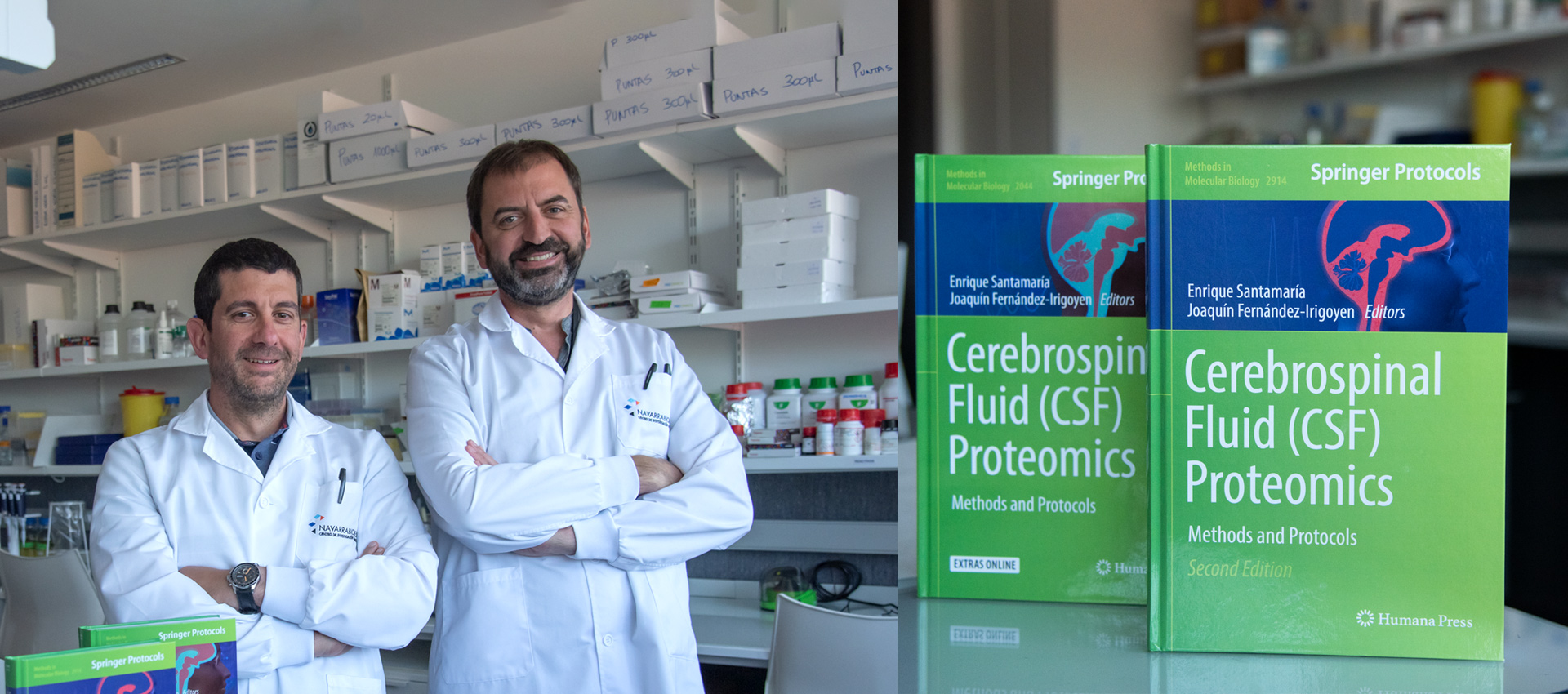
INNOLFACT 2.0 is headed by Enrique Santamaría, principal investigator of the Clinical Neuroproteomics Unit at Navarrabiomed, and Ana María García-Osta, co-PI of the project and investigator in the Neurological Disease Gene Therapy Program at the Cima Universidad de Navarra. The project has a team of the very highest level comprising multidisciplinary clinical R&D&I profiles from the Hospital Universitario de Navarra and the Clínica Universidad de Navarra, the Navarrabiomed research centres and Cima at the Universidad de Navarra: experts in geriatrics, otorhinolaryngology, neurology and neurobiology, immunology, engineering, nanotechnology, biochemistry, proteomics, bioinformatics, data analysis, algorithm development and artificial intelligence. 

The INNOLFACT 2.0 team is also boosted by the participation of two companies from Navarra. These companies NNBi will promote the development of predictive algorithms and digitalisation of the healthcare setting, thereby improving the diagnostic capacity and follow-up of neurodegenerative diseases and ageing. They will alsoEversens  help with the identification of biomarkers correlated with the different stages of cognitive impairment in patients by developing medical devices that allow non-invasive monitoring. 

Finally, the project consortium is completed with the participation of ADItech, coordinator of the SINAI, which leads the “Investigation from a gender perspective” to contribute to the scientific excellence of R&D&I agents and position Navarra at the forefront internationally.


Challenges faced by INNOLFACT 2.0

Clinical, research and digitalisation tools that allow precision medicine, and the technological progress associated with this sector in Navarra are all required to overcome the human and economic challenges raised by ageing and neurodegenerative diseases. Traditionally, the sense of smell is considered to be less relevant than sight or hearing. However, our findings in the context of the INNOLFACT project show a direct link between the immunomodulatory capacity of the olfactory system and the impact thereof on cognitive and, possibly, motor functions. The treatment of Parkinson’s and Alzheimer’s disease requires the active compounds administered to reach the brain. 

However, drug administration presents a series of obstacles, the main one being passage through the blood-brain barrier (BBB), which protects the brain against the entry of foreign substances. This protection means that the BBB is essentially impermeable to almost all drugs administered systemically, thus preventing them from reaching an effective concentration in the brain to exert their action. In this context, intranasal administration appears to be a promising alternative given its more direct access to the brain, thus making it faster and, in turn, safer, as a lower dose can be used. This factor has generated, and continues to generate, growing interest in inhaler-based treatments.  

The INNOLFACT 2.0 project aims to introduce innovations in early diagnosis by using smell and the immune system. In addition, it also aims to classify patients in the Geriatric and Neurology departments to develop new therapies that modulate the immune system at a brain level. This will be carried out using artificial intelligence, machine learning and nanotechnology as the central aspect. Taking advantage of the knowledge and state-of-the-art developments provided by the different partners, the aim is to provide a range of olfacto-immunological analyses that allow a personalised approach to ageing and neurodegenerative diseases. 

The project intends to apply cutting-edge methods and technologies, especially the databases available (data collected by both HUN and CUN) from patients who participated in the INNOLFACT study over the period 2020–2022 to identify new diagnostic biomarkers. A more exhaustive study of immune cells and molecules will be carried out, exploring their role in the cognitive process. Moreover, efficacy tests will be carried out for drugs in animal models of neurodegeneration (males and females) established in the previous project. In this sense, the neurocognitive and biological response to stimulation of the sense of smell in participants aged over 65 years with different degrees of cognitive impairment and frailty will be studied. 

At a social level, INNOLFACT 2.0 is supported by the Asociación Navarra de Parkinson [Parkinson’s Association of Navarra] (ANAPAR), the Asociación de Familiares de Enfermos de Alzheimer de Navarra [Association of Families of Alzheimer’s patients of Navarra] (AFAN), Confederación Española de Alzheimer [Spanish Alzheimer’s Confederation] (CEAFA), Federación Española de Parkinson [Spanish Parkinson’s federation] (FEP), Federación de Asociaciones de Personas con Discapacidad Física y Orgánica [Federation of Persons with Physical and Organic Disability] (COCEMFE Navarra), Sociedad Española de Geriatría y Gerontología [Spanish Society for Geriatrics and Gerontology] (SEGG), Red Olfativa Española [Spanish Olfactory Network] (ROE), and support from the following companies: CINFA, 3P Biopharmaceuticals and Ojer Pharma.
 

Categoría
Galería de imágenes
Reunión de lanzamiento de INNOLFACT 2.0 en el Salón de actos de Navarrabiomed
Download Flecha que indica descarga
Sesión de trabajo en Navarrabiomed
Download Flecha que indica descarga
Visita de seguimiento INNOLFACT 2.0
Download Flecha que indica descarga
Documentación
Vídeo

Navarra is leading a European project to promote regular physical exercise among elderly patients after periods in hospital and improve their quality of life

Author
Navarrabiomed

•    The PreDisc initiative will be implemented within the framework of the Interreg Sudoe cooperation programme and will be coordinated by Navarrabiomed


The biomedical research centre Navarrabiomed will coordinate the implementation of the PreDisc project, a health care model for the elderly aimed at improving their quality of life, by prescribing a personalised physical activity programme to be followed by patients during their stay in hospital, incorporating the continuation of the same in Primary Care by developing an innovative eHealth tool. 

In addition to preventing hospital disability of patients, PreDisc will promote access to new healthcare technologies for elderly people living in rural areas and will help shorten their stays in hospital and adapt healthcare resources. This initiative, which is part of the Interreg Sudoe cooperation programme (2021-2027), will be coordinated by Navarrabiomed and will involve professionals from 16 institutions in Navarra, the Basque Country, France, Andorra and Portugal. 

Nicolás Martínez Velilla, principal investigator of the Geriatrics Unit of Navarrabiomed, head of the Geriatrics Service of the University Hospital of Navarra (HUN) and head of the project explains that the project "aims to modify the traditional care model for elderly people in hospital, prioritising functional recovery, through an individualised training programme. The current model focuses on the disease and not so much on the patient, so this new model will improve the patient's functional capacities by following an individualised multi-component training programme that not only shortens the hospital stay but also avoids the disability that often arises during stays in hospital.

 
Towards a new care model for the elderly

PreDisc includes a multi-centre clinical trial that will show the benefits of a training programme during a stay in hospital. In addition, the continuation of the programme and the transition to Primary Care will be facilitated by optimising communication between professionals and implementing innovative eHealth technology. 

The active ageing model will also be promoted in rural environments and equal access to healthcare will be encouraged by guiding coordination between professionals, facilitated by the use of technological tools, avoiding unnecessary journeys and admissions. 
PreDisc has a total budget of 1,288,550 euros, 75% co-financed by the Interreg Sudoe Programme, which supports regional development in Southwest Europe by helping to promote transnational projects through the European Regional Development Fund (ERDF). This programme promotes cooperation to solve problems common to the Southwest Europe region.

The project consortium is led by the biomedical research centre Navarrabiomed - Fundación Miguel Servet and includes the Fundación  Instituto de Investigación Sanitaria de Navarra (IdiSNA), Atención Primaria del Servicio Navarro de Salud - Osasunbidea (SNS-O), Universidad de Deusto (Bizkaia, Basque Country), Centre Hospitalier Universitaire de Toulouse Pôle Gériatrie (Occitania), Hospital Distrital da Figueira da Foz, EPE (Coimbra, Centre Region) and Servei Andorrà d'Atenció Sanitària (Andorra), supported by 9 public and private organisations from Southwest Europe participating as associate entities.
 

Categoría
Galería de imágenes
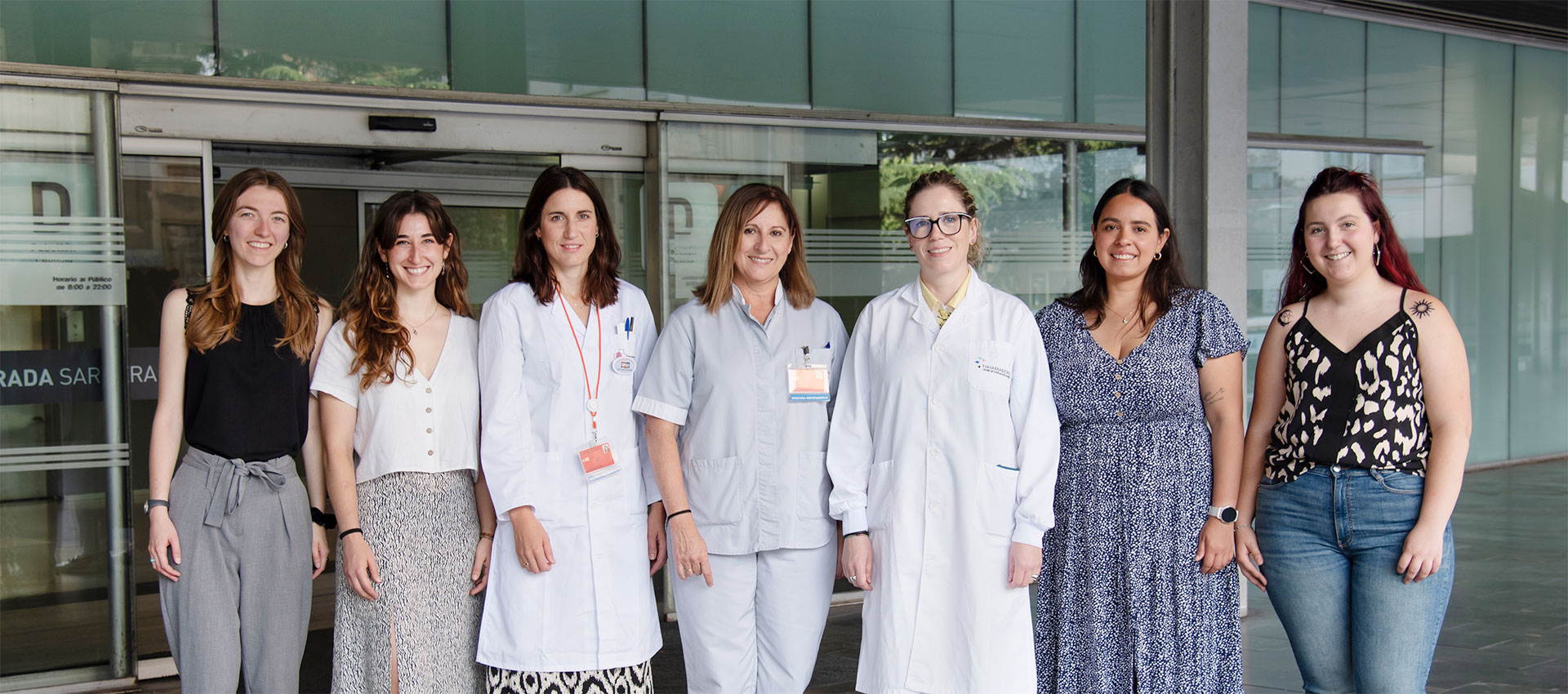
Profesionales de Navarrabiomed, HUN, Atención Primaria e IdiSNA who will take part in the implementation of PreDisc in Navarra
Download Flecha que indica descarga
Documentación
Vídeo

The Spanish Society of Medical Oncology (SEOM) acknowledges Maria Alsina and Hugo Arasanz, HUN oncologists and researchers at Navarrabiomed

Author
Navarrabiomed

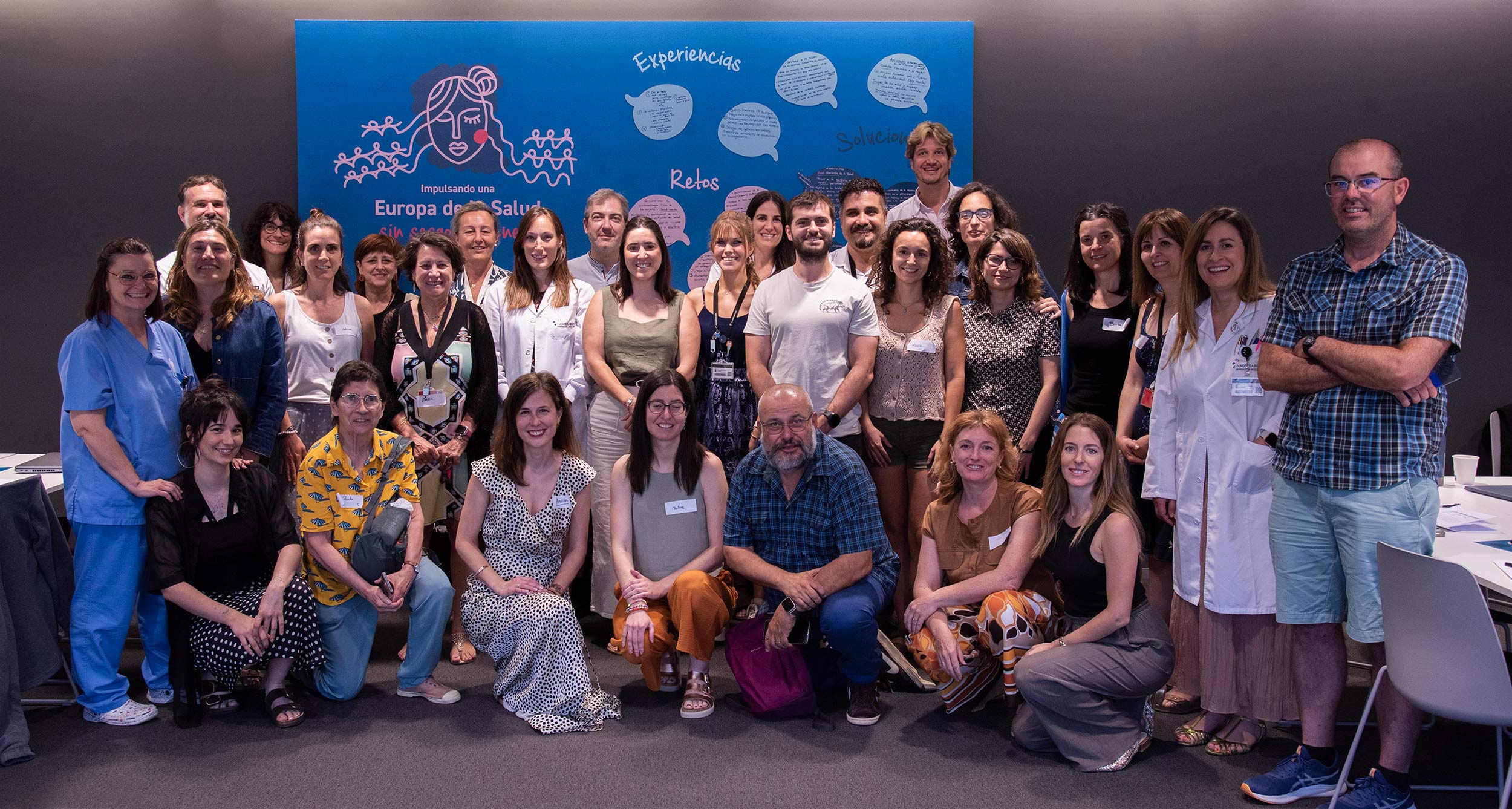
Professionals from the Medical Oncology Service of the University Hospital of Navarra (HUN) and Navarrabiomed have received two fellowships and an award during the annual congress of the Spanish Society of Medical Oncology (SEOM) 2023, held in Barcelona from the 19th to the 22nd of September. 

In particular, Maria Alsina Maqueda  MD PhD has received the SEOM Fellowship for Research Projects for 'Predictive biomarkers of response to RAPID scheme neoadjuvance in locally advanced rectal cancer: impact of the intestinal microbiome and the presence of circulating tumour DNA (ctDNA)’, in which several HUN services are also involved. For his part, Hugo Arasanz Esteban MD PhD has been awarded the SEOM Fellowship for Translational Research Projects in Immuno-Oncology for the project 'Circulating low density neutrophils and their role in immunotherapy resistance in non-small cell lung cancer. Potential as a predictive biomarker’. 

Both Medical Oncology specialists dedicate part of their time to research at the Oncobiona group of Navarrabiomed. Dr Alsina researches through the Navarrabiomed intensification program funded by La Caixa Foundation and Dr Arasanz thanks to the 2019 AECC Junior Clinical Fellowship, from the Spanish Association against Cancer.
 

Categoría
Galería de imágenes
Professionals of the Medical Oncology Service of the HUN.
Download Flecha que indica descarga
Hugo Arasanz Esteban.
Download Flecha que indica descarga
Maria Alsina Maqueda.
Download Flecha que indica descarga
Documentación
Vídeo

AES 2024: novedades y formación específica para la preparación de propuestas

Author
Navarrabiomed


La Acción Estratégica en Salud es la principal herramienta para financiar la investigación biomédica y sanitaria en España y está gestionada por el Instituto de Salud Carlos III (ISCIII), como organismo dependiente del Ministerio de Ciencia, Innovación y Universidades.

La AES 2024 contará para el año próximo en su primera convocatoria, ya publicada en el Boletín Oficial del Estado (BOE), con más de 138 millones de euros para financiar convocatorias de ayudas, proyectos y contratos de investigación en salud. Esta cifra inicial se podrá ampliar con hasta 40 millones adicionales y se complementará con otras convocatorias adicionales que se lanzarán a lo largo de los próximos meses; la previsión es movilizar casi 285 millones de euros para la investigación en salud en España en el marco de la AES 2024.

A través de fondos públicos y en convocatorias de concurrencia competitiva, la AES del ISCIII concede anualmente ayudas económicas para la realización de contratos y de proyectos de investigación que impulsen la I+D+I biomédica y sanitaria en España y la carrera profesional de su comunidad investigadora. En las próximas semanas se anunciará la fecha de presentación formal de esta primera convocatoria de la AES 2024, incluyendo todos los aspectos técnicos y administrativos necesarios para su desarrollo. ​

Como en los últimos años, la AES cuenta con un corpus de convocatorias en el que se incorporan actuaciones innovadoras, dando como resultado una Acción Estratégica en Salud constituida por convocatorias muy conectadas y sinérgicas. El director del ISCIII, Cristóbal Belda​, explica que la AES y su contenido evolucionan en función de las necesidades del sistema: “La progresiva incorporación de fondos al presupuesto inicial es uno de los elementos centrales de la nueva forma de entender la financiación necesaria dentro del Sistema Nacional de Salud (SNS) y del Sistema Española de Ciencia, tecnología e Innovación (SECTI) en el ámbito biomédico y sanitario, que nos dota de una especial flexibilidad para seguir impulsando la I+D+I en salud".

De esta manera, esta primera convocatoria podrá alcanzar los 178,3 millones para diversas actuaciones, entre los que se encuentran los Contratos Miguel Servet, Juan Rodés, Río Hortega y Sara Borrell; las Ayudas para la movilidad del personal investigador; los Proyectos de I+D+I en salud; los Proyectos de investigación clínica independiente (ICI), y los Proyectos de colaboración internacional, entre otros.

Además de estos fondos, la financiación aumentará para apoyar convocatorias adicionales que se lanzarán próximamente, algunas de ellas vinculadas al PERTE para la Salud de Vanguardia. En total se prevé la disponibilidad de cerca de 150 millones adicionales distribuidos en 120 millones en subvenciones, hasta alcanzar los casi 285 millones, que incluirán una convocatoria de investigación en red y 27 millones en préstamos para entidades públicas.


Novedades para 2024


Como cada año, la AES consolida las mejoras aplicadas en convocatorias previas, e incluye novedades para seguir potenciando su capacidad. En 2024 se consolidará su evaluación y adhesión a los principios de la Declaración de San Francisco (DORA), consolidando el análisis cualitativo del impacto social de la ciencia en la evaluación de los proyectos financiados con fondos públicos.

También se progresa en las modificaciones introducidas con la reforma de la Ley de la Ciencia , dirigidas a consolidar una financiación creciente y progresiva; simplificar el procedimiento administrativo vinculado a la gestión de la investigación; impulsar la contratación indefinida; mejorar el itinerario posdoctoral; promover nuevos derechos laborales para los jóvenes; favorecen el recambio generacional y la transición de liderazgo; lograr mayor movilidad profesional; fomentar la transferencia de conocimiento, y garantizar la igualdad de género.

La AES 2024 seguirá fomentando la creación de puestos de trabajo permanentes vinculados a los programas post-doctorales de excelencia, como son los contratos Miguel Servet y Juan Rodés. Una de las novedades para el próximo año desarrolla la estrategia del ISCIII orientada a la promoción de la investigación en Atención Primaria, incluyendo acciones internacionales especialmente enfocadas a este ámbito, y al fortalecimiento de la transferencia de los resultados de la investigación, al incorporar como beneficiarios en acciones específicas a los centros tecnológicos.

Otra de las novedades es la ampliación de la posibilidad de realizar actividades docentes para las personas vinculadas a contratos predoctorales. También destacan el aumento de la duración de las estancias formativas, así como la ampliación en la realización de actividades asistenciales para los beneficiarios de ayudas vinculadas a centros con actividad clínico-asistencial. Además, se avanza en la simplificación administrativa en la gestión de solicitudes.

Por otro lado, la AES 2024 abre la participación a la primera convocatoria europea de ayudas ligada a la reciente aprobación por la Comisión Europea del Partenariado de Medicina Personalizada de Precisión EP PER MED. También se añade a las actuaciones europeas y transnacionales un especial foco en la internacionalización de la investigación realizada desde Atención Primaria.

En cuanto a las líneas de investigación que se beneficiarán de las convocatorias, la AES del próximo año consolida y amplía las orientadas a la protección de la salud y el impacto social de políticas sanitarias a diversas áreas estratégicas: 

  • Quimioprevención del cáncer en personas sanas.
  • Efectos terapéuticos a largo plazo en largos supervivientes de cáncer.
  • Calidad de vida en enfermedades crónicas, en especial las ligadas a fragilidad y vulnerabilidad social.
  • Impacto del consumo de alcohol y otros tóxicos en la salud.
  • Desarrollo y aplicación de herramientas conductuales y biológicas con aplicación en medicina de precisión y salud pública.
  • Nuevos sistemas de vigilancia epidemiológica con análisis de interoperabilidad y coste-efectividad.
  • Economía de la salud y farmacoeconomía.
  • Análisis de viabilidad de cribados poblacionales en patologías altamente letales y/o de elevada incidencia.
     

En definitiva, tal y como resume el director del ISCIII, "esta nueva convocatoria de la Acción Estratégica en Salud busca seguir impulsando la I+D+I en salud en España, facilitando el desarrollo de la carrera investigadora, ofreciendo oportunidades para que nuestras investigadoras e investigadores hagan ciencia biomédica de la más alta calidad, y poniendo el foco en solucionar las necesidades sociales para seguir mejorando la salud de las personas". 
 

Categoría
Documentación
Vídeo

Navarrabiomed is coordinating SENSORFIT-4HEART, aimed at obtaining personalised treatment for patients with HFpEF

SENSORFIT-4HEART
Author
Navarrabiomed


  • This initiative, funded by the Government of Navarra, proposes a specific physical exercise programme for patients with heart failure with preserved ejection fraction. 


The partners of the SENSORFIT-4HEART project met at Navarrabiomed to begin work on this project, whose aim is to create an innovative platform for prescribing and remote-monitoring individualised physical exercise in the treatment of heart failure with preserved ejection fraction. The Principal Investigator of the Physical Exercise, Health and Quality of life Unit (E-FIT) of Navarrabiomed and full professor at UPNA Mikel Izquierdo and the UPNA associate professor Robinson Ramirez-Vélez are at the head of this strategic initiative funded by the Government of Navarra. 

Specifically, the Department of Industry and Ecological and Digital Business Transition has granted 1,147,000 euros to SENSORFIT-4HEART, through the call for grants for the implementation of strategic R&D projects 2023 - Challenge 7 SIBERIA V Innovative Solutions in Biotechnology. The project consortium is made up of the biomedical research centre Navarrabiomed, which is coordinating its implementation, ADItech, Cima Universidad de Navarra, Naitec and the companies Lorpeland and 540. Together they form a comprehensive team of professionals from very different fields, who are going to work together to implement this project in order to develop a strategy that allows progress to be made towards the personalised treatment of patients with heart failure with preserved ejection fraction (HFpEF), using non-pharmacological strategies that focus on their capacity for self-management and on improving their quality of life.

Heart failure with preserved ejection fraction (HFpEF) is a complex syndrome with an increasing incidence and poor prognosis, which already accounts for 50% of heart failure cases. This pathology is associated with ageing and cardiovascular risk factors such as high blood pressure, diabetes and obesity and is more common in women than in men. Sufferers often experience dyspnoea, debilitating fatigue, and poor quality of life, as well as frequent hospitalisations and a high mortality rate. Despite their great impact, most of the available pharmacological treatments for heart failure have not demonstrated a beneficial prognostic effect in patients with HFpEF. And although the syndrome is more common in women, they are typically under-represented in clinical trials and intervention studies. Therefore, SENSORFIT-4HEART will integrate the gender perspective throughout the implementation of the project in order to assess the incidence and impact on both sexes. 

The SENSORFIT-4HEART project will make it possible to implement an individualised physical exercise programme, two days a week, on HFpEF patients that will have a beneficial effect on their physical function and cardiac remodelling, as well as on muscular bioenergetics, functional capacity and quality of life. Furthermore, it is hoped it will contribute to the improvement of the prognosis of patients with HFpEF and to alleviate the burden this represents for the Navarra Health Service-Osasunbidea.

Categoría
Galería de imágenes
Miembros del consorcio SENSORFIT-4HEART
Download Flecha que indica descarga
Launch meeting for the SENSORFIT-4HEART project
Download Flecha que indica descarga
SENSORFIT-4HEART follow-up meeting
Download Flecha que indica descarga
Control on the impact of physical exercise on the patient
Download Flecha que indica descarga
Reunión de seguimiento, junio 2024
Download Flecha que indica descarga
Mikel Izquierdo con su equipo de Navarrabiomed
Download Flecha que indica descarga
Documentación
Vídeo

Adjudicación de las ayudas predoctoral y postdoctoral Navarrabiomed 2023 y puntuaciones finales de las y los solicitantes evaluados

Adjudicación de las ayudas predoctoral y postdoctoral Navarrabiomed 2023 y puntuaciones finales de las y los solicitantes evaluados
Author
Navarrabiomed

La Comisión Técnica de Evaluación de Navarrabiomed ha publicado hoy martes, 26 de diciembre la adjudicación de las ayuda predoctoral y ayuda postdoctoral Navarrabiomed 2023, así como las puntuaciones finales de las y los solicitantes evaluados para cada una de las convocatorias: ayuda predoctoral y ayuda postdoctoral. A continuación, puede consultar y descargar la documentación correspondiente.


Categoría
Documentación
Programa de ayuda predoctoral Navarrabiomed 2023
26/12/23 - Adjudicación de la ayuda predoctoral
Programa de ayuda predoctoral Navarrabiomed 2023
26/12/23 - Puntuaciones finales de la ayuda predoctoral
Programa de ayuda postdoctoral Navarrabiomed 2023
26/12/23 - Adjudicación de la ayuda postdoctoral
Programa de ayuda postdoctoral Navarrabiomed 2023
26/12/23 - Puntuaciones finales de la ayuda postdoctoral
Programa de ayuda predoctoral Navarrabiomed 2023
12/12/23 - Propuesta de adjudicación de la ayuda predoctoral
Programa de ayuda predoctoral Navarrabiomed 2023
12/12/23 - Puntuaciones de la ayuda predoctoral
Programa de ayuda postdoctoral Navarrabiomed 2023
12/12/23 - Propuesta de adjudicación de la ayuda postdoctoral
Programa de ayuda postdoctoral Navarrabiomed 2023
12/12/23 - Puntuaciones de la ayuda postdoctoral
Programa de ayuda predoctoral Navarrabiomed 2023
01/12/23 - Relación definitiva personas admitidas y no admitidas a la ayuda predoctoral
Programa de ayuda postdoctoral Navarrabiomed 2023
01/12/23 - Relación definitiva personas admitidas y no admitidas a la ayuda postdoctoral
Programa de ayuda predoctoral Navarrabiomed 2023
22/11/23 - Relación provisional personas admitidas y no admitidas a la ayuda predoctoral
Programa de ayuda postdoctoral Navarrabiomed 2023
22/11/23 - Relación provisional personas admitidas y no admitidas a la ayuda postdoctoral
Vídeo

Navarra boosts health research to guarantee quality medical care

Author
Navarrabiomed
  • Vice Chair Ollo opened a conference organized by Navarrabiomed and the Directorate General for External Action to strengthen public health taking advantage of the European framework

The Condestable Palace of Pamplona / Iruña hosted this afternoon the meeting “Public health: researching and progressing with Europe - Scientific progress that saves lives”, whose objective was to convey to citizens the European Union's commitment to public health and biomedical research as a guarantee of innovative, sustainable and high-quality medical care. 

The conference, organized by the Navarrabiomed biomedical research centre and funded by the General Directorate of External Action of the Government of Navarra, through the 2023 call for Grants for the dissemination of European Union policies and strategies, has been an opportunity to remind us all that research and scientific progress saves lives.

During the institutional opening, the second vice-chair and Regional Minister of Memory and Coexistence, External Action and Basque Language and Literature, Ana Ollo Hualde, highlighted that “this conference represents a meeting point between three key lines for the development of Navarra: public health, research and the European framework”. 


A journey through the milestones of medical science over time

From an informative approach, the doctor, writer, scientific populariser and professor of the History of Medicine, Pedro Gargantilla Madera, then made a tour through the history of medicine reviewing the milestones of medical science over time and its decisive importance in the advancement of humanity.

Analysing the scientific advances that save lives, he explained that throughout the twentieth century there were “more scientific advances than in all previous centuries together." In the twentieth century the first antibiotics and insulin emerged, “a treatment that completely revolutionized the field of endocrinology.” Another relevant milestone was the marked by electrocardiogram that made it possible to reach a correct and accurate diagnosis in cardiovascular diseases.

On the other hand, he focused on the role of Europe throughout the history of medicine. "It was precisely in our continent where the transition from Mythos to Logos took place, back in the fifth century BC, in the first universities, with the appearance of autopsies that revolutionized medical knowledge and, in the twentieth century, the discovery of X-rays and penicillin. Until the Second World War, our continent championed medical knowledge," he explained.  

 
Public health: researching and improving with Europe 

Antonio López Andrés, Director General of Health of the Government of Navarra, has highlighted the research needs of the Health Department itself, based on its prioritization and health strategies. According to López: "This research should not be just a research "per se" but should keep an eye on the health needs and challenges presented by the population.” In this regard, the Director General mentioned the different actions to promote health research, such as the greater weight in professional careers or an adaptation of the care burden so that professionals can achieve this goal, especially in the field of primary care.
Conference attendees were able to learn more about the European commitment to health research from Laura Sesma Aguirre, leader of the Health Area in European Projects of Zabala Innovation. She stressed that people are living longer but “it's not just about giving life more years, but also giving those years more life. It is essential to work at all stages of life, so that healthy lifestyle habits can be acquired to prevent the onset of diseases. And to achieve this change, the European Union is aware of the need to involve all stakeholders of the health ecosystem from the start, including citizens. She insists that “we must be aware of the importance of these advances of which we are part and which will also affect us, in order to contribute ideas and solutions and also include these advances consciously and actively to really achieve change.”

For her part, Berta Ibáñez Beroiz, researcher at Navarrabiomed and head of the Methodology - Evaluation of Health Services Unit, insisted that research contributes to improving the health and well-being of the population, caring for their needs with a quality and efficient service. In this regard, she stressed that Europe enables a space to establish strategic collaborations that allow “to develop an increasingly competitive research and oriented to the problems that arise at the bedside of patients.” Berta Ibáñez added that “we are working to provide citizens with access to new therapies and more advanced diagnostic techniques. Research also means welcoming new methodologies, more open to society and evaluating health services to improve public policies. Research contributes to making the public health system more versatile, more rigorous and more competent.”


The exhibition "From the cell to the patient" at the Condestable Palace

Starting today and until December 10th, 2023, the exhibition "From the cell to the patient. 10 Years moving forward together", can be visited in the entrance hall of the Palace. To enjoy all the contents, download the free Navarrabiomed app (available for Android and for iOS).

This project has received funding from the Department of University, Innovation and Digital Transformation of the Government of Navarra in the call for Grants for the Promotion of Scientific Culture, the dissemination of R&D&I carried out in Navarra and the promotion of STEM COSMOS 2022 and 2023 vocations.
 

Categoría
Galería de imágenes
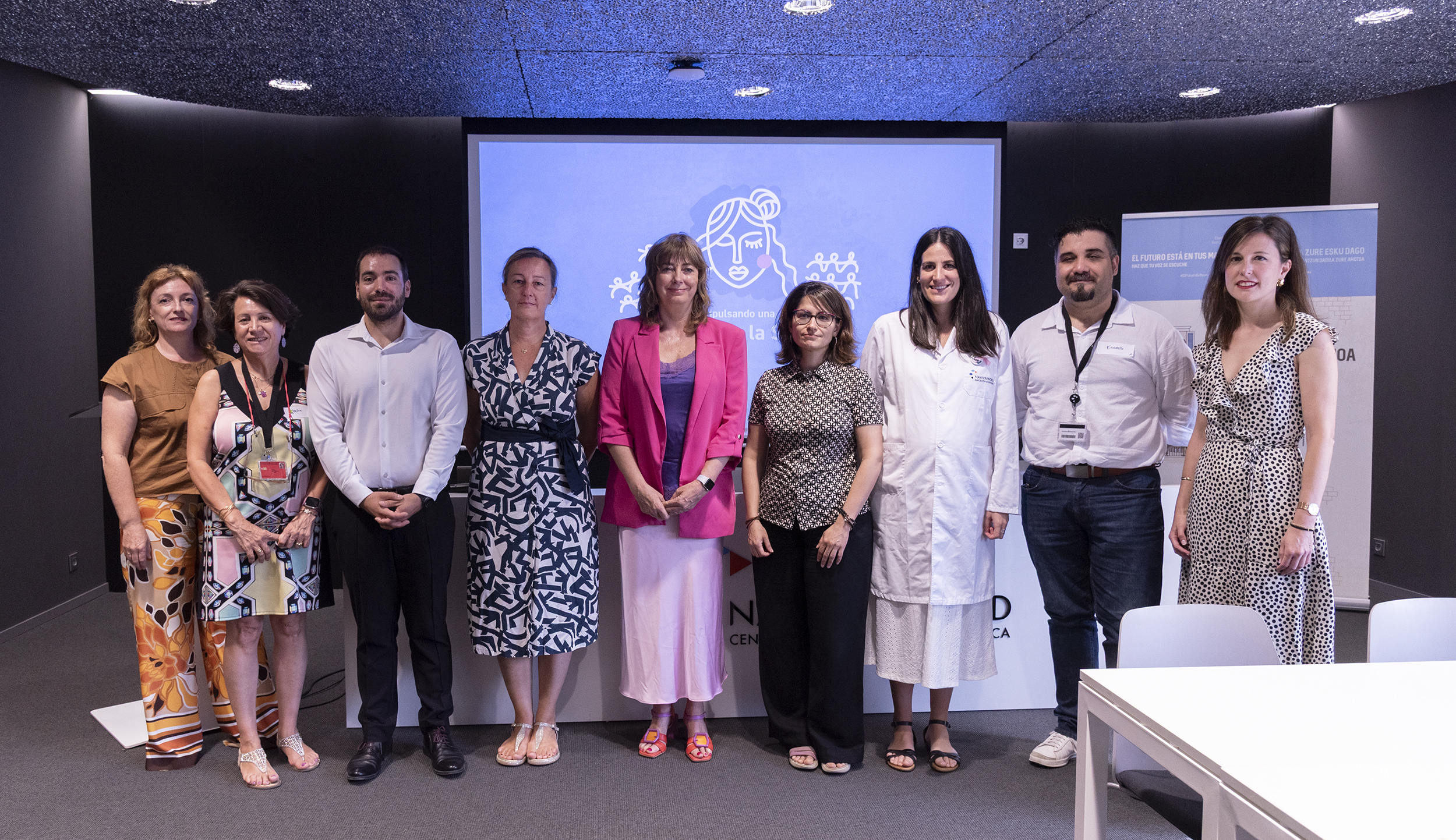
Berta Ibáñez, Antonio López, Ana Ollo, Pedro Gargantilla and Laura Sesma.
Download Flecha que indica descarga
Pedro Gargantilla, doctor, writer, scientific populariser and professor of the History of Medicine
Download Flecha que indica descarga
Round table with the four experts.
Download Flecha que indica descarga
Documentación
Vídeo