Propio

Beruete Díaz

Miguel
‘We break natural limits until reaching ultrasensitive sensors’
Miguel Beruete Díaz

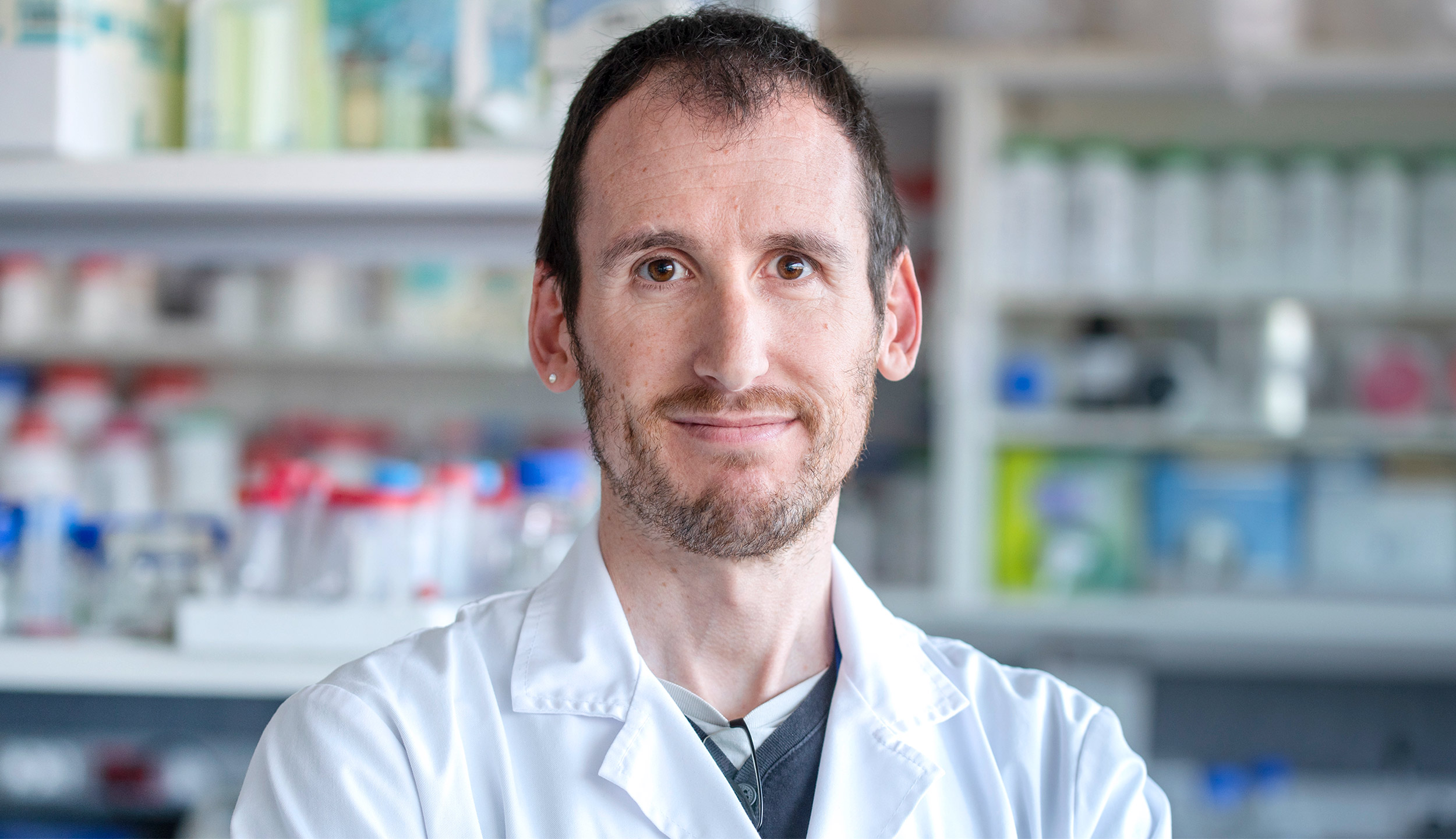
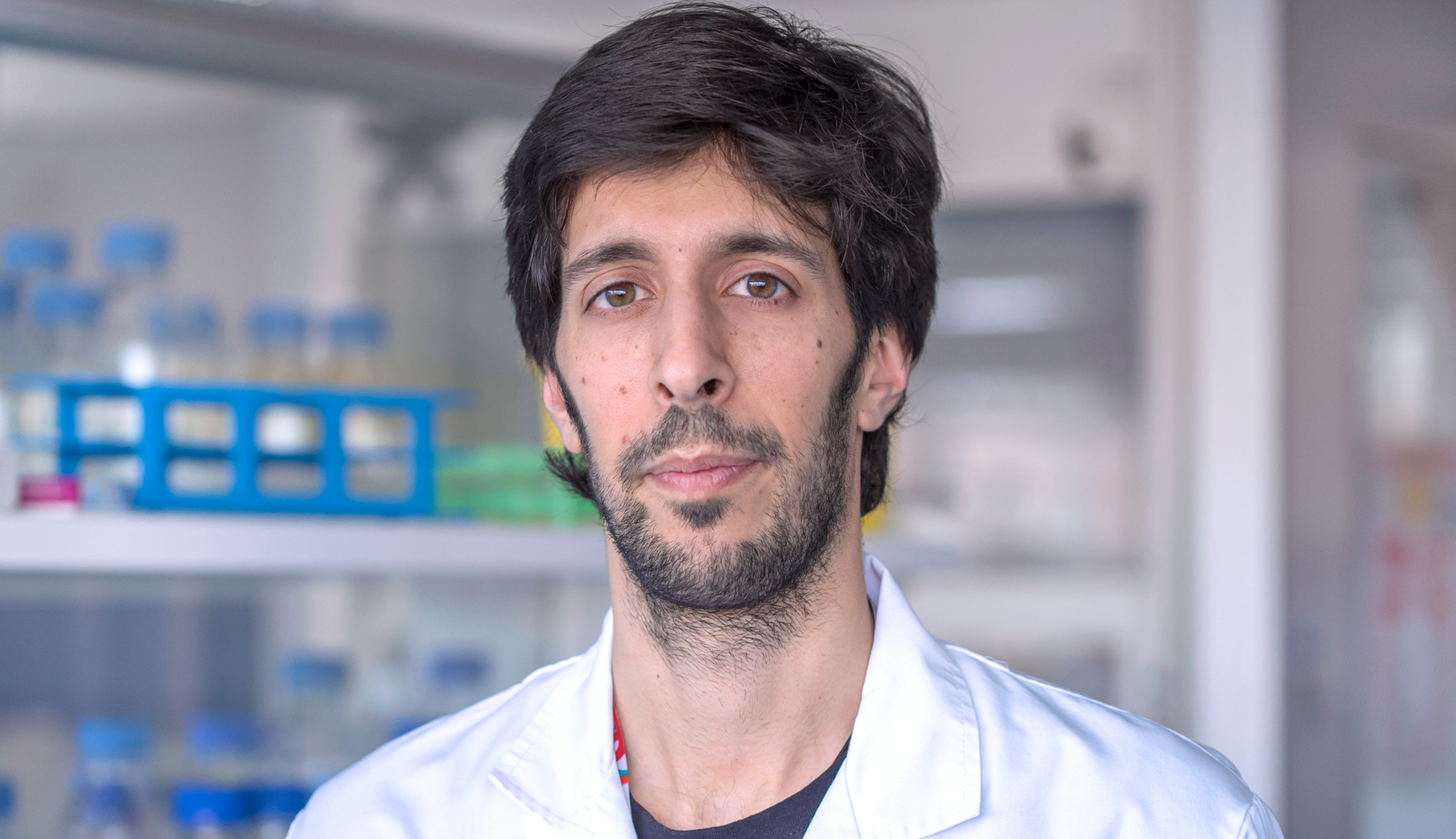
Full Professor at the Public University of Navarre (UPNA) and leader of the Multispectral Biosensing Group at Navarrabiomed, my research career focuses on the development of disruptive devices based on metamaterials and photonics. With more than 160 international publications (104 in Q1 and 27 in D1) and more than 8,000 citations on Google Scholar, I have significantly contributed to the advancement of photonics and terahertz sensors through metasurfaces.

Since 2017, I lead the Multispectral Biosensing Group at Navarrabiomed, where we explore new strategies for the development of terahertz sensors applied to biomedical detection. Our research combines metamaterials and nanotechnology to improve early diagnosis and monitoring of diseases, integrating advanced approaches in photonics and biosensing.

Throughout my career, I have led 49 research projects (serving as Principal Investigator on 15 of them) and 25 research contracts, favoring technology transfer through industrial collaborations and international patents. I have supervised 9 doctoral theses (and currently supervise 3 additional PhD theses) and participated in scientific milestones such as the first worldwide demonstration of a metaprisma in THz, advances in cloaking layers, and the development of graphene-based devices.

Among my recognitions are the UPNA Prize for Research in the Area of Exact, Biological, Medical and Technological Sciences (2023) and my inclusion in the top 2% of most cited scientists in the world according to Stanford University (2020–2024). My commitment remains the development of innovative technologies in biosensing and photonics, with a focus on biomedical applications that can positively impact society.
 

Área de investigación
Unidad o grupo de investigación
Tesis en curso

Codirectores: Miguel Beruete e Iñigo Ederra
Universidad: Public University of Navarre 
Facultad/escuela: Escuela Técnica Superior de Ingenieros Industriales y de Telecomunicación
Año:      Calificación:

Tipo de investigador
Vídeo
EITB
La invisibilidad a la vista
Miguel
Beruete Díaz
Head of the Unit
Navarrabiomed
Tipo de investigación
Unidad de investigación
Tesis dirigidas defendidas
Dayan Pérez Quintana
Diseño de antenas de banda de terahercio basadas en metasuperficies.
Alexia Moreno Peñarrubia
Aplicación de la tecnología de sub-milimétricas y THz en espectroscopia y generación de imágenes en los sectores aeroespacial, seguridad, bio, médico, agro y farmacéutico.
Unai Beaskoetxea Gartzia
Leaky Wave Antennas, Plasmonics and Metamaterials in the Terahertz.
Pablo Rodríguez Ulibarri
Metamaterials and Extraordinary Transmission structures applied to microwave, millimeter and terahertz waves devices.
Bakhtiyar Orazbayev
Advanced metamaterials for high resolution focusing and invisibility cloaks.
Víctor Pacheco Peña
Metamaterials and Plasmonics applied to devices on periodic structures at high frequencies: Microwaves, Terahertz and Optical range.
Víctor Torres Landívar
Plasmonics and Metamaterials at Terahertz Frequencies.
Miguel Navarro-Cía
Extraordinary transmission and geometrically-induced modes for metamaterials: from underlying physics to technological applications.

Santamaría Martínez

Enrique
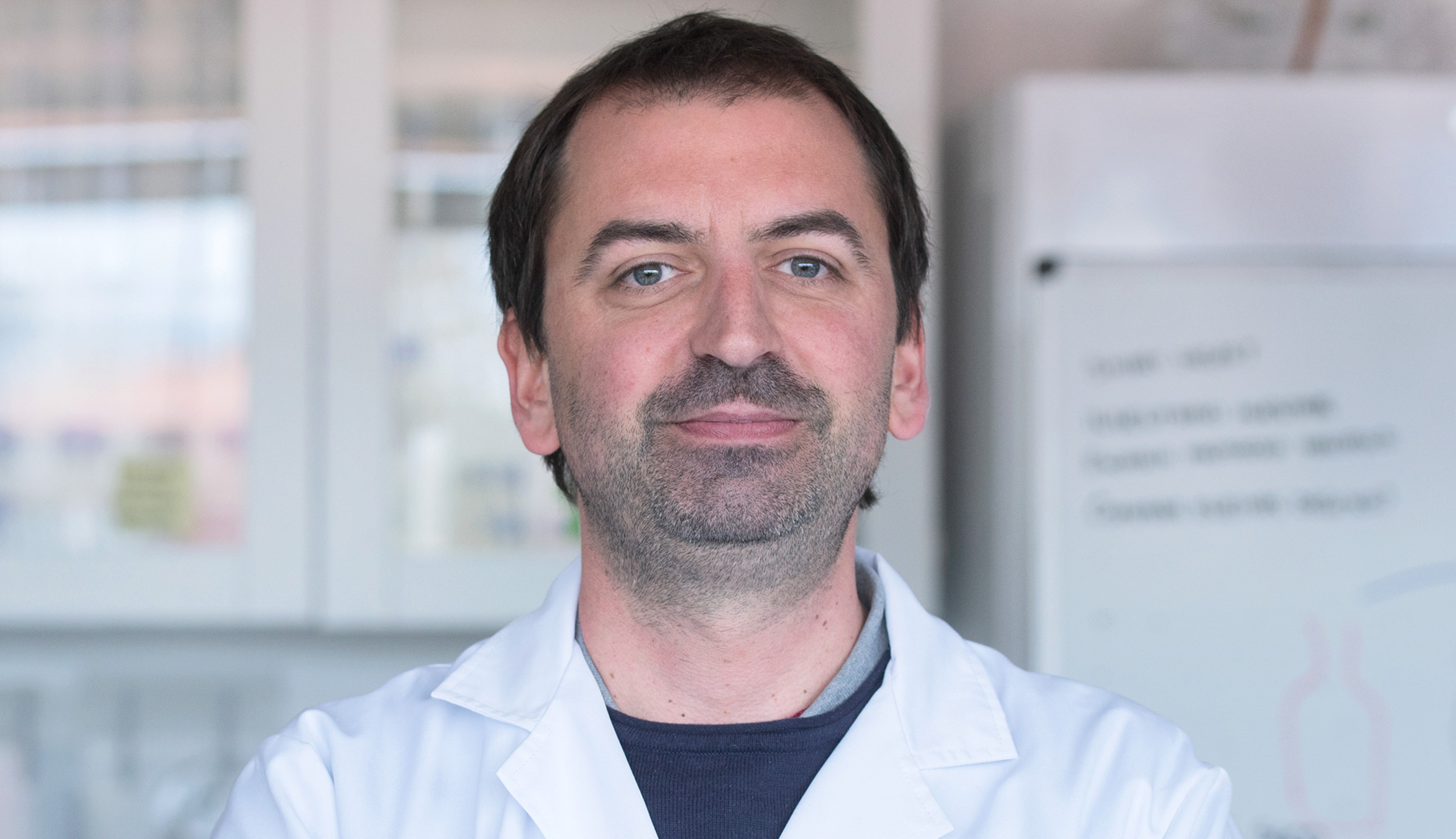
Trabajamos para conocer las proteínas que componen el cerebro humano
Enrique Santamaría Martínez
Cargo
Área de investigación
Unidad o grupo de investigación
Tipo de investigador
Navarrabiomed
Tipo de investigación
Servicio
Servicio
Service type
Scientific-Technical Services

Mendaza Lainez

Saioa
Saioa Mendaza Lainez
Cargo
Área de investigación
Otro cargo
Study Coordinator
Tipo de investigador
Vídeo
Navarrabiomed
Tipo de investigación
Servicio
Service type
Scientific-Technical Services

Gómez Fernández

Marisol
Theoretical and applied machine learning: explainability, probabilistic ML, multimodal learning
Marisol Gómez Fernández

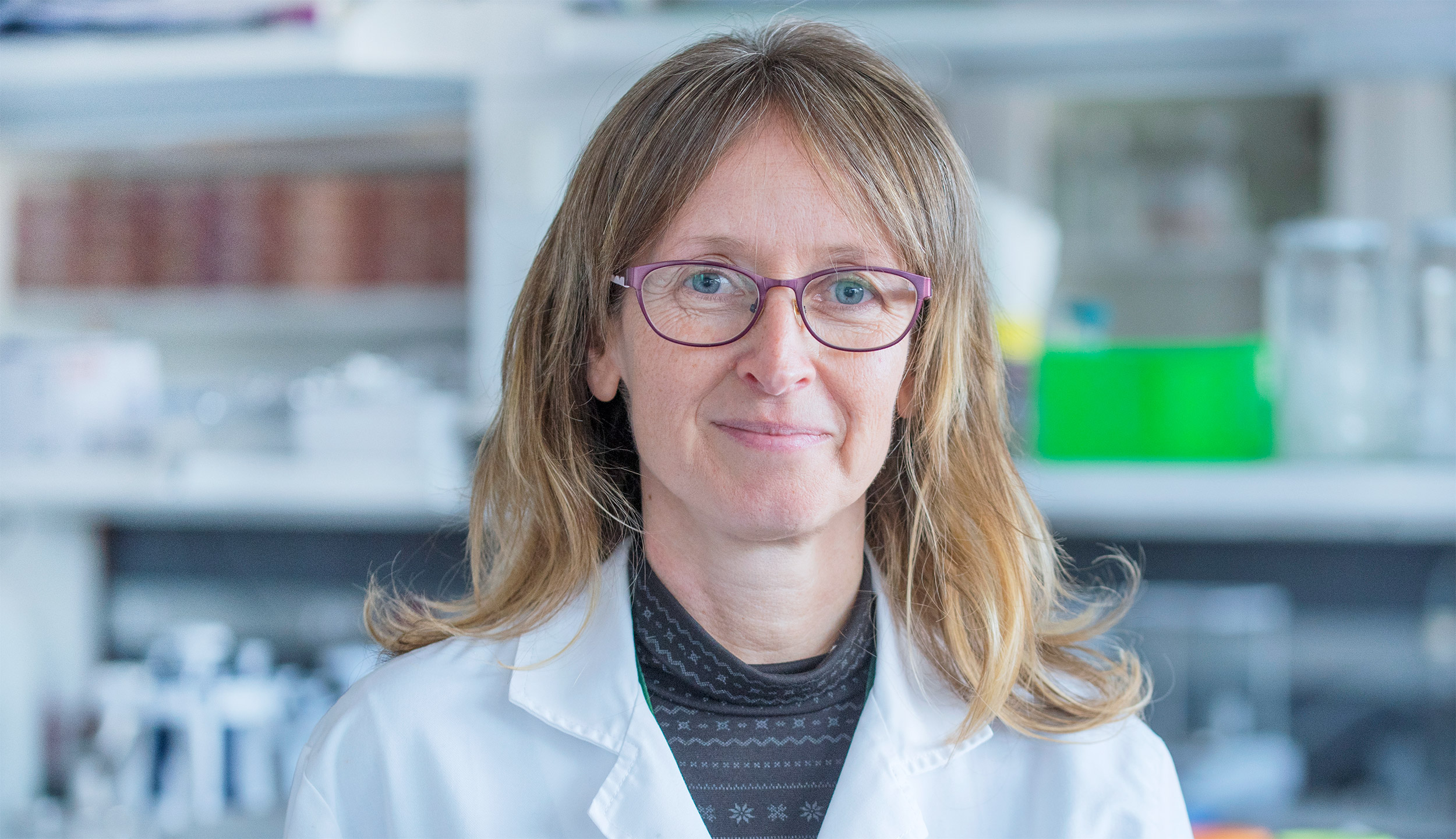
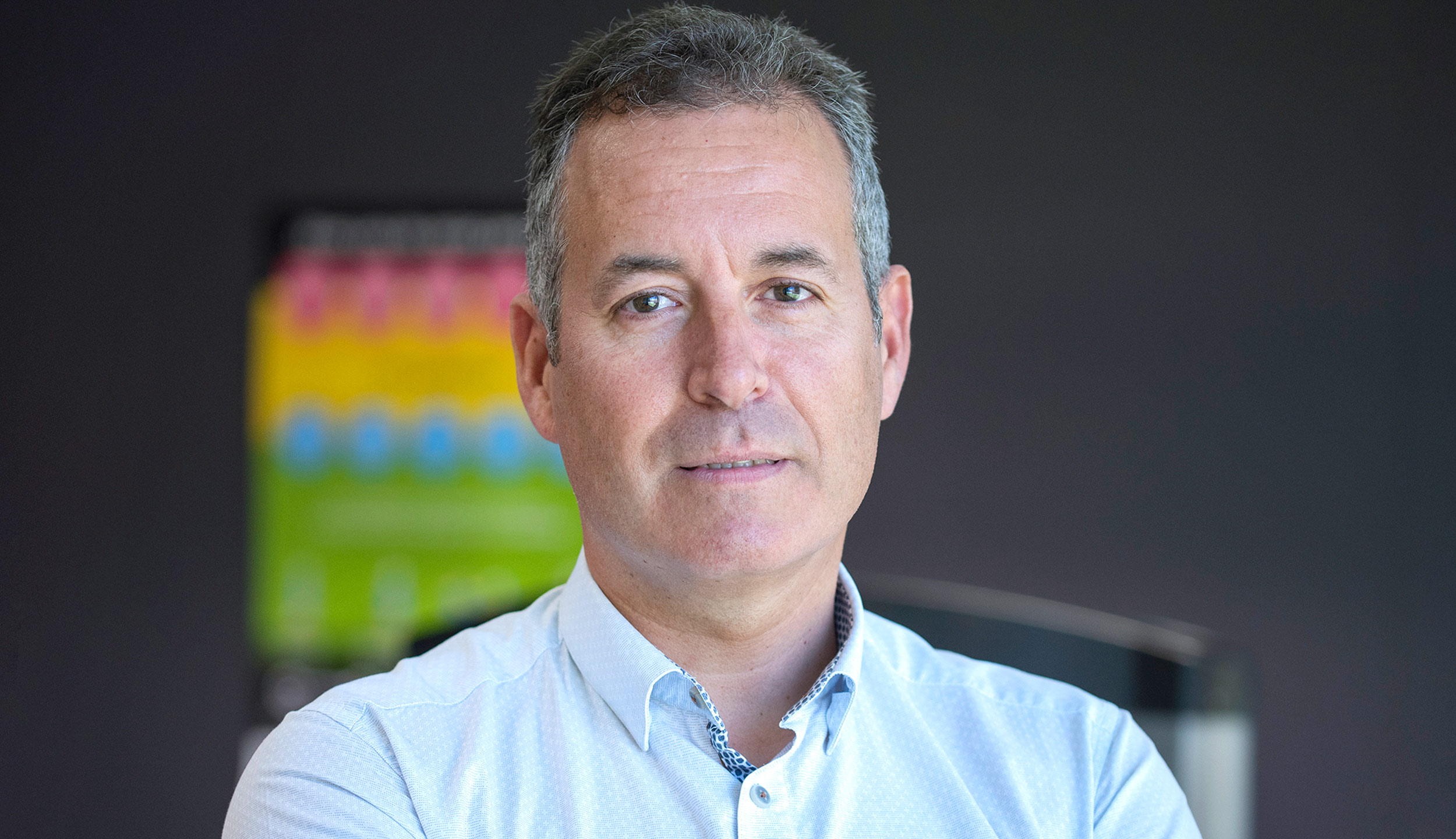
Marisol Gómez holds a Bachelor's degree in Mathematics (U. Salamanca) and a Ph.D. in Mathematics (Public University of Navarra, UPNA). She also completed a University Specialization Program in Machine Learning at UPNA. She is currently a Full Professor in the research field of Algebra.

Marisol Gómez is the PI of the Algebra and Applications Group at Navarrabiomed.

From January 2018 to June 2024, she was the PI and coordinator of the Bioengineering and Health Biotechnologies Area at the Navarra Health Research Institute (IdISNA).

Her current research lines focus on the development of machine learning methods for multimodal information extraction and optimization techniques for processing biosignals.

She is the co-author of more than 90 publications, and has participated in 20 publicly funded research projects. She has co-supervised 8 PhD theses (5 completed, 3 ongoing). She regularly serves as a reviewer for JCR-indexed journals. Her citation metrics are: h-index: 18 (WoS), 20 (Scopus), 22 (Google Scholar).

She is also affiliated with the Institute for Advanced Materials and Mathematics of UPNA, a multidisciplinary research institute bringing together scientists in Mathematics, Physics, Chemistry, and Materials Science.

From August 22, 2019, to June 30, 2024, she held the position of Deputy Director of Strategic Planning and Quality at the Higher Technical School of Industrial, Computer, and Telecommunication Engineering (ETSIIIT) of UPNA. She is also co-leader of Work.

Package 41 ("Interterritorial Innovation Interfaces") in the UNITA European University alliance.

She is co-founder of two UPNA spin-off companies: Movalsys S.L., focused on multimodal analysis of human movement for health and sports applications and Tairel Data S.L., which offers AI-based personalized solutions and advanced data processing services.

She actively participates in science outreach activities, especially through the Women in Science and Technology Chair at UPNA, supported by the Government of Navarra.
 

Área de investigación
Unidad o grupo de investigación
Tipo de investigador
Navarrabiomed
Tipo de investigación
Unidad de investigación

Escors Murugarren

David
‘Development of new immunotherapies against cancer’
David Escors Murugarren

World's Top 2% Scientists (Stanford University)

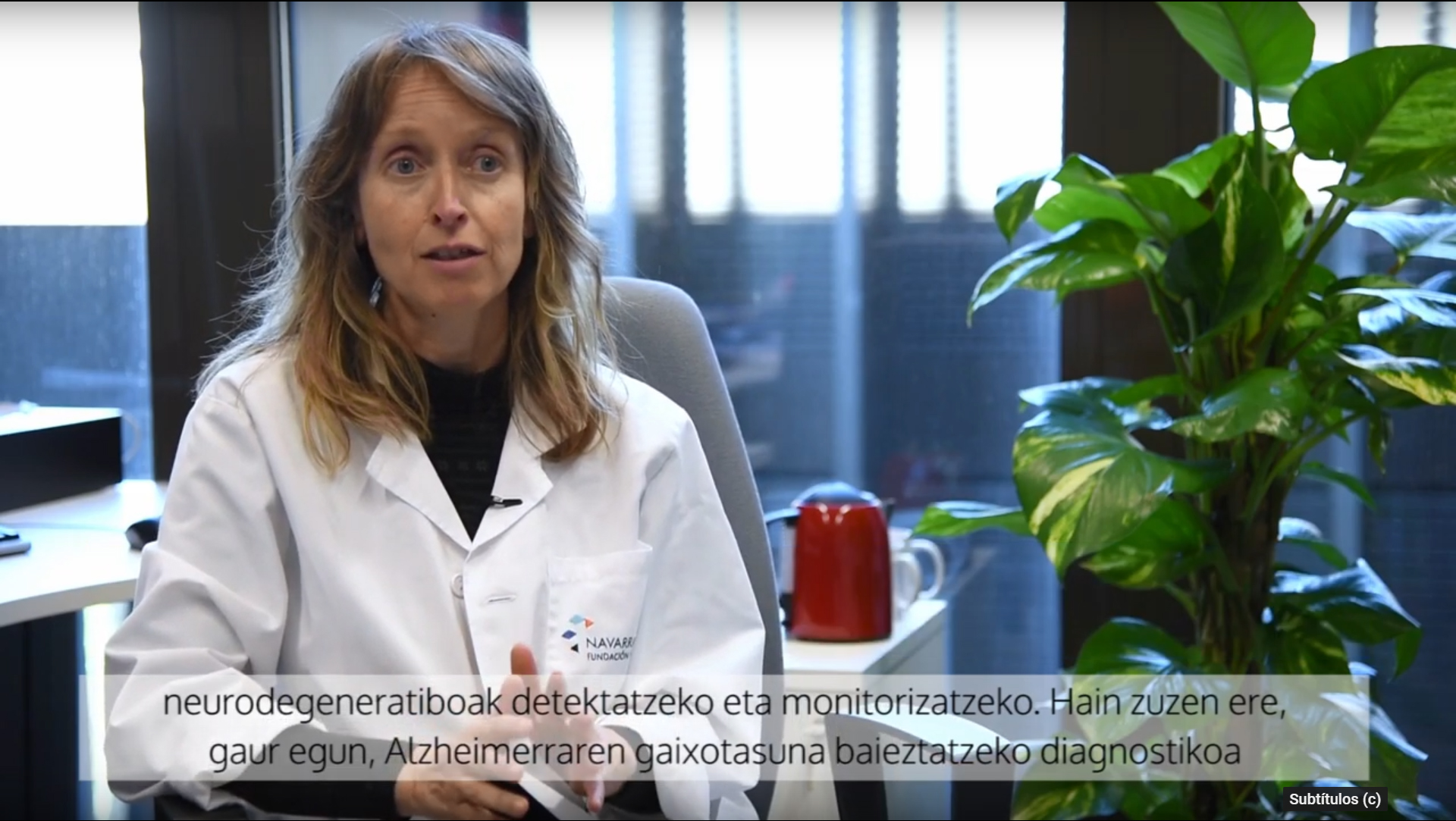
Dr. David Escors Murugarren is a Spanish researcher born in Pamplona, Navarre, in 1974. He earned a degree in Biological Sciences from the University of Navarre and completed his doctoral thesis at the Autonomous University of Madrid in 2002. His thesis focused on the structure of the coronavirus of transmissible porcine gastroenteritis and the encapsidation of its genome. After completing his doctorate, he continued his postdoctoral training as a Marie Curie researcher at University College London (UCL), where he collaborated on research about lentiviral vectors and their use in cancer immunotherapy. In 2013, he returned to Spain and joined the Navarrabiomed Research Center, where he leads the immunomodulation group. Dr. Escors specializes in oncological immunotherapy and has published more than one hundred articles, reviews, and book chapters. His research focuses on the development of new immunotherapies for solid tumors, and he has been awarded the V SER Navarra Award (Innovation Category) for his work in research on the

SARS-CoV-22.
(me dice copilot que a ver si no es : SARS-CoV-2) 
 

Área de investigación
Unidad o grupo de investigación
Tipo de investigador
Navarrabiomed
Tipo de investigación
Unidad de investigación
Tesis dirigidas defendidas
María Gato Cañas
Study of two barriers in melanoma immunotherapy: Myeloid derived suppressor cells and PDL1/PD1 interaction.
Alessio Lanna
Molecular Tuning of Telomerase Activity in Senescent Human T cells.
Christopher Bricogne
Plasma membrane dynamics regulating the PD-1: PD-L1 pathway.
Therese Maria Liechtenstein
Lentivector-based cancer immunotherapy silencing PD-L1 and modulating cytokine priming; Development of ex vivo myeloid-derived suppressor cells to assess therapeutic efficacy.
Mehdi Baratchian
Understanding the mechanisms of NF-kB activation by viral oncoproteins vFLIP and Tax.
Holly Nicole Stephenson
Innate Immune Recognition of Glycosylated Surface Determinants of Campylobacter jejuni.