Neuroscience

Santamaría Martínez

Enrique
‘Understanding the role of proteins in the human brain’
Enrique Santamaría Martínez

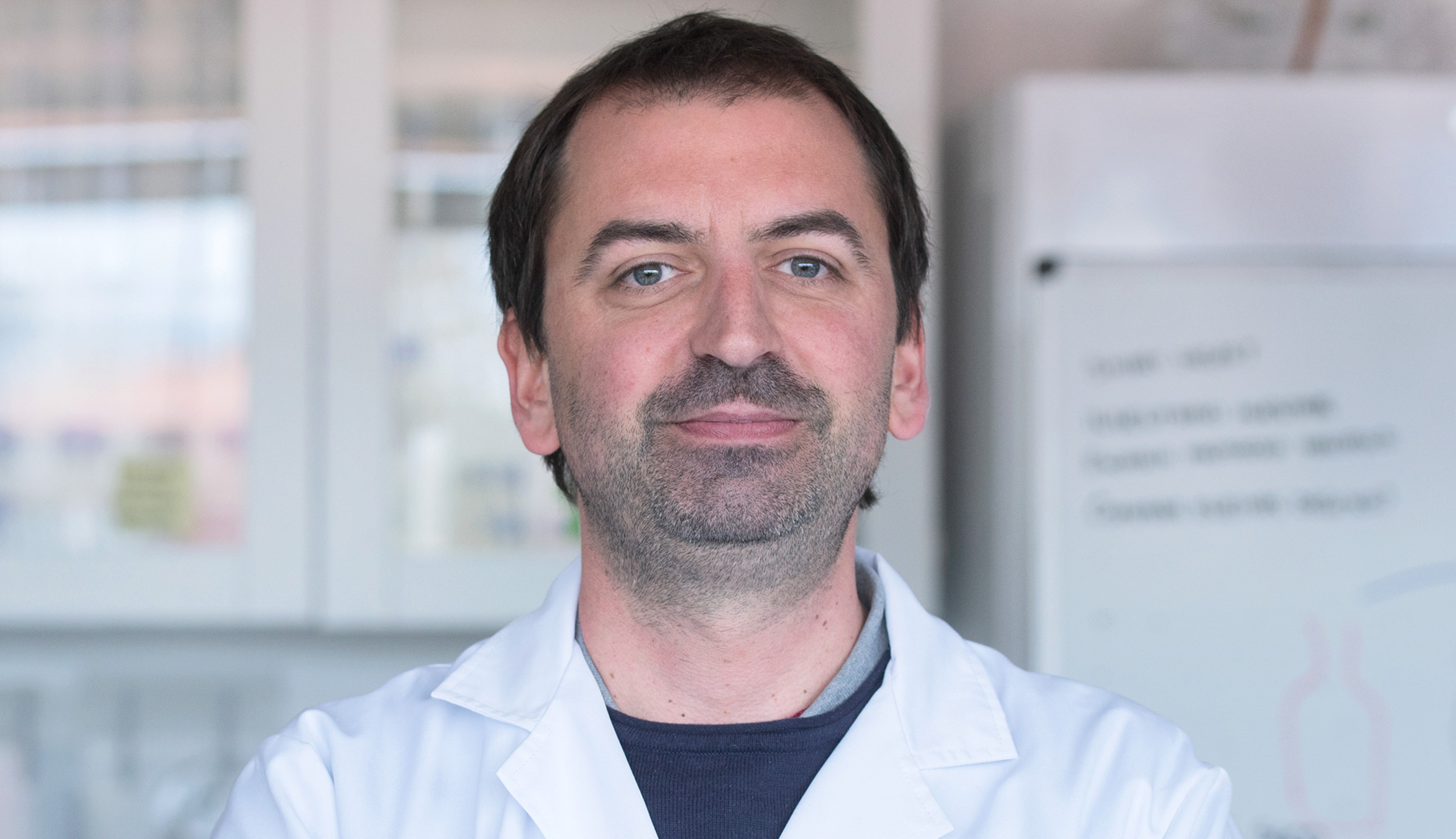
My interest has always been focused on protein biochemistry and proteomics. My doctoral research (awarded in 2005) focused on the identification of biomarkers of non-alcoholic steatohepatitis and hepatocarcinoma using proteomics, obtaining three patents during this period. During my postdoctoral stage (2006-10), I was involved in a Sixth Framework EU project (FP6) gaining extensive knowledge in proteogenomic strategies to improve the potency and safety of HSV-1 based oncolytic vectors. As a complement to my scientific training, I completed a Master in Business Management of SMEs (2008). In 2011, I moved to Navarrabiomed Biomedical Research Center (Miguel Servet Foundation, Pamplona, Spain) to establish a research unit focused on the characterization of neurodegenerative proteinopathies dealing with protein expression profiling, multiomics, posttranslational modifications, drug repositioning and protein-protein interactions involved in neurological syndromes. Throughout my scientific career, I have contributed in more than 140 papers, 20 book chapters, and edited three books about cerebrospinal fluid and brain proteomics. I have more than 10 years of experience in leading, mentoring and coaching scientists at all levels of education, being Assistant Professor in several National Biomedical Masters, Associate Professor at Health Sciences Department (UPNA) and supervising 7 PhD theses and multiple master degrees’ students.

Área de investigación
Unidad o grupo de investigación
Tipo de investigador
Navarrabiomed
Tipo de investigación
Unidad de investigación
Servicio
Service type
Scientific-Technical Services
Tesis dirigidas defendidas
Andrea González-Morales
Molecular study of glioblastoma multiforme cells treated with the oncolytic adenovirus Delta-24-RGD.
Mercedes Lachén-Montes
Olfaction and neurodegeneration: Olfactory Proteotyping across Proteinopathies.
Virginia Sánchez Quiles
Estudio de la función de Prohibitina-1 en la regulación de la proliferación y muerte celular. Implicaciones en procesos de daño hepático.
Maria Victoria Zelaya
Anatomo-proteomic study of the olfactory bulb in different stages of sporadic Alzheimer´s disease. Identification of common and distinct olfactory targets across Alzheimer´s disease copathologies.

Mendioroz Iriarte

Maite
DNA methylation in neurodegenerative diseases such as Alzheimer’s. #NeuroEpigenTransforms
Maite Mendioroz Iriarte

Maite Mendioroz Iriarte holds a degree in Medicine and Surgery from the University of Navarra (1996) she completed her specialist training in Neurology (MIR) from Donostia University Hospital. She completed her training at Vall d’Hebron- Institut de Recerca Hospital (2006-2010), where she defended her doctoral thesis cum laude at UAB (2010). Between 2010 and 2012, she specialized in neuroepigenetics as a Visiting Scientist at Columbia University (New York). Since 2010, she has been part of the medical team of the Neurology Service at Navarra University Hospital (HUN), where she was Research Coordinator between 2016 and 2022. Since 2013, she has led the NeuroEpigenetics Unit of Navarrabiomed, combining her clinical work with research on neurodegenerative diseases, focusing on biomarkers and therapeutic targets.

She has participated in 26 research projects, serving as principal investigator in 11 (6 national and 5 regional). Her work has resulted in 107 scientific publications. She is a member of the ISCIII RICORS network of cerebrovascular diseases and to the national DEGESCO consortium.
 
She has tutored 12 neurology residents (2014-2019), led 5 doctoral theses, 5 master’s final projects, and 5 undergraduate projects. In addition, she was an associate clinical professor at the UNAV (2013-2022). Since 2022, she has served on the Management Committee of the EDONA Doctoral School of the UPNA.


Since 2022, she has been a member of the board of the Dementia Study Group of the Spanish Society of Neurology. She has evaluated projects for the State Agency for Research and participated in the CTEs of the ISCIII as a panel adjunct. Among her recognitions are the National Award Alberto Rábano (2011), her appointment as an Honorary Member of the European Council of Doctors (2018), the TELVA Science Award (2018), and her inclusion in the Top 100 Women Leaders in Spain ranking (2021).


In addition, she served as Director of Navarrabiomed–Miguel Servet Foundation between 2022 and 2024, consolidating her position as a leading researcher and specific manager in research and management in neuroscience and epigenetics.


Área de investigación
Unidad o grupo de investigación
Tipo de investigador
Vídeo
Imagen Ibeas
Proyecto IBEAS - PLUS
Maite
Mendioroz Iriarte
Head of the Unit
Navarrabiomed
Tipo de investigación
Unidad de investigación

PT17/0019/0009 - PLATAFORMA DE RECURSOS BIOMOLECULARES

En el marco de la convocatoria de la Acción Estratégica en Salud 2017 se conceden las ayudas para la creación de estructuras estables colaborativas en red, en áreas temáticas específicas de carácter transversal.

Las Plataformas están constituidas por un conjunto de unidades, y cuentan con un Plan Estratégico que establece los objetivos a realizar por las unidades participantes, la estimación de resultados, su plan de gestión y los recursos necesarios para llevar a cabo dicho Plan.

Networks
Título corto o Acrónimo
Plataforma de recursos biomoleculares 2017
Imagen del proyecto
RECURSOS BIOMOLECULARES
Proyecto Propio o Vinculado
Unit or group
Financing
Nacional
Organisation
Instituto de Salud Carlos III
Centre
Navarrabiomed
Área de investigación
Documentación
Vídeo
Organismo financiador

GºNa 36/18 - Biopsia líquida en la enfermedad de Alzheimer: hacia un diagnóstico no invasivo

Es objeto de esta convocatoria promover la realización de proyectos de investigación en ciencias de la salud y de los cuidados sociosanitarios, con la finalidad de contribuir a la mejora de la salud de la población. Los proyectos de investigación podrán desarrollarse en el campo de la investigación clínica, de la salud pública y de los servicios sanitarios y sociosanitarios, así como estar orientados a la mejora de la salud o de los procesos y a las tecnologías de investigación biomédica.
Resolución 656/2018

National Projects
Título corto o Acrónimo
Biopsia líquida en la enfermedad de Alzheimer
Imagen del proyecto
Biopsia líquida en la enfermedad de  Alzheimer
Proyecto Propio o Vinculado
Unit or group
Financing
Nacional
Organisation
Departamento de Salud del Gobierno de Navarra
Centre
Navarrabiomed
Área de investigación
Documentación
Vídeo
Organismo financiador

PI17/02218 - Proyecto iBEAS: Identificación de Biomarcadores Epigenéticos en la enfermedad de Alzheimer en Sangre periférica

National Projects
Título corto o Acrónimo
iBEAS
Imagen del proyecto
Neuroepigenética
Proyecto Propio o Vinculado
Unit or group
Financing
Nacional
Organisation
Instituto de Salud Carlos III
Centre
Navarrabiomed
Área de investigación
Documentación
Vídeo
Organismo financiador

Santamaría Martínez

Enrique
Trabajamos para conocer las proteínas que componen el cerebro humano
Enrique Santamaría Martínez
Cargo
Área de investigación
Unidad o grupo de investigación
Tipo de investigador
Navarrabiomed
Tipo de investigación
Servicio
Servicio
Service type
Scientific-Technical Services

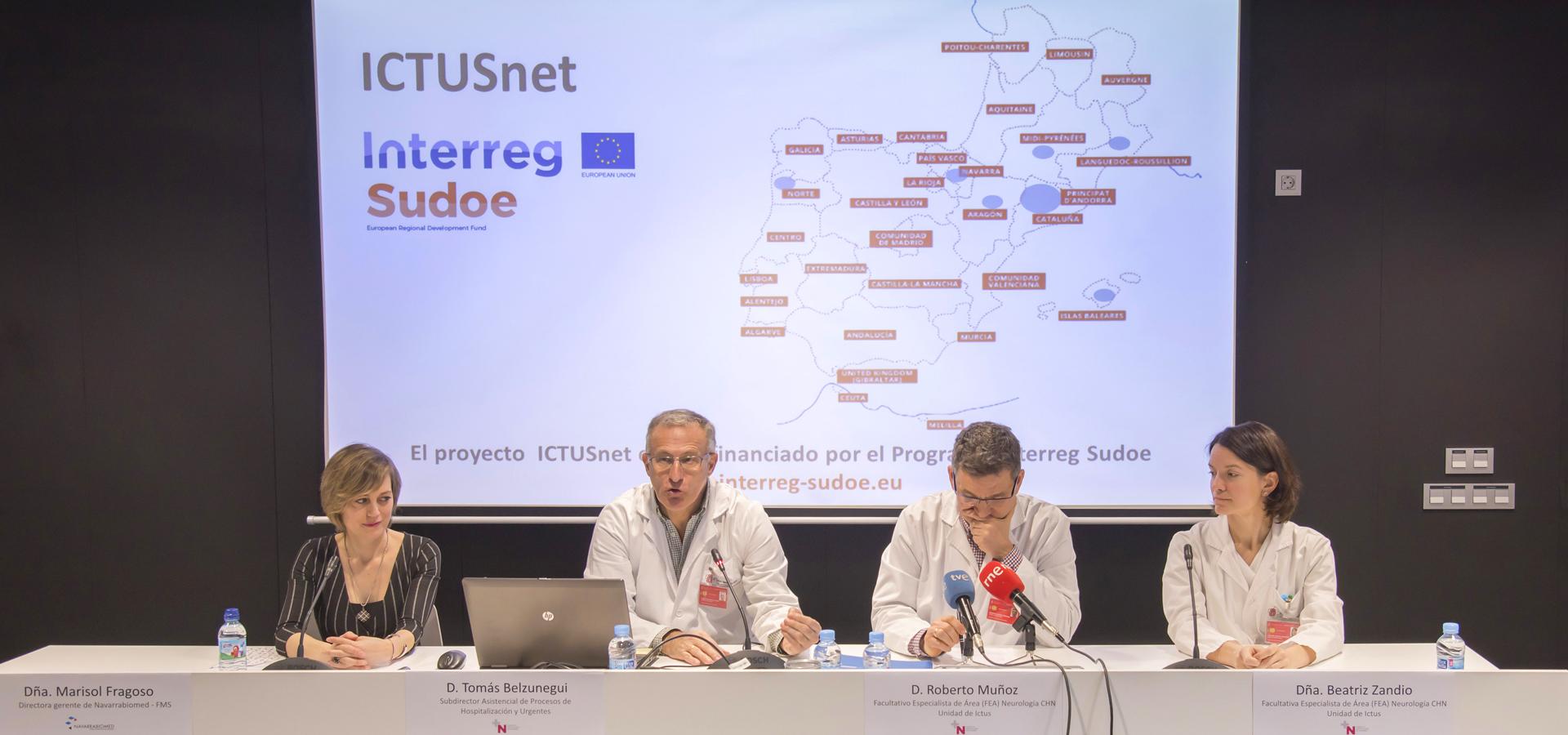
SOE2/P1/E0623 Excellence network for the development and implementation of innovative models for Ictus integrated attention (ICTUSnet)

The general objective of ICTUSnet project is to promote the R&D&I collaboration, to stimulate mutual learning and to encourage innovation in integrated stroke care, thanks to the application of new data analysis technologies and the creation of a permanent network that gives all the stakeholders involved in the different phases of the care chain the opportunity to share information, lessons learned and good practices among the Interreg-Sudoe territory.


Networks
Título corto o Acrónimo
ICTUSnet
Imagen del proyecto
ICTUSnet
Proyecto Propio o Vinculado
Unit or group
Financing
Internacional
Organisation
Interreg SUDOE
Centre
Navarrabiomed y Complejo Hospitalario de Navarra
Área de investigación
Vídeo
What is ICTUSnet
Organismo financiador

Neuroepigenetics

Neuroepigenetics

Our aim is to describe the DNA methylation pattern and its influence on the development of neurological diseases, as well as identify epigenetic biomarkers for diagnosis, prognosis and therapeutic monitoring. To this end, we use advanced techniques and procedures of Personalized and Precision Medicine, such as liquid biopsy, ELISA and digital PCR. Our main area of interest is neurodegenerative diseases and post-stroke cognitive decline. In addition, we work to define the epigenetic bases involved in adult neurogenesis and that influence both neurodegeneration and resilience to these processes, in order to find therapeutic targets. Our research incorporates the analysis of sex- and gender- related differences across the different pathologies.


Research lines:
•    Identification of Epigenetic Biomarkers in Alzheimer's disease and other Neurodegenerative Diseases.
•    Precision and Personalized Medicine in the diagnosis of dementias.
•    Mechanisms of neurogenesis and resilience in Alzheimer's disease: new therapeutic targets.
•    Identification of Epigenetic Biomarkers of post-stroke cognitive impairment (PSCI).

The group belongs to the ISCIII RICORS network for cerebrovascular diseases, to the national DEGESCO consortium (Dementia Genetics Spanish Consortium) and participates in the SCAP-AD (IMPACT 2022, ISCIII) Personalized and Precision Medicine project.
 

Investigador principal
Área de investigación
Neuroscience
DNA methylation in neurodegenerative diseases such as Alzheimer’s. #NeuroEpigenTransforms
Actualidad

Iván Méndez-López will present his doctoral thesis on Monday, December 19

Author
Navarrabiomed

Iván Méndez-López, clinician and predoctoral researcher at the Neuroepigenetics Unit from Navarrabiomed - IdiSNA will present his doctoral thesis by the Public University of Navarra next Monday, December 19, at 12:00 in the assembly hall of Navarrabiomed.

The doctoral work, which is entitled "Blood pressure targets for hypertension in people with chronic renal disease", has been developed in the Internal Medicine Service of the University Hospital of Navarra and Navarrabiomed, under the direction of Doctors Juan Erviti López and Luis Carlos Saiz Fernández, researchers of the Innovation and Organization Unit of the Navarra Health Service-Osasunbidea. 


Research development

So far there is no established evidence about the optimal blood pressure figures in people with arterial hypertension (AHT) and chronic kidney disease. Using the proven methodology of the Cochrane organization, Méndez-López's work has carried out the first systematic review that addresses this issue with individualized patient data. After the inclusion of 7,348 patients from six clinical trials, it is concluded that an intensive reduction in blood pressure does not provide greater health benefits than those obtained with a standard reduction in blood pressure (BP) in patients with AHT and chronic kidney disease. The relevance of these conclusions suggests that the current recommendations of BP targets for this population should be amended by the international clinical practice guidelines. 


Dissemination of results

The work carried out has led to a scientific publication in 2019, in the Cochrane Database of Systematic Reviews (CDSR), the main journal and database of systematic reviews in health care: “Blood pressure targets for hypertension in people with chronic renal disease”. In addition, partial results of the study have been disseminated at the thirty-first European Meeting on Hypertension and Cardiovascular Protection, held in June 2022 in Athens, Greece. 

Categoría
Galería de imágenes
Iván Méndez-López
Download Flecha que indica descarga
Documentación
Vídeo

Amaya Urdánoz will present her doctoral thesis on Tuesday, July 5th

Author
Navarrabiomed

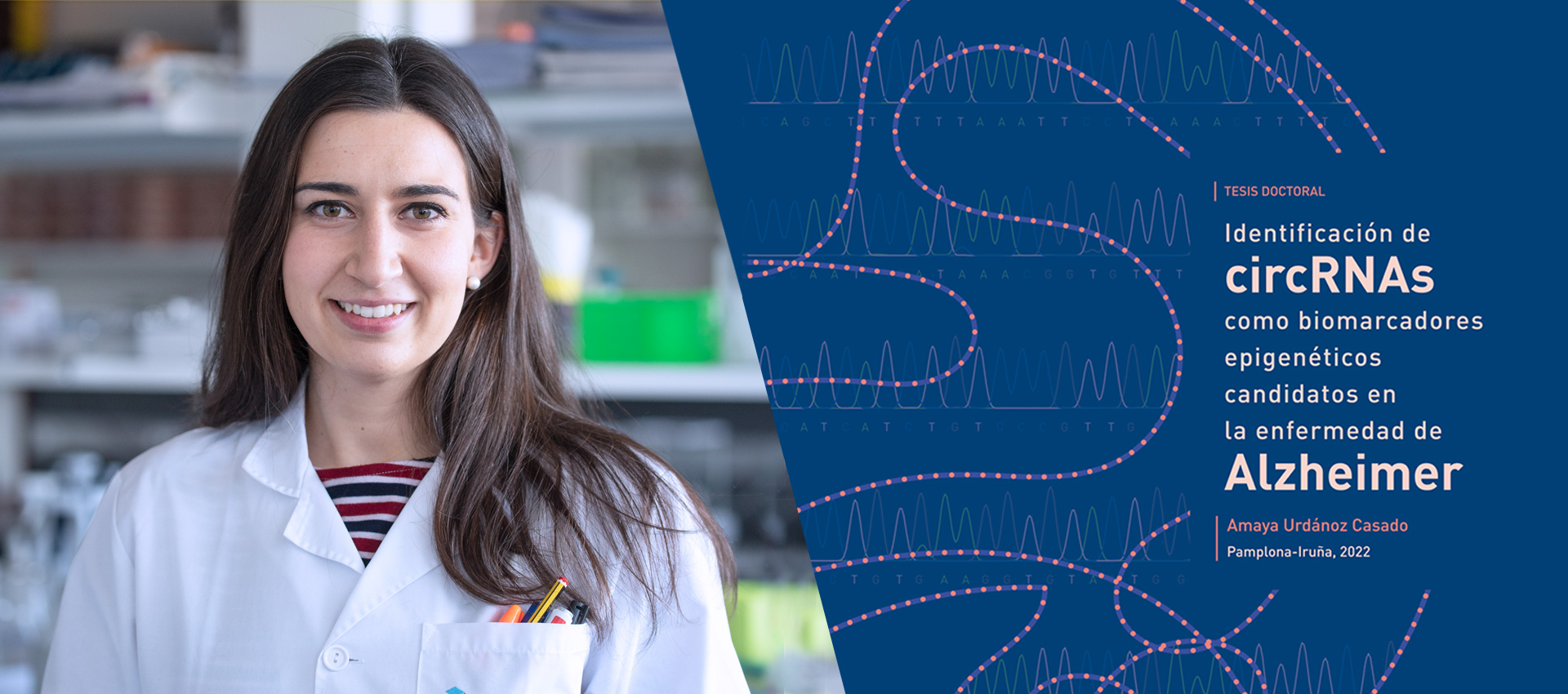
The predoctoral researcher of the Neuroepigenetics Unit of Navarrabiomed, Amaya Urdánoz Casado, will be sitting her viva from the Public University of Navarra next Tuesday, July 5th at 11:00 in the Assembly Hall of Navarrabiomed.


The doctoral work, entitled "Identification of circRNAs as candidate epigenetic biomarkers in Alzheimer's disease”, has been developed at Navarrabiomed under the direction of Maite Mendioroz Iriarte and Idoia Blanco Luquin.

This research focuses on Alzheimer's disease (AD), a neurodegenerative, chronic and, at the moment, irreversible disease that represents the first cause of age-related dementia. It is postulated that circular RNAs (circRNAs) play important roles in brain homeostasis, as well as in the development of neurodegenerative diseases. 
The objective of this doctoral thesis is to identify, in patients with AD compared to controls, circRNAs with differential expression in the human entorhinal cortex (CE), a brain region especially vulnerable to AD. To do this, the study of the expression of circRNAs is proposed using a candidate gene and a genome-wide approach.
In the former, candidate gene approach, 10 genes were selected, whose role in AD had already been described in the literature and from which circRNAs originated. 6 circRNAs derived from the APP, ADAM10, CDR1 and HOMER1 genes were identified, of which 4 showed a differential expression in EC between patients with AD and controls. In addition, three potential circRNAs derived from the TREM2 gene were identified for the first time in the EC.

In the second genome-wide approach, new circRNAs differentially expressed in the EC were identified that so far had not been associated with the development of the disease by transcriptome sequencing in patients with AD with respect to controls. In addition, several circRNA-miRNA-mRNA interaction networks (competitive endogenous RNA network, ceRNET) were predicted.
The results obtained show the deregulation of a series of circRNAs in the EC affected by AD with respect to controls, suggesting their potential involvement in the pathogenesis of the disease.


Disclosure of results and financing

The work carried out has resulted in a scientific publication in the International Journal of Molecular Sciences, “Gender-Dependent Deregulation of Linear and Circular RNA Variants of HOMER1 in the Entorhinal Cortex of Alzheimer's Disease”.
In addition, it has been disseminated at several national and international congresses, the Alzheimer's Association International virtual Conference Satellite Symposium, the 15th International virtual Conference on Alzheimer's and Parkinson's Diseases: Mechanisms, Clinical Strategies and promising Treatments of Neurodegenerative Diseases or at the BraYn Conference: Second brainstorming research assembly for young neuroscientists.

For the development of the thesis, Amaya Urdánoz has received several grants for the recruitment of doctoral students by companies and research and knowledge dissemination organizations: industrial doctoral students 2018-2020 and grants for the financing of a predoctoral contract in health sciences and technologies in the period 2019-2022, both funded by the Government of Navarra. She also received an Erasmus scholarship for her stay at Karolinska Intitutet and an aid for the mobility of doctoral students - UPNA Congresses (2021) to attend, with a communication of her research, the 15th International virtual Conference on Alzheimer's and Parkinson's Diseases: Mechanisms, Clinical Strategies and promising Treatments of Neurodegenerative Disease.

Categoría
Galería de imágenes
Documentación
Vídeo

‘la Caixa’ Foundation, Caja Navarra Foundation and Navarrabiomed launch programme to foster public biomedical research in Navarra

Presentación de las líneas de negocio
Author
Navarrabiomed
  • The programme will offer support to the development of studies in digestive medicine, geriatrics, neuroscience and oncology that will bring advancement and excellence in these fields of research.
  • ‘la Caixa’ Foundation and Caja Navarra Foundation are channelling 1.2 million Euro into this programme, to be run by the biomedical research centre Navarrabiomed, where four doctors from the Navarra Health System-Osasunbidea (SNS-O) will carry out quality biomedical research studies.
  • Through this programme, ‘la Caixa’ Foundation and Caja Navarra Foundation will give support to the leading research centres in Navarra during the 2017-2021 period. Universities and research centres will thus get a total 6.4 million Euro.

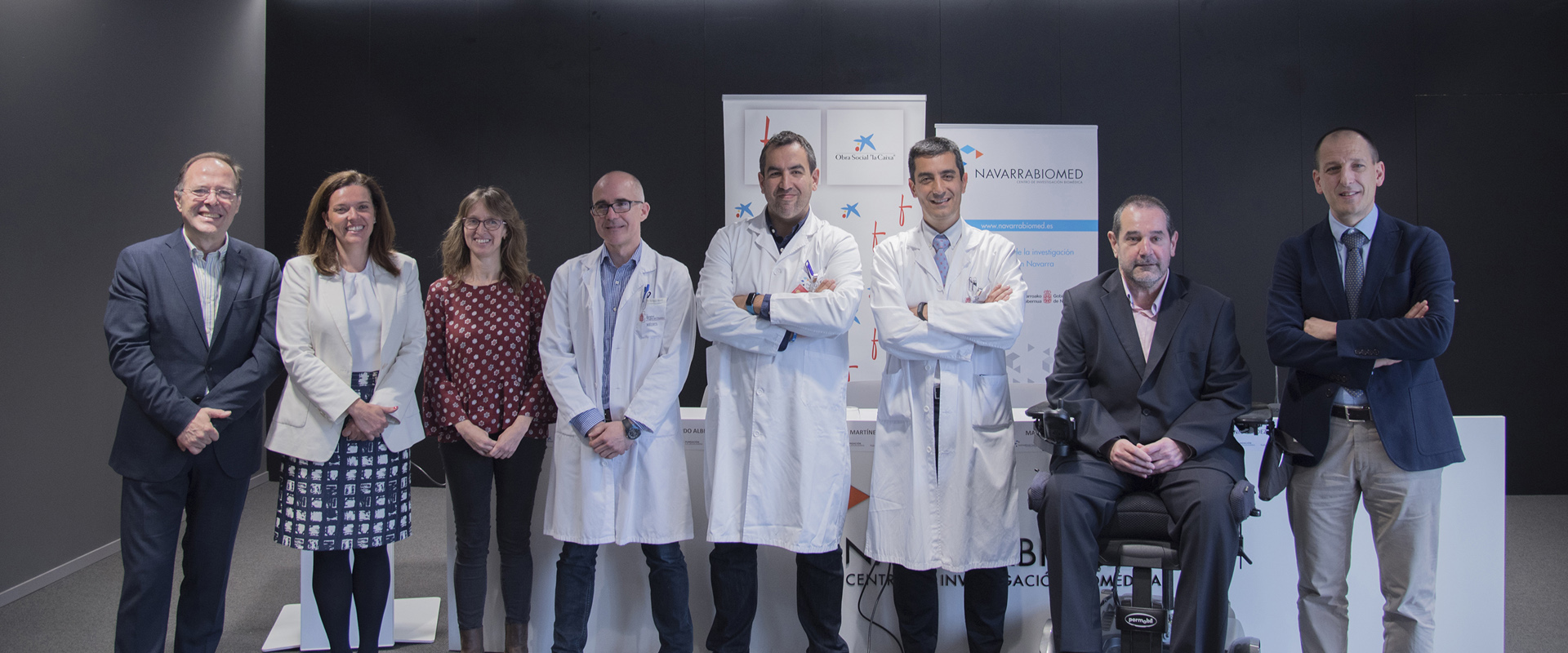
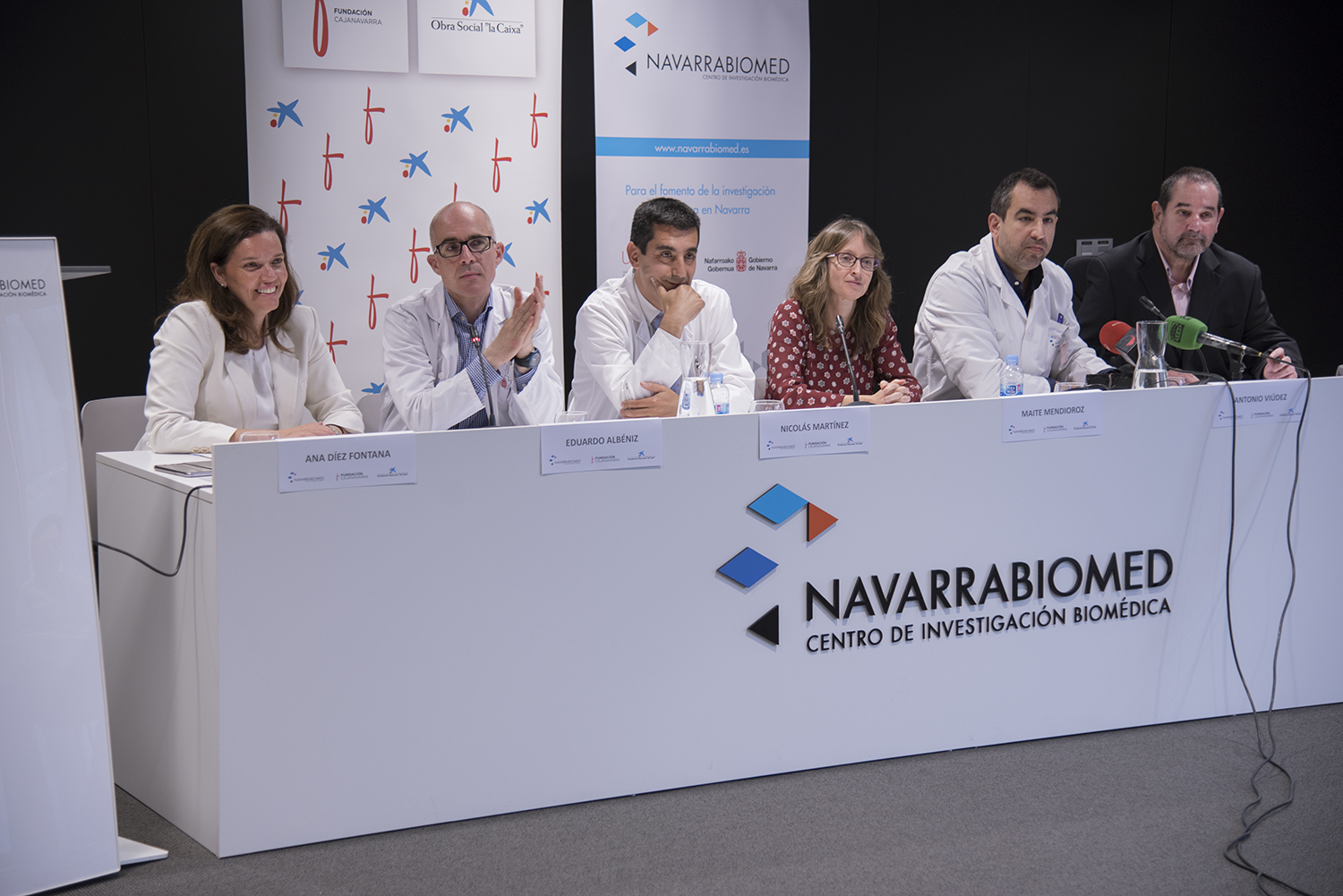
Ana Díez Fontana, Regional Director of CaixaBank in Navarra; Javier Miranda, Chairman of Caja Navarra Foundation; and Iñigo Lasa, Director of Navarrabiomed, announced the research lines to be developed by doctors Eduardo Albéniz Arbizu, Nicolás Martínez Velilla, Maite Mendióroz Iriarte and Antonio Viudez Berral, who were selected by an external evaluation committee from 12 candidates.

The specialists in the programme will be relieved from part of their medical activity so that they can do research. They need time to develop their scientific projects and produce new knowledge in their medical specialties. The initiative enables the establishment of a critical mass of professionals that combine medical activity with research jobs, thus promoting translational medicine to the benefit of patients and society as a whole.

The four doctors selected to join the programme will soon start working at the labs of Navarrabiomed – the joint biomedical research centre of the Government of Navarra and the Public University of Navarra (UPNA). They will establish separate research units for the development of their projects, based on clinical practice at the Navarra Hospital Complex (CHN), with support from other Navarrabiomed units and platforms.

In addition to streamlining research activities in the respective units, they will encourage the participation of resident medical interns (MIRs) by getting them involved in biomedical research projects, trials and programmes.

Four excellent research projects in digestive medicine, geriatrics, neuroscience and oncology

Eduardo Albéniz Arbizu has worked in a number of hospitals across Spain. He received training in advanced endoscopy in France, Japan and China. Currently, he is working at the Gastrointestinal Endoscopy Unit of the CHN Digestive Medicine Service.

Dr Albéniz specialises in endoscopic mucosal resection (EMR) and endoscopic submucosal dissection (ESD) for the removal of early-stage gastrointestinal tumours. These advanced procedures reduce the number of surgical and other more invasive interventions in the treatment of superficial neoplastic lesions. Resection of colorectal polyps, for example, is the procedure with the highest survival rates observed in screening studies for colorectal cancer carried out in Navarra.
The goal of the project led by Dr Albéniz is to provide evidence for the identification of predicting factors for the effectiveness of resection procedures and other factors associated with potential complications that might be minimised.

Nicolás Martínez Velilla has been the Head of the Geriatrics Unit at CHN since 2015. In 2013, he was appointed head of a team partnered with Navarrabiomed for the promotion of research into different aspects of geriatric medicine.

Dr Martínez Velilla’s proposal includes a thorough study for the prevention of old-age frailty and disability or dependency in hospitals and in the community at large. Furthermore, it includes the creation of a European cross-border network to deal with various aspects of ageing. The project is aimed at rethinking hospitalisation of older adults, prescribing exercise to older patients in hospitals so as to improve their quality of life and increasing the sustainability of the health system.

Maite Mendióroz Iriarte has built her professional career as a doctor and researcher in Pamplona, Barcelona, San Sebastián and New York. Since 2010, she has been a member of the Neurology Department at CHN. Over the past few years, she has received grants from ‘la Caixa’ Foundation, Caja Navarra Foundation and the Government of Navarra to boost activity in the Neuroepigenetics Unit at Navarrabiomed.

Between 2018 and 2021, Mendióroz Iriarte will develop a project whose goal is to identify a potential blood-based epigenetic biomarker for early detection and treatment of Alzheimer’s disease. Her study might become the first step towards the implementation of precision medicine in neurodegenerative diseases.

Antonio Viudez Berral has developed his professional career in Navarra, Catalonia and Baltimore, USA. In 2010, he joined the Medical Oncology Service at CHN. Since then, he has been a researcher at Navarrabiomed as well.

Dr Viudez’s project will study pancreatic neuroendocrine tumours to find accurate markers that predict the effectiveness of certain therapies.

In addition, the Medical Oncology Service will be able to strengthen its scientific activity, establishing new lines of research for the improvement of diagnosis, prognosis and prediction of treatment response and toxicity.

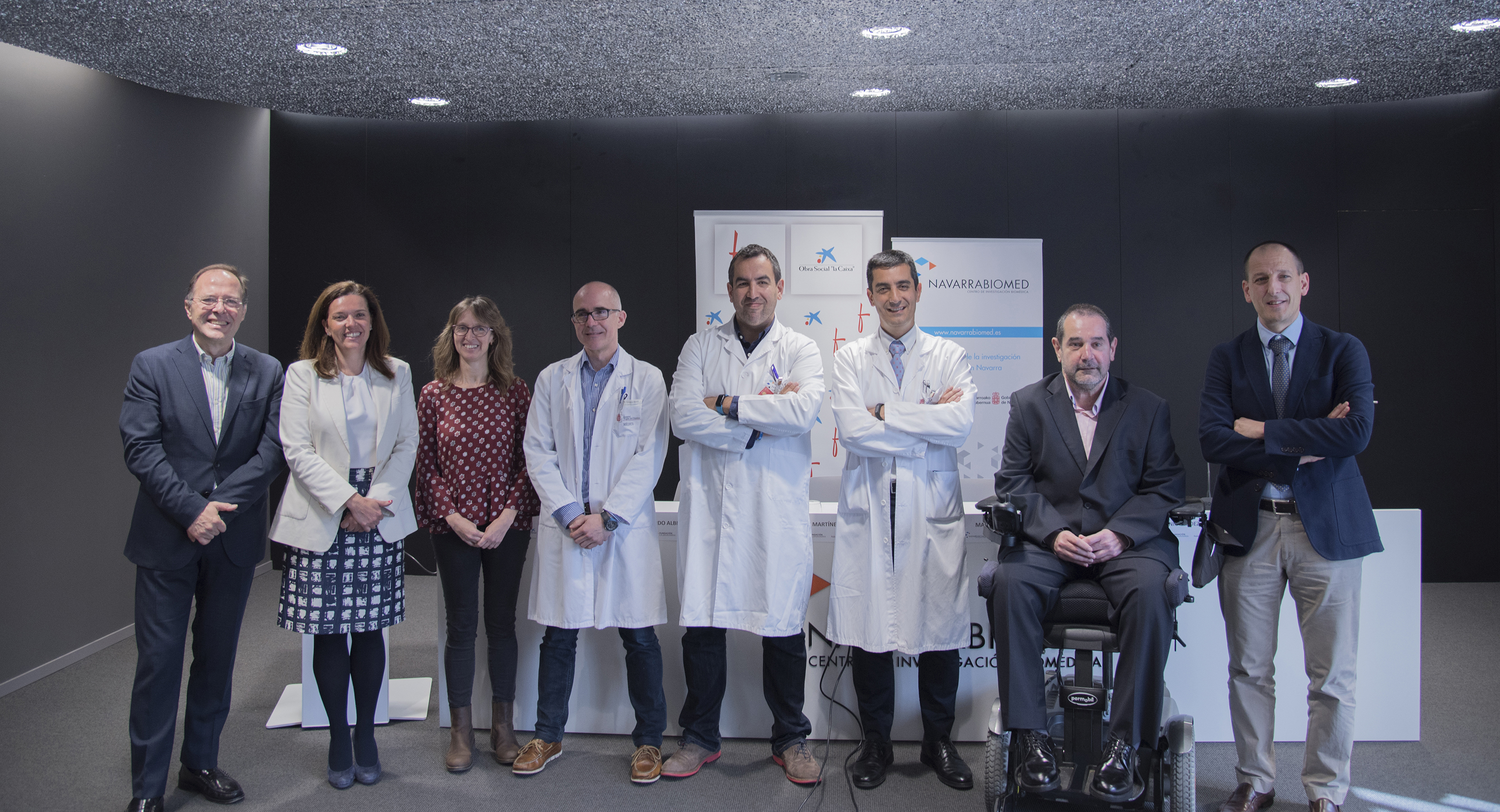
From left to right: Luis Gabilondo, Ana Díez, Maite Mendióroz, Eduardo Albéniz, Antonio Viudez, Nicolás Martínez, Javier Miranda and Iñigo Lasa.


Categoría
Galería de imágenes
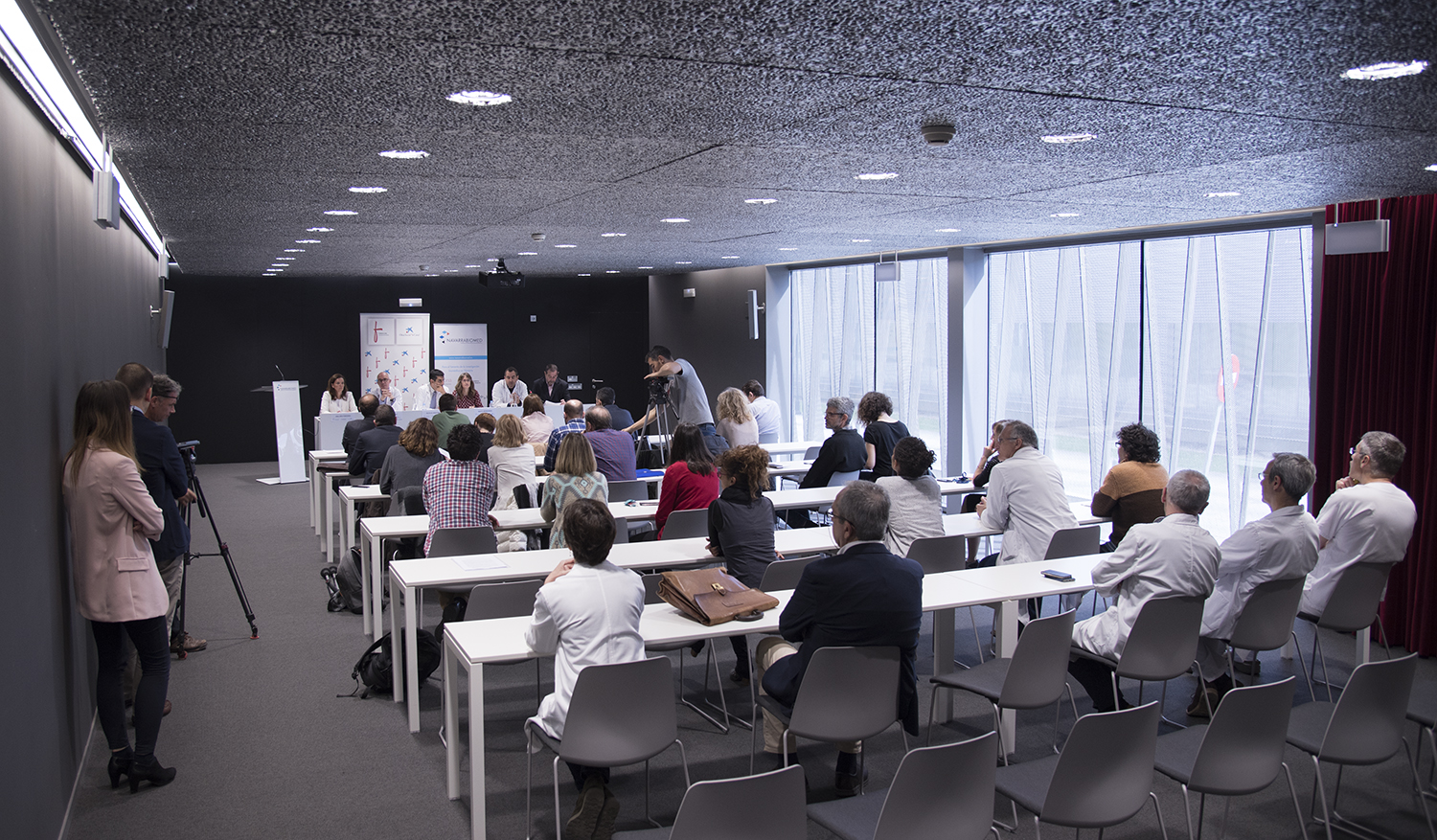
Press conference.
Download Flecha que indica descarga
Press conference.
Download Flecha que indica descarga
Luis Gabilondo, Ana Díez, Maite Mendióroz, Eduardo Albéniz, Antonio Viudez, Nicolás Martínez, Javier Miranda and Iñigo Lasa.
Download Flecha que indica descarga
Vídeo

CHN and Navarrabiomed publish innovative study on liquid biopsy for amyotrophic lateral sclerosis diagnosis and follow-up

Author
Navarrabiomed

The Navarra Hospital Complex (CHN) and the biomedical research centre Navarrabiomed have carried out an innovative study of the so-called ‘liquid biopsy’ in amyotrophic lateral sclerosis (ALS) diagnosis and follow-up. The results of this study were published in the international peer-reviewed journal Annals of Translational Medicine.

On the occasion of the Global ALS Awareness Day, members of the multidisciplinary team treating patients with ALS in Navarra shared the latest research and care developments in connection with this disease, including this innovative study of the use of liquid biopsy testing in ALS diagnosis and follow-up.

The leaders of the study were Maite Mendióroz and Ivonne Jericó, doctors from the CHN Neurology Department and researchers at Navarrabiomed. The project was part of the scientific activity done at the Navarra Medical Research Institute (IdiSNA), a public-private agency for the promotion of biomedical research in Navarra. The survey involved ALS patients and a control group (individuals without ALS), and professionals from the departments of Neurology and Anaesthesiology and the Nursing Team at CHN, and the Neuroepigenetics Unit at Navarrabiomed.

According to the study coordinators, one of the biggest weaknesses in research into neurodegenerative disease is the difficulty to access and study the nervous tissue of living patients. In order to address this difficulty, the study analyses the application of liquid biopsy testing, a technique recently developed in the field of cancer research, to ALS diagnosis.

Liquid biopsy is based on the fact that, when cells degenerate and die, their contents – including DNA – flow into the bloodstream. The released DNA molecules contain biochemical information about the original cells (hence the name ‘biopsy’) – in this case, diseased neurons. The original cell contents can be isolated and analysed in blood samples (hence the name ‘liquid’). The researchers have successfully used this technique with ALS patients to identify a new gene, RHBDF2, as a biomarker for ALS diagnosis in the future.

‘To the best of our knowledge, this is the first time ever liquid biopsy has been used to diagnose neurodegenerative diseases. The results have been encouraging so far. Now we are planning to extend the technique to other neurodegenerative diseases, such as Alzheimer’s disease,’ the doctors said, adding that the survey was made possible by the generous participation of patients and their families, and the volunteers in the control group.

A multidisciplinary team, 11 years and more than 200 patients

The team treating ALS patients in Navarra have striven to promote ALS research right from the start. Currently, two researchers at the Navarrabiomed Neuromuscular Disease and Motor Neuron Disease Group (headed by Dr Jericó) are working on ALS for their PhD projects, and other four projects address this neurodegenerative disease – specifically, the identification of biomarkers for diagnosis and follow-up, the role of neuroinflammation, the underlying mechanisms, the analysis of genetic factors, and the study of epidemiological aspects and disability.
The Group coordinates both research and care activities, and collaborates with the Navarrabiomed Proteomics and Biobank platforms, the Neuroepigenetics Research Unit (headed by Dr Mendióroz) and the Navarra Public and Occupational Health Service (Rare Disease Registry).

Amyotrophic lateral sclerosis is a progressive nervous system disease with a heterogeneous clinical presentation but common symptoms like muscle weakness and progressive muscular atrophy. Prognosis is variable among patients. About 5 to 10 per cent of ALS is familial, which means it arises in families in which there is a history of ALS. The other 90 to 95 per cent of ALS is sporadic, meaning it occurs without a family history, its causes still being unknown. Every year, 1 to 2 people every 100,000 are diagnosed with ALS. Despite being a rare disease, it has a deep social and family impact. Currently, there is no cure for ALS, but this does not mean there is no treatment.

ALS care involves multiple disciplines. On the occasion of the Global ALS Awareness Day the multidisciplinary team at CHN shared an informative brochure with patients and their families, highlighting the importance of coordinated social and health care through multidisciplinary units or teams. Active for 11 years now, the CHN team have treated over 200 patients to date.

Navarra has been one of the first Spanish regions to implement a multidisciplinary care model for ALS patients. Since 2007, the region has been offering comprehensive, coordinated care to them and their families, through a multi- and interdisciplinary team whose members include a neurologist, (Dr Ivonne Jericó), a nutritionist (Dr Ana Zugasti), two pulmonologists (Dr Joan Boldú and Dr Begoña Fernandez), a neurophysiologist (Dr Asun Ibiricu), an intensive care physician (Dr Juan Pedro Tirapu), a social worker (Rakel Suescun), neurology nurses, dieticians, a palliative care service and members of the Psychological and Social Support Service at San Juan de Dios Hospital (Yolanda Santesteban and Ana Baños).

From the beginning, the team set out to offer adequate, tailored, patient-centred social and health care, while promoting research as the key to finding an effective treatment for ALS.
 

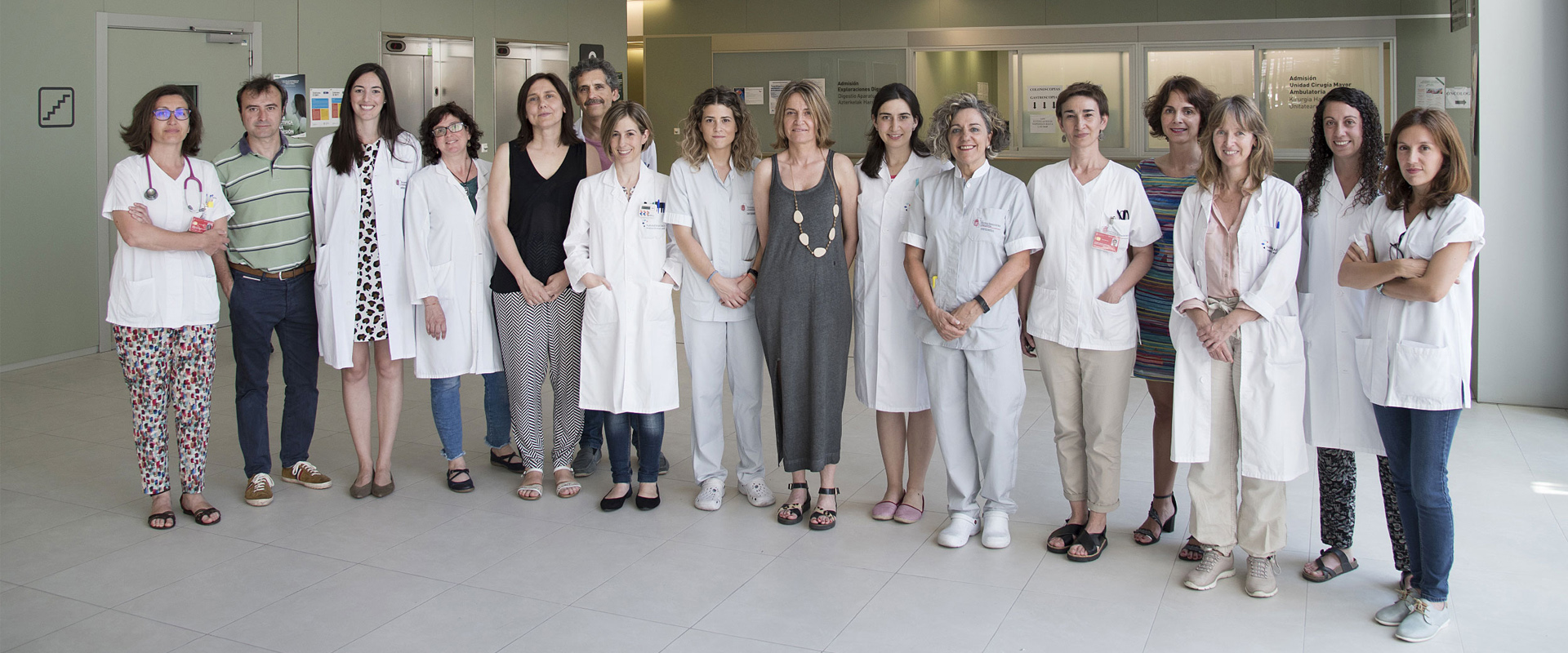
Image: Members of the multidisciplinary team treating patients with ALS in Navarra.

Categoría
Documentación
Vídeo
Documentation
Colaboraciones externas
Vídeo
IBEAS - PLUS
IBEAS - PLUS
Maite
Mendioroz Iriarte
Head of the Unit
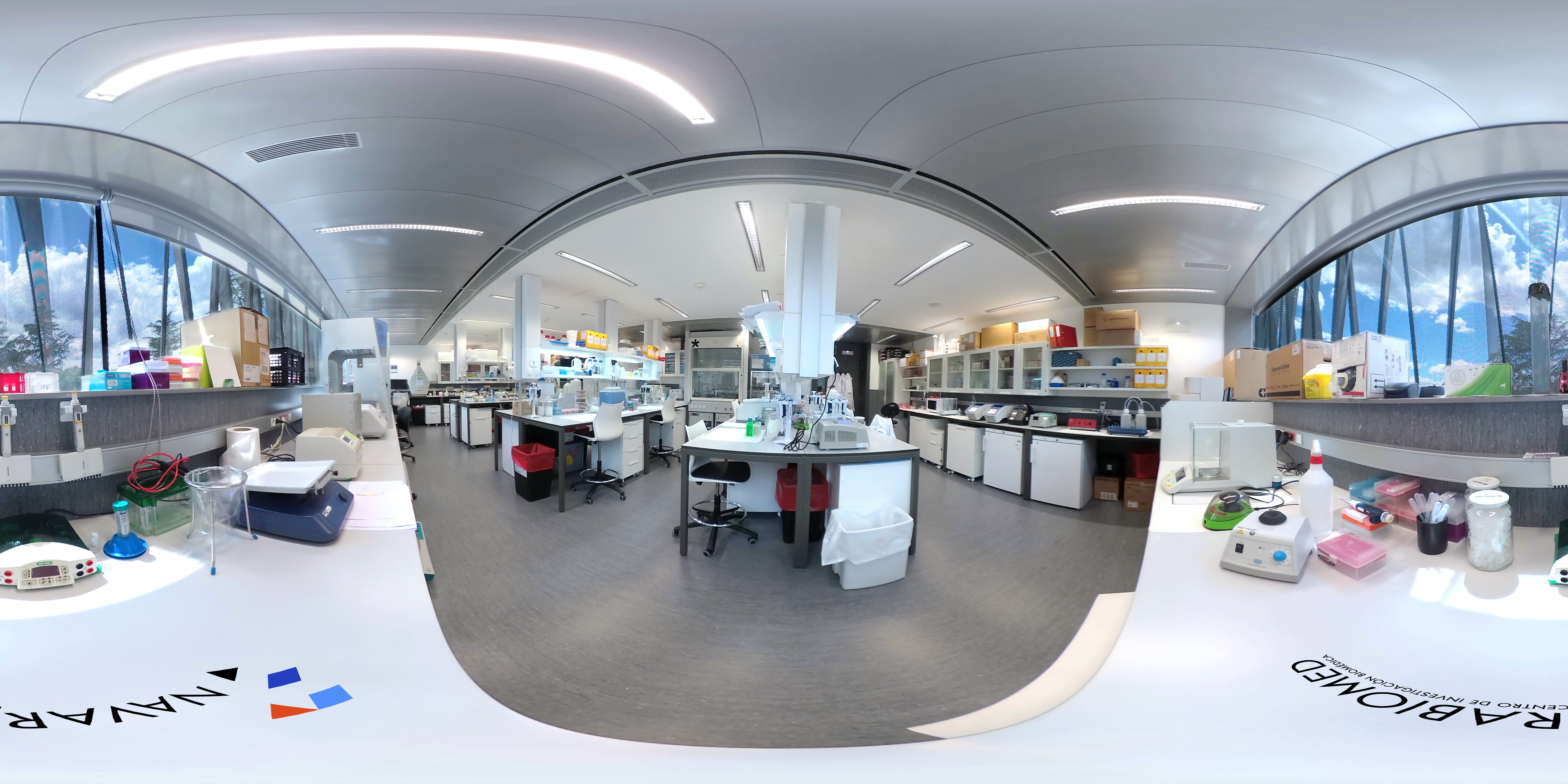
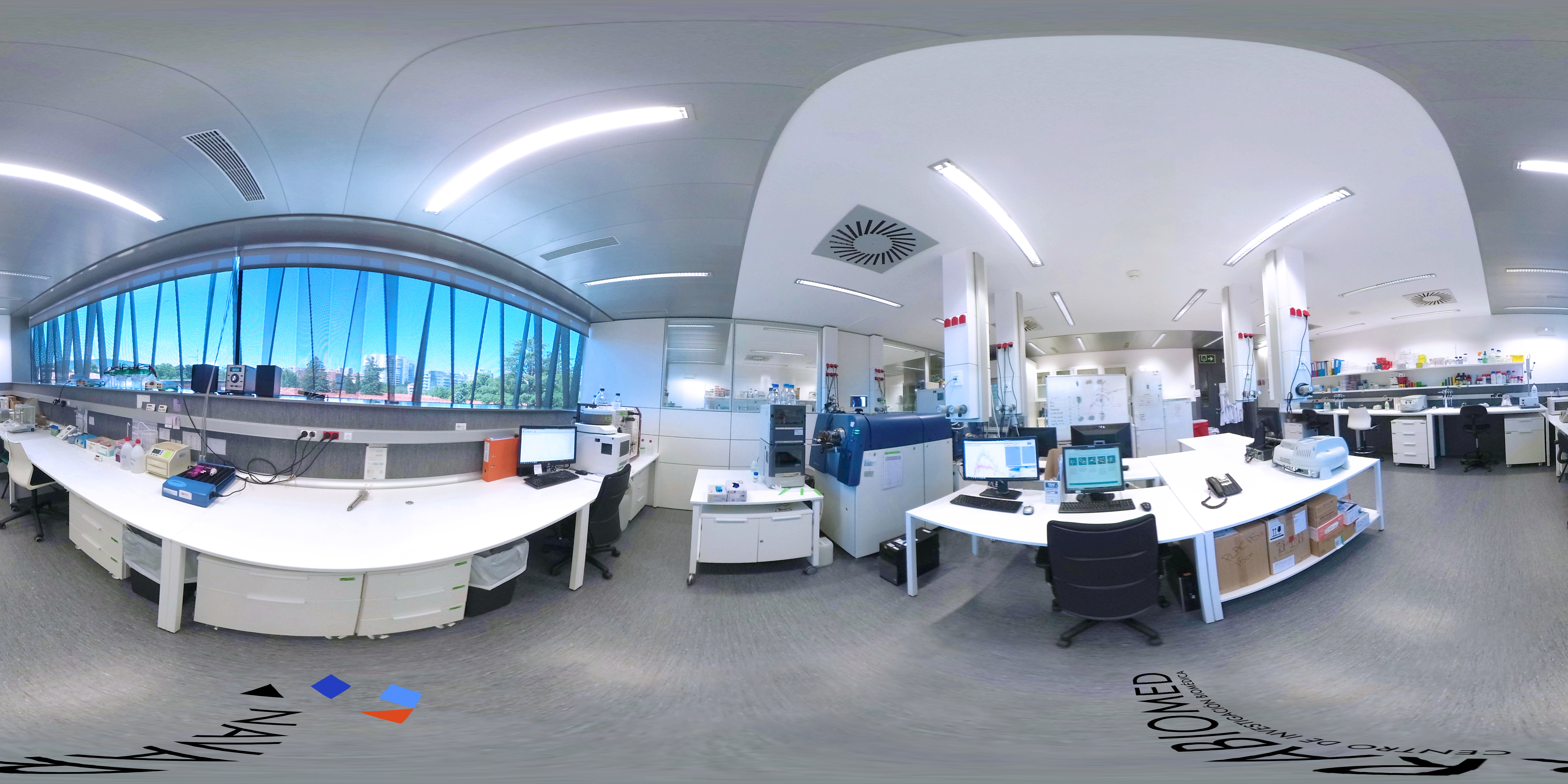
Visor 360º
360º Virtual Tour
Neuroepigenetics
Lab
Colaboradores/as
Cabada Giadas, Mª Teresa
Hospital Universitario de Navarra
Cabello González, Carolina
Hospital Universitario de Navarra
Echavarri Zalba, Carmen
Hospital Universitario de Navarra
Erro Aguirre, Elena
Hospital Universitario de Navarra
Larumbe Ilundain, Rosa
Hospital Universitario de Navarra
Méndez López, Iván
Hospital Universitario de Navarra
Sánchez Ruiz de Gordoa, Javier
Hospital Universitario de Navarra
Unidad de investigación / Grupo Vinculado
Contacto
Neuroepigenetics

Navarrabiomed - Centro de investigación biomédica
Complejo Hospitalario de Navarra, edificio de investigación.
Calle Irunlarrea, 3. 31008 Pamplona, Navarra, España. 

No mostrar en listados de Unidades de Investigación
Off

Clinical Neuroproteomics

Clinical Neuroproteomics

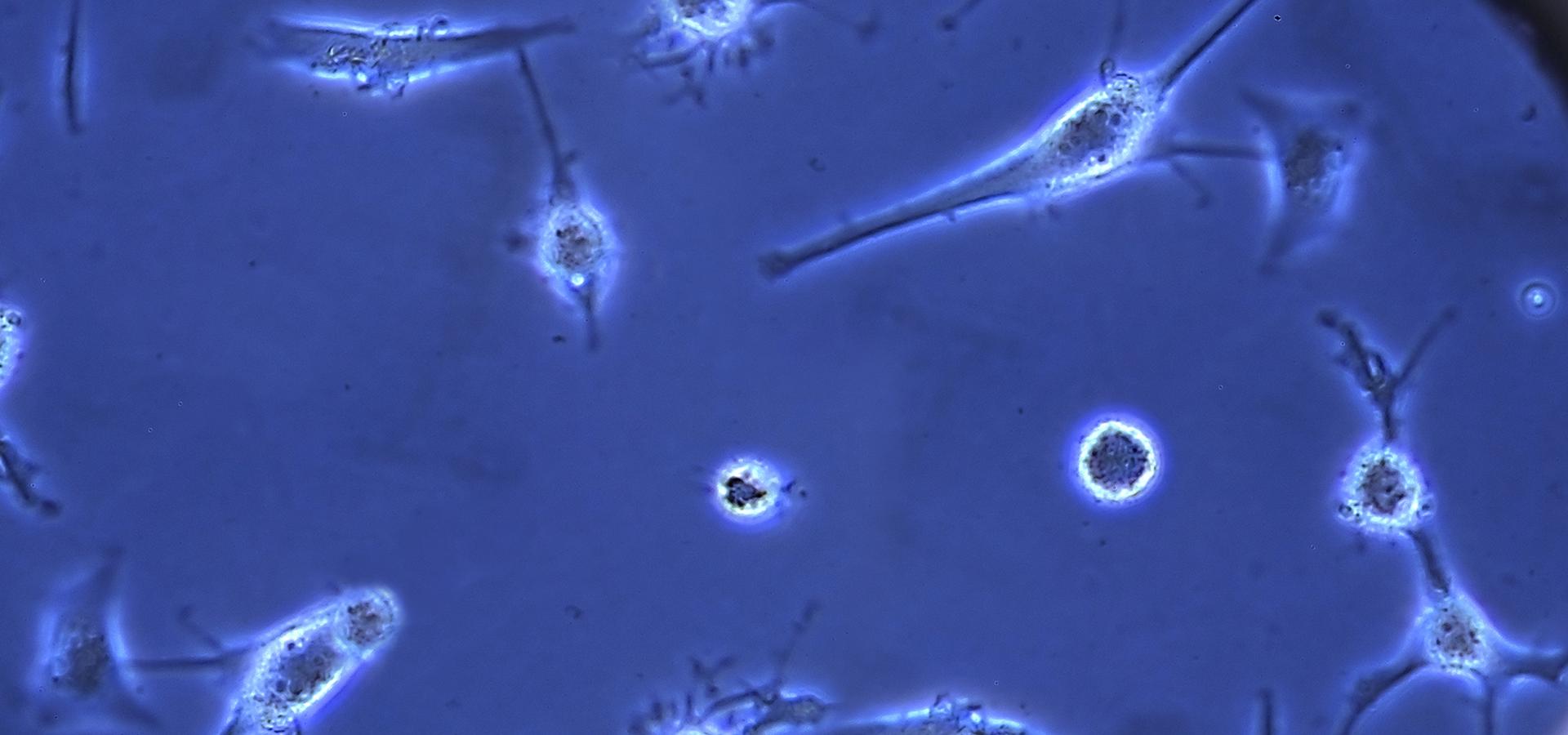
The unit focuses on characterizing the molecular mechanisms involved in the development of neurodegenerative diseases. With this objective, the group investigates proteins and peptides involved in neuropathogenic processes in diseases such as Alzheimer's and Parkinson's. To this end, the team uses multi-omics approaches that allow them to identify and quantify hundreds of genes/proteins in brain samples, both human and from disease models. Through bioinformatic analyses and Systems Biology, they identify disease-specific molecular pathways and mechanisms, characterizing proteins with potential prognostic and/or diagnostic value. Given the early olfactory dysfunction present in multiple neurological syndromes, the group has recently focused its efforts on characterizing olfactory structures, with the aim of developing future intranasal treatments with the potential to improve cognitive function.


The unit is part of the Spanish Olfactory Network (ROE), the Global GCCR International Consortium (Global Consortium for Chemosensory Research) as well as the Human Brain Proteome Project (HBPP).
 

Investigador principal
Área de investigación
Neuroscience
Identification of proteins and peptides in neuropathogenic processes
Actualidad

Navarrabiomed participates in international research project demonstrating loss of smell and taste in COVID-19 patients

Author
Navarrabiomed

•    A consortium made of more than 600 professionals from 50 countries highlights the importance of confirming the diagnosis of people presenting with alterations in their capacity to smell and taste
 

Navarrabiomed is participating in an international research project that has confirmed that most people suffering from COVID-19 experience a loss of their sense of smell and/or taste. This initiative is part of an international consortium made up of more than 600 professionals from 50 countries.

Enrique Santamaría Martínez PhD, Head of the Navarrabiomed Clinical Neuroproteomics Unit, is responsible for leading the center’s participation in an international consortium that has confirmed the direct relationship between COVID-19 and anosmia (loss of the sense of smell) and the reduction in taste capacity in early stages of the disease. More than 600 professionals from 50 countries are collaborating on this study, whose findings may determine who is given diagnostic tests in new outbreaks.

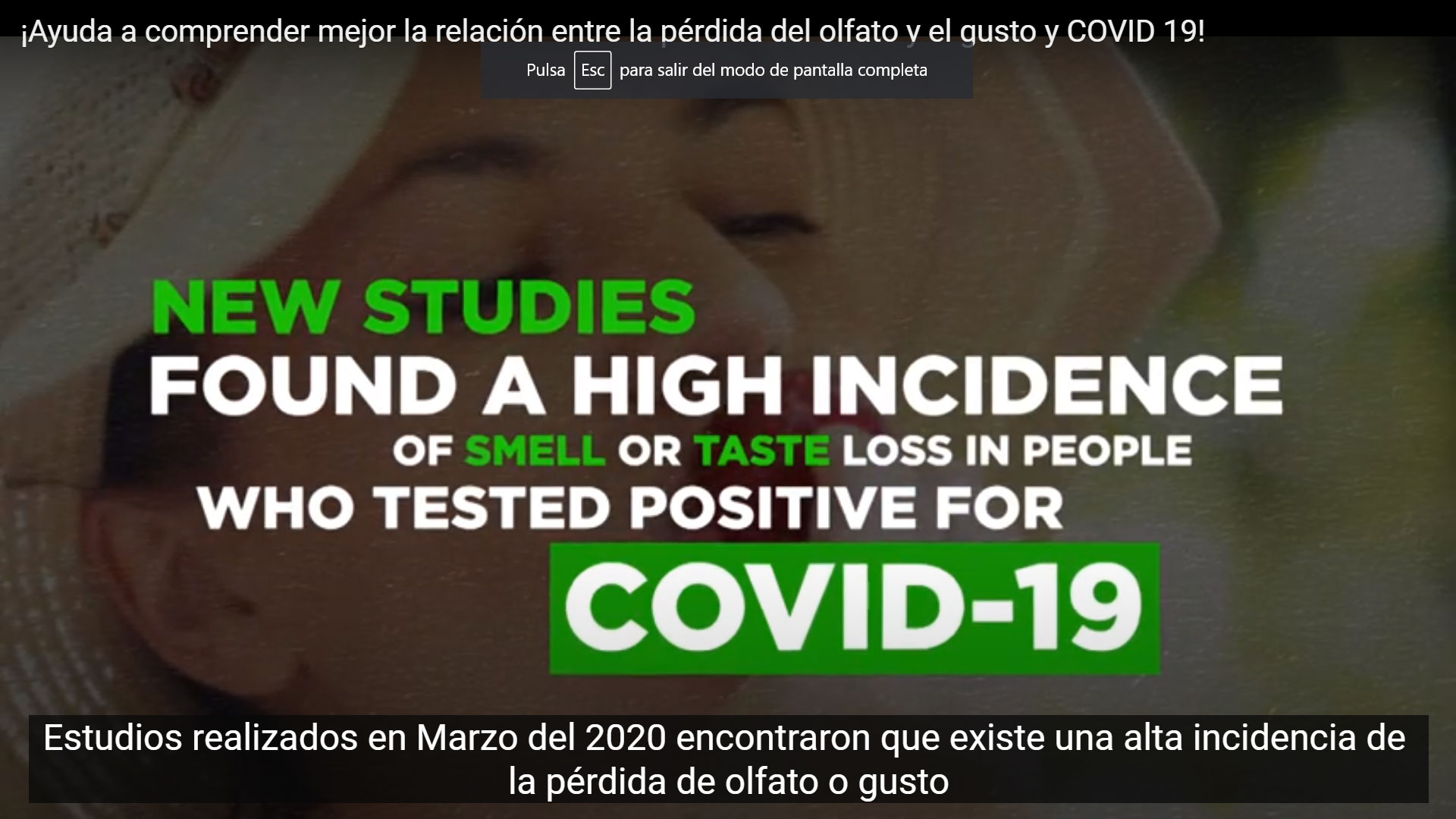
On 7 April 2020, the Global Consortium for Chemosensory Research (GCCR) launched a massive survey with the aim of gathering sensory information on the ability to smell and taste of participants, people diagnosed with an objective test such as PCR or after clinical assessment no more than 15 days prior to responding to the survey. Among other variables, participants were asked to quantify their smell, taste and chemesthesis function (their capacity to smell, taste and perceive cooling, tingling and burning sensations in the mouth) before and while suffering from COVID-19 disease. They were also asked to mention any kind of nasal obstruction that had occurred.

The consortium obtained preliminary results 11 days later, on 18 April, and published the findings on 8 May in the free-access repository medrxiv.org. A total of 4,039 people from more than 40 countries filled out the survey and an analysis of the results indicates that smell, taste and chemesthesis were significantly reduced in patients diagnosed with COVID-19 disease. It is important to point out that nasal obstruction does not seem to be associated with these losses, which suggests that it may be an indicator for differentiating infection from SARS-CoV-2 from other viral infections such as cold and flu (which do produce nasal obstruction).

The reduction in the capacity to smell and taste may be taken as a distinctive characteristic of possible cases of COVID-19 arriving at hospitals and health centers and that require confirmation by means of a diagnostic test.

The project is different from previous studies on chemosensory abilities and COVID-19 because it proposes a massive international approach within a collaborative open-science framework. The study is led by Valentina Parma (Temple University, Philadephia, USA), John Hayes (Penn State, USA), Thomas Hummel (Technische Universität Dresden, Alemania), Steve Munger (Universidad de Florida, USA) and Danielle Reed (Monell Chemical Senses Center, USA). 

Research in progress

The consortium has now received more than 37,000 responses and the survey is still active. Navarrabiomed encourages anyone who has recently suffered from a respiratory disease, including COVID-19, to go online to https://gcchemosensr.org/ and fill out the survey in one of the 29 languages available. “Patient participation is key for determining the symptomatology of SARS-CoV-2. Consortium committees are currently organizing specific research projects that will make use of all the information compiled in the GCCR initiative,” said Dr. Santamaría.

The Navarrabiomed Clinical Neuroproteomics Unit is interested in determining why COVID-19 patients lose their sense of smell. To answer this question, the Unit is collaborating with the group of Dr. David Escors (Head of the Oncoimmunology Unit, Navarrabiomed) in order to untangle the molecular mechanisms that are altered at the olfactory level by the SARS-CoV-2 virus.

“One of the coronavirus’s access routes is through the nasal cavity, which is why analysis of the “nose-brain” route could provide information on why strokes, seizures and encephalitis have been observed in some COVID-19 patients”.

Furthermore, according to preliminary results from the seroprevalence study carried out by the Spanish Ministry of Health and the Carlos III Health Institute, the loss of smell should not merely be considered an early symptom of COVID-19 disease, but also a predictor of immune response,” Dr. Santamaría said.

The Navarrabiomed Neuroproteomics Unit, in collaboration with public and private health institutions in Navarre, is currently working on the development and deployment of precision olfactory medicine, which, together with immunological analysis, will lead to more effective diagnosing and monitoring of the many diseases involving loss of smell, one of which is COVID-19.
 

Categoría
Galería de imágenes
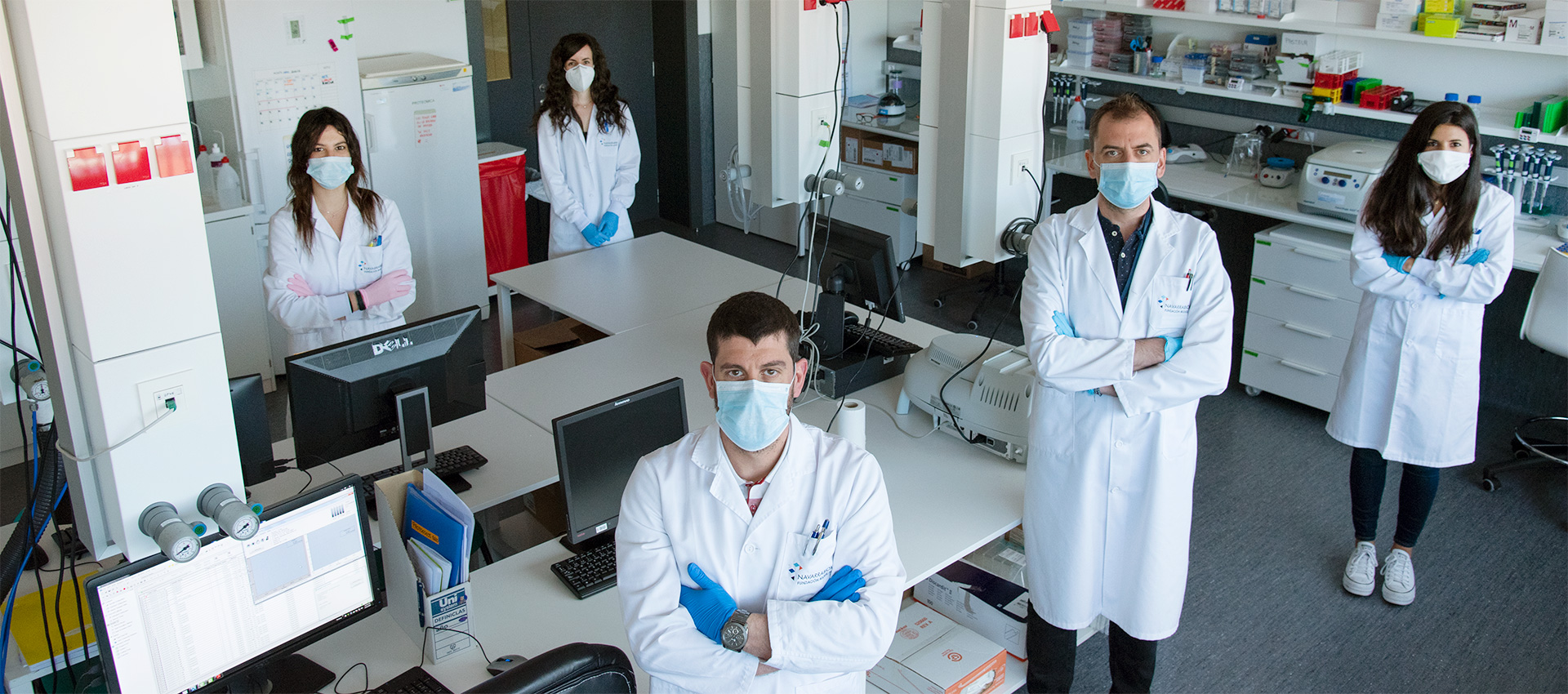
De izda. a dcha: Karina Ausín, Naroa Mendizuri, Joaquín Fernández, Enrique Santamaría y Mercedes Lachén.
Download Flecha que indica descarga
Documentación
Vídeo
Help researchers better understand the relationship between the loss of smell and taste and COVID-19

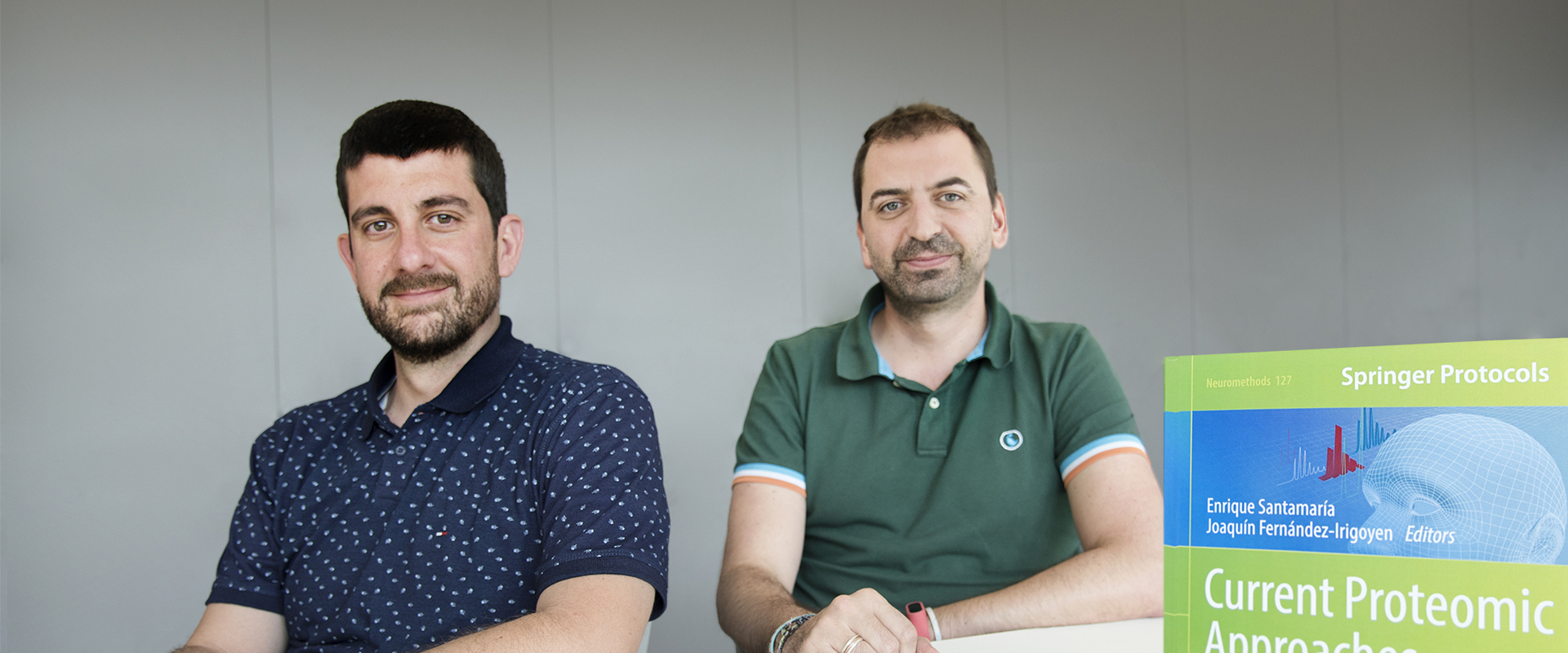
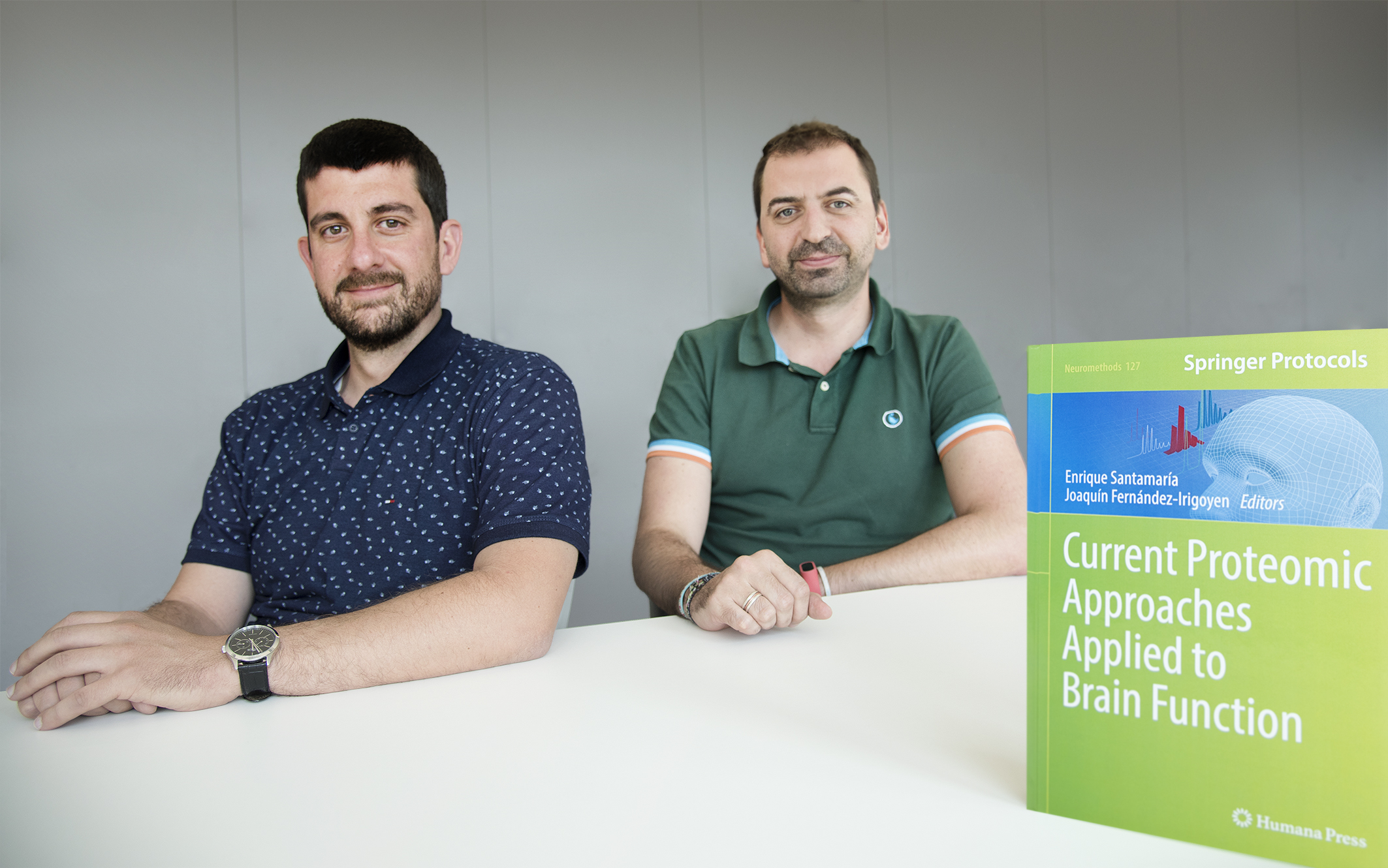
Navarrabiomed researchers coordinate the publication of a book on brain protein analysis

Author
Navarrabiomed

LEnrique Santamaría and Joaquín Fernández-Irigoyen, researchers at the Proteomics Unit of the biomedical research centre Navarrabiomed, were the coordinators of Current Proteomic Approaches Applied to Brain Function, released by the academic publishing company Springer Nature as part of its Neuromethods collection.

The book introduces 20 standard protocols to deepen the knowledge of proteins and their role in neurodegenerative and psychiatric disorders.

In this book, Santamaría and Fernández-Irigoyen, who are also professionally related to the Navarra Medical Research Institute (IdiSNA) and the ProteoRed-ISCIII national platform, offer a compendium of methods for brain proteome quantification, post-translational modification monitoring, neuronal organelle identification and characterisation, and bioinformatics tool implementation for omics data integration. It is meant to be an essential guidebook for students a valuable resource for graduate students and postdoctoral fellows interested in neuroproteomics, as well as for researchers looking for further insight into the growing field of mass spectrometry in neuroscience.

Book contributors included as many as 75 researchers from labs in Spain, Switzerland, France, Denmark, Portugal, Germany, India, the USA and Brazil. Many of them are regular participants in The Human Brain Proteome Project (HBPP).

HBPP is an international initiative sponsored by the Human Proteome Organisation (HUPO) promoting proteomic studies on the human brain and follow-up projects to decipher the role of proteins in brain development, health and disease.


Categoría
Galería de imágenes
Navarrabiomed researchers Joaquín Fernández-Irigoyen and Enrique Santamaría.
Download Flecha que indica descarga
Documentación
Vídeo
Colaboraciones Logotipos
Documentation
External collaborations
Vídeo
INNOLFACT  Implementing Olfactory Precision Medicine
INNOLFACT Implementing Olfactory Precision Medicine
Enrique
Santamaría Martínez
Head of the Unit
Visor 360º
360º Virtual Tour
Clinical Neuroproteomics
Lab
Unidad de investigación / Grupo Vinculado
Contacto
Clinical Neuroproteomics

Navarrabiomed - Centro de investigación biomédica
Complejo Hospitalario de Navarra, edificio de investigación.
Calle Irunlarrea, 3. 31008 Pamplona, Navarra, España. 

No mostrar en listados de Unidades de Investigación
Off