Noticias

La AECC concede a Hugo Arasanz una ayuda de investigación de 120.000 euros
Author
Navarrabiomed

El Dr. Hugo Arasanz, oncólogo del Complejo Hospitalario de Navarra e investigador de la Unidad de Inmunomodulación de Navarrabiomed - IdiSNA, recibió ayer en Madrid la Ayuda Clínico Junior de la Asociación Española Contra el Cáncer (AECC). La financiación recibida (120.000 €) se destinará al proyecto "Subpoblaciones linfocitarias como biomarcador predictivo de respuesta a inmunoterapia anti-PD1/PDL1 en carcinoma no-microcítico de pulmón avanzado en 1º línea de tratamiento". Este estudio se desarrollará durante los próximos cuatro años y contará con la dirección del Dr. David Escors. 

El Museo Reina Sofía acogió ayer la entrega de las ayudas anuales de la AECC, dentro de los actos programados en el Día Mundial de la Investigación en Cáncer (WCRD en sus siglas en inglés), que se comemora cada año el 24 de septiembre. En total, la AECC ha entregado casi 21 millones de euros para financiar 171 proyectos que se suman a los 56M€ con los que hoy se están financiando 380 proyectos de investigación en desarrollo.

Asimismo, la asociación ha puesto de manifiesto la necesidad de elaborar un Plan Nacional de Investigación en Cáncer para alcanzar el 70% de supervivencia media a cinco años en el año 2030, en la actualidad se sitúa en un 53%.

Más información sobre el proyecto

La inmunoterapia antiPD1/PDL1 ha supuesto una revolución en el tratamiento del cáncer no-microcítico de pulmón, ya que ha mejorado los resultados de la quimioterapia, asociando además menor toxicidad. Por desgracia la proporción de pacientes que responden al tratamiento es reducida, son menos todavía los que mantienen la enfermedad controlada durante un periodo de tiempo prolongado, y no se dispone de biomarcadores predictivos que permitan identificar a estos pacientes con precisión.

El equipo del Dr. David Escors ha desarrollado un sistema de monitorización de poblaciones linfocitarias por citometría de flujo a partir de sangre periférica en pacientes en progresión a quimioterapia que permite predecir aquellos que van a responder a la inmunoterapia. Dada la reciente aprobación de la inmunoterapia en pacientes en primera línea, este proyecto pretende correlacionar los perfiles linfocitarios de los pacientes y su dinámica con la eficacia del tratamiento en este contexto, incorporando además el estudio de las citosinas proinmunogénicas en plasma y la posible influencia del daño genotóxico en las células inmunitarias producido por las diferentes terapias como causa de menor eficacia en segunda línea.

El proyecto del Dr. Hugo Arasanz se completará con estudios mecanísticos in vitro que permitan conocer los elementos que condicionan la respuesta al tratamiento y plantear combinaciones que puedan revertir la resistencia primaria a estas terapias.

Categoría
Galería de imágenes
Hugo Arasanz junto al presidente de la Asociación Española Contra el Cáncer de Navarra (AECC Navarra) Francisco Arasanz en una de las carreras solidarias celebradas en Pamplona.
Download Flecha que indica descarga
Documentación
Vídeo

CHN and Navarrabiomed lead multi-centre national clinical study analysing technique to prevent bleeding after colorectal polyp removal

Author
Navarrabiomed
  • The results have been published in Gastroenterology, the most prominent journal in the field of gastrointestinal disease

The Digestive System Service at the Navarra Hospital Complex (CHN) has led a multi-centre national clinical study aimed at preventing postoperative bleeding after big colorectal polyp removal – the most common complication after surgery, affecting between 3 and 10 per cent patients. The study was conducted in close collaboration with the Clinical Trials Platform and the Methodology Unit of Navarrabiomed-Miguel Servet Foundation.

The study shows the efficacy of placing a haemostatic clip in patients undergoing polyp removal surgery in preventing post-op bleeding. In 57 per cent of the patients, haemostatic clip placement led to full wound closure, with partial closure in 28 per cent of the cases and failure to close in 15 per cent. Delayed bleeding occurred in 5 per cent of the patients in the clip group, as compared to 12.1 per cent in the control group. Moreover, in the patients with clip closure, the delayed bleeding rate was only 1.5 per cent.

The results of the study, which are part of the Navarrabiomed-CHN/IdiSNA scientific production, were published in Gastroenterology, the most prominent journal in the field of gastrointestinal disease. Also, they were shared in several scientific events, including the 2018 national conference of the Spanish Society for Gastrointestinal Endoscopy (SEED), the congress of the European Society of Gastrointestinal Endoscopy (ESGE), and the 2019 conference of the Spanish Society for Gastrointestinal Disease (SEPD-SED), where it got the award for best oral communication in the field of gastrointestinal endoscopy.

Studies to date did not show scientific consensus or present clear evidence of the impact of this technique on large lesions after polypectomy in both left-sided and right-sided colorectal polyps. It is a pioneering technique, introducing a new approach to patient care.

The study was coordinated by Dr Eduardo Albéniz, a specialist in the CHN Digestive System Service and a senior researcher at the Navarrabiomed Gastrointestinal Endoscopy. It involved 235 patients with risk of delayed bleeding after polypectomy (up to 15 days after surgery). It also introduced a scoring system to predict delayed bleeding individually for each patient, identifying the patients with medium or high risk.

Multi-centre collaboration

In addition to CHN, 12 other health facilities were part of the study, recruiting 235 patients between May 2016 and December 2018. They were Hospital del Mar, Hospital Universitari Mútua Terrassa, Hospital Gregorio Marañón, Hospital de la Santa Creu i Sant Pau, Hospital Juan Canalejo, Hospital Universitario Virgen Macarena, Hospital Universitario Puerta de Hierro, Hospital Universitari i Politècnic La Fe, Hospital General de Ciudad Real, Hospital Universitario HM Montepríncipe, Clinica de Gastroenterología Integral and Hospital San Pedro (Logroño).

The study was conducted in collaboration with SEED and the firm ST Endoscopia (SureClip by Micro-Tech Endoscopy®, Nanjing, China). In addition, the projects carried out by Dr Albéniz in the field of gastrointestinal disease have financial support from La Caixa Foundation and Caja Navarra Banking Foundation.

Upcoming research

The team are currently working on additional research. ‘Based on the clinical trials, we have embarked on a cost-effectiveness analysis to identify the patient subgroups for this procedure, in order to implement both the technique and the associated clinical protocols in the Digestive System Service at the Navarra Hospital Complex (CHN),’ Dr Albéniz explains.

Besides, CHN and Navarrabiomed professionals are considering two further studies: one with patients with left-sided colon polyps (where bleeding is less severe and clinical evidence is scarce so far) and another with patients taking anticoagulants.

Categoría
Galería de imágenes
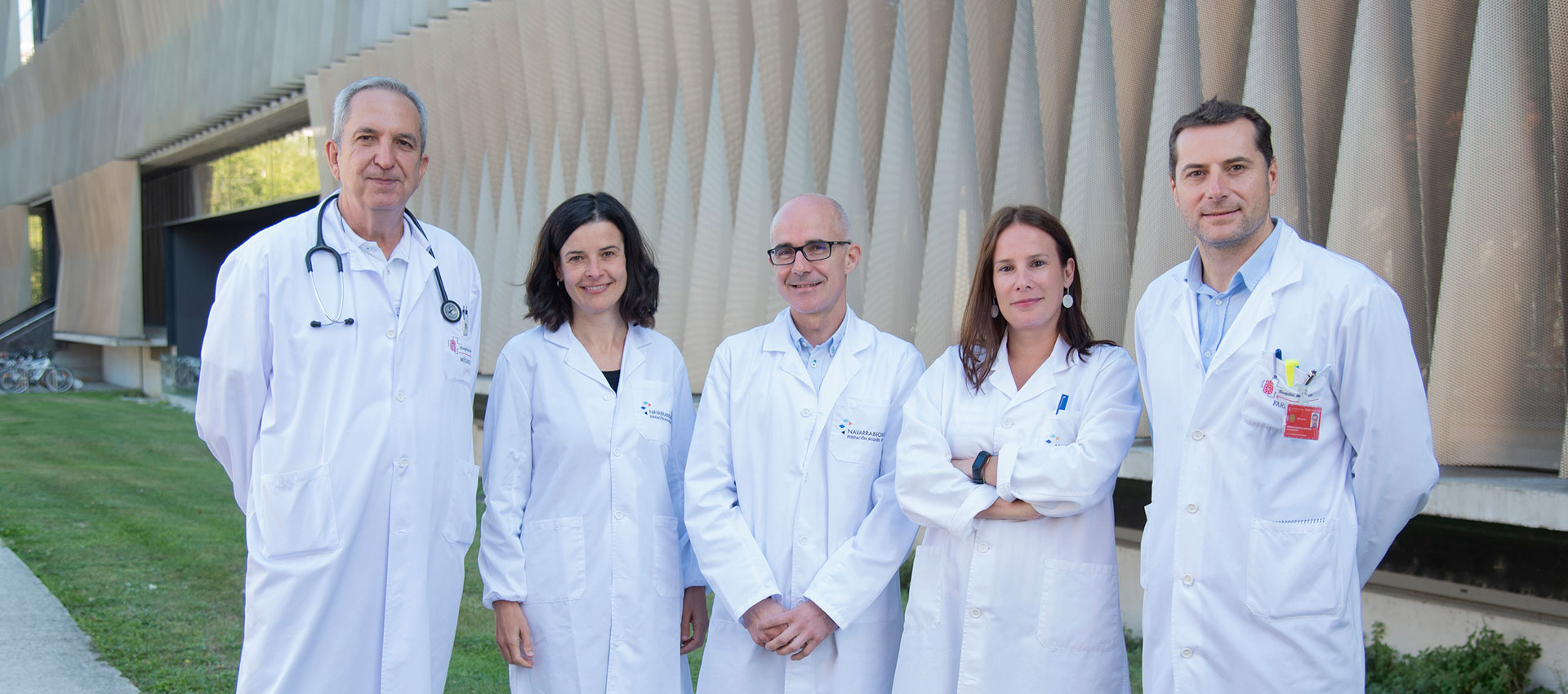
José Manuel Zozaya (CHN), Berta Ibáñez (Navarrabiomed), Eduardo Albéniz (Navarrabiomed-CHN), Mónica Enguita (Navarrabiomed) and Ferran Capdevila (CHN).
Download Flecha que indica descarga
Documentación
Vídeo

Actividades de Navarrabiomed en las Semanas de la Ciencia, la Tecnología y la Innovación de Navarra 2019

Author
Navarrabiomed

Navarrabiomed se suma un año más a las actividades de las Semanas de la Ciencia, la Tecnología y la Innovación de Navarra 2019, evento de divulgación científica que tendrá lugar entre el 7 y al 16 de noviembre de 2019 se celebrarán numerosas actividades para acercar la ciencia a la ciudadanía: conferencias, talleres, puertas abiertas, espectáculos, entre otros.

En esta edición Navarrabiomed ha programado varias actividades para divulgar la actividad del centro de investigación biomédica:

  • Miércoles, 6 de noviembre. 16:30 h. Salón de actos de Navarrabiomed. Visita para estudiantes (edad orientativa 16-18 años). Conoce de primera mano los pasos a seguir para trabajar en investigación y visita las instalaciones de un centro de investigación biomédica. ¡Importante! Aforo limitado: reserva de plaza en el teléfono 848422201 o vía email aucarvar@navarra.es
     
  • Jueves, 7 de noviembre. 17:30 h. Inauguración Plaza del Castillo. Participación junto al resto de entidades en la inauguración oficial. Actividades científicas al aire libre para todos los públicos. 
     
  • Martes, 12 de noviembre. 18:30 h. Salón de actos de Navarrabiomed. Conferencia Proyecto IBEAS Proyecto de investigación para avanzar en el diagnóstico de la Enfermedad de Alzheimer. Ponente: Dra. Maite Mendioroz, Investigadora Principal de la Unidad de Neuroepigenética. La sesión se desarrollará en el Salón de actos de Navarrabiomed. C/Irunlarrea, 3. Entrada libre hasta completar aforo. 
     
  • Jueves, 14 y viernes, 15 de noviembre. 11:00 h. Navarrabiomed. Visitas a las instalaciones de Navarrabiomed. Conoce los laboratorios de investigación biomédica. ¡Importante! Aforo limitado: reserva de plaza en el teléfono 848422201 o vía email aucarvar@navarra.es
Categoría
Documentación
Vídeo

UPNA, the Education Department and Navarrabiomed participate in physical activity observatory for 3- to 6-year-old children in Navarra

Author
UPNA

Researchers from the Public University of Navarra (UPNA), Navarrabiomed and the Education Department of the Government of Navarra participated in a research project financed by the Navarra Education Department to create the first Physical Education Observatory for 3- to 6-year-old children in Navarra. They were Alicia Alonso, Mikel Izquierdo and Alazne Antón (UPNA), Antonio García-Hermoso and Robinson Ramírez-Vélez (Navarrabiomed), and Berta Villoslada and Berta Echavarri (CIP FP Lumbier-Education Department, Government of Navarra).

The Observatory is meant to promote physical activity in schoolchildren, reducing their screen time and adding relaxation time instead, as it has been shown that developing healthy habits in childhood is crucial to preventing cardiovascular disease in adult life. In order to achieve its goal, the Observatory will conduct a series of assessments in local schools, with children and their families, testing their fitness, measuring their sleep time and analysing all this information with them. The evaluation includes physical tests (jumping with both feet, speed/agility tests, etc.), body composition analysis (waist circumference, percentage of body fat and body mass index) and the use of personal electronic devices to measure the intensity of everyday activity and rest/sleep periods. In addition, the correlation will be established between fitness and school achievements.

The study is set to begin in Colegio Santa María la Real-Maristas Pamplona in October, then moving to Colegio Público San Juan de la Cadena. Finally, there will be a special teacher training module in CIP FP Lumbier, targeted at the students in the higher education training cycles (80), who will become assessors. This will be part of the module titled ‘Fitness testing and response to accidents’.

Throughout the process, school teachers will participate in measurements and evaluations, in an effort to introduce new trends, methods and formulas in children health assessment. According to the authors of the study, ‘the results might help understand why schoolchildren are gaining weight and their performance at school is worsening, with low levels of physical activity.’

Childhood as a critical period to develop healthy habits

‘Early childhood is a critical period for physical, social and cognitive development, to establish healthy behaviour patterns that can be kept into adulthood,’ the researchers say. Studies show that ‘regular participation in physical activities by pre-schoolers is essential for normal development and growth, with immediate and long-term benefits for physical and psychological wellbeing,’ they add. However, they explain, evidence for this age group is still relatively scarce as compared to the data available for children and adolescents aged 6 to 17.

Recently, the World Health Organisation (WHO) published new guidelines on physical activity, sedentary behaviour and sleep for children under 5 years of age. According to these recommendations, children 3-5 years of age should spend at least 180 minutes in a variety of types of physical activities, of which at least 60 minutes is moderate- to vigorous-intensity activity. ‘Despite the benefits for health of regular physical activity, many pre-schoolers fail to meet these standards,’ the authors of the study state. The Observatory is aimed at improving results in this area.

Categoría
Galería de imágenes
Antonio García Hermoso, Berta Echávarri Videgain, Berta Villoslada Huarte, Alicia Alonso Martínez, Alazne Antón Olóriz and Mikel Izquierdo Redín.
Download Flecha que indica descarga
Documentación
Vídeo

In doctoral thesis at UPNA, Jaime Ibarrola identifies roles played by hormone in heart valve disease

Author
UPNA

Biochemist Jaime Ibarrola Ulzurrun (Pamplona, 1991) has shown for the first time that a hormone is involved in mitral valve prolapse, a heart valve disease that leads to heart failure, and that a series of drugs can have positive effects on this condition. ‘The drugs known as antimineralocorticoids or mineralocorticoid receptor antagonists (MCRAs) are a promising option to reduce mitral valve remodelling. The only existing solution to date was surgery,’ Ibarrola explains. This was the subject of his doctoral thesis at the Public University of Navarra (UPNA).

The mitral valve is the valve between the left atrium and the left ventricle of the heart. Mitral valve prolapse is a condition in which the two valve flaps of the mitral valve do not close smoothly or evenly, but instead bulge (prolapse) upward into the left atrium. Sometimes, the mitral valve does not close tightly, allowing blood to flow backward in the heart. This condition is known as mitral valve regurgitation or mitral insufficiency. Most people with mitral valve prolapse – one of the most common heart conditions, affecting 176 million people around the world – never have problems. They do not need treatment or lifestyle changes. Some, however, do need to be treated. ‘To date, no drugs have been developed for this condition, so the only viable solution is surgery,’ Ibarrola explains. His doctoral advisor was Natalia López Andrés, senior researcher at the Cardiovascular Translational Research Unit of Navarrabiomed, a joint centre of the Government of Navarra and the Public University of Navarra (UPNA).

New therapeutic targets

Ibarrola’s research responds to the need to study ‘new mechanisms and new therapeutic targets in order to find drug treatments for mitral valve prolapse.’ ‘Mineralocorticoids are a class of hormones produced by the human body. The primary mineralocorticoid is aldosterone. The aldosterone/mineralocorticoid receptor (Aldo/MR) pathway can cause cardiac fibrosis. In addition, a large number of studies have shown that the Aldo/MR pathway is involved in a number of heart conditions. MCRA drugs can block the effects of the Aldo/MR pathway. Moreover, significant clinical studies show that they can also improve cardiac function by reducing cardiac fibrosis,’ Ibarrola explains. He conducted his doctoral research project with financial aid from UPNA and a European programme.

Ibarrola worked on the hypothesis that the Aldo/MR pathway could play a role ‘in the development of mitral valve prolapse, modulating cell activation and cellular differentiation.’ ‘Furthermore, the Aldo/MR pathway could become a new therapeutic target in this disease, and blocking this pathway with MCRA drugs could prevent the alterations associated with mitral valve prolapse. For the first time, we were able to show that the Aldo/MR pathway is involved in the development of mitral valve prolapse and that the drugs could have a positive effect on this condition,’ Ibarrola concludes. His doctoral thesis got an A-grade cum laude.

Ibarrola’s résumé

Jaime Ibarrola holds a degree in Biochemistry and a master’s degree in Biomedical Research from the University of Navarra. At present, he is a postdoctoral researcher at the Molecular Cardiology Research Institute (MCRI) at Tufts University (Massachusetts, USA).

As a doctoral student, Ibarrola was twice a visiting scholar at the Cordeliers Research Centre, Sorbonne University, in Paris. He shared his results in eight international conferences in Germany, Spain, France and Ireland. Ibarrola is the author of about a dozen papers published in international scientific journals.

Categoría
Galería de imágenes
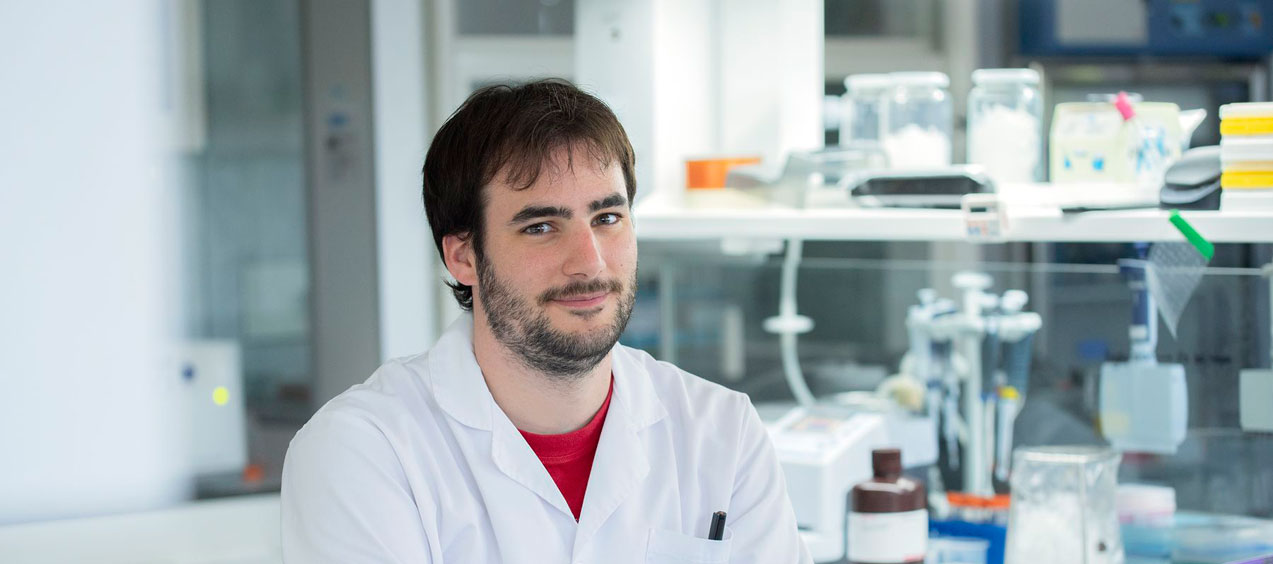
Jaime Ibarrola
Download Flecha que indica descarga
Documentación
Vídeo

Mutua Navarra awards Navarrabiomed the Healthy Organisation certificate

Author
Navarrabiomed

On Thursday, 24 January, Mutua Navarra gave out the 11th Premio Azul award for occupational health, with the support of the Government of Navarra, the Business Confederation of Navarra, the General Labour Union (UGT) and the Spanish Association of People Management and Development (AEDIPE) in Navarra. At the prize-awarding ceremony, held at the CEN headquarters, Navarrabiomed-Miguel Servet Foundation and 15 organisations from Navarra were recognised for their commitment to healthcare as a strategic value

The first prize went to Dana Automoción, the ‘bluest’ organisation in Navarra. The Premio Azul (Blue Prize) is an accolade to the organisation that has contributed the most to promote its staff’s good health and wellbeing.

In addition, fourteen Blue Certificates were awarded. The recipients were 3P Biopharmaceuticals, Industrial Association of Navarra (AIN), Caja Rural de Navarra, Conor Sports, Navarra Industrial Foundation (FIN), Navarrabiomed-Miguel Servet Foundation, Fromageries Bel España Group, Gesinor, Huntsman Advanced Materials, Navarra Police, Smurfit Kappa Navarra (Cordovilla plant), Turbo Motor Inyección, Navarra Transport Association (Tradisna) and Urtasun Tecnología Alimentaria.

Marisol Fragoso, Management Director of Navarrabiomed, received the award alongside Marta Vera, from the Labour Risk Prevention Department. ‘Promoting health in the workplace is a priority to us, and receiving the Blue Certificate is really inspiring. It makes us want to keep on moving along the same path, promoting health and wellbeing in our staff,’ Fragoso said.

Categoría
Galería de imágenes
Prize-awarding ceremony.
Download Flecha que indica descarga
Group photo of the representatives of the winning organisations.
Download Flecha que indica descarga
Documentación
Vídeo

International bioinformatics experts to participate in summer school for young researchers

Author
Navarrabiomed

Navarrabiomed, the joint biomedical research centre of the Government of Navarra and the Public University of Navarra, is hosting this week the STATegra Summer School on NGS and Data Integration, a course organised by Navarrabiomed’s Translational Bioinformatics Unit.

Recent progress in genomic sequencing and its numerous applications in basic and applied research produce a huge amount of data on a daily basis that are extremely useful for medical diagnosis and treatment. In this field, bioinformatics ensures the best exploitation of data processing, with full compliance of data protection regulations and bioethical standards.

In the course, young researchers will learn how to integrate different types of data generated in basic and clinical research. They will also get acquainted with biomedical data analysis tools and methods. The students’ diverse backgrounds – they come from such scientific fields as biology, biochemistry, pharmacy, informatics and mathematics – is ideal for multidisciplinary research.

Keynote speakers are Ricardo N. Ramírez of Harvard Medical School, USA; Jesper Tegnér of King Abdullah University of Science and Technology (KAUST), Saudi Arabia; Sonia Tarazona of Príncipe Felipe Research Centre, Valencia, Spain; Narsis Kiani of Karolinska Institutet, Sweden; and Vincenzo Lagani of Ilia State University, Georgia.

The coordinator of the summer school and Head of the Translational Bioinformatics Unit, David Gómez-Cabrero, stresses the relevance of the event: ‘Our intensive courses of more than twelve hours a day for a whole week, taught by internationally renowned scientists, offer the latest tools in a broad number of fields of research in a multidisciplinary environment, beyond the classroom and the lab.’

Translational Bioinformatics Unit

The Translational Bioinformatics Unit at Navarrabiomed conducts translational-oriented research projects aimed at finding solutions to major challenges in modern medicine. Worthy of mention are NAGEN 1000 (genomics) and PHARMANAGEN (pharmacogenetics), funded by the Economic Development Department at the Directorate General of Industry, Energy and Innovation of the Government of Navarra, as part of the Intelligent Specialisation Strategy S3.

The Translational Bioinformatics Unit works in collaboration with national research centres such as CNAG-CRG and Progreso y Salud Foundation, as well as with international centres like Karolinska Institutet, King’s College London and King Abdullah University of Science and Technology (KAUST).

Categoría
Galería de imágenes
Sesión a cargo de David Gómez-Cabrero.
Download Flecha que indica descarga
Público asistente a la Escuela de verano de bioinformática.
Download Flecha que indica descarga
Ponentes de la Escuela de verano.
Download Flecha que indica descarga
Documentación
Vídeo

Strength training routine improves cardiovascular health through ‘non-traditional mechanisms,’ UPNA expert says

Author
UPNA
  • Loss of muscle mass and strength is one of the neglected risk factors of cardiovascular disease. However, physical exercise can prevent it, according to the paper published by Mikel Izquierdo in Nature Reviews Cardiology.

Regular physical exercise (in particular, strength training) ‘can improve cardiovascular health through non-traditional mechanisms’, for instance, through the release of muscle-derived myokines and the promotion of a healthy gut microbiota (microorganisms that reside in the gastrointestinal tract). Understanding the benefits of exercise for all the organs and systems of the human body ‘could thus lead to the adoption of novel therapeutic approaches for cardiovascular disease’. The study, co-authored by Mikel Izquierdo, was published in Nature Reviews Cardiology of Springer Nature Group. Izquierdo is a Professor at the Medical Sciences Department of the Public University of Navarra (UPNA) and a researcher at Navarrabiomed (the joint biomedical research centre of the Government of Navarra and the Public University of Navarra). The coordinator of the study was Professor Alejandro Lucía Mulas from Universidad Europea de Madrid.

‘Loss of muscle mass and strength is one of the “neglected” risks of cardiovascular disease,’ says Mikel Izquierdo, Head of the Physical Exercise, Lifecycle, Active Ageing and Health (E-FIT) research group and a member of Navarra Medical Research Institute (IdiSNA). However, ‘it can be reversed with strength training, even in old age.’

The paper’s authors, who work in universities, health centres and research institutes from the United States, Spain, Portugal and Sweden, highlight that exercise should be considered as a ‘medicine for cardiovascular disease’. ‘Unlike most drugs, exercise does not have side effects, and its benefits are, to some degree, dose-dependent,’ so once people get used to it, they can gradually increase the frequency of physical activity.

Lesser-known benefits of physical activity

According to the team that conducted the study, ‘despite the enormous potential of exercise and strength training for regaining health, reducing the effects of ageing on muscle mass and improving cardiovascular function, it is a rare component of clinical treatments.’ They argue, therefore, that a holistic view of all body systems is necessary and useful when analysing the role of exercise in cardiovascular health.’ Approaches to cardiovascular disease should not take the cardiovascular system (heart, blood vessels, blood) as separate from other organs like skeletal muscle or gut microbiota. In addition to the cardiovascular system, they should consider the ‘interaction between the heart and blood vessels with other tissues, including skeletal muscle, fat, and even the intestine, and also from different perspectives, such as the epidemiologic, the physiological and the molecular.’ This holistic view ‘could help health professionals understand the importance of prescribing physical activity.’

Categoría
Galería de imágenes
Mikel Izquierdo Redín
Download Flecha que indica descarga
Documentación
Vídeo

Navarrabiomed researchers coordinate the publication of a book on brain protein analysis

Author
Navarrabiomed

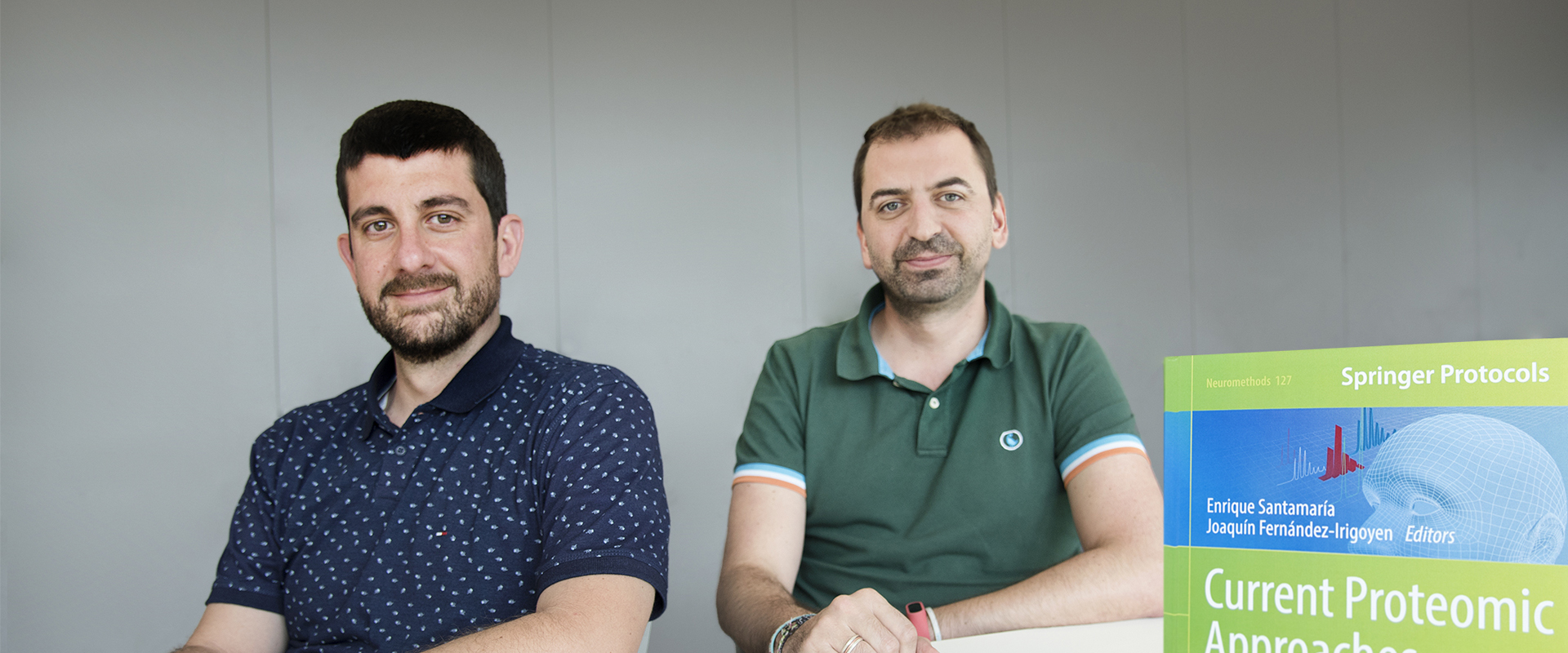
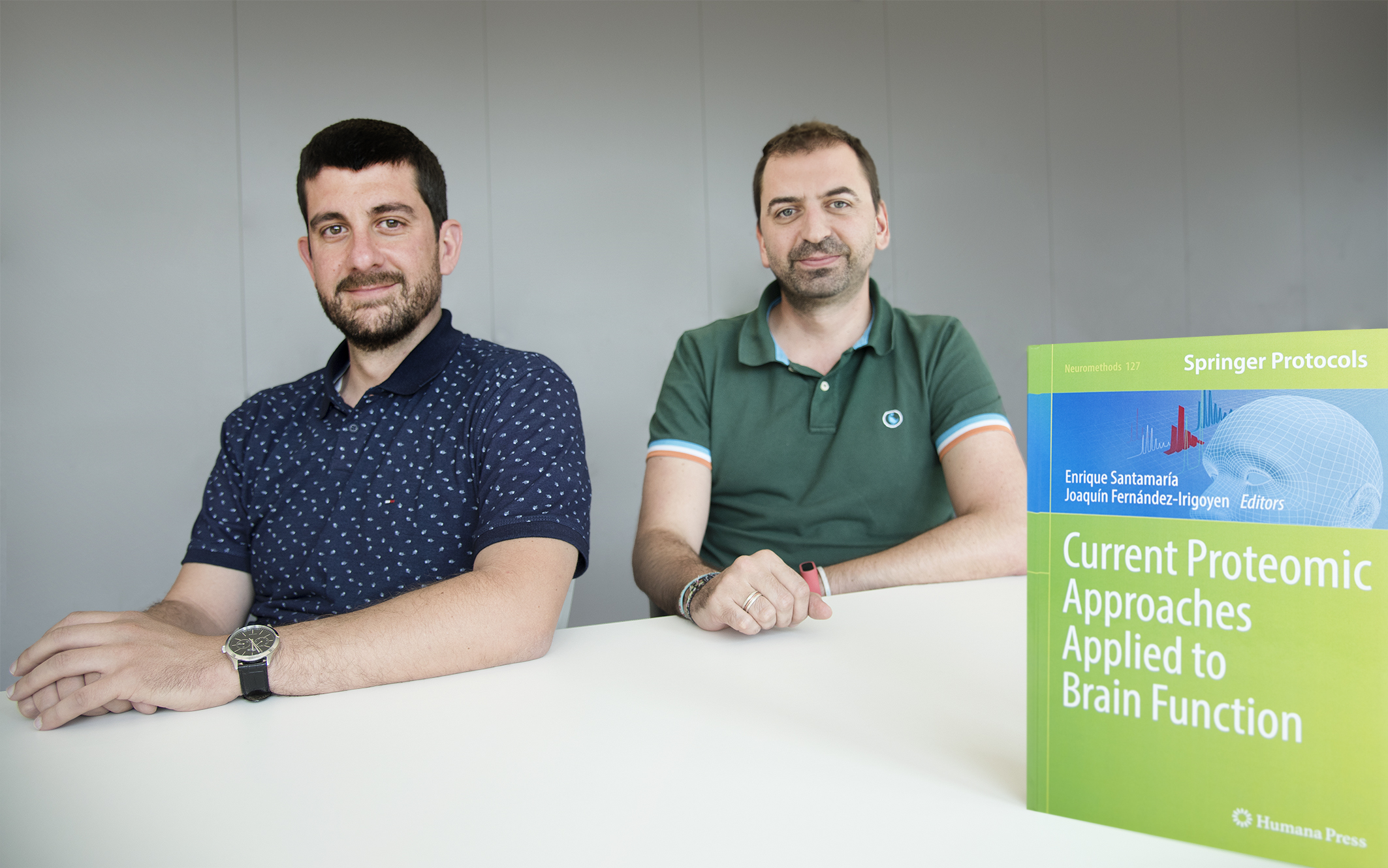
LEnrique Santamaría and Joaquín Fernández-Irigoyen, researchers at the Proteomics Unit of the biomedical research centre Navarrabiomed, were the coordinators of Current Proteomic Approaches Applied to Brain Function, released by the academic publishing company Springer Nature as part of its Neuromethods collection.

The book introduces 20 standard protocols to deepen the knowledge of proteins and their role in neurodegenerative and psychiatric disorders.

In this book, Santamaría and Fernández-Irigoyen, who are also professionally related to the Navarra Medical Research Institute (IdiSNA) and the ProteoRed-ISCIII national platform, offer a compendium of methods for brain proteome quantification, post-translational modification monitoring, neuronal organelle identification and characterisation, and bioinformatics tool implementation for omics data integration. It is meant to be an essential guidebook for students a valuable resource for graduate students and postdoctoral fellows interested in neuroproteomics, as well as for researchers looking for further insight into the growing field of mass spectrometry in neuroscience.

Book contributors included as many as 75 researchers from labs in Spain, Switzerland, France, Denmark, Portugal, Germany, India, the USA and Brazil. Many of them are regular participants in The Human Brain Proteome Project (HBPP).

HBPP is an international initiative sponsored by the Human Proteome Organisation (HUPO) promoting proteomic studies on the human brain and follow-up projects to decipher the role of proteins in brain development, health and disease.


Categoría
Galería de imágenes
Navarrabiomed researchers Joaquín Fernández-Irigoyen and Enrique Santamaría.
Download Flecha que indica descarga
Documentación
Vídeo

IdiSNA, certified as Medical Research Institute by Ministry of Science, Innovation and Universities

Author
Navarrabiomed

The Navarra Medical Research Institute (IdiSNA) has been certified as a Medical Research Institute by the Ministry of Science, Innovation and Universities, by Ministerial Decree of 24 January 2019.

This certification means IdiSNA meets all the quality requirements and high technical standards set forth by Royal Decree 279/2016, of 24 June, on the certification of biomedical or medical research institutes.

The whole process took a great deal of effort in terms of evidence and document submission for a pre-audit and on-site audit performed by a highly specialised technical team from Instituto de Salud Carlos III (ISCIII), who checked compliance with all the relevant requirements.

The certification must be renewed on a five-year basis. Renewal involves an assessment of the institution’s scientific activity and management practices.

The relevance of the certification

The certification granted to IdiSNA, a recognition to excellence, is bound to have an impact on the design of the Medical Research Strategy in Navarra. Moreover, it enables IdisNA to enter ISCIII’s calls to certified research institutes.

In addition, being certified as a Medical Research Institute whose infrastructure includes hospitals, research centres and universities means IdiSNA can become more competitive internationally, getting better access to European funding.

Internally, this certification comes as an acknowledgement of all the professionals from a variety of institutions that are part of IdiSNA, contributing to integration and to the development of its Strategic and Scientific Plan.

Strategic bet

IdiSNA is a strategic bet by the Community of Navarra, framed within the Navarra Regional Development Strategy RIS 3. It is also a real strategic alliance between participating institutions, all of them committed to excellence through cooperation and networking, giving prominence to the scientific contributions of each participant.

Furthermore, IdiSNA stands for a unique regional research model in that it covers the whole quality medical research area in Navarra while making room for true innovation. In this sense, IdiSNA is the first regional research centre whose activity is based on public-private cooperation and whose members include two large hospitals, two research centres and two universities.
At the core of IdiSNA are the Navarra Hospital Complex (CHN) and Clínica Universidad de Navarra (CUN). Around them are the Public University of Navarra (UPNA) and the University of Navarra (UN), Navarrabiomed and Centro de Investigación Médica Aplicada (CIMA), the Navarra Public and Occupational Health Institute (ISPLN), primary health care centre and other medical centres related to the Health Department. The medical researchers work in all these institutions.

Today, IdiSNA has over 900 researchers, grouped into 104 research teams and 10 fields of knowledge.

Of all the research teams, 23 per cent include researchers from different centres (both public and private). This adds a multidisciplinary layer to the whole – a must for quality research.

History and background

In 2005, the Government of Navarra took the first steps towards the establishment of a research centre. Unfortunately, these early efforts did not bear fruit.

Present-day IdiSNA was established in 2010 under an agreement between the Health Department and the University of Navarra.

In May 2017, the Public University of Navarra joined the agreement. This gave IdiSNA its final shape.

The full social and professional consensus on the strategic relevance of IdiSNA in Navarra today is the best guarantee for the development of medical research in the region in the future.

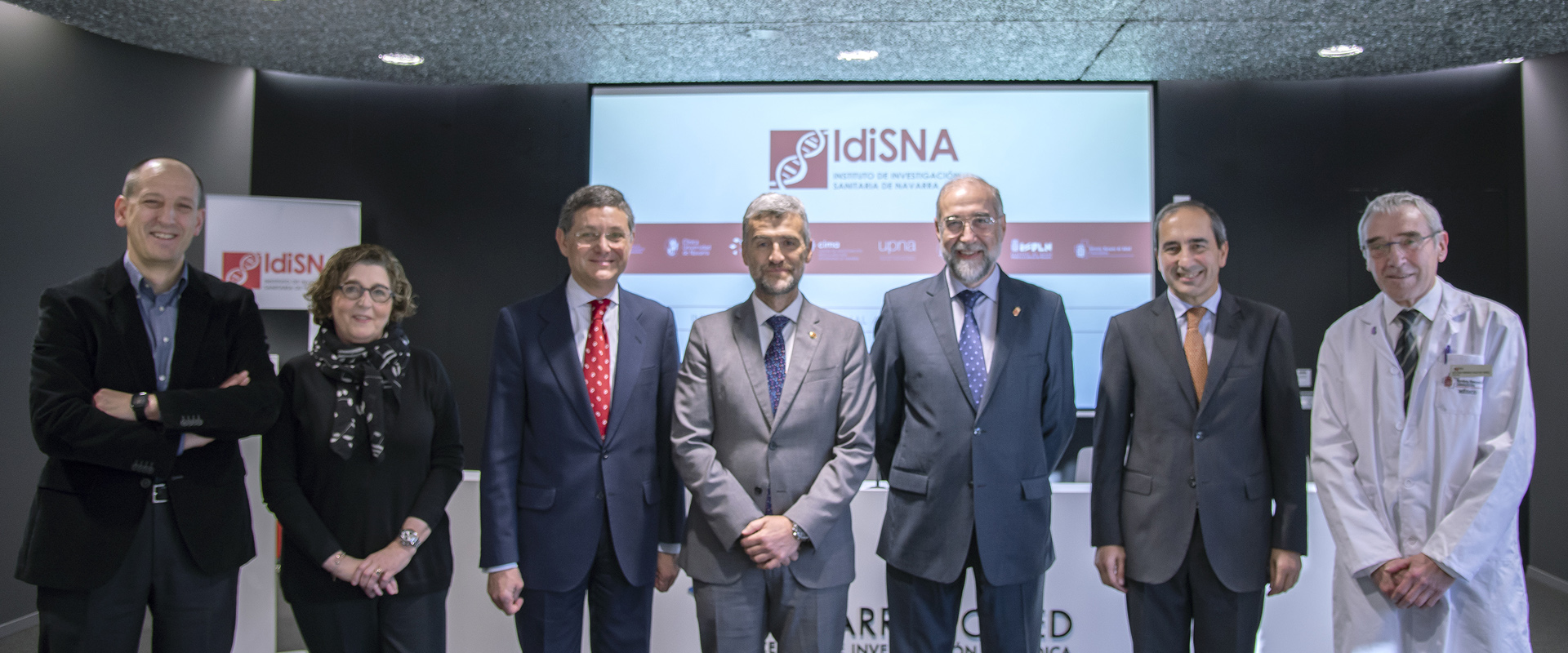
Photo: From left to right: Iñigo Lasa, Director of Navarrabiomed; Rosario Luquin of IdiSNA; José Andrés Gómez, CUN Managing Director; Alfonso Carlosena, UPNA Chancellor; Fernando Domínguez, Head of the Navarra Health Department; Alfonso Sánchez-Tabernero, UN Chancellor; and Antonio Merino, CHN Managing Director.
 

Categoría
Galería de imágenes
Rueda de prensa 1
Download Flecha que indica descarga
Rueda de prensa 2
Download Flecha que indica descarga
Foto representantes de los centros que componen IdISNA
Download Flecha que indica descarga
Vídeo