Noticias

Navarrabiomed supports international clinical study in Spain to prevent cancer in patients with Lynch syndrome
Author
Navarrabiomed
  • The study, CaPP3 Spain, will assess the effectiveness of the continuous intake of aspirin in patients with Lynch syndrome

Navarrabiomed – the joint biomedical research centre of the Government of Navarra and the Public University of Navarra (UPNA) – is promoting and coordinating the Cancer Prevention Project 3 (CaPP3) in Spain, a study that aims at finding the right dose of aspirin for people with a mismatch repair gene defect, the underlying cause of Lynch syndrome. Currently, the study is being carried out in the UK, Spain, Finland, Australia and Israel.

Patients with Lynch syndrome have a greater genetic risk of developing colorectal and other types of cancer, including uterine, gastric, liver and bile duct and urinary tract cancers. About half the individuals with the gene defect that leads to Lynch syndrome develop cancer, many of them at a younger age than the general population.
CaPP3 Spain will be conducted at the Navarra Hospital Complex (CHN) between 2018 and 2022, as part of a joint initiative by the Medical Genetics and the Digestive System Units for advancement in the knowledge and approach to Lynch syndrome.

CaPP3 Spain is led by Ángel Alonso and Ana Guerra, medical specialists from the Medical Genetics and Digestive System Units, respectively, and Navarrabiomed researchers. ‘Studies suggest that a daily dose of aspirin can reduce the risk of cancer in patients with Lynch syndrome. However, we still do not know what the minimum effective dose is, which is why we are conducting these clinical trials before administering the drug to our patients,’ Dr Alonso remarks.
‘So far, the only way of controlling the risk of cancer in this type of patients was clinical follow-up (endoscopy, gynaecological check-up, urological check-up). Unfortunately, this method does not prevent interval cancers. So being able to reduce the risk with a drug is a big breakthrough,’ Dr Guerra adds.

300 patients with Lynch syndrome in Navarra

Lynch syndrome is a genetic disorder whose prevalence is about 1-in-1000. Thanks to the intensive work done by research teams over the past 20 years in Navarra, 300 carriers of the disease have been identified in the region.

CaPP3 Spain is part of the Cancer Prevention Project 3 (CaPP3), which envisages the participation of 2000 recruits at the global level for the next eight years.
CaPP3 Spain is being coordinated at the Navarrabiomed Clinical Trial Platform, which makes all the resources and the infrastructure available, supervises patient recruitment and follow-up, and is in contact with CaPP3 international partners.

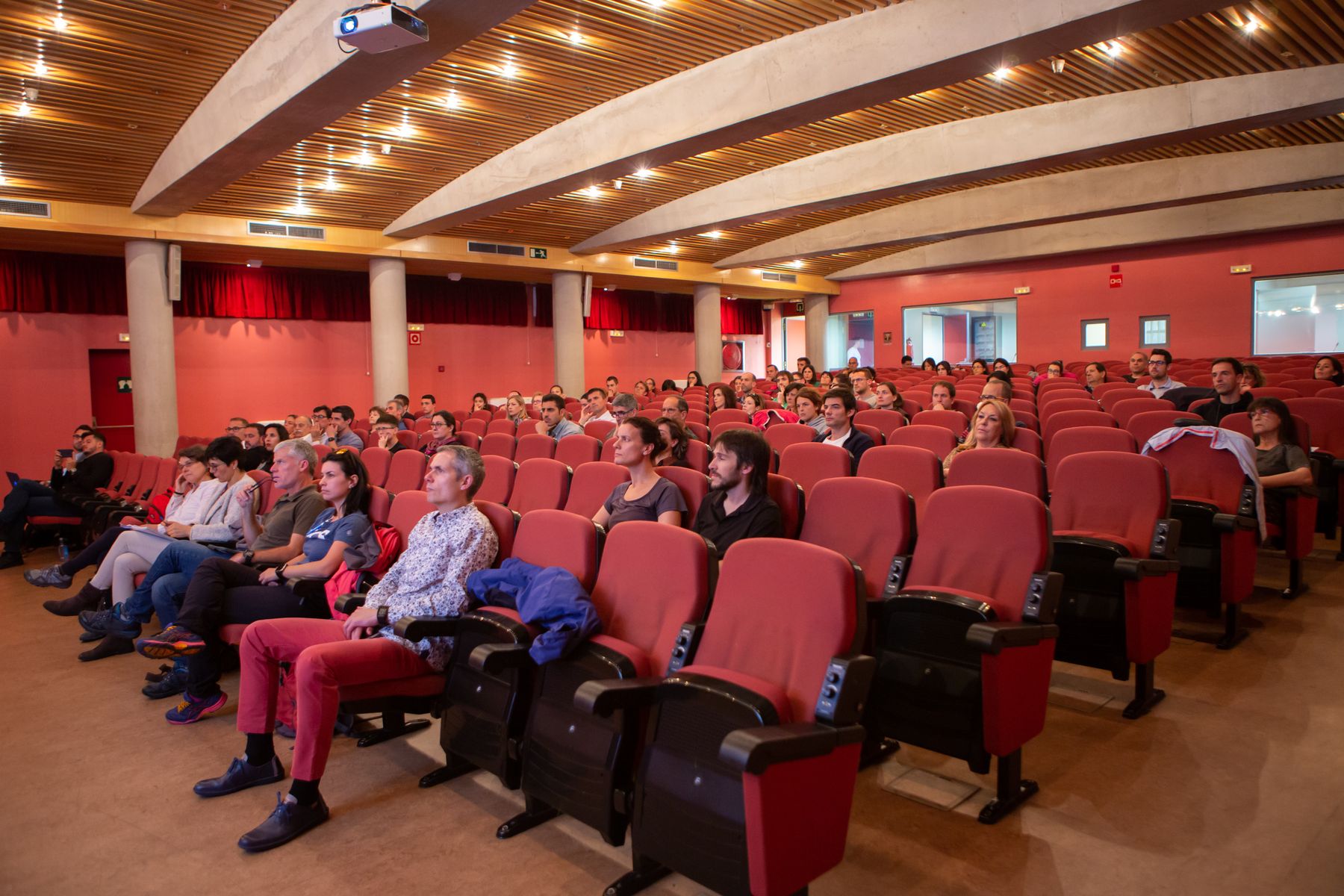
In the development of CaPP3 Spain, the team relied on Gillian Borthwick, CaPP3 Manager at the National Institute for Health Research (Newcastle, UK) for advice. Recently, Dr Borthwick conducted a seminar in Navarrabiomed.

Navarrabiomed and CHN are part of the Navarra Medical Research Institute (IdiSNA), an agency promoting excellence in biomedical research in Navarra.


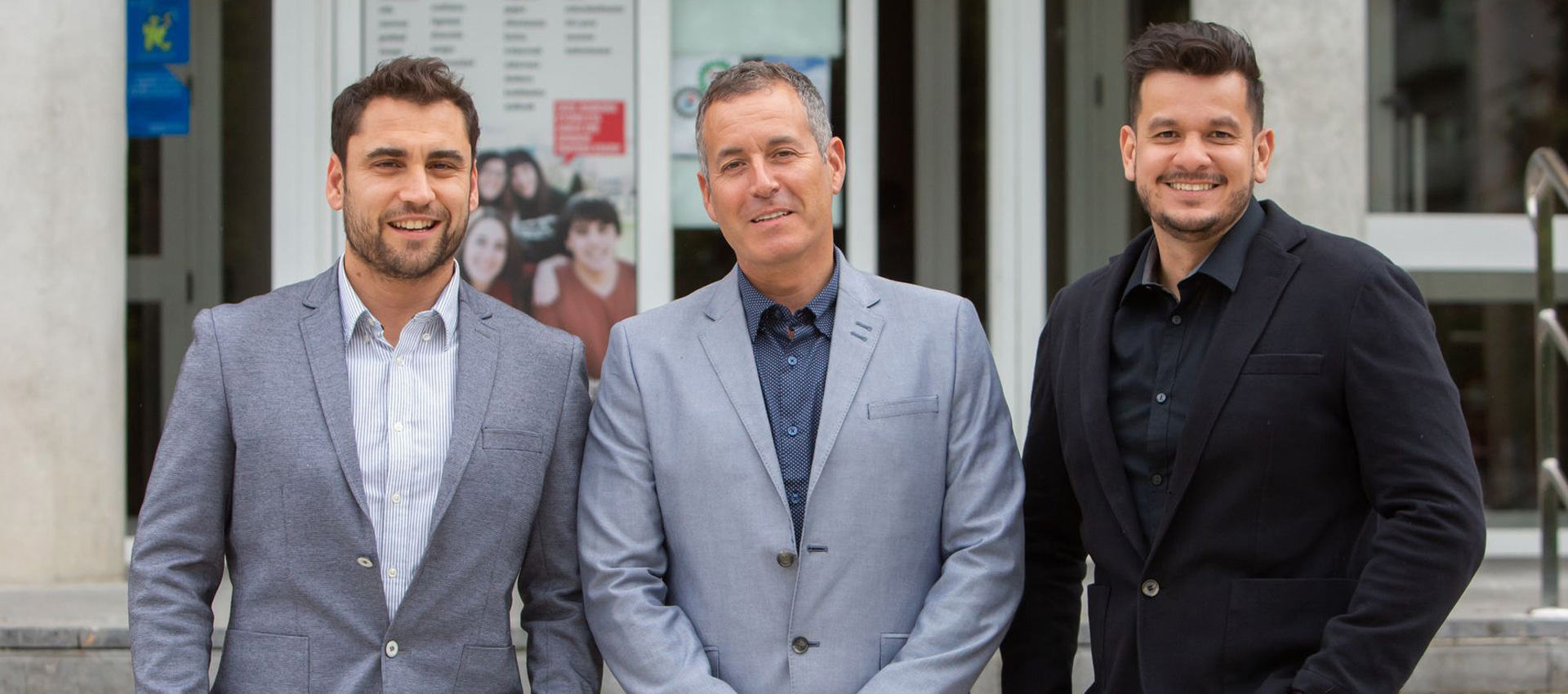
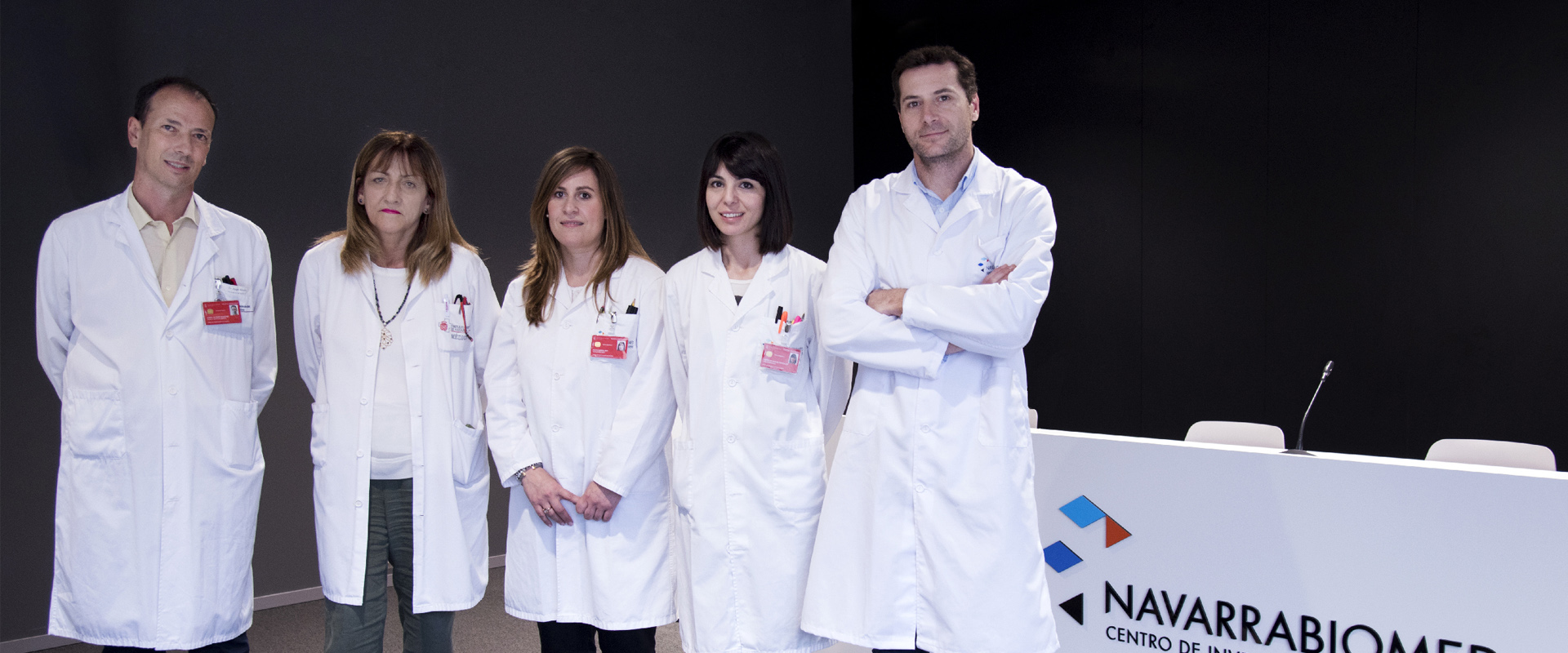
Photo: Representatives of CHN and Navarrabiomed. From left to right: Ángel Alonso, Ana Guerra, Ruth García, Patricia García and Ferran Capdevila.

Categoría
Galería de imágenes
Seminar conducted by Dr Gillian Borthwick at Navarrabiomed.
Download Flecha que indica descarga
Gillian Borthwick.
Download Flecha que indica descarga
Representatives of CHN and Navarrabiomed.
Download Flecha que indica descarga
Documentación
Vídeo

Led by Navarrabiomed, project NAGEN 1000 gets recognition among best international personalised medicine practices

Author
Navarrabiomed

The International Consortium for Personalised Medicine (ICPerMed) has granted NAGEN: Navarra Genome 1000 the Best Practice in Personalised Medicine 2018 Award. Ángel Alonso of the Genetics Unit at the Navarra Hospital Complex (CHN), who is also a researcher at Navarrabiomed and coordinator of NAGEN 1000, attended the first conference organised by ICPerMed in Berlin, where he received the international prize.

NAGEN 1000 was granted 2,984,000 Euro, allocated in the 2017, 2018 and 2019 budgets within the framework of the call for grants to R&D Strategic Projects 2017-2019 by the Directorate-General for Industry, Energy and Innovation, Economic Development Department, in accordance with the Intelligent Specialisation Strategy S3. NAGEN 1000 falls within the Genomics and Advanced Medicine category.

A pioneering project

The goal of NAGEN 1000 is to transfer the whole human genome analysis technology to Navarra’s public health system as a unique clinical and research tool for the development of personalised/precision medicine. To this end, a thousand genomes of patients with rare diseases and certain types of cancer in the Navarra Health System-Osasunbidea (SNS-O) and of their relatives are being analysed so as to apply molecular diagnostics, that is, to identify the genetic variants associated with diseases.

NAGEN 1000 is being developed by nearly fifty professionals from CHN, Nasertic, Avantia and Navarrabiomed. Other institutions bring support to the consortium: the Centro Nacional de Análisis Genómico (CNAG-CRG), the Clinical Bioinformatics Research Area of Fundación Progreso y Salud (AIBC-FPS), reporting to the Regional Government of Andalusia, and Genomics England Ltd (GEL), the company that coordinated the 100,000 Genomics Projects in the UK.

18 candidates from six different countries

There were 18 shortlisted candidates to the prize, which is given every year to the best practice in personalised medicine. As many as 61 researchers were involved in the shortlisted projects, based in six different countries – Italy, Luxembourg, Netherlands, Germany, Switzerland and Spain. The proposals were evaluated by seven researchers with broad experience in the implementation of personalised medicine.

At the Berlin ICPerMed Conference, other two good practices were given recognition as well: a proposal of recommendations for a national personalised medicine strategy, submitted by Fundación Instituto Roche in Spain, and a German project to transfer research results to personalised medicine in infectious diseases, submitted by Ruhr-Universität Bochum.
ICPerMed has more than 30 international members, mainly from Europe, and is funded by the European Commission. Its primary goal is to foster research and provide a framework for cooperation between member organisations for the development and implementation of personalised medicine.

Categoría
Galería de imágenes
Ángel Alonso during his conference.
Download Flecha que indica descarga
Ángel Alonso, third from the left, holding the prize certificate.
Download Flecha que indica descarga
Vídeo

Microbial Pathogenesis Unit of Navarrabiomed-UPNA identifies new gene structure in bacteria that may trigger novel developments in the fields of synthetic biology and bacterial biotechnology

Author
Navarrabiomed

The Microbial Pathogenesis Unit of Navarrabiomed-Public University of Navarra (UPNA) has found a new genetic organisation in bacteria that helps better understand bacterial biology. The study of this genetic architecture was published in Proceedings of the National Academy of Sciences of the United States of America (PNAS).

Research background

In 1961, François Jacob and Jacques Monod discovered that bacteria group the genes that encode the proteins for a certain metabolic pathway in a single transcription unit (which they called ‘operon’). They won the Nobel Prize in Physiology or Medicine in 1965 for their discovery.

The bacteria they chose for their study was Escherichia coli, which normally lives in the intestines of healthy people; specifically, they studied the set of genes E. coli bacteria need to transport lactose (milk sugar) and break it down. E. coli only produces the three proteins it needs to digest lactose when the sugar is available. To simplify transcription regulation, the three genes involved are adjacent in the genome and under a single regulation system. Similar transcriptional regulation systems are found in other metabolic pathways in all bacteria.

Research at Navarrabiomed

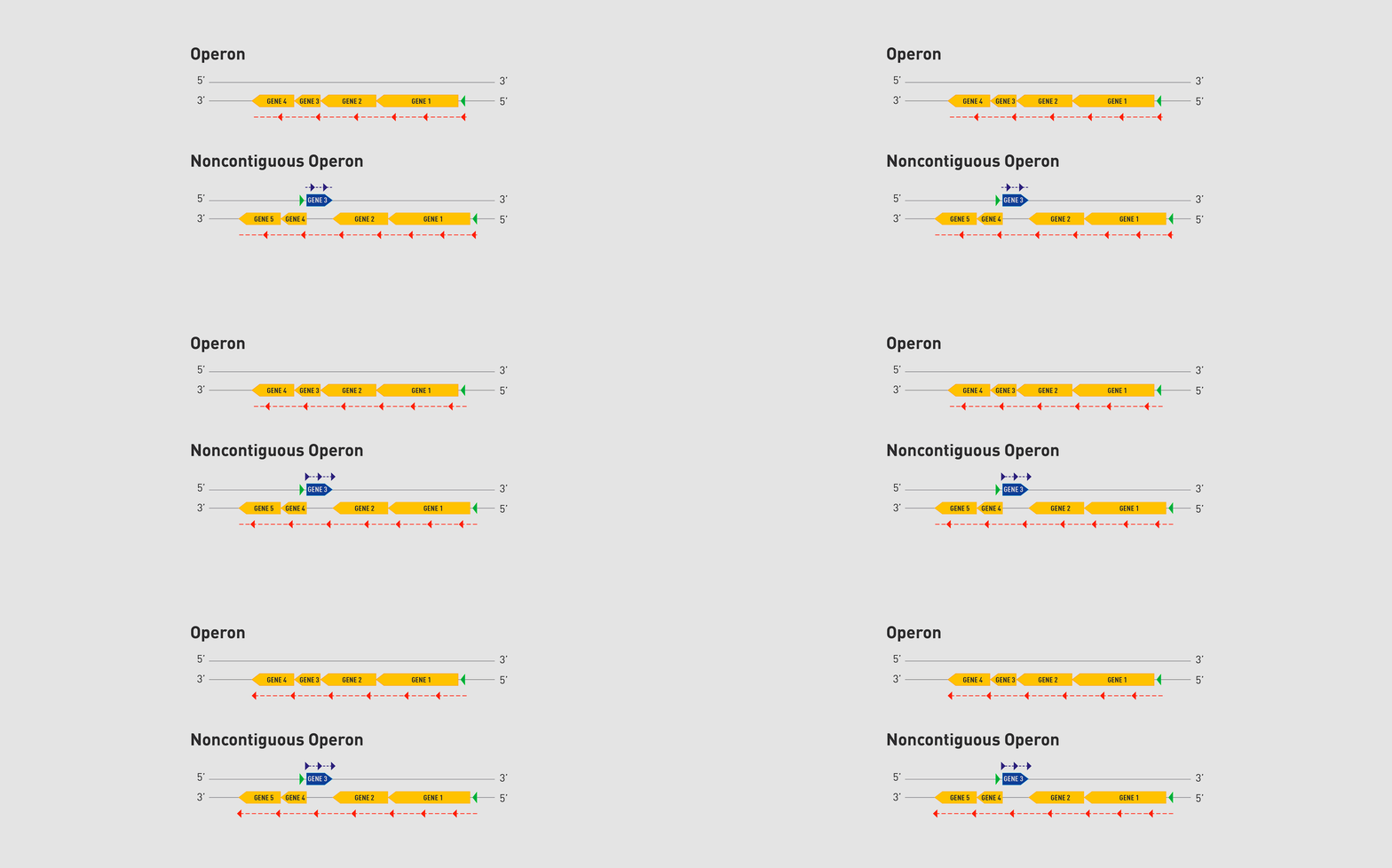
In 2018, the team of researchers at Navarrabiomed coordinated by Iñigo Lasa Uzcudun, Head of the Microbial Pathogenesis Unit and Director of the biomedical research centre, described a new way genes are organised in bacteria. This regulation system has a higher level of regulation in operon structure, which the authors of the study named ‘non-contiguous operon’.

The bacterial model analysed has a group of four genes that are transcribed as a transcription unit despite the existence of a separate gene between the second and third genes that is transcribed in the opposite direction.

This transcriptional architecture results in an antisense transcript that acts as a mutual regulation system for the expression of the genes in the operon and the gene that produces this antisense transcript. Therefore, the concept of non-contiguous operon includes not only the genes transcribed from the same transcription unit but also overlapping genes whose expression is coordinated with that of the genes in the operon.

This finding deepens the understanding of bacterial biology and may trigger novel developments in the fields of synthetic biology and bacterial biotechnology.
The study was carried out as part of the scientific activity done at the Navarra Medical Research Institute (IdiSNA).

Categoría
Documentación
Vídeo

NAGEN 1000: diagnosis of rare genetic disorders through whole genome sequencing

Author
Navarrabiomed

Navarrabiomed has led the NAGEN: Navarra Genome 1000 project since 2016. The project focuses on whole genome sequencing for a new approach to rare genetic disorders in the Navarra Health System-Osasunbidea (SNS-O). So far, thanks to collaboration with doctors from 18 medical specialties at the Navarra Hospital Complex (CHN), the study includes data about 400 patients and their relatives, precise diagnoses for 25 per cent patients and identification of possible causes for another 25 per cent.

The patients that are part of the study had not been accurately diagnosed, despite having been treated by several specialists and having taken a large number of traditional tests. Angel Alonso, the coordinator of the project, highlighted the project’s relevance to healthcare services: ‘Making genomic analysis available to the public health system is revolutionary. It means a significant change in the clinical approach to patients with rare genetic disorders.’

Impact on the patient and their family

On the occasion of Rare Disease Day on the last day of February, it is worth mentioning that about 6 per cent of the global population are individuals with rare diseases. In Navarra, their number amounts to 38,000. At present, there are 7000 types of rare diseases, most of them of genetic origin.

In many cases, genetic testing enables the patient and their family to get a deeper knowledge of their condition and its progression, to understand how a genetic disease is inherited and to learn about the risks for other family members. The emotional significance of finding answers to the questions posed by the symptoms – which sometimes have remained unanswered for too long – means putting an end to uncertainty and isolation for most patients with rare diseases.

NAGEN 1000: a pioneering project in Spain

NAGEN 1000 is a ground-breaking project at the national level, placing Navarra at the forefront of genomic analysis and technology. The project was introduced last year at the Senate Presentation of Genomic Studies, whose conclusions were approved in 2019, thus green-lighting the development of a national strategy for personalised medicine.

Currently, the project’s methods, procedures and infrastructure are being transferred to daily clinical practice in SNS-O, to the benefit of the people of Navarra.

NAGEN 1000 is financed by the Economic Development Department at the Directorate-General for Industry, Energy and Innovation within the framework of the Intelligent Specialisation Strategy S3. It is being developed by a consortium made of CHN, Nasertic (a company run by the Government of Navarra), Avantia and Navarrabiomed, leader and coordinator of the project, with the support of the Directorate-General for Information Technology, Telecommunications and Public Information (DIGITIP), and the cooperation of the Centro Nacional de Análisis Genómico (CNAG-CRG) and the Clinical Bioinformatics Research Area into Rare Diseases (CIBERER) of Instituto de Salud Carlos III (ISCIII).

Categoría
Vídeo

ONCONET SUDOE European project gathers 90 experts in Molecular Biology, Cancer and Bioinformatics in Pamplona

Author
Navarrabiomed

On 16 May, Navarrabiomed held a workshop on Molecular Biology, Cancer and Bioinformatics in the context of ONCONET SUDOE, a transnational European project co-financed by the INTERREG SUDOE Programme 2014-2020. The project is aimed at connecting researchers, healthcare providers, biobanks and companies, for the establishment of long-term relationships that foster innovation in oncology.

A total of 90 experts from 32 organisations participated in the event’s three sessions and two panels, focusing on the molecular basis of cancer, liquid biopsy, genomics and cancer bioinformatics.

Research projects

At the event, participants discussed the results of research projects developed in the context of ONCONET SUDOE. In particular, the results of the project named ‘High-throughput technologies for the study of molecular alterations in breast, lung and pancreas cancer’, coordinated by David Guerrero from Navarrabiomed, attracted considerable interest. The latest technologies for genome ultra-sequencing for diagnosis of lung, breast and pancreatic cancer were also discussed. Participants also acknowledged the relevance of liquid biopsy, a novel, simple, non-invasive method that detects genetic and epigenetic alterations using a blood sample. They also recognised the need to find new biomarkers of notoriously aggressive tumours, like triple-negative breast cancer or pancreatic adenocarcinoma, for which no targeted therapies are currently available, or tumours that tend to be progressive, such as lung cancer.

In the afternoon, data analysis and bioinformatics took centre stage. Three elements were mentioned as key to the future of personalised medicine, namely, the generation of data by patients themselves using mobile devices and apps, thus getting them actively involved in the self-management of health and disease; the new genome sequencing technologies, important for the development of precision medicine, a field in which Navarra is a pioneer thanks to projects like NAGEN 1000 or PHARMANAGEN; and, finally, the application of natural language analysis and processing and data integration to access to the information stored in medical records.

In this regard, the analysis of huge amounts of information using big data and artificial intelligence is one of the challenges taken on by the Translational Bioinformatics Unit at Navarrabiomed. The team presented their work and coordinated the afternoon sessions.

The event was closed by a working session that took place on Friday, 17 May, attended by the team managing the project. They assessed the evolution of the activities and planned the final stage. They also discussed the fulfilment of the goals set at the beginning of the project, such as the standardised SOP or the white book on the rights of cancer patients, among others.

About ONCONET SUDOE

Since it was launched 36 months ago, ONCONET SUDOE has had seven partners: Biocat, University of Coimbra, Spanish National Cancer Research Centre, Granada Health Technology Park, Institut Català d’Oncologia, Navarrabiomed-Miguel Servet Foundation, and Université Toulouse III-Paul Sabatier (project coordinator).

ONCONET SUDOE will come to completion in Toulouse this June with a closing event, having attained its primary goal, that is, to establish a permanent cross-border cooperation network to promote cancer research through the development of multicentre projects and more competitive joint initiatives.

At present, the project members are considering the possibility of planning a new stage, defining its priority goals and identifying the relevant cancer topics to be addressed.

www.onconet-sudoe.eu

Photo: David Guerrero Setas, Alexandre Ferreira, Ramon De Mello, Marília Dourado, Celso Reis and Salomé Pires.

Categoría
Galería de imágenes
Opening, Marisol Fragoso.
Download Flecha que indica descarga
Scientific sessions.
Download Flecha que indica descarga
Partner’s meeting.
Download Flecha que indica descarga
Documentación
Vídeo

Government of Navarra makes 3.7 million Euro available to biomedical research projects carried out by Navarra Hospital Complex, Navarrabiomed, CIMA and Clínica Universidad de Navarra

Author
Government of Navarra
  • The Government-funded projects focus on personalised medicine, molecular patterns in cardiorenal syndrome and neurological disorder phenotypes.

The Directorate-General for Industry, Energy and Innovation has approved the allocation of funds to R&D projects to be carried out over the next three years. Three of these projects – granted 3,741,018.6 Euro – are biomedical research studies to be conducted by Navarrabiomed, Centro de Investigación Médica Aplicada (CIMA) and Clínica Universidad de Navarra (CUN).

These three projects are: Pharmanagen, led by Navarrabiomed, the joint biomedical research centre of the Government of Navarra and the Public University of Navarra (UPNA); MINERVA, led by CIMA, with participation of doctors from the Navarra Hospital Complex (CHN); and Geneurona, led by Clínica Universidad de Navarra.Ç*

Pharmanagen: genomics and prescription drugs.

Pharmanagen is being carried out by Navarrabiomed along with two partners: the Navarra Hospital Complex (CHN) and Pharmamodelling, a company providing data analysis services to the pharmaceutical industry. The goal of the project is the implementation of genomic methods and procedures for drug prescription in the Navarra Health System-Osasunbidea (SNS-O).

In this context, information about genetic variation in drug responses will be integrated into the health information systems to be used as a reference in drug prescription. Doctors will be able to take advantage of this information for deciding on a certain medicine or drug dosage more accurately, according to each patient’s genetic profile, so as to increase the effectiveness and reduce the toxicity of the medicines they prescribe.

The researchers involved in this project will use the whole exome sequencing of patients who are eligible for a drug whose activity has been conclusively proven to be affected by the patient’s genome.

In Pharmanagen, scientists will first study patients who are eligible for a blood cell transplant and those who suffer from inflammatory bowel disease.
The project is aimed at implementing personalised medicine in the SNS-O so that Navarra stands ahead of the curve at the national level in terms of genomic information in the public health system.

The scientific team that will carry out Pharmanagen will be led by Juan José Beloqui Lizaso of the Hospital Pharmacy Service at the Navarra Hospital Complex. Dr Beloqui will coordinate the project’s stages and partners.

The project, budgeted at 1,402,735.11 Euro, will be financed by the Economic Development Department.

MINERVA: public-private cooperation

MINERVA is a project that applies personalised medicine to cardiorenal syndrome in Navarra. Based on genomics, it aims at the identification of specific molecular alterations of patients with chronic heart failure and chronic kidney disease. The goal is to identify novel biomarkers that can be used to diagnose diseases or find targets with therapeutic potential to help doctors at the SNS-O and, in general, doctors based in Navarra implement precision medicine, especially when treating patients with chronic heart failure and chronic kidney disease.

Headed by Javier Díez (CIMA, CUN, University of Navarra), the project will involve the firm IKAN Biotech SL, the University of Navarra, CUN, CIMA and CHN.

Cardiologist María Teresa Basurte Elorz and nephrologist Joaquín Manrique Escola will coordinate MINERVA at the Navarra Hospital Complex, while cardiologist Juan José Gavira and nephrologist Nuria García Fernández be their counterparts at CUN. Biologist Arantxa González will be the coordinator of the project at CIMA, while geneticist José Luis Vizmanos will carry out MINERVA studies at the University of Navarra and biologist Roberto Díez, at IKAN Biotech SL.

The Government of Navarra will channel 1,267,022.84 Euro into this project.

Geneurona: diagnosing epilepsy and migraine

The third research project, Geneurona, will explore genomic diagnosis of epilepsy and migraine in Navarra. The project is getting 1,071,260.65 Euro from the Government of Navarra. The goal is to implement next-generation sequencing (NGS) technologies in clinical phenotype diagnosis and prognosis assessment in patients with neurological conditions like migraine and epilepsy.

Carried out by a multidisciplinary team led by Clínica Universidad de Navarra, Geneurona addresses the diagnostic process from the perspective of endophenotypes and their prognosis. The project is aimed at moving towards a precision medicine model and, as a result, a more efficient use of both health system resources and therapies. The project’s partners are Making Genetics, Applied Medical Research Foundation and the University of Navarra. María Cruz Rodríguez Oroz is the project leader.

By supporting these projects, the Economic Development Department wants to promote research activity, in particular, relevant R&D projects in the field of biomedicine, in accordance with the Intelligent Specialisation Strategy S3.

Categoría
Documentación
Vídeo

A tailored physical exercise programme leads to cognitive improvements in hospital patients over 75

Author
Navarrabiomed

A tailored physical exercise programme implemented for the past two years and a half with 370 senior patients over 75 by the Geriatrics Unit at the Navarra Hospital Complex (CHN) has been found to produce ‘improvements in participants’ cognitive functions.’ This is the most important conclusion in the study published in medical journal PLOS Medicine by researchers at CHN, Navarrabiomed – a joint biomedical research centre of the Government of Navarra and the Public University of Navarra (UPNA) – and the Federal University of Rio Grande do Sul (UFRGS) in Brazil. According to the authors, this finding is evidence of the need to ‘change traditional hospitalisation, consisting mainly of bed rest, to acknowledge the importance of keeping functional capacity and cognitive ability active, as key components of a patient’s functional status.’

The authors of the study are UPNA researchers Mikel López Sáez de Asteasu and Mikel Izquierdo Redín (faculty member at the Department of Medical Sciences), CHN-Navarrabiomed researchers Nicolás Martínez Velilla (Head of the Geriatrics Unit), Álvaro Casas Herrero, Fabricio Zambom Ferraresi and Arkaitz Galbete Jiménez, and UFRGS researcher Eduardo L. Cadore. All UPNA and CHN-Navarrabiomed researchers are members of the Navarra Medical Research Institute (IdiSNA) and, except for Galbete, of the Frailty and Healthy Ageing Network-Based Biomedical Research (CIBERFES).

Physical exercise programme for strength, balance and gait

Participants in the programme were given tailored, controlled exercises for strength, balance and gait, adapted to their capabilities, even during the acute phase of their illnesses. Depending on their condition, training intensity varied from 30% to 60% of their muscle strength in arm and leg workout series. The workout routine consisted of two 20-minute sessions, in the morning and in the afternoon, five to seven days a week (including weekends and holidays), supervised by instructors specialising in physical exercise for seniors.

The programme, a version of the Vivifrail project (successfully implemented with almost 1000 people with frailty issues in seven European countries), took into account the clinical condition of individual patients. In an paper published in JAMA Internal Medicine, the Journal of the American Medical Association, in late 2018, the same team showed that, rather than worsening a patient’s condition, physical exercise ‘plays a key role in preventing frailty, avoiding the complications associated with passive hospital stay and motivating patients in their struggle against disease.’ Now, the team took one further step to study an issue that has seldom been discussed: the benefits of physical activity for the cognitive function of patients.

According to Mikel Izquierdo, in older patients, acute disease followed by hospitalisation ‘often leads to long-term disability.’ Moreover, ‘prolonged bed rest increases the risk of developing cognitive decline or dementia in senior patients with acute hospitalisation,’ Nicolás Martínez Velilla adds.

Improvements in patients

The study results showed that, at the time of discharge, the patients who had followed the physical exercise programme had better language and math, orientation, memory and attention, spatial and cognitive skills than those who had not done the exercises. According to the authors, this is the first study ‘to highlight the benefits of a multi-component physical exercise programme for executive functions and oral fluency in hospitalised elderly patients.’

Photo: The authors of the study published in PLOS Medicine at Navarrabiomed. From left to right: Nicolás Martínez Velilla, Mikel Izquierdo Redín, Mikel López Sáez de Asteasu, Fabricio Zambom Ferraresi and Arkaitz Galbete Jiménez.

Categoría
Galería de imágenes
Los autores del estudio publicado en la revista “PLOS Medicine” posan en Navarrabiomed. Nicolás Martínez-Velilla, Mikel Izquierdo Redín, Mikel López Sáez de Asteasu, Fabricio Zambom Ferraresi y Arkaitz Galbete Jiménez.
Download Flecha que indica descarga
Documentación
Vídeo

Experts gathered at UPNA urge health professionals to prescribe physical activity for the prevention of chronic disease

Author
UPNA

Experts gathered at the Public University of Navarra (UPNA) have urged health and sports professionals to become ‘health agents’ by promoting physical activity among young people and pregnant women. Their goal is to improve the health and fitness of the population as a strategy to prevent non-communicable chronic diseases like obesity, heart disease or type 2 diabetes. A symposium was held by UPNA in Pamplona on Thursday 9 May to discuss exercise prescription as a way to improve health in all ages. Organised by the School of Medical Sciences and the Department of Medical Sciences, the event drew some 130 sports, health and biomedical experts.

Two UPNA researchers, who are also members of Navarrabiomed (the joint biomedical research centre of the Government of Navarra and the Public University of Navarra) and the Navarra Medical Research Institute (IdiSNA), delivered speeches: Mikel Izquierdo Redín, organiser the event, and Robinson Ramírez-Vélez. Mikel Izquierdo talked about strength training and the functions of the muscular system, ‘which a number of health professionals consider important for improving health and recovering from diseases linked with a sedentary lifestyle and population ageing, as well as for optimising sport performance after muscle injury.’ He debunked some of the myths created by pseudo-therapies in connection with strength training and improved muscle function. He said that muscle loss is not an inevitable outcome of ageing, as it can be prevented with proper training. He also observed that it is not true that children cannot do strength training exercises; on the contrary, they can, as long as they engage in controlled movements that are suitable for their age. He insisted that fitness ‘always’ offers benefits to patients who suffer from diseases such as type 2 diabetes and denied that the best muscle training is the one associated with extreme fatigue.

Finally, Izquierdo questioned the effectiveness and validity of the Kinesio Taping Method (which consists in applying elastic strips on muscles to treat pain), hypopressive techniques, electro stimulation suits and muscle roller sticks.

Health and pregnancy

Robinson Ramírez-Vélez said that, despite the efforts made to prevent non-communicable chronic disease, such as promoting healthy habits like physical exercise, a balanced diet, a good night’s sleep, quitting smoking and drinking, and so on, ‘we have failed to obtain the desired results.’ Studies reveal, he added, that ‘the mother’s state of health during pregnancy conditions to some extent the developing baby’s health later in life.’ He highlighted the importance of physical activity in children and adolescents – both aerobic exercise and resistance/strength training. Also, he insisted that health professionals should prescribe physical activity in all stages of life, even pregnancy.

The closing lecture was delivered by Antonio García-Hermoso, of Navarrabiomed and IdiSNA. He showed his disappointment in the fact that ‘Physical Education in school is not considered to be as important as subjects.’ He cited important international studies concluding that ‘exercise in youth is good for both physical and mental wellbeing.’ Finally, García-Hermoso recommended that ‘sports should be given the importance they deserve in primary, secondary and higher education.’

Categoría
Galería de imágenes
Antonio García-Hermoso, Mikel Izquierdo and Robinson Ramírez.
Download Flecha que indica descarga
Attendants.
Download Flecha que indica descarga
Documentación
Vídeo

Navarrabiomed identifies mechanisms involved in the efficacy of lung cancer immunotherapy

Author
Navarrabiomed

The Immunomodulation Unit at the biomedical research centre Navarrabiomed, with the cooperation of the Medical Oncology Service from the Navarra Hospital Complex (CHN), has identified molecular properties in the immune system of lung cancer patients involved in clinical responses to immunotherapy based on PD-L1/PD-1 inhibitors. The study, published in EMBO Molecular Medicine, was made possible by the support of Asociación Española Contra el Cáncer (AECC) and Instituto de Salud Carlos III (ISCIII).

About 300 people are diagnosed annually with lung cancer in Navarra. 20 per cent of them get immunotherapy, a type of cancer treatment that helps the patient’s immune system fight cancer.

A study conducted by researchers at Navarrabiomed shows for the first time the significance of CD4 cells for the response to PD-L1/PD-1 blockade immunotherapy in lung cancer patients. The results of the study might help predict, examining the characteristics of the patient’s immune system, whether they are likely to respond to this type of treatment before treating them.

In addition, the study offers preliminary evidence for using new combination therapies that would improve the efficacy of PD-L1/PD-1 blockade immunotherapy in patients who, in principle, could not benefit from this type of immunotherapy.

It took three years to complete the research project, which was led by David Escors Murugarren and Grazyna Kochan, from the Immunomodulation Unit, and Ruth Vera García, Head of the Medical Oncology Service at CHN.

Moreover, the study is at the core of Miren Zuazo Ibarra’s MD dissertation. ‘Immunotherapies are regularly used in today’s clinical practice, but in a number of cases, the molecular mechanisms involved in the success or failure of a certain therapy are unknown. The results of our study will help more patients benefit from immunotherapy,’ says the young scientist, acknowledging oncologist Hugo Arasanz Esteban and graduate student María Jesús García Granda for their contributions.

At present, the team are also working on melanoma and head and neck cancer. They are also planning to extend the translational investigation to patients treated with immunotherapy as first-line treatment.

The recently published paper forms part of the scientific production of the Navarra Medical Research Institute (IdiSNA), the institution both CHN and Navarrabiomed belong to.

Categoría
Galería de imágenes
Immunumodulation and Medical Oncology teams.
Download Flecha que indica descarga
Vídeo

Carlos Hernández Sáez to continue research in Spain, thanks to funding against brain drain by Roche Farma Spain

Author
Navarrabiomed

Today, Navarrabiomed granted a new ‘Stop Fuga de Cerebros’ fellowship – the programme funded by Roche Farma Spain to stop brain drain and retain young talent in the country, instead of pushing young researchers out in search of resources to carry out their projects.

The event was attended by Luis Gabilondo, Director-General of the Navarra Health Department; Iñigo Lasa, Director of Navarrabiomed; and Mónica Palomanes, Regional Access & Business Manager at Roche Farma. The beneficiary was Carlos Hernández, postdoctoral researcher at the Immunomodulation Unit of the biomedical research centre Navarrabiomed.

‘Stop Fuga de Cerebros’ is an initiative whereby Roche Farma Spain promotes innovation in the local health sector. According to Hernández, this fellowship has enabled him to continue research and boost his career. Without it, he would have had to find a different job or find a research opportunity abroad.
‘Roche’s initiative will enable many researchers like me to stay in Spain, and this will contribute to build a research network to the benefit of Spanish society,’ the postdoc researcher added.

Cutting-edge research: immunotherapy against cancer

The Immunomodulation Unit, which Carlos Hernández is a member of, works jointly with the Medical Oncology Service at the Navarra Hospital Complex (CHN), which does ground-breaking research into the development of immunotherapies for cancer treatment.

When a tumour develops, cancer cells inhibit the immune system so that it cannot attack the tumour. Immunotherapy is aimed at reactivating the immune system so that it can attack and eliminate the tumour. Hernández works to identify biomarkers that predict what patients will respond to immunotherapy and studies the causes of the lack of response in some patients.

For the time being, his research focuses on lung cancer, but his findings can be applied to other types of tumours.

About the ‘Stop Fuga de Cerebros’ fellowship

The ‘Stop Fuga de Cerebros’ fellowship is a tool Roche makes available to regional health ministries for the funding of pre- and postdoc research projects in Spain.
Giving 60,000 Euro over 18 months, it is managed by participating health departments at the regional level, via a cooperation agreement between Roche Farma and the designated agency in each department. So far, Roche Farma has signed cooperation agreements with the health departments in Andalusia, Aragon, the Balearic Islands, the Basque Country, the Canary Islands, Castile-La Mancha, Castile-Leon, Catalonia, the Community of Valencia, Madrid, Murcia and Navarra.

The ‘Stop Fuga de Cerebros’ initiative is aimed at strengthening the research network in Spain. Today, many highly-qualified young researchers find it hard to pursue a scientific career in the country. The initiative is an effective tool designed in response to this situation.

Categoría
Galería de imágenes
Lasa, Hernández, Palomanes and Gabilondo.
Download Flecha que indica descarga
‘Stop Fuga de Cerebros’ fellowship event.
Download Flecha que indica descarga