Logo Navarrabiomed

Noticias

Navarre participates in European network to improve emergency and catastrophic health care in the Pyrenees

Author
Navarrabiomed
  • After working exclusively on COVID-19 disease control in recent months, the professionals at the SNS-O went back to work on the EGALURG Project with an online meeting organized by Navarrabiomed

On 3 June 2020, Navarre organized the first videoconference meeting of the cross-border cooperation network EGALURG, whose aim is to guarantee access to health care in emergency and catastrophic situations in the regions on both sides of the Pyrenees in France, Andorra and Spain and on equal terms.

The professionals at the Navarre Health System-Osasunbidea (SNS-O) will work in coordination with experts from the regions of Occitanie, Nouvelle-Aquitaine and Catalonia. The Navarrabiomed research center, a member of the EGALURG network, facilitated the connection between these professionals.

The EGALURG network is led by Toulouse University Hospital and its partners include Bayonne Hospital and Emergency Medical Services of Catalonia, in addition to Navarrabiomed. The network is being developed within the framework of European Interreg Program V-A Spain-France-Andorra (POCTEFA 2014-2020). It officially started its activity in November 2019 and has a duration of 30 months. To date, two partner meetings have been organized: the first, on 19 December in Toulouse, and the second, the one held yesterday as a videoconference in compliance with the national de-escalation plan.

The EGALURG consortium will work on improving health care throughout the Pyrenees to prevent the border from becoming a legal and administrative hurdle, and to promote interregional cooperation in health care. The initiative also focuses on the coverage provided to geographically isolated towns and people in emergency and catastrophic situations.

To achieve such an improvement in health care, EGALURG will work in the coming months on harmonizing protocols for patient care in order to anticipate and manage the medical equipment required. It will also develop innovative tools for increasing efficiency in health care by preventing different systems and languages from becoming an obstacle. Records will be kept in each region and a common IT platform for assessment and research will be set up based on epidemiological data.

EGALURG in Navarre

The Navarre work group will develop and implement a database on characteristics of severe injuries and an operating inventory of common cross-border resources. It will also coordinate the network’s communication activities by developing different activities and coordinating all the agents in the regions involved.

Given the current situation caused by COVID-19 disease, EGALURG has postponed a number of face-to-face events and training sessions, which will prepare for and guarantee excellent collaboration between professionals. The team trusts that by next year it will be possible to organize simulation events and stays. “Simulation is key because it enables health care personnel to train in locations with a context like the ones found in emergency and catastrophic situations. We hope to be able to reschedule the activities planned and, by 2021, hold meetings to share protocols and good practices”, said Arantxa Ibarrola Segura, the manager of the project in Navarre.

The total budget to carry out EGALURG comes to €2,343,192, of which €1,523,075 (65%) have been co-funded by the European Regional Development Fund (ERDF) through Interreg Program V-A Spain-France-Andorra (POCTEFA 2014-2020). The goal of the POCTEFA program is to strengthen the economic and social integration of the Spain-France-Andorra cross-border area. Its help is focused on developing cross-border economic, social and environmental projects through joint strategies in favor of sustainable regional development.

Galería de imágenes
Left to right: Tomás Belzunegui (UPNA), Andrea Ucar, Marisol Fragoso, Bidatz Villanueva, Arantxa Ibarrola and Rafael Huarte (Navarrabiomed) at Navarrabiomed during the online meeting with the other EGALURG partners.
Download Flecha que indica descarga
Documentación
Vídeo

Navarrabiomed participates in international research project demonstrating loss of smell and taste in COVID-19 patients

Author
Navarrabiomed

•    A consortium made of more than 600 professionals from 50 countries highlights the importance of confirming the diagnosis of people presenting with alterations in their capacity to smell and taste
 

Navarrabiomed is participating in an international research project that has confirmed that most people suffering from COVID-19 experience a loss of their sense of smell and/or taste. This initiative is part of an international consortium made up of more than 600 professionals from 50 countries.

Enrique Santamaría Martínez PhD, Head of the Navarrabiomed Clinical Neuroproteomics Unit, is responsible for leading the center’s participation in an international consortium that has confirmed the direct relationship between COVID-19 and anosmia (loss of the sense of smell) and the reduction in taste capacity in early stages of the disease. More than 600 professionals from 50 countries are collaborating on this study, whose findings may determine who is given diagnostic tests in new outbreaks.

On 7 April 2020, the Global Consortium for Chemosensory Research (GCCR) launched a massive survey with the aim of gathering sensory information on the ability to smell and taste of participants, people diagnosed with an objective test such as PCR or after clinical assessment no more than 15 days prior to responding to the survey. Among other variables, participants were asked to quantify their smell, taste and chemesthesis function (their capacity to smell, taste and perceive cooling, tingling and burning sensations in the mouth) before and while suffering from COVID-19 disease. They were also asked to mention any kind of nasal obstruction that had occurred.

The consortium obtained preliminary results 11 days later, on 18 April, and published the findings on 8 May in the free-access repository medrxiv.org. A total of 4,039 people from more than 40 countries filled out the survey and an analysis of the results indicates that smell, taste and chemesthesis were significantly reduced in patients diagnosed with COVID-19 disease. It is important to point out that nasal obstruction does not seem to be associated with these losses, which suggests that it may be an indicator for differentiating infection from SARS-CoV-2 from other viral infections such as cold and flu (which do produce nasal obstruction).

The reduction in the capacity to smell and taste may be taken as a distinctive characteristic of possible cases of COVID-19 arriving at hospitals and health centers and that require confirmation by means of a diagnostic test.

The project is different from previous studies on chemosensory abilities and COVID-19 because it proposes a massive international approach within a collaborative open-science framework. The study is led by Valentina Parma (Temple University, Philadephia, USA), John Hayes (Penn State, USA), Thomas Hummel (Technische Universität Dresden, Alemania), Steve Munger (Universidad de Florida, USA) and Danielle Reed (Monell Chemical Senses Center, USA). 

Research in progress

The consortium has now received more than 37,000 responses and the survey is still active. Navarrabiomed encourages anyone who has recently suffered from a respiratory disease, including COVID-19, to go online to https://gcchemosensr.org/ and fill out the survey in one of the 29 languages available. “Patient participation is key for determining the symptomatology of SARS-CoV-2. Consortium committees are currently organizing specific research projects that will make use of all the information compiled in the GCCR initiative,” said Dr. Santamaría.

The Navarrabiomed Clinical Neuroproteomics Unit is interested in determining why COVID-19 patients lose their sense of smell. To answer this question, the Unit is collaborating with the group of Dr. David Escors (Head of the Oncoimmunology Unit, Navarrabiomed) in order to untangle the molecular mechanisms that are altered at the olfactory level by the SARS-CoV-2 virus.

“One of the coronavirus’s access routes is through the nasal cavity, which is why analysis of the “nose-brain” route could provide information on why strokes, seizures and encephalitis have been observed in some COVID-19 patients”.

Furthermore, according to preliminary results from the seroprevalence study carried out by the Spanish Ministry of Health and the Carlos III Health Institute, the loss of smell should not merely be considered an early symptom of COVID-19 disease, but also a predictor of immune response,” Dr. Santamaría said.

The Navarrabiomed Neuroproteomics Unit, in collaboration with public and private health institutions in Navarre, is currently working on the development and deployment of precision olfactory medicine, which, together with immunological analysis, will lead to more effective diagnosing and monitoring of the many diseases involving loss of smell, one of which is COVID-19.
 

Categoría
Galería de imágenes
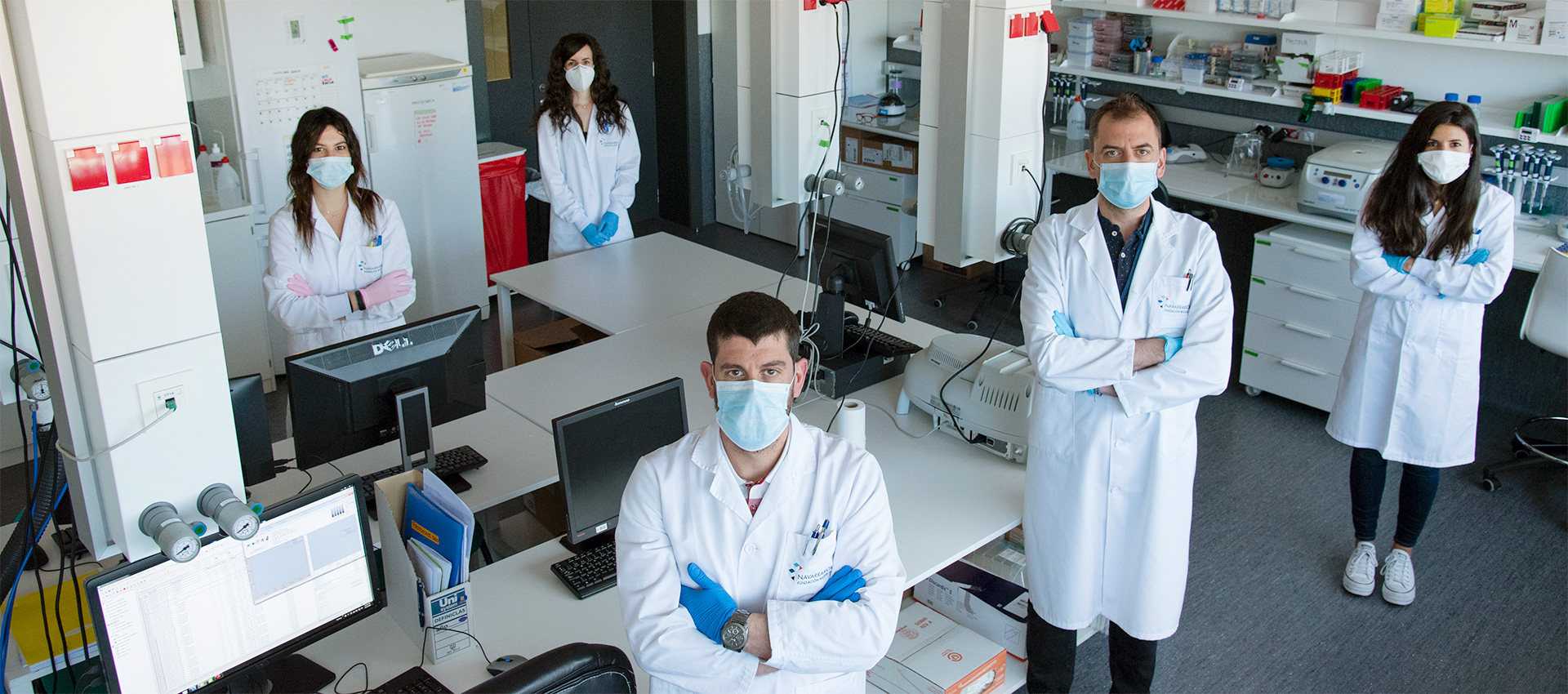
De izda. a dcha: Karina Ausín, Naroa Mendizuri, Joaquín Fernández, Enrique Santamaría y Mercedes Lachén.
Download Flecha que indica descarga
Documentación
Vídeo
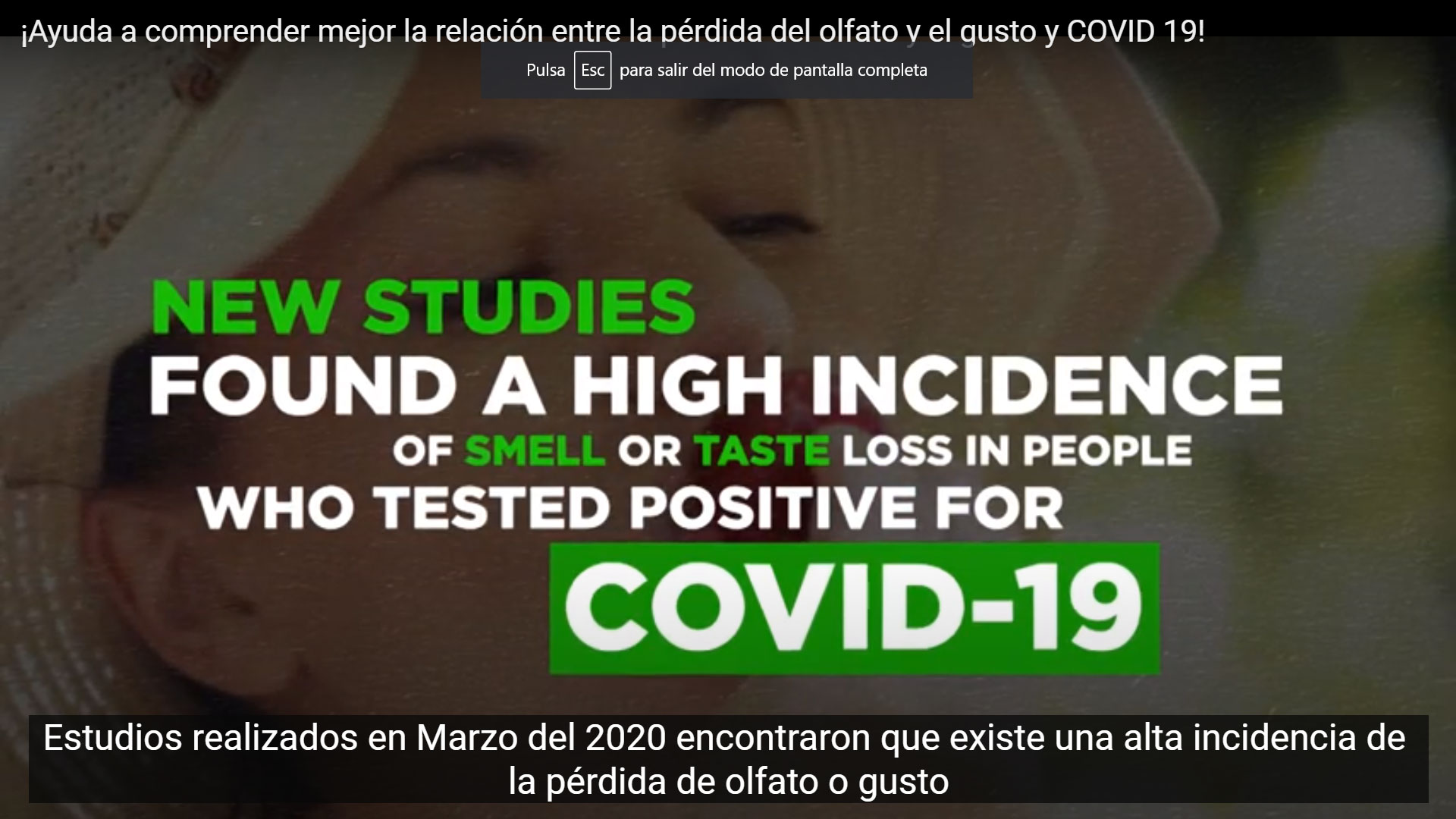
Help researchers better understand the relationship between the loss of smell and taste and COVID-19

CHN and Navarrabiomed promote first clinical trial in Spain to assess efficacy and safety of the drug anakinra in severe cases of COVID-19

Author
Navarrabiomed
  • Ten hospital centers in seven autonomous communities are participating in the research study

The Hospital Complex of Navarre (CHN) and Navarrabiomed will lead the only clinical trial with anakinra authorized in Spain, the aim of which is to assess the efficacy and safety of this anti-inflammatory and anti-rheumatic drug in patients with severe cases of COVID-19 at a total of 10 hospital centers in seven autonomous communities.

The trial specifically aims to assess the efficacy and safety of anakinra in a sample of 180 patients with the aim of reducing inflammatory response and severe pneumonia triggered by so-called cytokine storm syndrome caused by SARS-CoV-2. According to data from participating hospitals, around 20% of COVID-19 patients develop the syndrome.

The research study is supported by the Group of Systemic Autoimmune Diseases (GEAS) of the Spanish Society of Internal Medicine (SEMI). Italy is the only other European country where a similar study has been authorized.

The research study is coordinated by Patricia Fanlo, a CHN specialist in internal medicine, and the Navarrabiomed Clinical Trials Platform. Fanlo is optimistic about administration of the treatment: “We’re working on the hypothesis that the main cytokine that must be inhibited in cytokine storm syndrome caused by SARS-CoV-2 is interleukin (IL-1). In a preliminary study on a small sample of CHN patients, we saw that patient symptoms became less severe 48 to 72 hours after administration of anakinra,” she said.

Treatment with anakinra helps block IL-1, a pro-inflammatory cytokine that is released in infectious and inflammatory processes. Anakinra is administered regularly in the treatment of rheumatoid arthritis and anti-inflammatory disorders such as familial Mediterranean fever and TNF receptor associated periodic syndrome (TRAPS). Blocking IL-1 could inhibit the inflammation caused in this case by the excessive immune response of some COVID-19 patients and prevent them from developing more severe symptoms requiring mechanical ventilation or intensive care.

The clinical trial will also provide complementary data such as the decrease in viral load, mortality rate at 28 days after drug administration, time spent in the ICU, time spent in the hospital, and time until discharge from the hospital.

Centers involved and funding

The Navarrabiomed Clinical Trials Platform has obtained authorization from the Spanish Agency for Medicines and Medical Devices (AEMPS) and the Ethics Committee to carry out the clinical trial at nine hospital centers, in addition to the CHN, by highly qualified researchers in the field of internal medicine, all of whom are members of the SEMI’s GEAS. The following centers are participating in the clinical trial: the University Hospital Complex in Santiago, Álvaro Cunqueiro Hospital in Vigo, Son Espases University Hospital in Palma de Mallorca, La Fe Polytechnic University Hospital in Valencia, Vall d’Hebron University Hospital and the Clinical Hospital in Barcelona, La Paz University Hospital and Ramón y Cajal Hospital in Madrid, Lozano Blesa University Clinical Hospital in Zaragoza and the Hospital Complex of Navarre.

The biopharmaceutical company Sobi has agreed to collaborate with the project by supplying the drugs required free of charge so the clinical trial can begin and to provide incentives for research of the SARS-CoV-2 virus in Spain. The directors of the clinical trial also applied for one of the grants for COVID-19 projects recently approved by the Regional Government of Navarre’s Ministry of Universities, Innovation and Digital Transformation.

To date, Navarrabiomed has managed implementation of 11 COVID-19 clinical trials in the Navarre Health Service - Osasunbidea. Clinical Trials Platform heads Eva Zalba Garayoa and Ruth García Rey said, “The collaboration between health professionals and support services for clinical research is vital to be able to start research projects as soon as possible to find new therapeutic options that help keep patients from advancing to more severe phases of the disease.” The World Health Organization (WHO) has ranked Spain in fourth place in the world and first in Europe in the number of clinical trials carried out on the coronavirus.

Categoría
Galería de imágenes
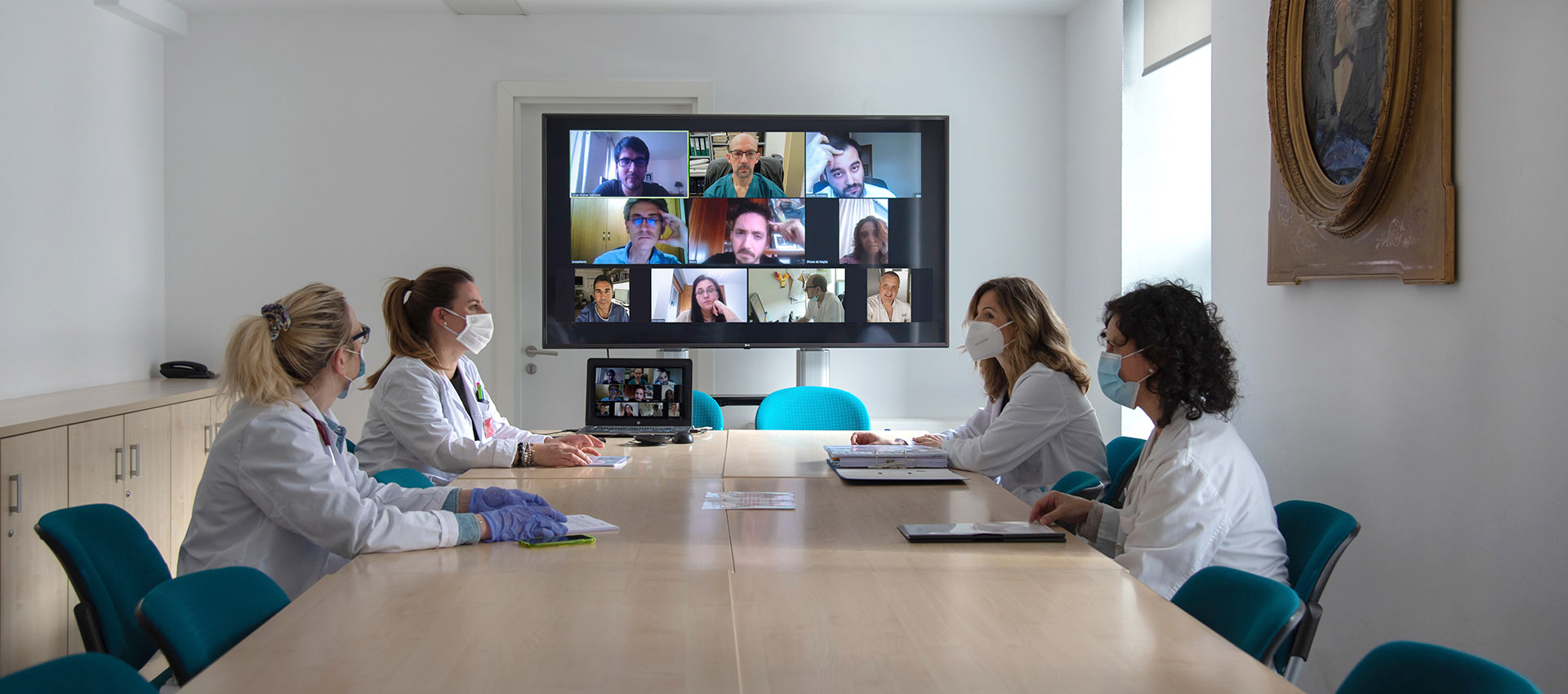
Left to right: Patricia Fanlo (Internal Medicine, CHN), Ruth García and Eva Zalba (Navarrabiomed) and Beatriz Larrayoz (Pharmacy, CHN) at a video conference meeting with the centers participating in the clinical trial.
Download Flecha que indica descarga
Dra. Patricia Fanlo Mateo
Download Flecha que indica descarga
Documentación
Vídeo

Two projects of the Institute of Public and Occupational Health of Navarre and Navarrabiomed to promote COVID-19 research receive €232,000 in funding

Author
Navarrabiomed
  • The Carlos III Health Institute finances two projects in Navarre through Spain's COVID-19 Fund and grants the full amount applied for in both cases. 

The Spanish Ministry of Science and Innovation, through the Carlos III Health Institute (ISCIII), has awarded €232,000 to develop two public research projects within the context of the Navarre Health Research Institute (IdiSNA). David Escors Murugarren, a researcher at Navarrabiomed, and Jesús Castilla Catalán, a researcher at the Institute of Public and Occupational Health of Navarre (ISPLN), have received 100% of the amounts they applied for from the COVID-19 Fund, a mechanism approved by Royal Decree-Law 8 of 17 March 2020 on urgent extraordinary measures for dealing with the economic and social impact of COVID-19.

David Escors, the principal investigator at the Navarrabiomed Oncoimmunology Research Unit, began his scientific career working on coronaviruses at the Spanish National Biotechnology Center (CNB-CSIC), along with researcher Luis Enjuanes. He then continued his work at University College London (UCL) by applying lentiviral vectors and gene therapy in immunotherapy. He is a coronavirus specialist and the positive evaluation received from the ISCIII will enable him to obtain the €115,000 he applied for to develop the project “Platforms for developing biosafe SARS-CoV-2 vaccines.”

The aim of the initiative is to develop a platform for engineering biosafe vaccines for the virus that causes COVID-19 disease. The focus will be on the expression of viral proteins that may activate immunity. This line of research was started up specifically for COVID-19, given the current health emergency, but is based on the European ISOLDA Project - Horizon 2020 for generating more effective and safer virus vaccines (yellow fever, influenza and coronavirus) for adults over 65. Navarrabiomed has worked on this project since 2019 in coordination with professionals from the Spanish National Research Council (CSIC) and with Dutch, German and Italian collaborators.

Institute of Public and Occupational Health of Navarre

At the Institute of Public and Occupational Health of Navarre’s Group of Infectious Diseases and Vaccines, Jesús Castilla will lead the study “Infection, Hospitalization, ICU Admissions and Deaths Caused by SARS-CoV-2 in a Population Cohort.” To carry out the study, he will also receive the total amount applied for from the ISCIII: €117,000.

His proposal focuses on estimating the effect of sociodemographic characteristics, chronic diseases and other conditioning health factors on the risk of infection, hospitalization and severe forms of COVID-19. This will involve calculating the incidence of suspected cases, infections confirmed using PCR, hospitalizations, ICU admissions, assisted ventilation and mortality. The mortality rate will also be calculated in confirmed cases and hospitalizations. Antibody seroprevalence will also be evaluated in a sample of patients from the sentinel physician network and/or donors.

This is the second SARS-CoV-2 initiative for Jesús Castilla, given the ISPLN’s participation in the European project I-MOVE-COVID-19, with the involvement of 11 countries and 20 organizations. It is one of the European projects funded through the fast-track call of Horizon 2020, the European Union’s research and innovation program to promote research of different aspects of the SARS-CoV-2 virus.

Both research projects financed by the ISCIII will form part of the scientific activity of the IdiSNA, a public-private partnership for promoting biomedical research in Navarre. Both the ISPLN and Navarrabiomed are partnership members.

Categoría
Galería de imágenes
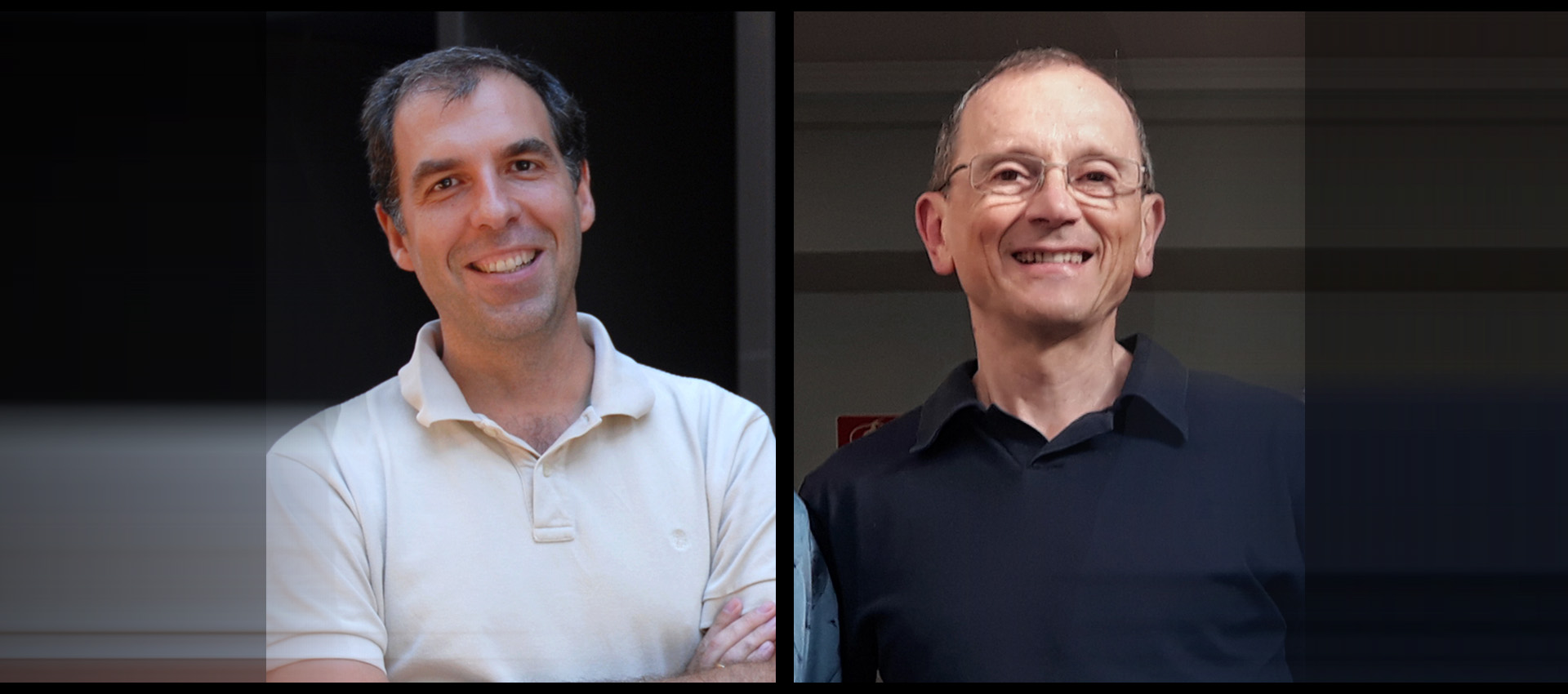
David Escors y Jesús Castilla
Download Flecha que indica descarga
Documentación
Vídeo

The HCN joins international COVIDHGE study to identify genetic susceptibility to COVID-19 infection

Author
Navarrabiomed
  • The Navarrabiomed Clinical Trials Platform will manage the participation of the Navarra Health System-Osasunbidea (SNS-O) in seven more clinical trials

The Hospital Complex of Navarre (HCN) will participate in the COVID Human Genetic Effort international initiative (COVIDHGE), whose mission is to identify human genetic variants underlying severe forms of COVID-19 produced by the SARS-Cov2 virus in young, previously healthy individuals. This participation has been arranged by the Navarrabiomed Clinical Trials Platform, which will manage the SNS-O’s performance of seven additional clinical trials.

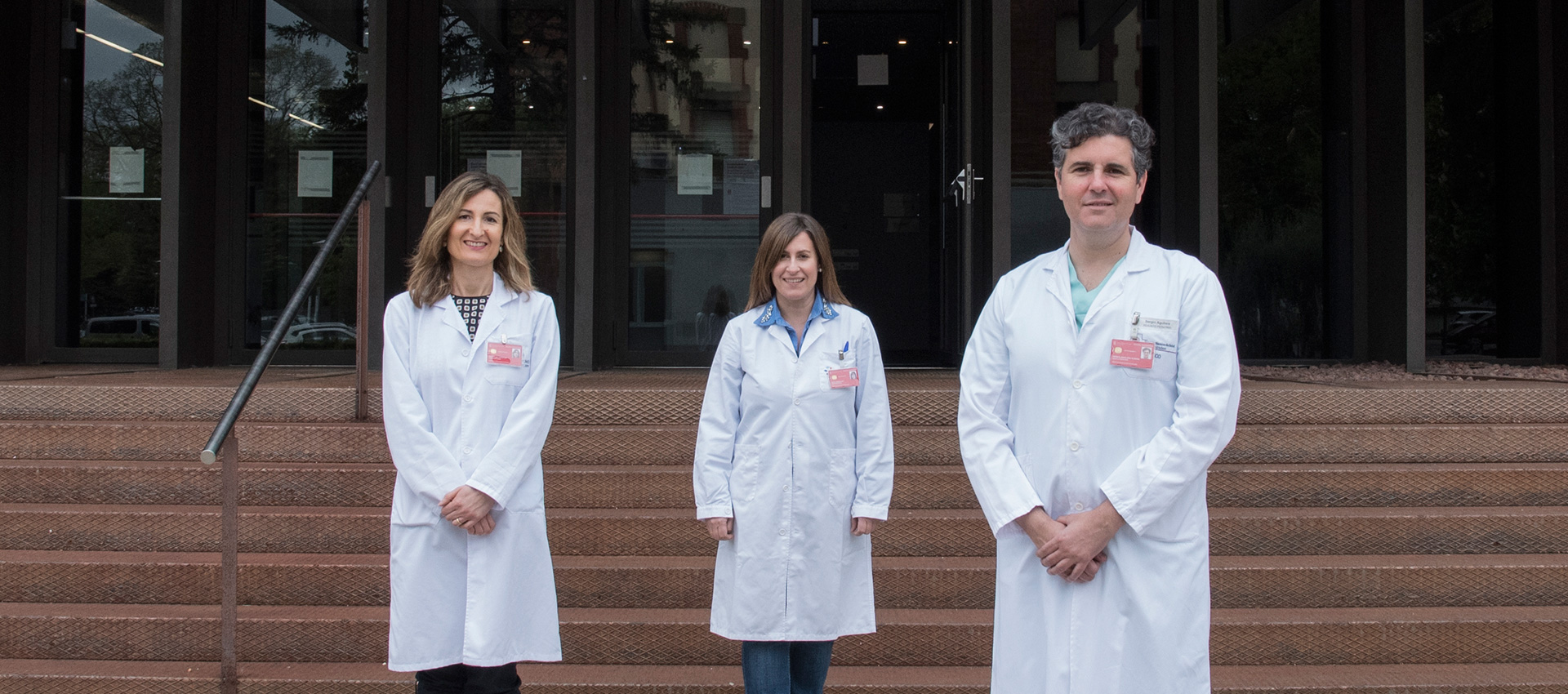
CHN pediatrician and pediatric neurologist Sergio Aguilera will lead the COVIDHGE study in the Navarra Health System. The CHN’s Pediatrics, Internal Medicine and Intensive Medicine services will also participate. They will be coordinated by three professionals: Mercedes Herranz (Pediatric Infectious Diseases), Iñigo Les (Internal Medicine) and Manuel García-Montesinos (ICU).

In addition to the SNS-O, reference centers in countries throughout the world are participating under the leadership of researcher Jean-Laurent Casanova of the Rockefeller University in New York and Necker Hospital in Paris. In Spain, the study is being coordinated at the national level by Vall d’Hebron Hospital and the Bellvitge Biomedical Research Institute (IDIBELL).

Patient profile

The CHN team will recruit patients with COVID-19 under 60 years of age without comorbidities (coexistence of two or more diseases) in different groups. The largest group will include young people with no chronic diseases who were admitted to the ICU. A second group will be made up of previously healthy patients under 60 who required hospitalization, but not admission to the ICU, and a third group will include subjects with mild or asymptomatic cases of COVID-19, especially people who were exposed to the virus, but have not developed symptoms or produced antibodies. Consideration will be given to creating an additional subgroup that includes adult and pediatric patients with neurological complications within the context of COVID-19.

The project has been approved by the Ethics Committee for Drug Research of the Region of Navarre and will involve taking a single blood sample from subjects. The sample will then be sent to the IDIBELL genomics lab, directed by Dr. Aurora Pujol, a professor at the Catalan Institution for Research and Advanced Studies (ICREA). The IDIBELL genomics lab will perform and analyze whole-exome and -transcriptome sequencing. The data will be shared with and studied by the COVIDHGE international consortium. The aim of whole-exome sequencing in both patients with severe COVID-19 and controls (subjects with mild or asymptomatic cases) is to identify the human genetic variants that cause the most severe cases, as well as protective variants.

The Navarrabiomed Clinical Trials Platform has provided advice and support for early project startup in Navarre. Platform heads Ruth García and Eva Zalba (Heads of the Clinical Area and Management Area, respectively) consider “this kind of international collaboration to be essential for the development of new preventive and diagnostic strategies in the future.”

Other clinical trials

In addition to this study, a few weeks ago, Navarrabiomed arranged for the CHN Pharmacy Service to join a national study to set up a register of COVID-19 treatments, and for CHN to form part of a clinical trial led by the Spanish Ministry of Health’s National AIDS Plan to assess the drugs used in AIDS treatment, which could prove effective against COVID-19 disease.

The Clinical Trials Platform is currently processing three more clinical trials to assess the efficacy of different drugs against SARS-CoV-2. Definitive approval from the Spanish Agency for Medicines and Medical Devices (AEMPS) is expected in the next few days, as are favorable reports from the Ethics Committees so that these trials can start as soon as possible.

This week, Navarre will also join a national multicenter clinical trial for the production of hyperimmune plasma from COVID-19 convalescent donors that is subjected to pathogen reduction technologies, with the participation of the Navarre Blood Bank and the CHN Internal Medicine and Hematology Services. The Pediatrics and Gynecology Services will also join a clinical trial to analyze the impact on pregnant women and newborns to learn more about infection transmission and the immune response.

Categoría
Galería de imágenes
​​​​​​​ Left to right: Eva Zalba, Ruth García (Navarrabiomed) and Sergio Aguilera (CHN).
Download Flecha que indica descarga
Documentación
Vídeo

The DECISION project – European researchers seek to reduce the number of patients dying from cirrhosis

Author
Navarrabiomed
  • 21 European institutions join forces to tackle end-stage liver disease and liver failure with a systems medicine approach
  • Navarrabiomed-FMS takes part in the project through the Traslational Bioinformatics Unit.
     

Despite a vast array of available interventions and medications, more than 1 million people die of chronic liver disease (cirrhosis) per year worldwide, when the disease progresses to decompensated cirrhosis and acute-on-chronic liver failure (ACLF), a state in which the dysfunctional liver induces failure of other organs.

Following an acute decompensation of cirrhosis, 14% of the patients die of ACLF within 3 months. The reason why certain patients die and others survive is unknown, but huge differences between patients with regard to their individual genetics, medical history, precipitating events, clinical presentation and treatment response are suspected.

These individual differences call for personalised treatments based on a precise understanding of underlying mechanisms. Systems medicine and high-throughput technology nowadays allow for highly efficient analysis, integration, and predictive modelling of clinical data to develop the best fitted, most personalised treatment for each patient.

Over the next 5.5 years, the DECISION research consortium will analyse and integrate data from already existing clinical data and biological samples from 2,200 patients with cirrhosis at more than 8,600 time points to identify novel combinatorial therapies, validate them in animal models, and then test the most promising combinatorial therapy in a clinical trial.

The overall aim of the DECISION project is to prevent ACLF and to significantly reduce the mortality rate amongst patients with decompensated cirrhosis. The project receives 6 million € funding from the European Commission.
 

Categoría
Documentación

A study by the UPNA and Navarrabiomed indicates that increasing the intensity and quality of physical education classes improves students’ health

Author
UPNA
  • JAMA Pediatrics, the journal of the American Pediatrics Association, has published the study results.

A group of researchers from Navarrabiomed and the Department of Health Sciences at the Universidad Pública de Navarra (UPNA) specializing in prescribing physical exercise to improve health and quality of life has published an article on the effects of increasing the quality and quantity of physical education (PE) classes on improving the health-related physical fitness and fundamental motor skills of young people (ages 3 to 18). The article was recently published in JAMA Pediatrics (Journal of the American Medical Association).

The study analyzed data from approximately 50,000 young people and concluded that qualitative strategies such as including games and activities involving a high level of cardiovascular and muscular work, as well as better methodological session planning could provide young people with healthy benefits in terms of fitness and fundamental motor skills.

In addition to Antonio García-Hermoso, Robinson Ramírez-Vélez, Alicia María Alonso-Martínez and Mikel Izquierdo Redín (who form part of Navarrabiomed, Idisna and UPNA), the article authors also include Miguel Ángel Pérez-Sousa (Universidad de Huelva) and Rodrigo Ramírez-Campillo (Universidad de Los Lagos, Osorno, Chile).

Exercise is necessary to improve physical fitness

The study researchers also point out that it is not always possible to increase the number of hours spent per week on exercise or PE classes during school hours and therefore recommend improving the efficiency of these sessions by using strategies such as high-intensity interval training (HIIT), and muscle strength, jumping or circuit training. However, the authors mention that, despite the benefits of these strategies during school hours, young people should also participate in more out-of-school physical activities based on their age group (i.e., 60 minutes a day of moderate to intense physical activity).


They argue that PE classes also offer other benefits not specifically related to physical activity, such as helping young people develop socialization, teamwork and body language skills, and fostering healthy habits. Above all, the authors highlight the fact that improving physical fitness among school kids is a fundamental short- and long-term aspect of good health, given the high rates of obesity and physical inactivity among young people, which the authors refer to as “a public health problem that must be addressed by schools.”


Categoría
Galería de imágenes
De izq. a dcha: Antonio García-Hermoso, Mikel Izquierdo y Robinson Ramírez en una imagen de archivo.
Download Flecha que indica descarga
Documentación
Vídeo

King's College London and Navarrabiomed provide insights into the relevance of the oral cavity in the antibiotic resistance process  

Author
Navarrabiomed

The research has been conducted by PhD student Victoria Carr and co-led by Dr David Moyes, King´s College London and Dr David Gómez Cabrero, Navarrabiomed

The results have been published by Nature Communications journal


Dr David Gómez Cabrero, head of the Translational Bioinformatics Unit of Navarrabiomed, recently published with professionals at King's College London the results of an investigation that focuses on the characterization of antibiotic resistance within the oral cavity. The results of the study, carried out in 2017-2020, have recently been published in the journal Nature Communications and represent a significant advance in our understanding of antibiotic resistance and its relationship with the oral microbiome.
 
The generation of antibiotic resistance by certain microorganisms - including bacteria - is a global healthcare threat. To understand the process of antibiotic resistance acquisition, databases of the genes that drive this resistance have been generated (the profile of these genes is known as the “resistome”). Despite the high prevalence of microorganisms in the human oral cavity, until now, the study of the resistome in the mouth has been limited.
 
The research carried out at King's College London, and Navarrabiomed has thoroughly analyzed the oral resistome in 788 worldwide samples; furthermore, the oral resistome was also compared with the intestine resistome (derived from stool sample analysis). The combination of microbial DNA sequencing techniques and their bioinformatic analysis have allowed the identification of differences associated with the country of origin and their location within the oral cavity.
 
Specifically, differences in the prevalence of genes, classes and mechanisms of antibiotic resistance have been observed. For example, it has been shown that although there is a smaller range of different antibiotic resistance genes in the oral cavity, the prevalence of specific antibiotic resistance genes is higher than in the gut. Likewise, similarities in the resistome between saliva samples and faeces from the same individuals have been identified and shown to be less than similarities between the oral cavity of two separate individuals.
 
The study highlights the importance of characterizing the resistome in various regions of the human body to discover the potential for antibiotic resistance in each area and to what extent it affects the use of antibiotics in the clinical context.

Categoría
Galería de imágenes
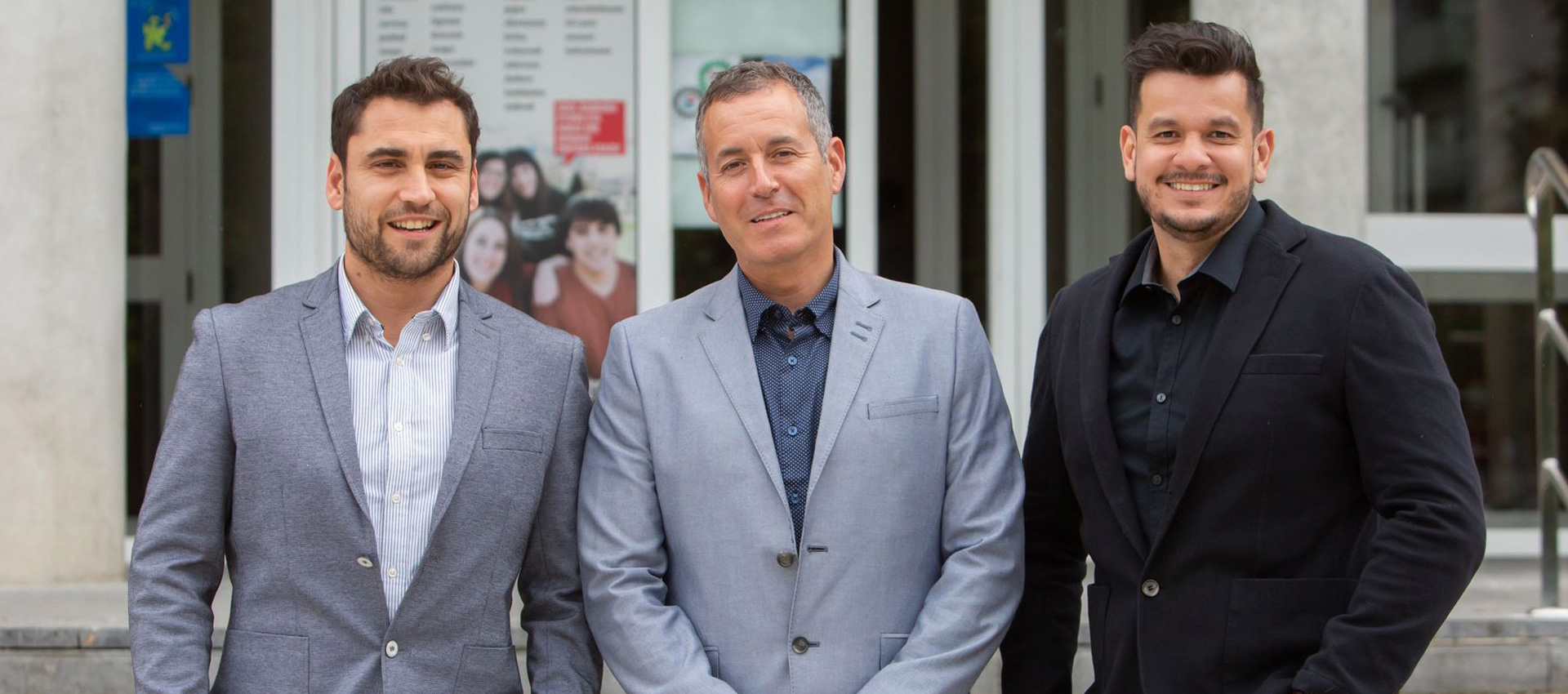
David Gómez Cabrero, Translational Bioinformatics Unit.
Download Flecha que indica descarga
Documentación
Vídeo

CHN takes part in national study to prevent memory loss in cancer patients undergoing brain radiation treatment

Author
Navarrabiomed

Patients with small-cell lung cancer receive brain radiation to prevent brain metastasis, which develops in half of these patients. Brain radiation side effects include memory loss, which affects 70 per cent of patients and is the main reason they refuse radiation treatment. The Navarra Hospital Complex (CHN) is participating in a study, led by Hospital del Mar in Barcelona and carried out at twelve other health centres, that shows for the first time that hippocampal avoidance in brain radiation is associated with improved memory.

The clinical trial was designed by the Clinical Radiation Oncology Research Group (GICOR), together with the Spanish Oncology Lung Cancer Group at the Spanish Society for Radiation Oncology (GOECP-SEOR). In Navarra, the study is led by Mikel Rico Osés, radiation oncologist, with the cooperation of Enrique Martínez López, Head of the Radiation Oncology Service, and Laura Bragado Álvarez, a doctor at the Radiophysics and Radiological Protection Service, all three from CHN. Also participating in the study are Margarita Illas Pérez-Mosso, of Navarrabiomed-Miguel Servet Foundation, who is the coordinator of the clinical trial, and Nuria Rodríguez de Dios, senior researcher and assistant doctor at the Hospital del Mar Radiation Oncology Service.

150 patients recruited in two years

In phase III of the clinical trial, 150 small-cell lung cancer patients without brain metastasis were recruited. Fifteen of them were part of the study developed by the Radiation Oncology Team at CHN and the Clinical Trials Platform of Navarrabiomed-Miguel Servet Foundation in Navarra.

The hippocampus is a small area in the inner (medial) region of the temporal lobe that is thought to be principally involved in storing long-term memories and is also associated with learning and emotions. Previous studies in patients with brain metastasis from different primary tumours showed the advantages of protecting the hippocampus during radiation. However, there was no evidence that protecting this region of the brain in small-cell lung cancer patients treated with prophylactic radiation to prevent metastatic brain tumours helped prevent a decline in neurocognitive function.

This clinical trial assesses the impact of hippocampal protection on quality of life, side effects, incidence of brain metastasis, survival rates and changes in hippocampal volume. The study has been made possible by the cooperation of the Radiology Services of the participating health centres.

Additionally, a follow-up of patients was carried out for two years, including tests like MRI scans to study the evolution of hippocampal size, as well as memory tests. Results show that the group of patients with hippocampal protection did not lose memory after three months, and memory was preserved even two years after radiation. Moreover, brain images indicate that there was hippocampal atrophy in patients treated with whole cranial irradiation. When other aspects are taken into account, there are is no difference in survival rates between patients who received radiation with hippocampal protection and patients with whole-brain radiation therapy. Also, the incidence of hippocampus metastasis was very low.

Changes in clinical practice

Mikel Rico is completely satisfied with the results and the clinical relevance of the study. ‘The trial confirmed that this type of treatment is safe, prevents memory loss and helps improve the quality of life for small-cell lung cancer patients. Consequently, hippocampal protection will be soon be part of the clinical procedures,’ says Rico.

Hippocampal protection is only available in health centres like CHN, which have advanced equipment for the delivery of intensity-modulated radiotherapy, which enables precise conformation of the radiation dose to the target volume. This type of treatment will necessarily require greater dedication from the medical and radiophysics staff.

In June, the study got the award for best oral communication at the 20th Conference of the Spanish Society for Radiation Oncology (SEOR) and was selected to be presented in September at the annual meeting of the American Society for Radiation Oncology (ASTRO) in Chicago.

Reference article

Rodríguez de Dios N, Couñago F, López JL, Calvo P, Murcia M, Rico M, Vallejo C, Luna J, Trueba I, Cigarral C, Farre N, Manero RM, Durán X, Samper P. Treatment design and rationale for a randomized trial of prophylactic cranial irradiation with or without hippocampal avoidance for SCLC: PREMER-trial on behalf of GOECP/SEOR-GICOR. Clinical Lung Cancer 2018; 19: e693-e697.

Categoría
Galería de imágenes
Enrique Martínez, Mikel Rico, Margarita Illas y Laura Bragado.
Download Flecha que indica descarga
Documentación
Vídeo

Study on Phenomenon of Tumour Hyperprogression in Non-Small-Cell Lung Cancer as Adverse Outcome of Immunotherapy

Author
Navarrabiomed

Hugo Arasanz, an oncologist at the Hospital Complex of Navarre (CHN) and a predoctoral researcher in Navarrabiomed’s Oncoimmunology Unit, recently published an article in the international oncology journal Cancers. The article presents the results of a study in patients with metastatic non-small-cell lung cancer treated with anti-PD-1/PD-L1 immunotherapy, which was conducted by both medical centres with support from the Spanish Association Against Cancer (AECC).

The work focuses on hyperprogressive disease, an acceleration of tumour growth triggered by immunotherapy. This condition may affect around 15% of lung cancer patients who receive this type of treatment and is associated with lower survival rates. The research found a correlation between this phenomenon and the drastic increase in a subgroup of CD4 T lymphocytes in peripheral blood after the first cycle of immunotherapy, a finding that could lead to earlier detection and help prevent this disease.

This is the world’s first prospective study on this topic. It was conducted between 2017 and 2019 on public healthcare patients in Navarre treated with second-line immunotherapy. In the last few months, immunotherapy has been given as first-line treatment (exclusively or in combination with chemotherapy) to improve treatment of lung cancer patients.

The work was led by Hugo Arasanz and carried out in close collaboration with Miren Zuazo, a predoctoral researcher on the same team at Navarrabiomed and the leader of the research project that provided the framework for the article. The study also benefited from the participation of Grazyna Kochan, David Escors (Oncoimmunology, Navarrabiomed) and Ruth Vera (Medical Oncology Service, CHN).

Categoría
Galería de imágenes
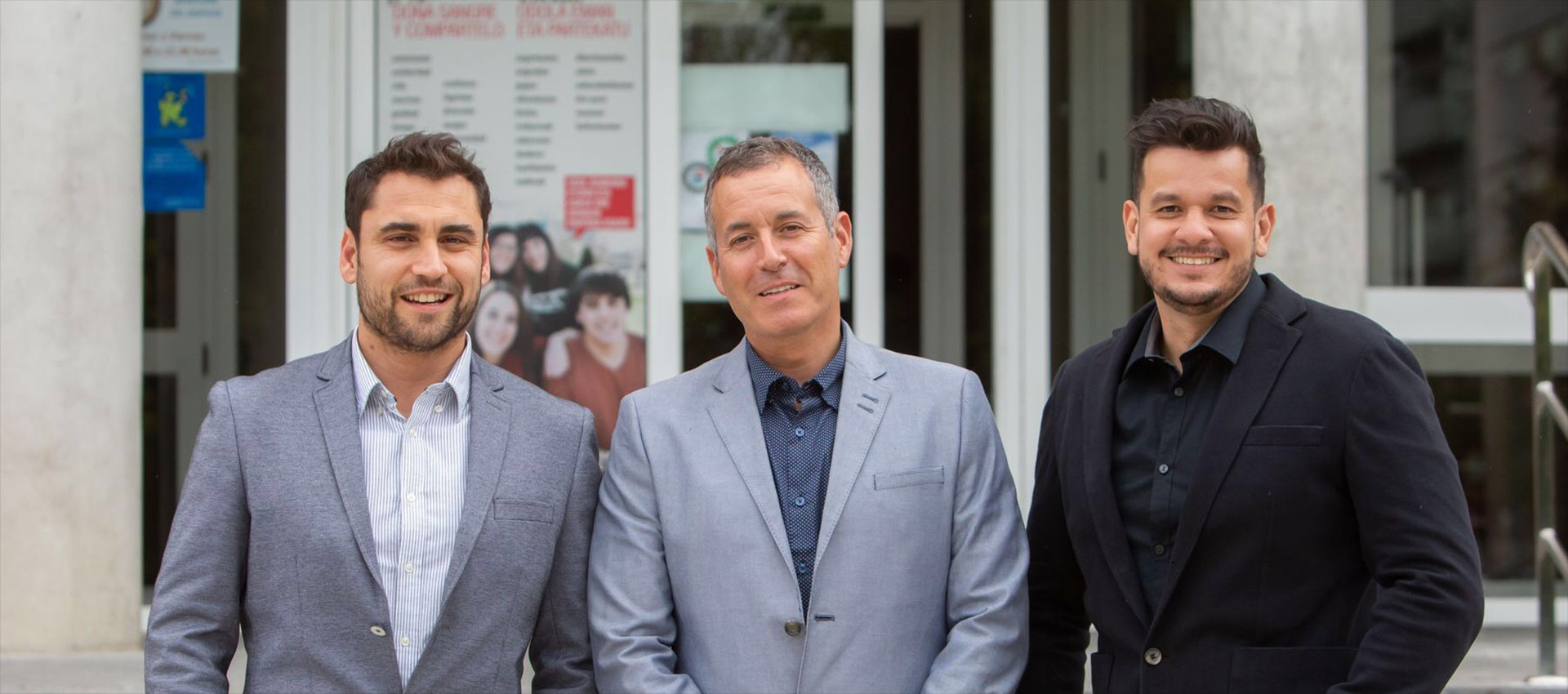
Miren Zuazo - Hugo Arasanz
Download Flecha que indica descarga
Documentación
Vídeo
x