Unidad de Investigación

Genomic Medicine

Genomic Medicine

The Genomic Medicine Unit implements whole genome sequencing (WGS) methods for analysing entire genomes in the public health system. WGS is a powerful clinical, research and development tool in the field of precision medicine in Navarra. Emerging from research projects funded by the Department for Industry of the Government of Navarra, the Genomic Medicine Unit brings together its own staff (director, genetic advisor, geneticist, lab technician), clinical experts from the Navarra Hospital Complex (coordinators from twenty medical specialties), and staff from other Units (Bioinformatics) and Platforms, as well as advisors. At present, this Unit is carrying out four major research projects. Its core helps support future developments in this area.

Lines of research:

  • Identification of new genes or genetic variants that increase the risk of developing genetically-based disorders in patients with rare diseases.
  • Identification of genomic alterations with an impact on clinical practice, diagnosis, prognosis, therapies, and personal and reproductive risk prediction in patients and subtypes of cancer.
  • Identification of genomic variants determining the likely response of an individual to therapeutic drugs (pharmacogenomics).
  • Development of new bioinformatics analysis tools for applying genomic analysis in health systems (together with the Bioinformatics Unit).
Investigador principal
Área de investigación
Genomic Medicine
Implementing whole genome sequencing methods for analysing entire genomes
Actualidad

Navarrabiomed launches NAGENCOL, an initiative to use whole-genome sequencing to offer patients with hypercholesterolemia personalised treatment to avoid coronary events

Author
Navarrabiomed

High-cholesterol levels, or hypercholesterolemia, affects nearly 1500-2500 people in Navarra, and less than 20 per cent of them are not aware that they suffer from this condition. Hypercholesterolemia is considered to cause 22 per cent of coronary events, most of which could be prevented with early diagnosis and treatment. The biomedical research centre Navarrabiomed has launched NAGENCOL, a project to address this issue using whole-genome sequencing as a diagnostic tool to offer personalised treatment to patients who suffer from hypercholesterolemia. The project is framed within NAGEN, a global strategy aimed at applying genomic medicine in the Navarra Health System-Osasunbidea (SNS-O).

Currently, hypercholesterolemia poses a real challenge to the public health system, because the life expectancy of untreated patients can decrease by 25 years, and 50 per cent of them are more likely to have a heart attack before the age of 55. NAGENCOL addresses this problem, offering a new model that uses genomic information, together with other clinical and demographic data, to bring precision medicine to individual patients.

This ambitious public health project has a budget of 2 million Euro, contributed by the Department of Economic Development at the Directorate-General for Industry, Energy and Innovation of the Government of Navarra, within the framework of the Genomics and Advanced Medicine project (GEMA) and the Intelligent Specialisation Strategy S3.

The NAGENCOL activities are managed by five strategic partners specialising in clinical practice, scientific and technical services, and research. They include the Navarra Hospital Complex (CHN), Nasertic, Tracasa Instrumental SL and Navarrabiomed as the leader of the study. The project is headed by Dr Ander Ernaga and Dr Juan Pablo Martínez from the Endocrinology Service at CHN.

NAGEN Strategy

Since 2016, Navarrabiomed has been leading the Genomic Medicine Strategy (NAGEN) of the Navarra Health System-Osasunbidea. With the support of the Government of Navarra, Navarrabiomed has since coordinated two strategic projects: NAGEN 1000 (best precision medicine project award winner in 2018) and Pharmanagen.

The two initiatives, along with NAGENCOL, are being used to set up, in the SNS-O patient care units, the infrastructure required for using genomic data as a powerful diagnostic tool and to determine the best personalised treatment for each patient.

Categoría
Galería de imágenes
Jorge Marín (Navarrabiomed); Juan Pablo Martínez (CHN); Gonzalo Etayo (Nasertic); Jorge Jiménez (Nasertic); Roberto Clerigué (iTracasa); Mikel Galar (UPNA) and Carlos Aranda (iTracasa).
Download Flecha que indica descarga
Documentación
Vídeo

NAGEN 1000: diagnosis of rare genetic disorders through whole genome sequencing

Author
Navarrabiomed

Navarrabiomed has led the NAGEN: Navarra Genome 1000 project since 2016. The project focuses on whole genome sequencing for a new approach to rare genetic disorders in the Navarra Health System-Osasunbidea (SNS-O). So far, thanks to collaboration with doctors from 18 medical specialties at the Navarra Hospital Complex (CHN), the study includes data about 400 patients and their relatives, precise diagnoses for 25 per cent patients and identification of possible causes for another 25 per cent.

The patients that are part of the study had not been accurately diagnosed, despite having been treated by several specialists and having taken a large number of traditional tests. Angel Alonso, the coordinator of the project, highlighted the project’s relevance to healthcare services: ‘Making genomic analysis available to the public health system is revolutionary. It means a significant change in the clinical approach to patients with rare genetic disorders.’

Impact on the patient and their family

On the occasion of Rare Disease Day on the last day of February, it is worth mentioning that about 6 per cent of the global population are individuals with rare diseases. In Navarra, their number amounts to 38,000. At present, there are 7000 types of rare diseases, most of them of genetic origin.

In many cases, genetic testing enables the patient and their family to get a deeper knowledge of their condition and its progression, to understand how a genetic disease is inherited and to learn about the risks for other family members. The emotional significance of finding answers to the questions posed by the symptoms – which sometimes have remained unanswered for too long – means putting an end to uncertainty and isolation for most patients with rare diseases.

NAGEN 1000: a pioneering project in Spain

NAGEN 1000 is a ground-breaking project at the national level, placing Navarra at the forefront of genomic analysis and technology. The project was introduced last year at the Senate Presentation of Genomic Studies, whose conclusions were approved in 2019, thus green-lighting the development of a national strategy for personalised medicine.

Currently, the project’s methods, procedures and infrastructure are being transferred to daily clinical practice in SNS-O, to the benefit of the people of Navarra.

NAGEN 1000 is financed by the Economic Development Department at the Directorate-General for Industry, Energy and Innovation within the framework of the Intelligent Specialisation Strategy S3. It is being developed by a consortium made of CHN, Nasertic (a company run by the Government of Navarra), Avantia and Navarrabiomed, leader and coordinator of the project, with the support of the Directorate-General for Information Technology, Telecommunications and Public Information (DIGITIP), and the cooperation of the Centro Nacional de Análisis Genómico (CNAG-CRG) and the Clinical Bioinformatics Research Area into Rare Diseases (CIBERER) of Instituto de Salud Carlos III (ISCIII).

Categoría
Vídeo
Documentation
Folleto
ReproNAGEN Análisis personalizado de fertilidad
Folleto
NagenMX Prevención personalizada
Folleto
NAGENpediatrics
Folleto
NAGEN 1000
Vídeo
Nagen 1000
Nagen 1000
Ángel
Alonso Sánchez
Head of the Unit
Colaboradores/as
Anda Apiñaniz, Emma
Servicio de Endocrinología y Nutrición, CHN
Armendariz, Yolanda
Servicio de Pediatría, CHN
Artigas López, Mercedes
Servicio de Genética Médica, CHN
Aznal, Elena
Servicio de Pediatría, CHN
Bandrés Elizalde, Eva
Servicio de Hematología, CHN
Bartolomé, Javier
Servicio de Atención Primaria
Basturce Elorz, Mª Teresa
Servicio de Carciología, CHN
Bengoa, Amaya
Servicio de Genética, CHN
Celaya, Concepción
Subdirección de Farmacia
Cuesta Zorita, Manuel Jesús
Servicio de Psiquiatría, Salud mental
Curi Chercoles, Sergio Miguel
Servicio de Neumología, CHN
De la Cruz Sánchez, Susana
Servicio de Oncología Médica, CHN
Erviti, Juan
Innovación SNS-O
Fanlo Mateo, Patricia
Servicio de Medicina Interna, CHN
Gorría, Nerea
Servicio de Pediatría, HUN
Guerra Lacunza, Ana
Servicio de Aparato Digestivo, CHN
Gutiérrez, Marta
Innovación SNS-O
Hualde, Josune
Servicio de Pediatría, HUN
Ibáñez Bosch, Rosario
Servicio de Endocrinología y Nutrición, CHN
Lavilla, Ana
Servicio de Pediatría, CHN
Leache, Leire
Innovación SNS-O
Molinuevo Ruiz de Zarate, José Ignacio
Servicio de Oftalmología, CHN
Montes Díaz, Marta
Servicio de Anatomía Patológica, CHN
Moreno, María
Servicio de Genética, CHN
Navarro, Adela
Servicio de Cardiología, CHN
Otamendi, Ana
Servicio de Atención Primaria
Purroy Irurzon, Carolina Eugenia
Servicio de Nefrología, CHN
Rupérez, Eva
Servicio de Pediatría, CHN
Sáez de Ocáriz, Ana
Servicio de Radiología Intervencionista
Sagaseta de Ilurdoz Uranga, Mª Josefa
Servicio de Pediatría, CHN
Saiz, Luis Carlos
Innovación SNS-O
Salgado Garrido, Josefa
Complejo Hospitalario de Navarra
Santesteban Muruzabal, Raquel
Formación Sanitaria Especializada A.P., Atención Primaria
Vicuña, Miren
Digestivo
Viguria, Mª Cruz
Servicio de Hematología
Yoldi Petri, Mª Eugenia
Servicio de Pediatría, CHN
Zubicaray Ugarteche, José Jacinto
Servicio de Otorrinolaringología, CHN
Zudaire, Maite
Servicio de Hematología
Zabaleta Jurio, Jesús
Servicio de Obstetricía y Ginecología, HUN
Unidad de investigación / Grupo Vinculado
Contacto
Genomic Medicine

Navarrabiomed - Centro de investigación biomédica
Complejo Hospitalario de Navarra, edificio de investigación.
Calle Irunlarrea, 3. 31008 Pamplona, Navarra, España. 
No mostrar en listados de Unidades de Investigación
Off

Gastroenterology

Gastroenterology

This Unit is made of members of the Digestive System Service at the Navarra Hospital Complex and researchers from Navarrabiomed who study and develop new therapeutic endoscopy techniques. Besides, they try and improve existing endoscopic techniques for clinical application.

Lines of research:

  • Treatment of early malignant lesions and precancerous conditions in the gastrointestinal tract.
  • Development of novel therapeutic endoscopy techniques guided by endoscopic ultrasound (EUS).
  • Endoscopic therapy in pancreatic diseases.
  • Capsule endoscopy to examine lesions of the gastrointestinal tract.
  • Therapies for gastrointestinal tract stenosis using uncovered and covered self-expanding prosthesis.
  • Eficacia y seguridad de los procedimientos de endoscopia avanzada en Oncología digestiva y endoscopia.
Investigador principal
Equipo de investigadores
Área de investigación
Digestive
Research and development of new therapeutic endoscopy techniques
Actualidad

‘la Caixa’ Foundation, Caja Navarra Foundation and Navarrabiomed launch programme to foster public biomedical research in Navarra

Presentación de las líneas de negocio
Author
Navarrabiomed
  • The programme will offer support to the development of studies in digestive medicine, geriatrics, neuroscience and oncology that will bring advancement and excellence in these fields of research.
  • ‘la Caixa’ Foundation and Caja Navarra Foundation are channelling 1.2 million Euro into this programme, to be run by the biomedical research centre Navarrabiomed, where four doctors from the Navarra Health System-Osasunbidea (SNS-O) will carry out quality biomedical research studies.
  • Through this programme, ‘la Caixa’ Foundation and Caja Navarra Foundation will give support to the leading research centres in Navarra during the 2017-2021 period. Universities and research centres will thus get a total 6.4 million Euro.

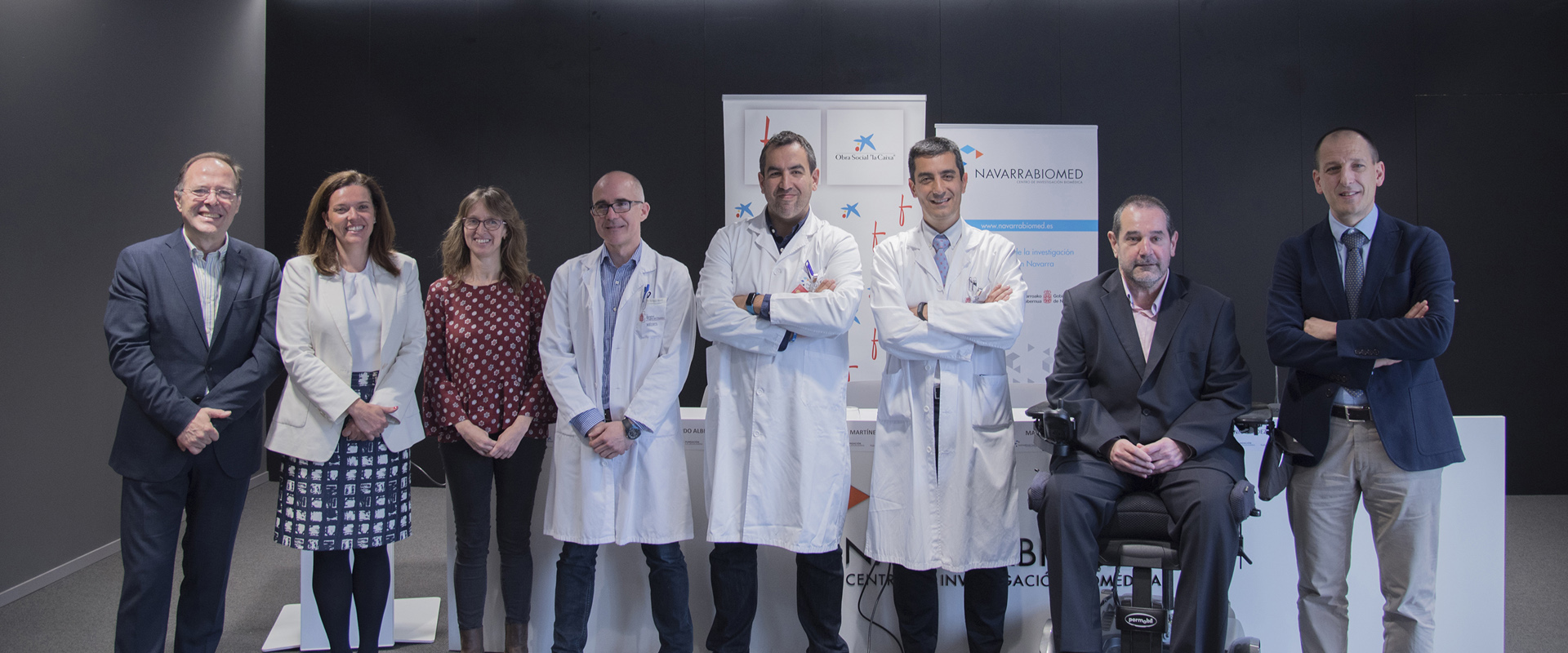
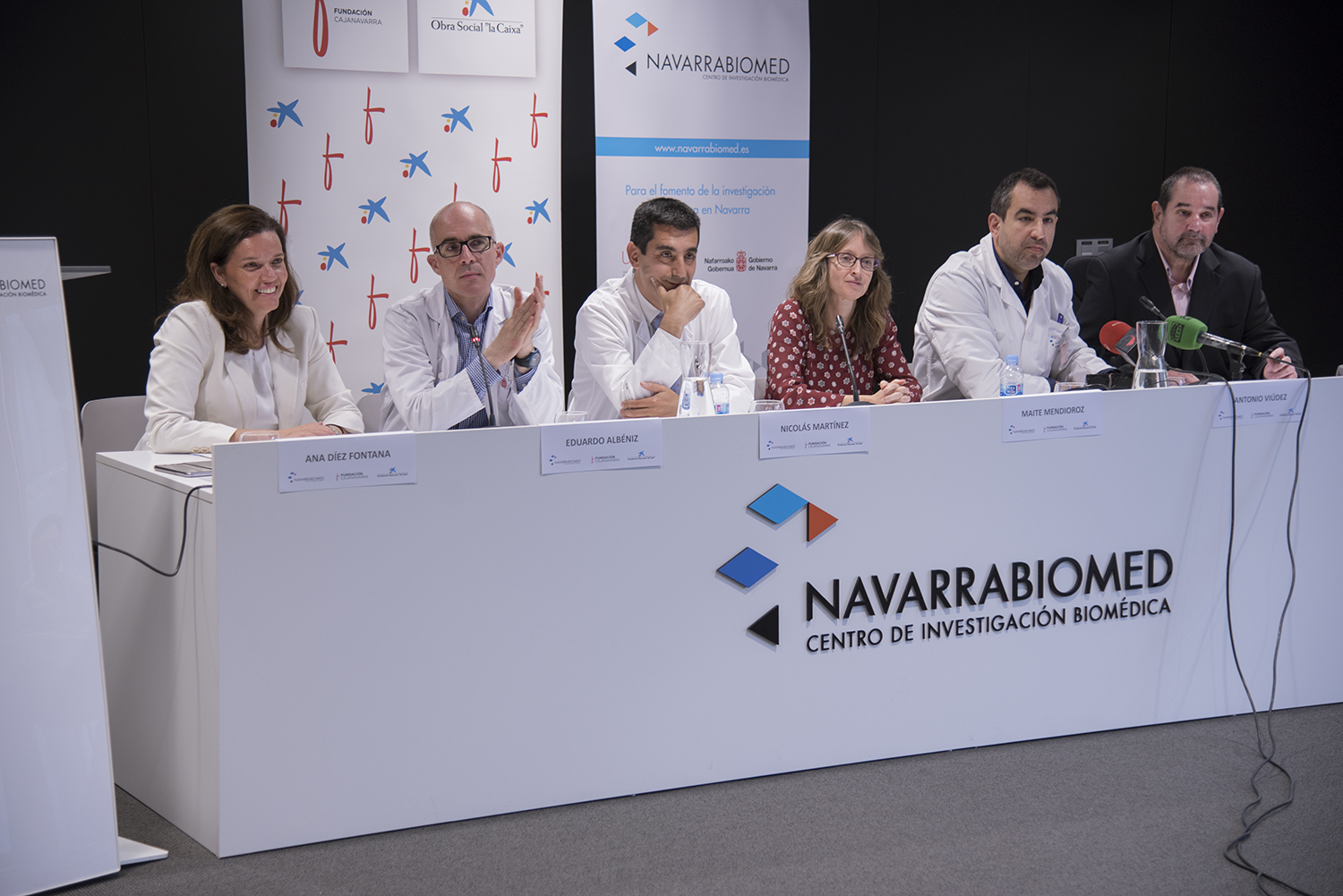
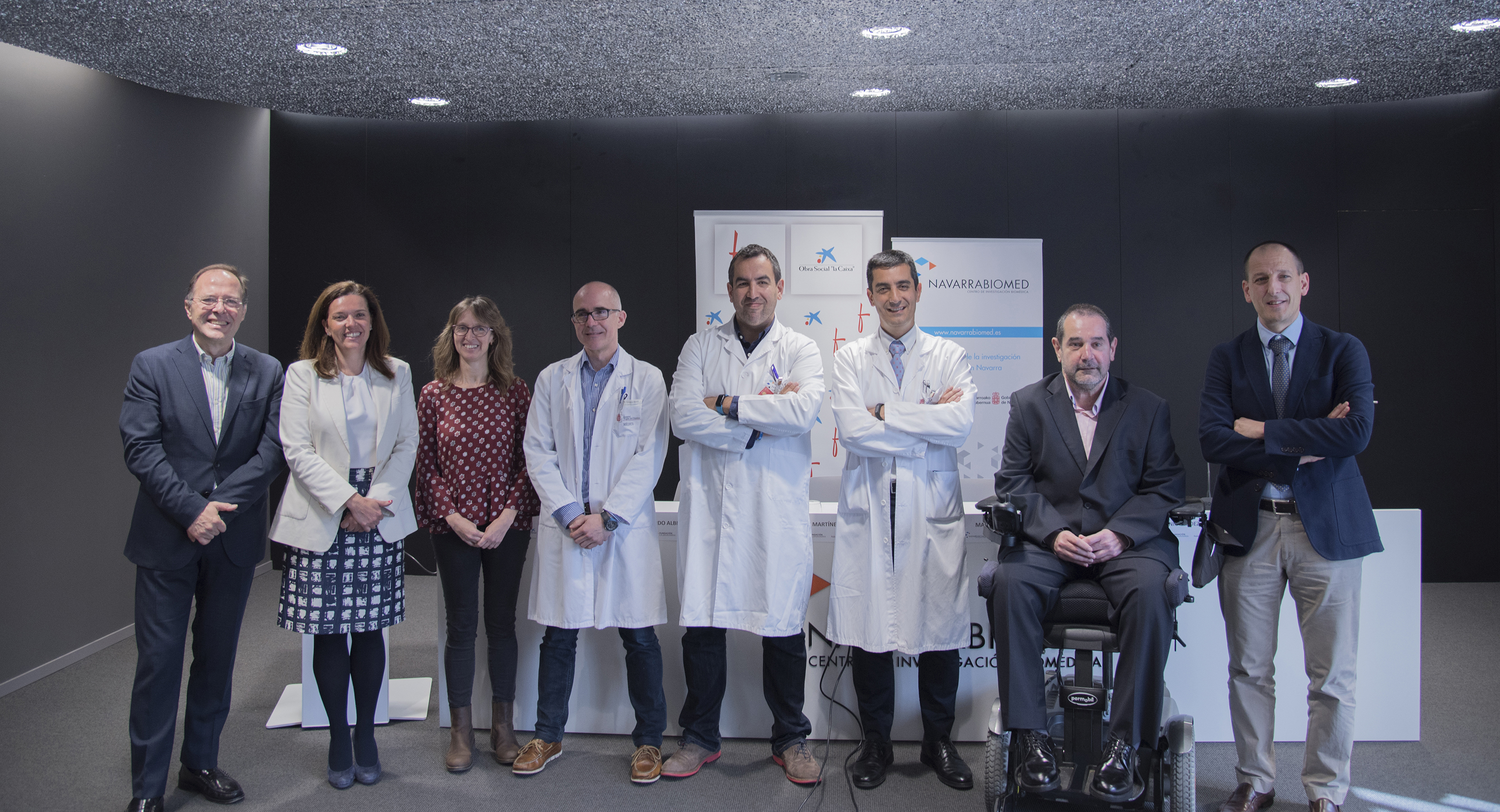
Ana Díez Fontana, Regional Director of CaixaBank in Navarra; Javier Miranda, Chairman of Caja Navarra Foundation; and Iñigo Lasa, Director of Navarrabiomed, announced the research lines to be developed by doctors Eduardo Albéniz Arbizu, Nicolás Martínez Velilla, Maite Mendióroz Iriarte and Antonio Viudez Berral, who were selected by an external evaluation committee from 12 candidates.

The specialists in the programme will be relieved from part of their medical activity so that they can do research. They need time to develop their scientific projects and produce new knowledge in their medical specialties. The initiative enables the establishment of a critical mass of professionals that combine medical activity with research jobs, thus promoting translational medicine to the benefit of patients and society as a whole.

The four doctors selected to join the programme will soon start working at the labs of Navarrabiomed – the joint biomedical research centre of the Government of Navarra and the Public University of Navarra (UPNA). They will establish separate research units for the development of their projects, based on clinical practice at the Navarra Hospital Complex (CHN), with support from other Navarrabiomed units and platforms.

In addition to streamlining research activities in the respective units, they will encourage the participation of resident medical interns (MIRs) by getting them involved in biomedical research projects, trials and programmes.

Four excellent research projects in digestive medicine, geriatrics, neuroscience and oncology

Eduardo Albéniz Arbizu has worked in a number of hospitals across Spain. He received training in advanced endoscopy in France, Japan and China. Currently, he is working at the Gastrointestinal Endoscopy Unit of the CHN Digestive Medicine Service.

Dr Albéniz specialises in endoscopic mucosal resection (EMR) and endoscopic submucosal dissection (ESD) for the removal of early-stage gastrointestinal tumours. These advanced procedures reduce the number of surgical and other more invasive interventions in the treatment of superficial neoplastic lesions. Resection of colorectal polyps, for example, is the procedure with the highest survival rates observed in screening studies for colorectal cancer carried out in Navarra.
The goal of the project led by Dr Albéniz is to provide evidence for the identification of predicting factors for the effectiveness of resection procedures and other factors associated with potential complications that might be minimised.

Nicolás Martínez Velilla has been the Head of the Geriatrics Unit at CHN since 2015. In 2013, he was appointed head of a team partnered with Navarrabiomed for the promotion of research into different aspects of geriatric medicine.

Dr Martínez Velilla’s proposal includes a thorough study for the prevention of old-age frailty and disability or dependency in hospitals and in the community at large. Furthermore, it includes the creation of a European cross-border network to deal with various aspects of ageing. The project is aimed at rethinking hospitalisation of older adults, prescribing exercise to older patients in hospitals so as to improve their quality of life and increasing the sustainability of the health system.

Maite Mendióroz Iriarte has built her professional career as a doctor and researcher in Pamplona, Barcelona, San Sebastián and New York. Since 2010, she has been a member of the Neurology Department at CHN. Over the past few years, she has received grants from ‘la Caixa’ Foundation, Caja Navarra Foundation and the Government of Navarra to boost activity in the Neuroepigenetics Unit at Navarrabiomed.

Between 2018 and 2021, Mendióroz Iriarte will develop a project whose goal is to identify a potential blood-based epigenetic biomarker for early detection and treatment of Alzheimer’s disease. Her study might become the first step towards the implementation of precision medicine in neurodegenerative diseases.

Antonio Viudez Berral has developed his professional career in Navarra, Catalonia and Baltimore, USA. In 2010, he joined the Medical Oncology Service at CHN. Since then, he has been a researcher at Navarrabiomed as well.

Dr Viudez’s project will study pancreatic neuroendocrine tumours to find accurate markers that predict the effectiveness of certain therapies.

In addition, the Medical Oncology Service will be able to strengthen its scientific activity, establishing new lines of research for the improvement of diagnosis, prognosis and prediction of treatment response and toxicity.

From left to right: Luis Gabilondo, Ana Díez, Maite Mendióroz, Eduardo Albéniz, Antonio Viudez, Nicolás Martínez, Javier Miranda and Iñigo Lasa.


Categoría
Galería de imágenes
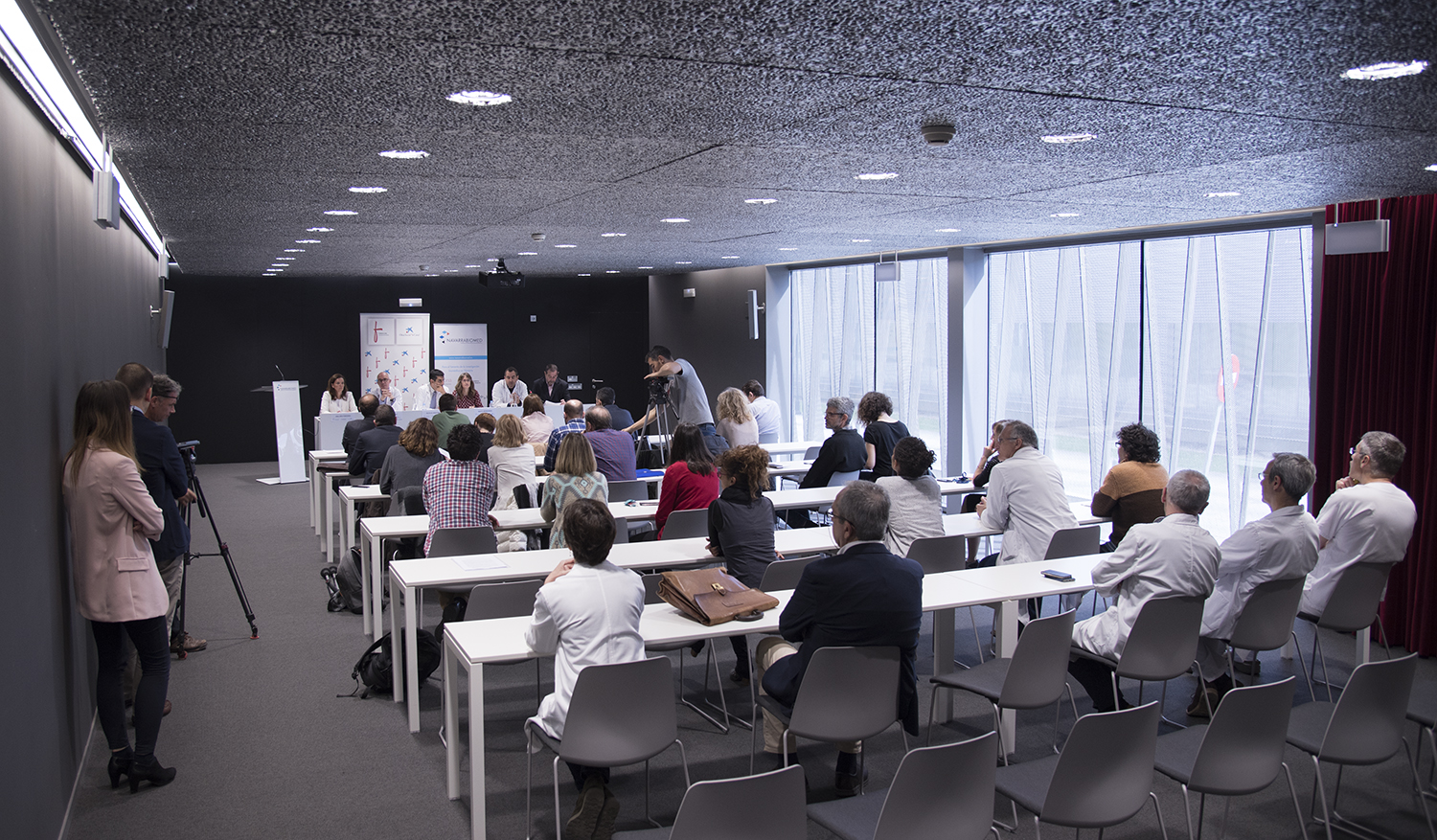
Press conference.
Download Flecha que indica descarga
Press conference.
Download Flecha que indica descarga
Luis Gabilondo, Ana Díez, Maite Mendióroz, Eduardo Albéniz, Antonio Viudez, Nicolás Martínez, Javier Miranda and Iñigo Lasa.
Download Flecha que indica descarga
Vídeo
Vídeo
.
Entrevista con motivo del premio “Nuevas ideas de negocio en el ámbito de la salud 2021”
Eduardo
Albéniz Arbizu
Head of the Unit
Colaboradores/as
Vila Costas, Juan José
Co-Responsable. Complejo Hospitalario de Navarra
Bolado Concejo, Federico
Hospital Universitario de Navarra
Carrascosa Gil, Juan
Complejo Hospitalario de Navarra
Estremera Arévalo, Fermin
Complejo Hospitalario de Navarra
Fernández-Urien Sainz, Ignacio
Complejo Hospitalario de Navarra
Gómez Alonso, Marta
Complejo Hospitalario de Navarra
Uribarri González, Laura
Complejo Hospitalario de Navarra
Urman Fernández, Jesús María
Complejo Hospitalario de Navarra
Unidad de investigación / Grupo Vinculado
Contacto
Gastrointestinal Endoscopy

Navarrabiomed - Centro de investigación biomédica
Complejo Hospitalario de Navarra, edificio de investigación.
Calle Irunlarrea, 3. 31008 Pamplona, Navarra, España. 
No mostrar en listados de Unidades de Investigación
Off

Exercise, Health, Metabolism and Functional Capacity

Physical Activity, Ageing and Fragility (CIBER)

The effects of physical exercise in the field of healthy ageing, frailty, cognitive decline and fall risk.

Lines of research:

  • Health function indicators for elderly frailty.
  • Neuromuscular and biomechanical factors in human movement.
  • Physical exercise and diseases associated with sedentary lifestyles: diabetes, obesity, COPD and cardiovascular risk.
  • Strength and resistance training: neuromuscular, cardiovascular and metabolic adaptations.
  • Ageing, cognitive decline and physical activity: assessing balance, walking and muscular power. The effects of exercise.
     
Investigador principal
Área de investigación
Active and healthy life
Healthy ageing, frailty, cognitive decline and fall risk
Actualidad

A study by the UPNA and Navarrabiomed indicates that increasing the intensity and quality of physical education classes improves students’ health

Author
UPNA
  • JAMA Pediatrics, the journal of the American Pediatrics Association, has published the study results.

A group of researchers from Navarrabiomed and the Department of Health Sciences at the Universidad Pública de Navarra (UPNA) specializing in prescribing physical exercise to improve health and quality of life has published an article on the effects of increasing the quality and quantity of physical education (PE) classes on improving the health-related physical fitness and fundamental motor skills of young people (ages 3 to 18). The article was recently published in JAMA Pediatrics (Journal of the American Medical Association).

The study analyzed data from approximately 50,000 young people and concluded that qualitative strategies such as including games and activities involving a high level of cardiovascular and muscular work, as well as better methodological session planning could provide young people with healthy benefits in terms of fitness and fundamental motor skills.

In addition to Antonio García-Hermoso, Robinson Ramírez-Vélez, Alicia María Alonso-Martínez and Mikel Izquierdo Redín (who form part of Navarrabiomed, Idisna and UPNA), the article authors also include Miguel Ángel Pérez-Sousa (Universidad de Huelva) and Rodrigo Ramírez-Campillo (Universidad de Los Lagos, Osorno, Chile).

Exercise is necessary to improve physical fitness

The study researchers also point out that it is not always possible to increase the number of hours spent per week on exercise or PE classes during school hours and therefore recommend improving the efficiency of these sessions by using strategies such as high-intensity interval training (HIIT), and muscle strength, jumping or circuit training. However, the authors mention that, despite the benefits of these strategies during school hours, young people should also participate in more out-of-school physical activities based on their age group (i.e., 60 minutes a day of moderate to intense physical activity).


They argue that PE classes also offer other benefits not specifically related to physical activity, such as helping young people develop socialization, teamwork and body language skills, and fostering healthy habits. Above all, the authors highlight the fact that improving physical fitness among school kids is a fundamental short- and long-term aspect of good health, given the high rates of obesity and physical inactivity among young people, which the authors refer to as “a public health problem that must be addressed by schools.”


Categoría
Galería de imágenes
De izq. a dcha: Antonio García-Hermoso, Mikel Izquierdo y Robinson Ramírez en una imagen de archivo.
Download Flecha que indica descarga
Documentación
Vídeo

UPNA, the Education Department and Navarrabiomed participate in physical activity observatory for 3- to 6-year-old children in Navarra

Author
UPNA

Researchers from the Public University of Navarra (UPNA), Navarrabiomed and the Education Department of the Government of Navarra participated in a research project financed by the Navarra Education Department to create the first Physical Education Observatory for 3- to 6-year-old children in Navarra. They were Alicia Alonso, Mikel Izquierdo and Alazne Antón (UPNA), Antonio García-Hermoso and Robinson Ramírez-Vélez (Navarrabiomed), and Berta Villoslada and Berta Echavarri (CIP FP Lumbier-Education Department, Government of Navarra).

The Observatory is meant to promote physical activity in schoolchildren, reducing their screen time and adding relaxation time instead, as it has been shown that developing healthy habits in childhood is crucial to preventing cardiovascular disease in adult life. In order to achieve its goal, the Observatory will conduct a series of assessments in local schools, with children and their families, testing their fitness, measuring their sleep time and analysing all this information with them. The evaluation includes physical tests (jumping with both feet, speed/agility tests, etc.), body composition analysis (waist circumference, percentage of body fat and body mass index) and the use of personal electronic devices to measure the intensity of everyday activity and rest/sleep periods. In addition, the correlation will be established between fitness and school achievements.

The study is set to begin in Colegio Santa María la Real-Maristas Pamplona in October, then moving to Colegio Público San Juan de la Cadena. Finally, there will be a special teacher training module in CIP FP Lumbier, targeted at the students in the higher education training cycles (80), who will become assessors. This will be part of the module titled ‘Fitness testing and response to accidents’.

Throughout the process, school teachers will participate in measurements and evaluations, in an effort to introduce new trends, methods and formulas in children health assessment. According to the authors of the study, ‘the results might help understand why schoolchildren are gaining weight and their performance at school is worsening, with low levels of physical activity.’

Childhood as a critical period to develop healthy habits

‘Early childhood is a critical period for physical, social and cognitive development, to establish healthy behaviour patterns that can be kept into adulthood,’ the researchers say. Studies show that ‘regular participation in physical activities by pre-schoolers is essential for normal development and growth, with immediate and long-term benefits for physical and psychological wellbeing,’ they add. However, they explain, evidence for this age group is still relatively scarce as compared to the data available for children and adolescents aged 6 to 17.

Recently, the World Health Organisation (WHO) published new guidelines on physical activity, sedentary behaviour and sleep for children under 5 years of age. According to these recommendations, children 3-5 years of age should spend at least 180 minutes in a variety of types of physical activities, of which at least 60 minutes is moderate- to vigorous-intensity activity. ‘Despite the benefits for health of regular physical activity, many pre-schoolers fail to meet these standards,’ the authors of the study state. The Observatory is aimed at improving results in this area.

Categoría
Galería de imágenes
Antonio García Hermoso, Berta Echávarri Videgain, Berta Villoslada Huarte, Alicia Alonso Martínez, Alazne Antón Olóriz and Mikel Izquierdo Redín.
Download Flecha que indica descarga
Documentación
Vídeo
Colaboraciones Logotipos
Visor 360º
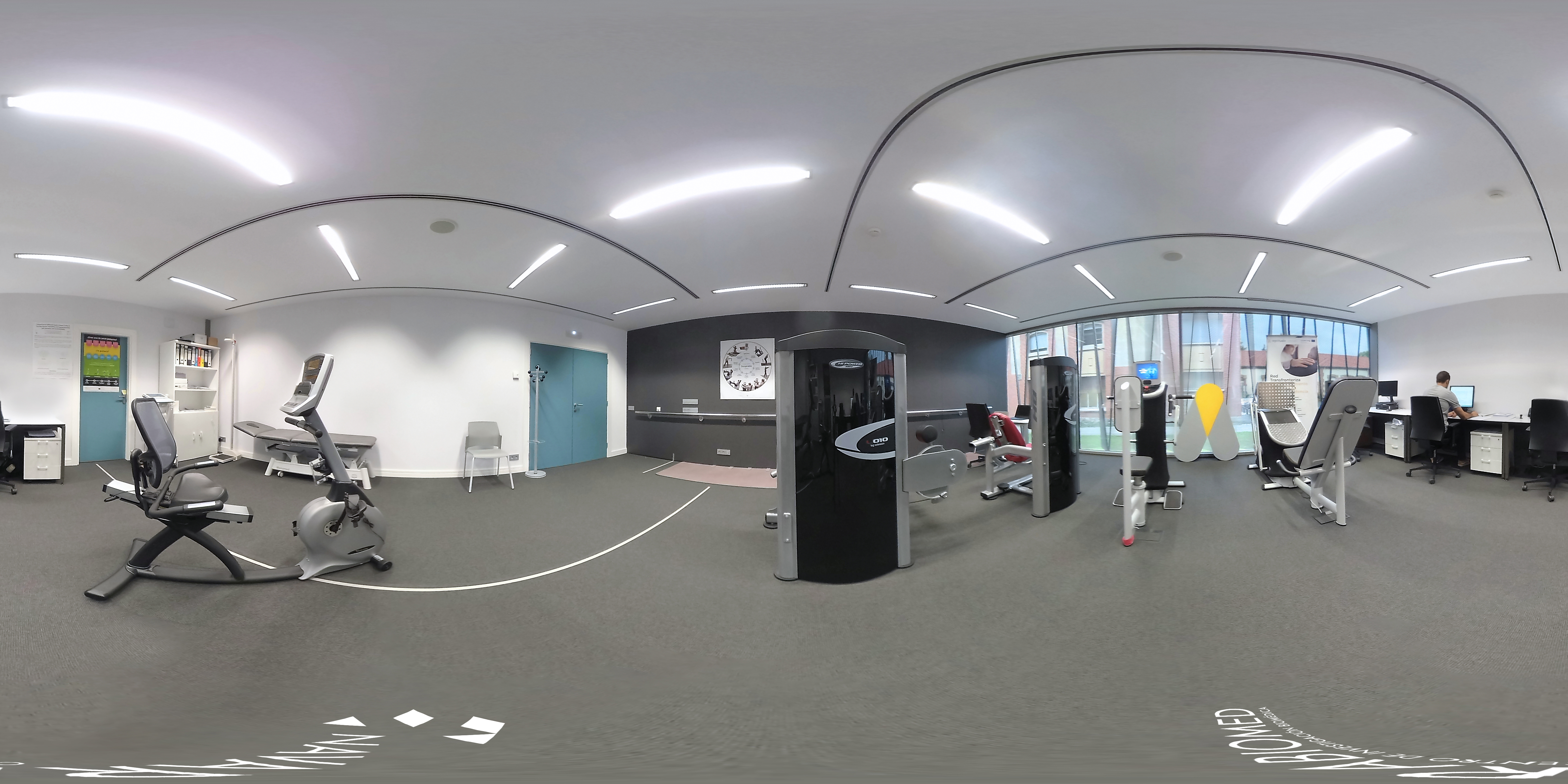
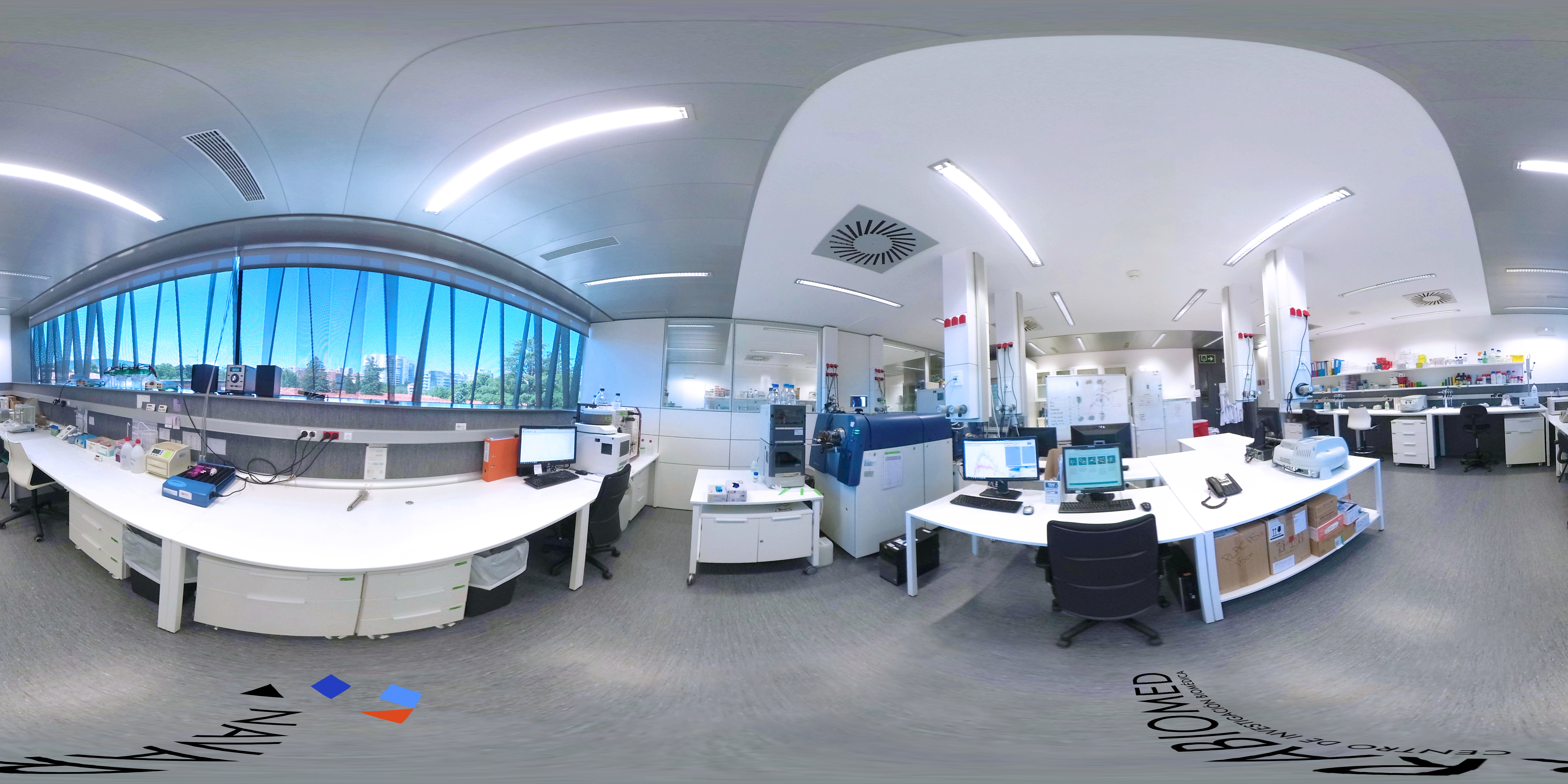
360º Virtual Tour
Functional training space
Installations
Colaboradores/as
Aguado Jiménez, Roberto
Ciencias de la Salud. Navarrabiomed-Universidad Pública de Navarra
Alonso Martínez, Alicia
Ciencias de la Salud. Navarrabiomed-Universidad Pública de Navarra
Unidad de investigación / Grupo Vinculado
Contacto
Physical Activity, Ageing and Fragility (CIBER)

Navarrabiomed - Centro de investigación biomédica
Complejo Hospitalario de Navarra, edificio de investigación.
Calle Irunlarrea, 3. 31008 Pamplona, Navarra, España. 
No mostrar en listados de Unidades de Investigación
Off

Neuroepigenetics

Neuroepigenetics

This Research Unit’s goal is to describe the DNA methylation pattern and how it affects the development of neurological diseases, especially degenerative dementias like Alzheimer’s disease. The ultimate goal is to find epigenetic biomarkers that could be used for diagnosis, prognosis and treatment. Research in this field covers other neurological disorders such as epilepsy or multiple sclerosis. The Unit is particularly interested in epigenetic modifications in certain rare monogenic disorders associated with neurological disorders like laminopathies.
The team work in cooperation with other teams from the Navarra Hospital Complex. They study stroke biomarkers along with the Vascular Brain Disease Group, the Neuromuscular Disease and Motor Brain Cell Group and the Multiple Sclerosis Group. Additionally, they aim at describing how environmental factors or targeted activities affect methylation patterns in healthy individuals.

Lines of research:

  • Identification of epigenetic biomarkers in Alzheimer’s and other neurodegenerative diseases.
  • Neurogenesis mechanisms in Alzheimer’s disease: new therapeutic targets.
  • Epigenetic regulation in laminopathies and other rare diseases.
  • Meditation-induced epigenetic modifications.
     
Investigador principal
Área de investigación
Neuroscience
DNA methylation in neurodegenerative diseases such as Alzheimer’s
Actualidad

Iván Méndez-López will present his doctoral thesis on Monday, December 19

Author
Navarrabiomed

Iván Méndez-López, clinician and predoctoral researcher at the Neuroepigenetics Unit from Navarrabiomed - IdiSNA will present his doctoral thesis by the Public University of Navarra next Monday, December 19, at 12:00 in the assembly hall of Navarrabiomed.

The doctoral work, which is entitled "Blood pressure targets for hypertension in people with chronic renal disease", has been developed in the Internal Medicine Service of the University Hospital of Navarra and Navarrabiomed, under the direction of Doctors Juan Erviti López and Luis Carlos Saiz Fernández, researchers of the Innovation and Organization Unit of the Navarra Health Service-Osasunbidea. 


Research development

So far there is no established evidence about the optimal blood pressure figures in people with arterial hypertension (AHT) and chronic kidney disease. Using the proven methodology of the Cochrane organization, Méndez-López's work has carried out the first systematic review that addresses this issue with individualized patient data. After the inclusion of 7,348 patients from six clinical trials, it is concluded that an intensive reduction in blood pressure does not provide greater health benefits than those obtained with a standard reduction in blood pressure (BP) in patients with AHT and chronic kidney disease. The relevance of these conclusions suggests that the current recommendations of BP targets for this population should be amended by the international clinical practice guidelines. 


Dissemination of results

The work carried out has led to a scientific publication in 2019, in the Cochrane Database of Systematic Reviews (CDSR), the main journal and database of systematic reviews in health care: “Blood pressure targets for hypertension in people with chronic renal disease”. In addition, partial results of the study have been disseminated at the thirty-first European Meeting on Hypertension and Cardiovascular Protection, held in June 2022 in Athens, Greece. 

Categoría
Galería de imágenes
Iván Méndez-López
Download Flecha que indica descarga
Documentación
Vídeo

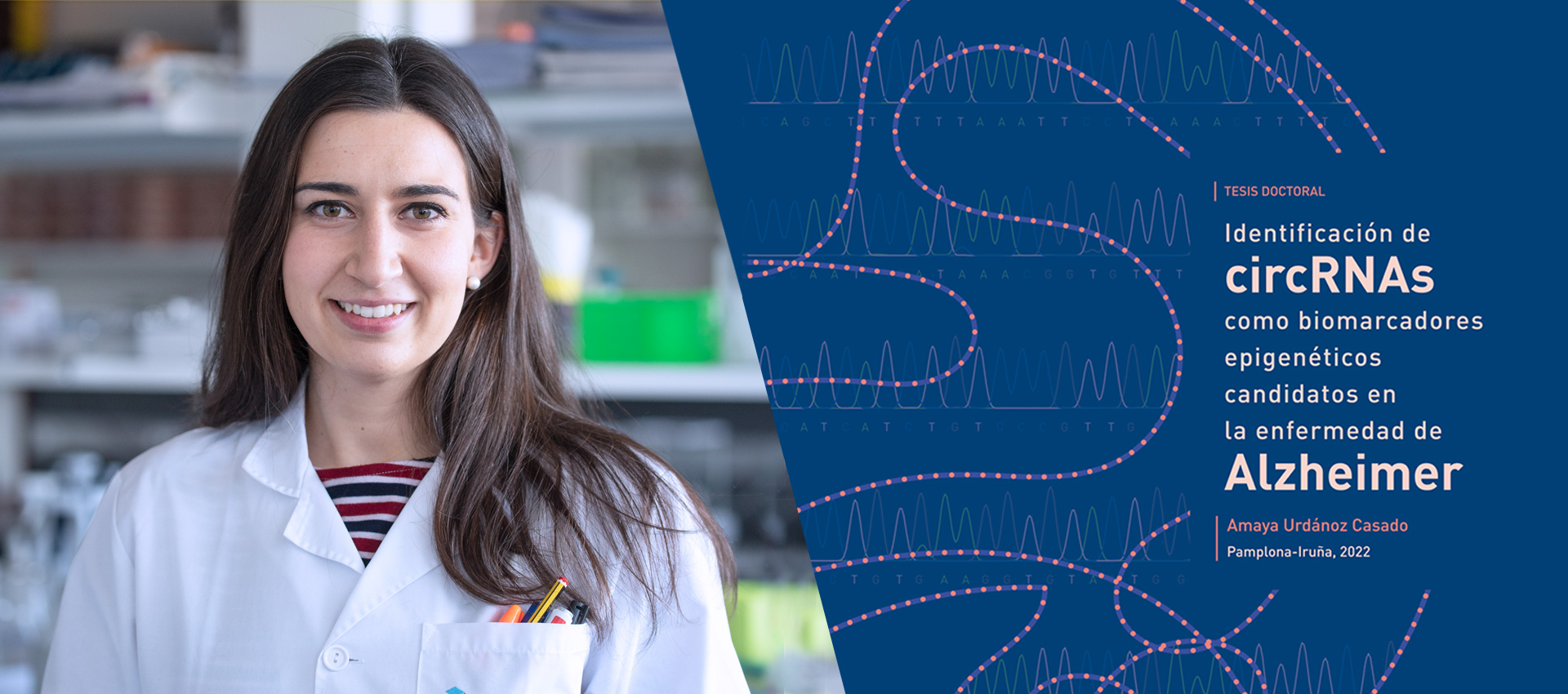
Amaya Urdánoz will present her doctoral thesis on Tuesday, July 5th

Author
Navarrabiomed

The predoctoral researcher of the Neuroepigenetics Unit of Navarrabiomed, Amaya Urdánoz Casado, will be sitting her viva from the Public University of Navarra next Tuesday, July 5th at 11:00 in the Assembly Hall of Navarrabiomed.


The doctoral work, entitled "Identification of circRNAs as candidate epigenetic biomarkers in Alzheimer's disease”, has been developed at Navarrabiomed under the direction of Maite Mendioroz Iriarte and Idoia Blanco Luquin.

This research focuses on Alzheimer's disease (AD), a neurodegenerative, chronic and, at the moment, irreversible disease that represents the first cause of age-related dementia. It is postulated that circular RNAs (circRNAs) play important roles in brain homeostasis, as well as in the development of neurodegenerative diseases. 
The objective of this doctoral thesis is to identify, in patients with AD compared to controls, circRNAs with differential expression in the human entorhinal cortex (CE), a brain region especially vulnerable to AD. To do this, the study of the expression of circRNAs is proposed using a candidate gene and a genome-wide approach.
In the former, candidate gene approach, 10 genes were selected, whose role in AD had already been described in the literature and from which circRNAs originated. 6 circRNAs derived from the APP, ADAM10, CDR1 and HOMER1 genes were identified, of which 4 showed a differential expression in EC between patients with AD and controls. In addition, three potential circRNAs derived from the TREM2 gene were identified for the first time in the EC.

In the second genome-wide approach, new circRNAs differentially expressed in the EC were identified that so far had not been associated with the development of the disease by transcriptome sequencing in patients with AD with respect to controls. In addition, several circRNA-miRNA-mRNA interaction networks (competitive endogenous RNA network, ceRNET) were predicted.
The results obtained show the deregulation of a series of circRNAs in the EC affected by AD with respect to controls, suggesting their potential involvement in the pathogenesis of the disease.


Disclosure of results and financing

The work carried out has resulted in a scientific publication in the International Journal of Molecular Sciences, “Gender-Dependent Deregulation of Linear and Circular RNA Variants of HOMER1 in the Entorhinal Cortex of Alzheimer's Disease”.
In addition, it has been disseminated at several national and international congresses, the Alzheimer's Association International virtual Conference Satellite Symposium, the 15th International virtual Conference on Alzheimer's and Parkinson's Diseases: Mechanisms, Clinical Strategies and promising Treatments of Neurodegenerative Diseases or at the BraYn Conference: Second brainstorming research assembly for young neuroscientists.

For the development of the thesis, Amaya Urdánoz has received several grants for the recruitment of doctoral students by companies and research and knowledge dissemination organizations: industrial doctoral students 2018-2020 and grants for the financing of a predoctoral contract in health sciences and technologies in the period 2019-2022, both funded by the Government of Navarra. She also received an Erasmus scholarship for her stay at Karolinska Intitutet and an aid for the mobility of doctoral students - UPNA Congresses (2021) to attend, with a communication of her research, the 15th International virtual Conference on Alzheimer's and Parkinson's Diseases: Mechanisms, Clinical Strategies and promising Treatments of Neurodegenerative Disease.

Categoría
Galería de imágenes
Documentación
Vídeo

‘la Caixa’ Foundation, Caja Navarra Foundation and Navarrabiomed launch programme to foster public biomedical research in Navarra

Presentación de las líneas de negocio
Author
Navarrabiomed
  • The programme will offer support to the development of studies in digestive medicine, geriatrics, neuroscience and oncology that will bring advancement and excellence in these fields of research.
  • ‘la Caixa’ Foundation and Caja Navarra Foundation are channelling 1.2 million Euro into this programme, to be run by the biomedical research centre Navarrabiomed, where four doctors from the Navarra Health System-Osasunbidea (SNS-O) will carry out quality biomedical research studies.
  • Through this programme, ‘la Caixa’ Foundation and Caja Navarra Foundation will give support to the leading research centres in Navarra during the 2017-2021 period. Universities and research centres will thus get a total 6.4 million Euro.

Ana Díez Fontana, Regional Director of CaixaBank in Navarra; Javier Miranda, Chairman of Caja Navarra Foundation; and Iñigo Lasa, Director of Navarrabiomed, announced the research lines to be developed by doctors Eduardo Albéniz Arbizu, Nicolás Martínez Velilla, Maite Mendióroz Iriarte and Antonio Viudez Berral, who were selected by an external evaluation committee from 12 candidates.

The specialists in the programme will be relieved from part of their medical activity so that they can do research. They need time to develop their scientific projects and produce new knowledge in their medical specialties. The initiative enables the establishment of a critical mass of professionals that combine medical activity with research jobs, thus promoting translational medicine to the benefit of patients and society as a whole.

The four doctors selected to join the programme will soon start working at the labs of Navarrabiomed – the joint biomedical research centre of the Government of Navarra and the Public University of Navarra (UPNA). They will establish separate research units for the development of their projects, based on clinical practice at the Navarra Hospital Complex (CHN), with support from other Navarrabiomed units and platforms.

In addition to streamlining research activities in the respective units, they will encourage the participation of resident medical interns (MIRs) by getting them involved in biomedical research projects, trials and programmes.

Four excellent research projects in digestive medicine, geriatrics, neuroscience and oncology

Eduardo Albéniz Arbizu has worked in a number of hospitals across Spain. He received training in advanced endoscopy in France, Japan and China. Currently, he is working at the Gastrointestinal Endoscopy Unit of the CHN Digestive Medicine Service.

Dr Albéniz specialises in endoscopic mucosal resection (EMR) and endoscopic submucosal dissection (ESD) for the removal of early-stage gastrointestinal tumours. These advanced procedures reduce the number of surgical and other more invasive interventions in the treatment of superficial neoplastic lesions. Resection of colorectal polyps, for example, is the procedure with the highest survival rates observed in screening studies for colorectal cancer carried out in Navarra.
The goal of the project led by Dr Albéniz is to provide evidence for the identification of predicting factors for the effectiveness of resection procedures and other factors associated with potential complications that might be minimised.

Nicolás Martínez Velilla has been the Head of the Geriatrics Unit at CHN since 2015. In 2013, he was appointed head of a team partnered with Navarrabiomed for the promotion of research into different aspects of geriatric medicine.

Dr Martínez Velilla’s proposal includes a thorough study for the prevention of old-age frailty and disability or dependency in hospitals and in the community at large. Furthermore, it includes the creation of a European cross-border network to deal with various aspects of ageing. The project is aimed at rethinking hospitalisation of older adults, prescribing exercise to older patients in hospitals so as to improve their quality of life and increasing the sustainability of the health system.

Maite Mendióroz Iriarte has built her professional career as a doctor and researcher in Pamplona, Barcelona, San Sebastián and New York. Since 2010, she has been a member of the Neurology Department at CHN. Over the past few years, she has received grants from ‘la Caixa’ Foundation, Caja Navarra Foundation and the Government of Navarra to boost activity in the Neuroepigenetics Unit at Navarrabiomed.

Between 2018 and 2021, Mendióroz Iriarte will develop a project whose goal is to identify a potential blood-based epigenetic biomarker for early detection and treatment of Alzheimer’s disease. Her study might become the first step towards the implementation of precision medicine in neurodegenerative diseases.

Antonio Viudez Berral has developed his professional career in Navarra, Catalonia and Baltimore, USA. In 2010, he joined the Medical Oncology Service at CHN. Since then, he has been a researcher at Navarrabiomed as well.

Dr Viudez’s project will study pancreatic neuroendocrine tumours to find accurate markers that predict the effectiveness of certain therapies.

In addition, the Medical Oncology Service will be able to strengthen its scientific activity, establishing new lines of research for the improvement of diagnosis, prognosis and prediction of treatment response and toxicity.

From left to right: Luis Gabilondo, Ana Díez, Maite Mendióroz, Eduardo Albéniz, Antonio Viudez, Nicolás Martínez, Javier Miranda and Iñigo Lasa.


Categoría
Galería de imágenes
Press conference.
Download Flecha que indica descarga
Press conference.
Download Flecha que indica descarga
Luis Gabilondo, Ana Díez, Maite Mendióroz, Eduardo Albéniz, Antonio Viudez, Nicolás Martínez, Javier Miranda and Iñigo Lasa.
Download Flecha que indica descarga
Vídeo

CHN and Navarrabiomed publish innovative study on liquid biopsy for amyotrophic lateral sclerosis diagnosis and follow-up

Author
Navarrabiomed

The Navarra Hospital Complex (CHN) and the biomedical research centre Navarrabiomed have carried out an innovative study of the so-called ‘liquid biopsy’ in amyotrophic lateral sclerosis (ALS) diagnosis and follow-up. The results of this study were published in the international peer-reviewed journal Annals of Translational Medicine.

On the occasion of the Global ALS Awareness Day, members of the multidisciplinary team treating patients with ALS in Navarra shared the latest research and care developments in connection with this disease, including this innovative study of the use of liquid biopsy testing in ALS diagnosis and follow-up.

The leaders of the study were Maite Mendióroz and Ivonne Jericó, doctors from the CHN Neurology Department and researchers at Navarrabiomed. The project was part of the scientific activity done at the Navarra Medical Research Institute (IdiSNA), a public-private agency for the promotion of biomedical research in Navarra. The survey involved ALS patients and a control group (individuals without ALS), and professionals from the departments of Neurology and Anaesthesiology and the Nursing Team at CHN, and the Neuroepigenetics Unit at Navarrabiomed.

According to the study coordinators, one of the biggest weaknesses in research into neurodegenerative disease is the difficulty to access and study the nervous tissue of living patients. In order to address this difficulty, the study analyses the application of liquid biopsy testing, a technique recently developed in the field of cancer research, to ALS diagnosis.

Liquid biopsy is based on the fact that, when cells degenerate and die, their contents – including DNA – flow into the bloodstream. The released DNA molecules contain biochemical information about the original cells (hence the name ‘biopsy’) – in this case, diseased neurons. The original cell contents can be isolated and analysed in blood samples (hence the name ‘liquid’). The researchers have successfully used this technique with ALS patients to identify a new gene, RHBDF2, as a biomarker for ALS diagnosis in the future.

‘To the best of our knowledge, this is the first time ever liquid biopsy has been used to diagnose neurodegenerative diseases. The results have been encouraging so far. Now we are planning to extend the technique to other neurodegenerative diseases, such as Alzheimer’s disease,’ the doctors said, adding that the survey was made possible by the generous participation of patients and their families, and the volunteers in the control group.

A multidisciplinary team, 11 years and more than 200 patients

The team treating ALS patients in Navarra have striven to promote ALS research right from the start. Currently, two researchers at the Navarrabiomed Neuromuscular Disease and Motor Neuron Disease Group (headed by Dr Jericó) are working on ALS for their PhD projects, and other four projects address this neurodegenerative disease – specifically, the identification of biomarkers for diagnosis and follow-up, the role of neuroinflammation, the underlying mechanisms, the analysis of genetic factors, and the study of epidemiological aspects and disability.
The Group coordinates both research and care activities, and collaborates with the Navarrabiomed Proteomics and Biobank platforms, the Neuroepigenetics Research Unit (headed by Dr Mendióroz) and the Navarra Public and Occupational Health Service (Rare Disease Registry).

Amyotrophic lateral sclerosis is a progressive nervous system disease with a heterogeneous clinical presentation but common symptoms like muscle weakness and progressive muscular atrophy. Prognosis is variable among patients. About 5 to 10 per cent of ALS is familial, which means it arises in families in which there is a history of ALS. The other 90 to 95 per cent of ALS is sporadic, meaning it occurs without a family history, its causes still being unknown. Every year, 1 to 2 people every 100,000 are diagnosed with ALS. Despite being a rare disease, it has a deep social and family impact. Currently, there is no cure for ALS, but this does not mean there is no treatment.

ALS care involves multiple disciplines. On the occasion of the Global ALS Awareness Day the multidisciplinary team at CHN shared an informative brochure with patients and their families, highlighting the importance of coordinated social and health care through multidisciplinary units or teams. Active for 11 years now, the CHN team have treated over 200 patients to date.

Navarra has been one of the first Spanish regions to implement a multidisciplinary care model for ALS patients. Since 2007, the region has been offering comprehensive, coordinated care to them and their families, through a multi- and interdisciplinary team whose members include a neurologist, (Dr Ivonne Jericó), a nutritionist (Dr Ana Zugasti), two pulmonologists (Dr Joan Boldú and Dr Begoña Fernandez), a neurophysiologist (Dr Asun Ibiricu), an intensive care physician (Dr Juan Pedro Tirapu), a social worker (Rakel Suescun), neurology nurses, dieticians, a palliative care service and members of the Psychological and Social Support Service at San Juan de Dios Hospital (Yolanda Santesteban and Ana Baños).

From the beginning, the team set out to offer adequate, tailored, patient-centred social and health care, while promoting research as the key to finding an effective treatment for ALS.
 

Image: Members of the multidisciplinary team treating patients with ALS in Navarra.

Categoría
Documentación
Vídeo
Documentation
Colaboraciones externas
Vídeo
IBEAS - PLUS
IBEAS - PLUS
Maite
Mendioroz Iriarte
Head of the Unit
Visor 360º
360º Virtual Tour
Neuroepigenetics
Lab
Colaboradores/as
Cabada Giadas, Mª Teresa
Hospital Universitario de Navarra
Cabello González, Carolina
Hospital Universitario de Navarra
Echavarri Zalba, Carmen
Hospital Universitario de Navarra
Erro Aguirre, Elena
Hospital Universitario de Navarra
Larumbe Ilundain, Rosa
Hospital Universitario de Navarra
Méndez López, Iván
Hospital Universitario de Navarra
Sánchez Ruiz de Gordoa, Javier
Hospital Universitario de Navarra
Unidad de investigación / Grupo Vinculado
Contacto
Neuroepigenetics

Navarrabiomed - Centro de investigación biomédica
Complejo Hospitalario de Navarra, edificio de investigación.
Calle Irunlarrea, 3. 31008 Pamplona, Navarra, España. 
No mostrar en listados de Unidades de Investigación
Off

Algebra and Applications

Algebra and Applications

The Algebra and Applications multidisciplinary research team is made up of mathematicians and telecommunications engineers. At present, their lines of research are centred on the development of theoretical methods for gathering information based on data from different sources. They develop techniques and algorithms that are used in fields such as biomedical data classification, medical decision making, and evaluation and classification of movements in people with motor disabilities or the elderly.

Lines of research:

  • Machine-learning methods for multimodal information extraction.
  • Multimodal analysis of human movement. Application to rehabilitation and functional capacity improvement.
  • Techniques for optimising information extraction from clinical signs obtained with non-invasive techniques.
  • Group theory. Aggregation and engagement: application to data classification and decision-making under uncertainty.
Investigador principal
Área de investigación
Big Data & Bioengineering
Algebra and Applications
Colaboraciones Logotipos
Vídeo
Visor 360º
Colaboradores/as
Lecumberri Villamediana, Pablo
Universidad Pública de Navarra
Martínez Ramírez, Alicia
Universidad Pública de Navarra
Millor Muruzabal, Nora
Universidad Pública de Navarra
Uzqueda Esteban, Itziar
Universidad Pública de Navarra
Vidaurre Arbizu, Carmen
Universidad Pública de Navarra
Unidad de investigación / Grupo Vinculado
Contacto
Algebra and Applications

Navarrabiomed - Centro de investigación biomédica
Complejo Hospitalario de Navarra, edificio de investigación.
Calle Irunlarrea, 3. 31008 Pamplona, Navarra, España. 

No mostrar en listados de Unidades de Investigación
Off

Artificial Intelligence and Probabilistic Reasoning

Artificial Intelligence and Probabilistic Reasoning

The Artificial Intelligence and Approximate Reasoning Group (GIARA) was established in 2002 by Professor Humberto Bustince at the Public University of Navarra. Currently, GIARA is made of eighteen members (twelve holding doctoral degrees and five doctoral students).
GIARA is a multidisciplinary team (physicists, mathematicians, computer engineers and industrial engineers) with broad experience and a remarkable national and international impact. They conduct theoretical research in the areas of information fusion, fuzzy sets and extensions. In addition, they develop models and applications in the fields of data mining, big data and image processing.

Lines of research:

  • Theory: information fusion, fuzzy sets and extensions.
  • Decision making: multicriteria, consensus, preference relations and recommendation systems.
  • Computer vision: image processing, magnification/demagnification, edge detection, stereo vision.
  • Data mining: machine learning, classification, fuzzy rule-based models, ensemble-based models, deep learning, big data.
     
Investigador principal
Área de investigación
Big Data & Bioengineering
GIARA
Colaboradores/as
Antunes Dos Santos, Felipe
Navarrabiomed - Universidad Pública de Navarrra
Barrenechea Tartas, Edurne
Navarrabiomed - Universidad Pública de Navarrra
Burusco Juandeaburre, Ana Jesús
Navarrabiomed - Universidad Pública de Navarrra
De Miguel Turullols, Laura
Navarrabiomed - Universidad Pública de Navarrra
Dendarieta Sarries, Xabier
Navarrabiomed
Elkano Ilintxeta, Mikel
Navarrabiomed - Universidad Pública de Navarrra
Fernández Fernández, Francisco Javier
Navarrabiomed - Universidad Pública de Navarrra
Galar Idoate, Mikel
Navarrabiomed - Universidad Pública de Navarrra
Guerra Errea, Carlos
Navarrabiomed - Universidad Pública de Navarrra
Hernández Jaso, Ignacio
Navarrabiomed - Universidad Pública de Navarra
Iglesias Rey, Sara
Navarrabiomed - Universidad Pública de Navarrra
Jurío Munarriz, María Aránzazu
Navarrabiomed - Universidad Pública de Navarrra
López Molina, Carlos
Navarrabiomed - Universidad Pública de Navarrra
Lucca, Giancarlo
Navarrabiomed - Universidad Pública de Navarrra
Marco Detchart, Cedric
Navarrabiomed - Universidad Pública de Navarrra
Orduna Urrutia, Raúl
Navarrabiomed - Universidad Pública de Navarrra
Pagola Barrio, Miguel
Navarrabiomed - Universidad Pública de Navarrra
Paternain Dallo, Daniel
Navarrabiomed - Universidad Pública de Navarrra
Sanz Delgado, José Antonio
Navarrabiomed - Universidad Pública de Navarrra
Sesma Sara, Mikel
Navarrabiomed - Universidad Pública de Navarrra
Uriz Martín, Mikel Xabier
Navarrabiomed - Universidad Pública de Navarrra
Unidad de investigación / Grupo Vinculado
Contacto
Artificial Intelligence and Probabilistic Reasoning

Navarrabiomed - Centro de investigación biomédica
Complejo Hospitalario de Navarra, edificio de investigación.
Calle Irunlarrea, 3. 31008 Pamplona, Navarra, España. 
No mostrar en listados de Unidades de Investigación
Off

Clinical Neuroproteomics

Clinical Neuroproteomics

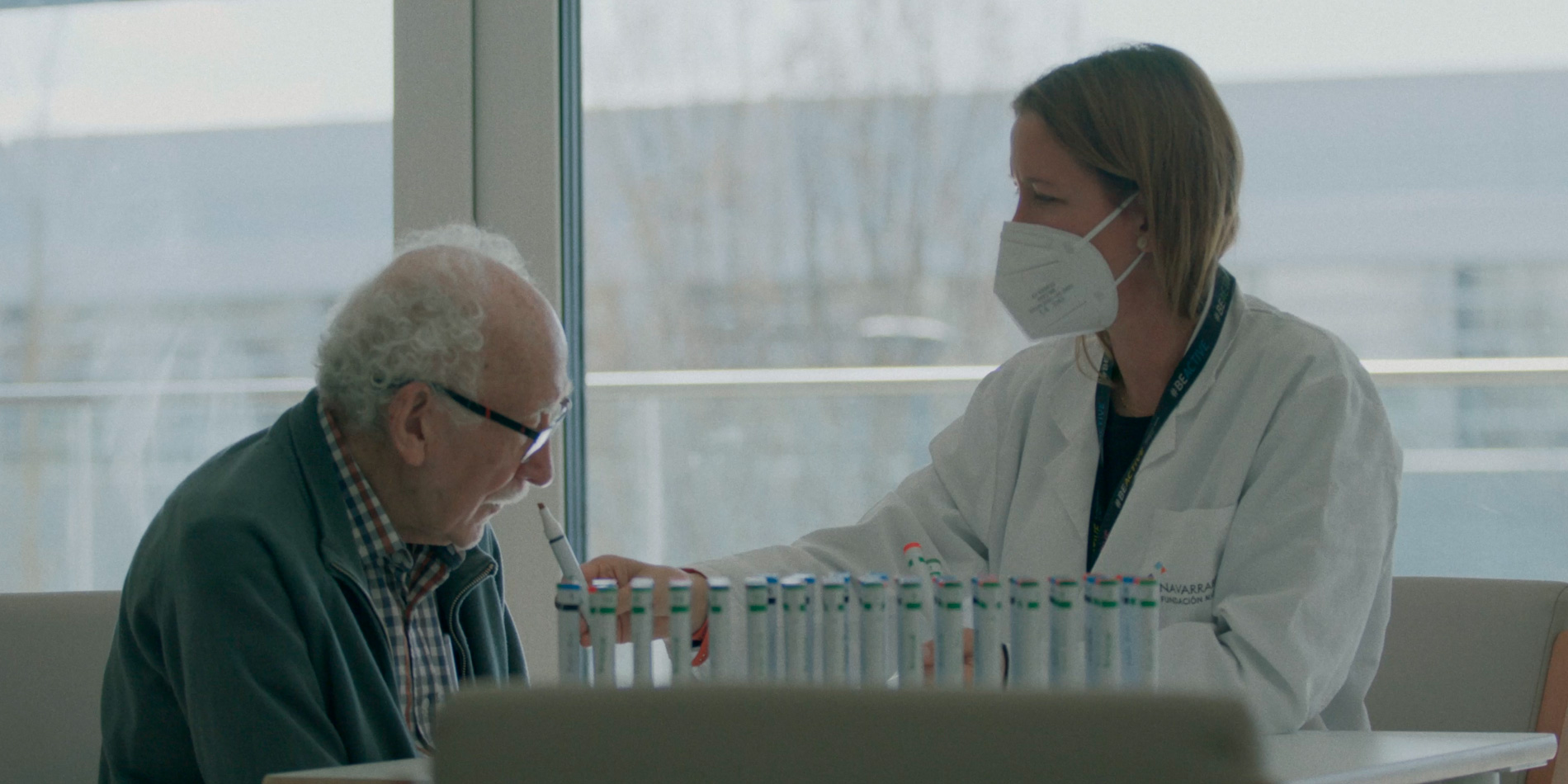
The activity of this Unit is aimed at defining the molecular processes involved in the development of neurodegenerative diseases. In order to achieve this goal, it works on the identification of the proteins and peptides involved in the neuropathogenic processes leading to Alzheimer’s disease, Parkinson’s disease, multiple sclerosis and amyotrophic lateral sclerosis, using proteomic tools to identify and quantify hundreds of proteins in human brain cells and disease animal models. Using bioinformatics analysis, disease-specific molecular mechanisms are identified, characterising proteins with a potential prognostic and/or diagnostic value.
The team leads the Neurological Disorders Programme, which is part of the Human Proteome Project through a Spanish consortium established by ProteoRed-Instituto de Salud Carlos III.
The group belongs to the International Consortium GCCR (Global Consortium for Chemosensory Research).

HBPP       

Lines of research:
  • The group leads the Neurological Disorders Programme, which is part of the Human Proteome Project through a Spanish consortium established by ProteoRed-Instituto de Salud Carlos II.
  • Olfaction and neurodegeneration.
  • Characterisation of the molecular mechanisms involved in the development of neurodegenerative disease.
  • Molecular analysis of lateralisation of brain function using inter-hemispheric proteomics.
Investigador principal
Área de investigación
Neuroscience
Identification of proteins and peptides in neuropathogenic processes
Actualidad

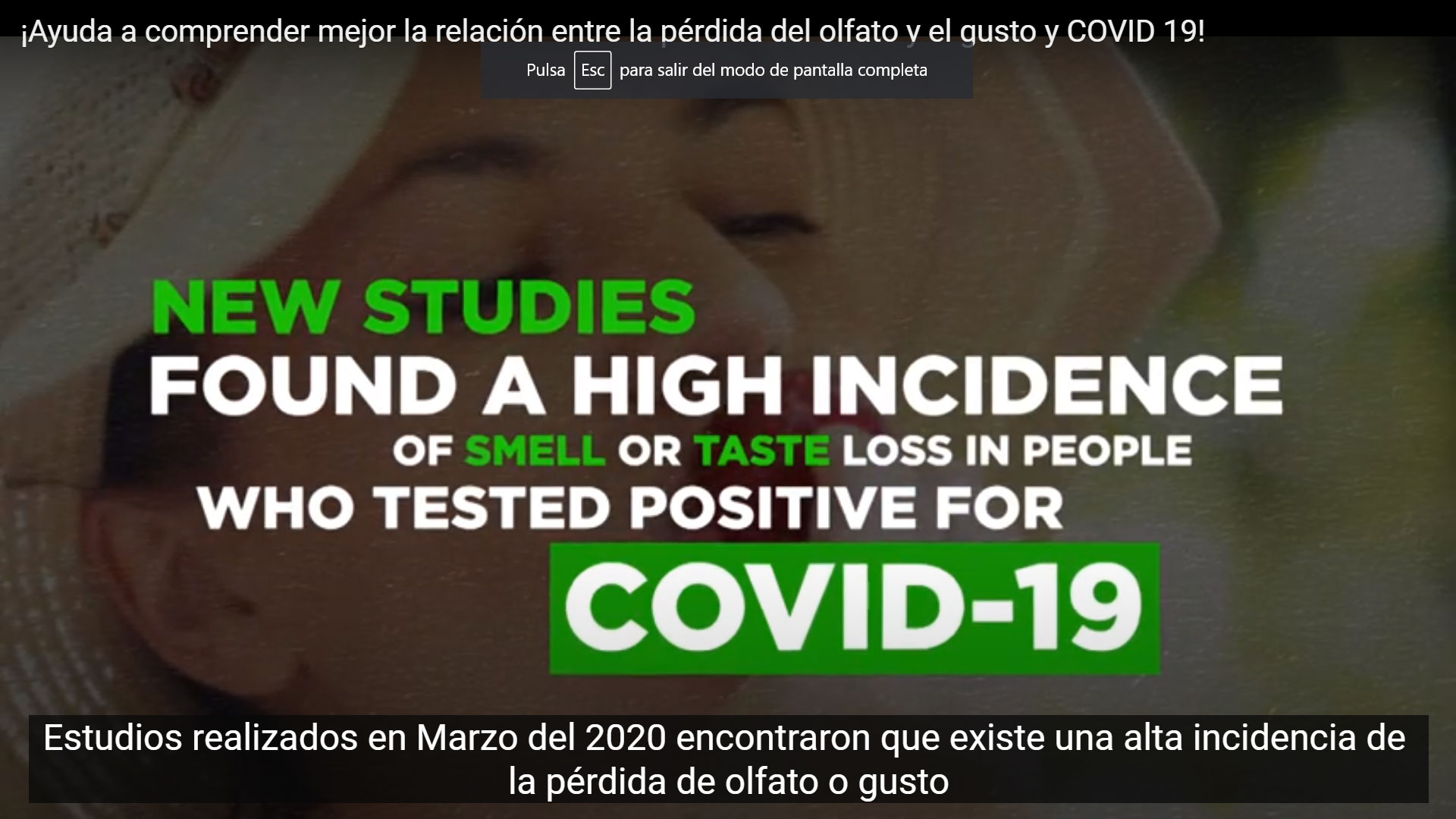
Navarrabiomed participates in international research project demonstrating loss of smell and taste in COVID-19 patients

Author
Navarrabiomed

•    A consortium made of more than 600 professionals from 50 countries highlights the importance of confirming the diagnosis of people presenting with alterations in their capacity to smell and taste
 

Navarrabiomed is participating in an international research project that has confirmed that most people suffering from COVID-19 experience a loss of their sense of smell and/or taste. This initiative is part of an international consortium made up of more than 600 professionals from 50 countries.

Enrique Santamaría Martínez PhD, Head of the Navarrabiomed Clinical Neuroproteomics Unit, is responsible for leading the center’s participation in an international consortium that has confirmed the direct relationship between COVID-19 and anosmia (loss of the sense of smell) and the reduction in taste capacity in early stages of the disease. More than 600 professionals from 50 countries are collaborating on this study, whose findings may determine who is given diagnostic tests in new outbreaks.

On 7 April 2020, the Global Consortium for Chemosensory Research (GCCR) launched a massive survey with the aim of gathering sensory information on the ability to smell and taste of participants, people diagnosed with an objective test such as PCR or after clinical assessment no more than 15 days prior to responding to the survey. Among other variables, participants were asked to quantify their smell, taste and chemesthesis function (their capacity to smell, taste and perceive cooling, tingling and burning sensations in the mouth) before and while suffering from COVID-19 disease. They were also asked to mention any kind of nasal obstruction that had occurred.

The consortium obtained preliminary results 11 days later, on 18 April, and published the findings on 8 May in the free-access repository medrxiv.org. A total of 4,039 people from more than 40 countries filled out the survey and an analysis of the results indicates that smell, taste and chemesthesis were significantly reduced in patients diagnosed with COVID-19 disease. It is important to point out that nasal obstruction does not seem to be associated with these losses, which suggests that it may be an indicator for differentiating infection from SARS-CoV-2 from other viral infections such as cold and flu (which do produce nasal obstruction).

The reduction in the capacity to smell and taste may be taken as a distinctive characteristic of possible cases of COVID-19 arriving at hospitals and health centers and that require confirmation by means of a diagnostic test.

The project is different from previous studies on chemosensory abilities and COVID-19 because it proposes a massive international approach within a collaborative open-science framework. The study is led by Valentina Parma (Temple University, Philadephia, USA), John Hayes (Penn State, USA), Thomas Hummel (Technische Universität Dresden, Alemania), Steve Munger (Universidad de Florida, USA) and Danielle Reed (Monell Chemical Senses Center, USA). 

Research in progress

The consortium has now received more than 37,000 responses and the survey is still active. Navarrabiomed encourages anyone who has recently suffered from a respiratory disease, including COVID-19, to go online to https://gcchemosensr.org/ and fill out the survey in one of the 29 languages available. “Patient participation is key for determining the symptomatology of SARS-CoV-2. Consortium committees are currently organizing specific research projects that will make use of all the information compiled in the GCCR initiative,” said Dr. Santamaría.

The Navarrabiomed Clinical Neuroproteomics Unit is interested in determining why COVID-19 patients lose their sense of smell. To answer this question, the Unit is collaborating with the group of Dr. David Escors (Head of the Oncoimmunology Unit, Navarrabiomed) in order to untangle the molecular mechanisms that are altered at the olfactory level by the SARS-CoV-2 virus.

“One of the coronavirus’s access routes is through the nasal cavity, which is why analysis of the “nose-brain” route could provide information on why strokes, seizures and encephalitis have been observed in some COVID-19 patients”.

Furthermore, according to preliminary results from the seroprevalence study carried out by the Spanish Ministry of Health and the Carlos III Health Institute, the loss of smell should not merely be considered an early symptom of COVID-19 disease, but also a predictor of immune response,” Dr. Santamaría said.

The Navarrabiomed Neuroproteomics Unit, in collaboration with public and private health institutions in Navarre, is currently working on the development and deployment of precision olfactory medicine, which, together with immunological analysis, will lead to more effective diagnosing and monitoring of the many diseases involving loss of smell, one of which is COVID-19.
 

Categoría
Galería de imágenes
De izda. a dcha: Karina Ausín, Naroa Mendizuri, Joaquín Fernández, Enrique Santamaría y Mercedes Lachén.
Download Flecha que indica descarga
Documentación
Vídeo
Help researchers better understand the relationship between the loss of smell and taste and COVID-19

Navarrabiomed researchers coordinate the publication of a book on brain protein analysis

Author
Navarrabiomed

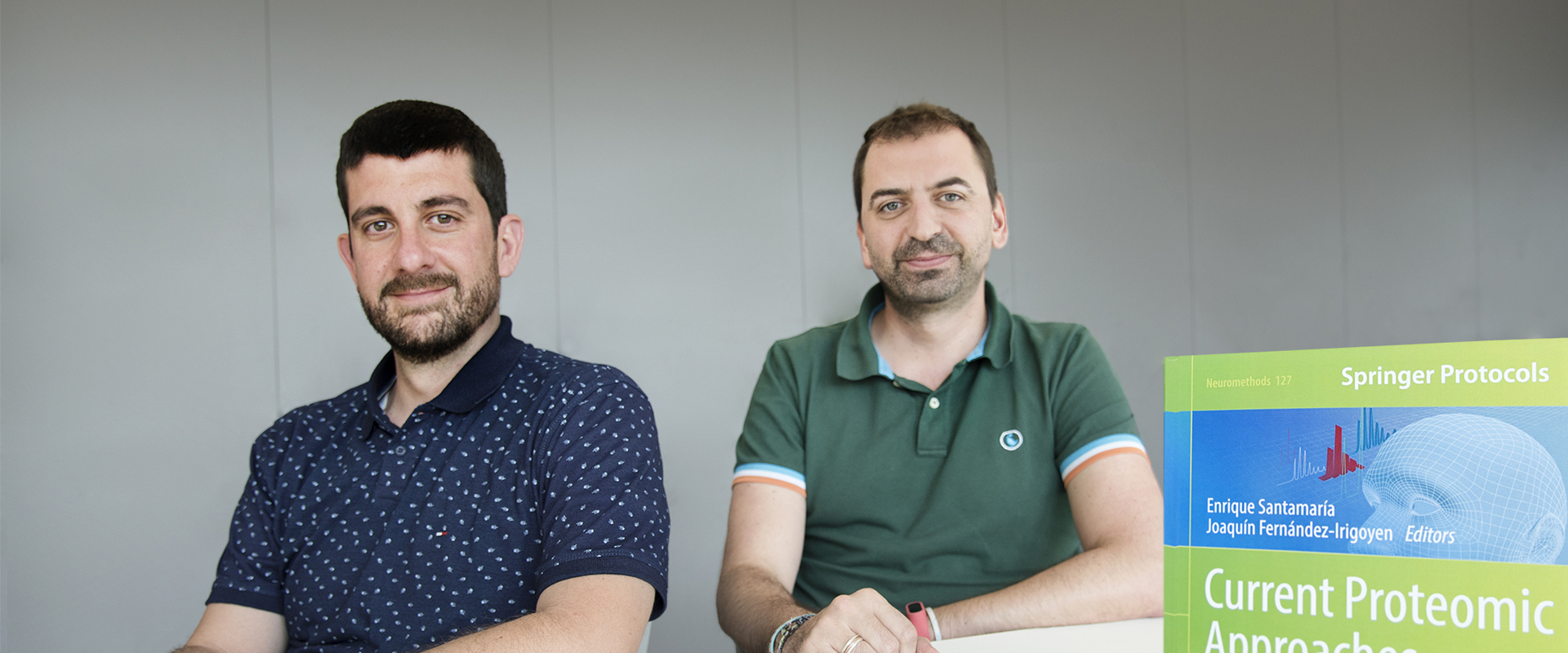
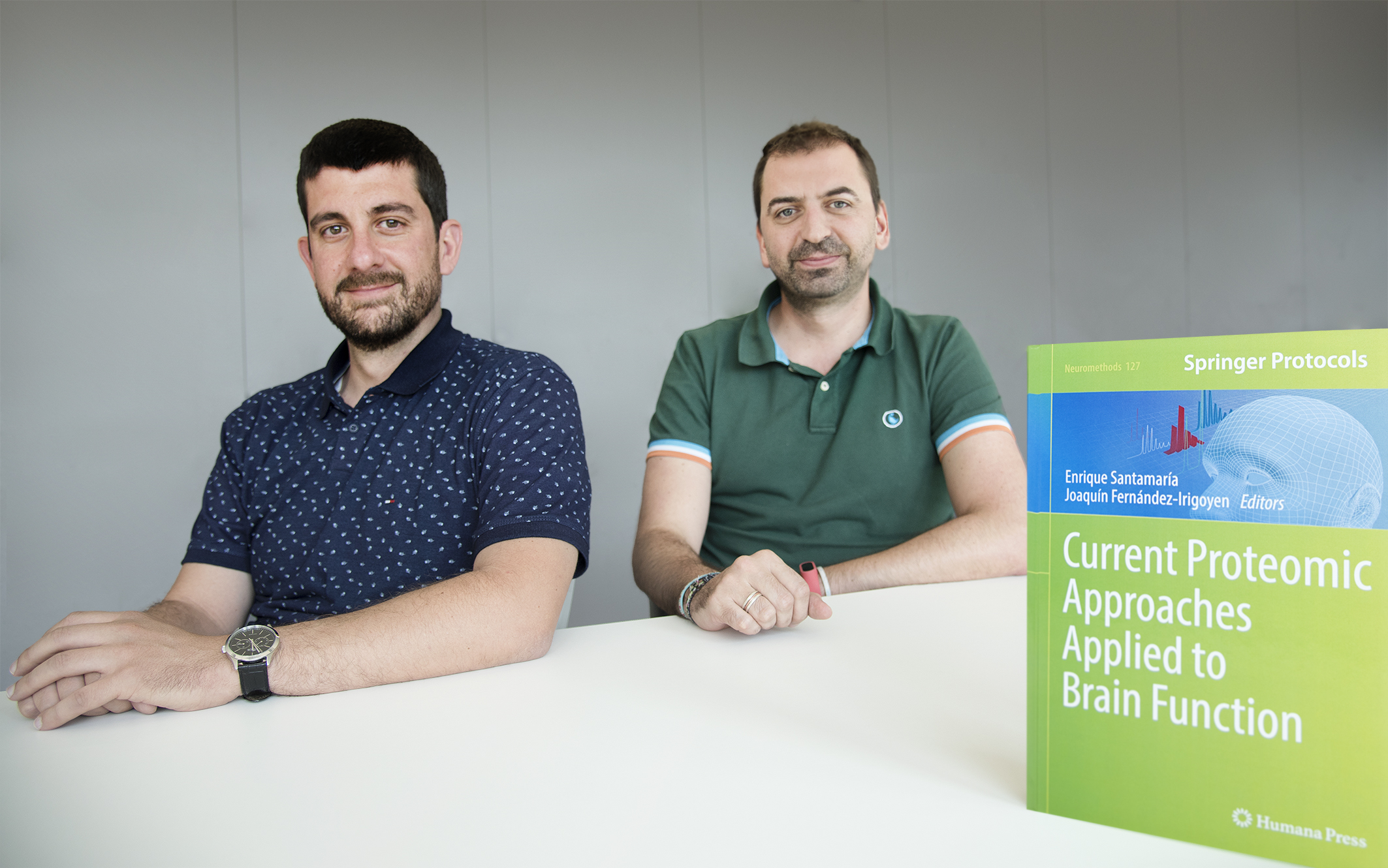
LEnrique Santamaría and Joaquín Fernández-Irigoyen, researchers at the Proteomics Unit of the biomedical research centre Navarrabiomed, were the coordinators of Current Proteomic Approaches Applied to Brain Function, released by the academic publishing company Springer Nature as part of its Neuromethods collection.

The book introduces 20 standard protocols to deepen the knowledge of proteins and their role in neurodegenerative and psychiatric disorders.

In this book, Santamaría and Fernández-Irigoyen, who are also professionally related to the Navarra Medical Research Institute (IdiSNA) and the ProteoRed-ISCIII national platform, offer a compendium of methods for brain proteome quantification, post-translational modification monitoring, neuronal organelle identification and characterisation, and bioinformatics tool implementation for omics data integration. It is meant to be an essential guidebook for students a valuable resource for graduate students and postdoctoral fellows interested in neuroproteomics, as well as for researchers looking for further insight into the growing field of mass spectrometry in neuroscience.

Book contributors included as many as 75 researchers from labs in Spain, Switzerland, France, Denmark, Portugal, Germany, India, the USA and Brazil. Many of them are regular participants in The Human Brain Proteome Project (HBPP).

HBPP is an international initiative sponsored by the Human Proteome Organisation (HUPO) promoting proteomic studies on the human brain and follow-up projects to decipher the role of proteins in brain development, health and disease.


Categoría
Galería de imágenes
Navarrabiomed researchers Joaquín Fernández-Irigoyen and Enrique Santamaría.
Download Flecha que indica descarga
Documentación
Vídeo
Colaboraciones Logotipos
Documentation
External collaborations
Vídeo
INNOLFACT  Implementing Olfactory Precision Medicine
INNOLFACT Implementing Olfactory Precision Medicine
Enrique
Santamaría Martínez
Head of the Unit
Visor 360º
360º Virtual Tour
Clinical Neuroproteomics
Lab
Unidad de investigación / Grupo Vinculado
Contacto
Clinical Neuroproteomics

Navarrabiomed - Centro de investigación biomédica
Complejo Hospitalario de Navarra, edificio de investigación.
Calle Irunlarrea, 3. 31008 Pamplona, Navarra, España. 
No mostrar en listados de Unidades de Investigación
Off

Molecular Pathology of Cancer

Molecular Pathology of Cancer

The Molecular Pathology of Cancer Research Unit, previously known as Cancer Epigenetics Unit, includes researchers from Navarrabiomed and clinical researchers from the Anatomical Pathology, Surgery and Neurosurgery Services at the Navarra Hospital Complex. Its main goal is to identify new biomarkers for prognosis and response to treatment in patients with different types of cancer: breast, gynaecological and brain tumours, among others.
This Unit works with other research groups at Navarrabiomed (Oncoimmunology, Oncobiona Tras), the Radiation Oncology Team at CHN, groups from other organisations (IUOPA in Oviedo, PEBC-IDIBELL in Barcelona), and technology platforms at Navarrabiomed, the National Cancer Research Centre (CNIO in Madrid) and the Biomedical Research Centre of La Rioja (CIBIR in Logroño).

Lines of research:

  • Identification of microRNAs and of hypermethylation in the tumour suppressor genes involved in solid tumour progression.
  • Analysis of prognostic value and predicted response to cancer treatment in solid tumour biomarkers.
  • Analysis of protein expression profiles as related to tumour characteristics.
  • In vitro functional assays.
     
Investigador principal
Equipo de investigadores
Área de investigación
Oncology
Molecular Pathology of Cancer
Actualidad

Saioa Mendaza Lainez defenderá su tesis doctoral el martes, 30 de junio

Author
Navarrabiomed

Saioa Mendaza Lainez, investigadora predoctoral en la Unidad de Patología Molecular del Cáncer de Navarrabiomed, realizará la lectura de su tesis doctoral por la Universidad Pública de Navarra el martes 30 de junio, a las 11:30, a través de videoconferencia en Navarrabiomed (solamente podrán acudir aquellas personas autorizadas previamente). 

La tesis, titulada Approaching the epigenome of triple-negative breast cancer to identify new biomarkers, ha sido desarrollada en Navarrabiomed bajo la dirección del Dr. David Guerrero Setas y la Dra. Esperanza Martín Sánchez.


El cáncer de mama es la neoplasia más frecuente en mujeres a nivel mundial y la primera causa de muerte por cáncer en este mismo sexo. La investigación aborda el cáncer de mama triple negativo (CMTN), un subtipo que a diferencia del resto carece de tratamiento dirigido, lo que conlleva consecuencias más agresivas en las personas que lo padecen. Esto hace que a día de hoy, la búsqueda de nuevos biomarcadores y dianas terapéuticas para esta enfermedad sea imprescindible.

Dado que las alteraciones epigenéticas están involucradas en la tumorigénesis, el objetivo de esta tesis ha sido caracterizar la metilación del DNA y la acetilación de histonas de este tipo de cáncer. Con ello se ha buscado identificar nuevas firmas potencialmente diagnósticas y pronósticas, así como alteraciones destinatarias de fármacos dirigidos.

Los resultados de esta caracterización han permitido concluir que el patrón epigenético está alterado en CMTN respecto a tejido mamario no neoplásico. Más importante aún, la investigación ha desvelado dos alteraciones epigenéticas específicas como potenciales biomarcadores de peor pronóstico: la acetilación de la histona H4K5 y la hipometilación del gen ADAM12, el cual se presenta también como posible diana terapéutica frente a este cáncer.

Asimismo, se ha identificado una nueva firma basada en metilación de DNA con utilidad diagnóstica. Por último, se han descrito los procesos biológicos de los distintos genes regulados por la acetilación de H4K6 en líneas celulares no neoplásicas y CMTN.

El trabajo realizado ha dado lugar a tres publicaciones científicas y ha sido difundido en dos congresos consecutivos de European Association for Cancer Research; uno celebrado en Manchester en el año 2017 y en Amsterdam en el 2018.

Para el desarrollo de la tesis Saioa Mendaza ha sido beneficiaria de dos becas: Ayudas para la formación de Personal Investigador de la Univesidad Pública de Navarra  para la realización de tesis doctorales y Beca a la excelencia de la Funcación Caja Navarra para la realización de una estancia en University of Massachussets Medical School (EEUU).

Categoría
Vídeo
Colaboradores/as
Amat Villegas, Irene
Hospital Universitario de Navarra
Armendáriz Rubio, Pedro
Hospital Universitario de Navarra
Arriola Osés, Marta
Hospital Universitario de Navarra
Córdoba Iturriagagoitia, Alicia
Hospital Universitario de Navarra
Guarch Troyas, Rosa
Hospital Universitario de Navarra
Ruiz de Azua Ciria, Ana Yerani
Hospital Universitario de Navarra
Zazpe Cenoz, Idoya
Hospital Universitario de Navarra
Unidad de investigación / Grupo Vinculado
Contacto
Molecular Pathology of Cancer

Navarrabiomed - Centro de investigación biomédica
Complejo Hospitalario de Navarra, edificio de investigación.
Calle Irunlarrea, 3. 31008 Pamplona, Navarra, España. 
No mostrar en listados de Unidades de Investigación
Off

Cancer Signalling

Cancer Signalling

The two main causes of death in cancer patients are metastasis and resistance to therapy. The Signalling in Cancer Unit seeks to understand both the molecular mechanisms involved in the formation of secondary tumours (metastasis) and the strategies used by cancer cells to resist chemotherapy drugs and targeted therapies.
The ultimate goal of the Unit is to transfer results to clinical practice.

Lines of research:
  • Anoikis resistance as a metastasis prevention strategy in melanoma-type skin cancer.
  • New treatments for glioblastoma multiforme.
  • Personalised medicine for neuroendocrine tumours.
  • Metabolic adaptation and tumour progression in melanoma.
Investigador principal
Área de investigación
Oncology
Drug resistance and metastasis
Actualidad

Metabolic rewiring induced by ranolazine improves melanoma responses to targeted therapy and immunotherapy

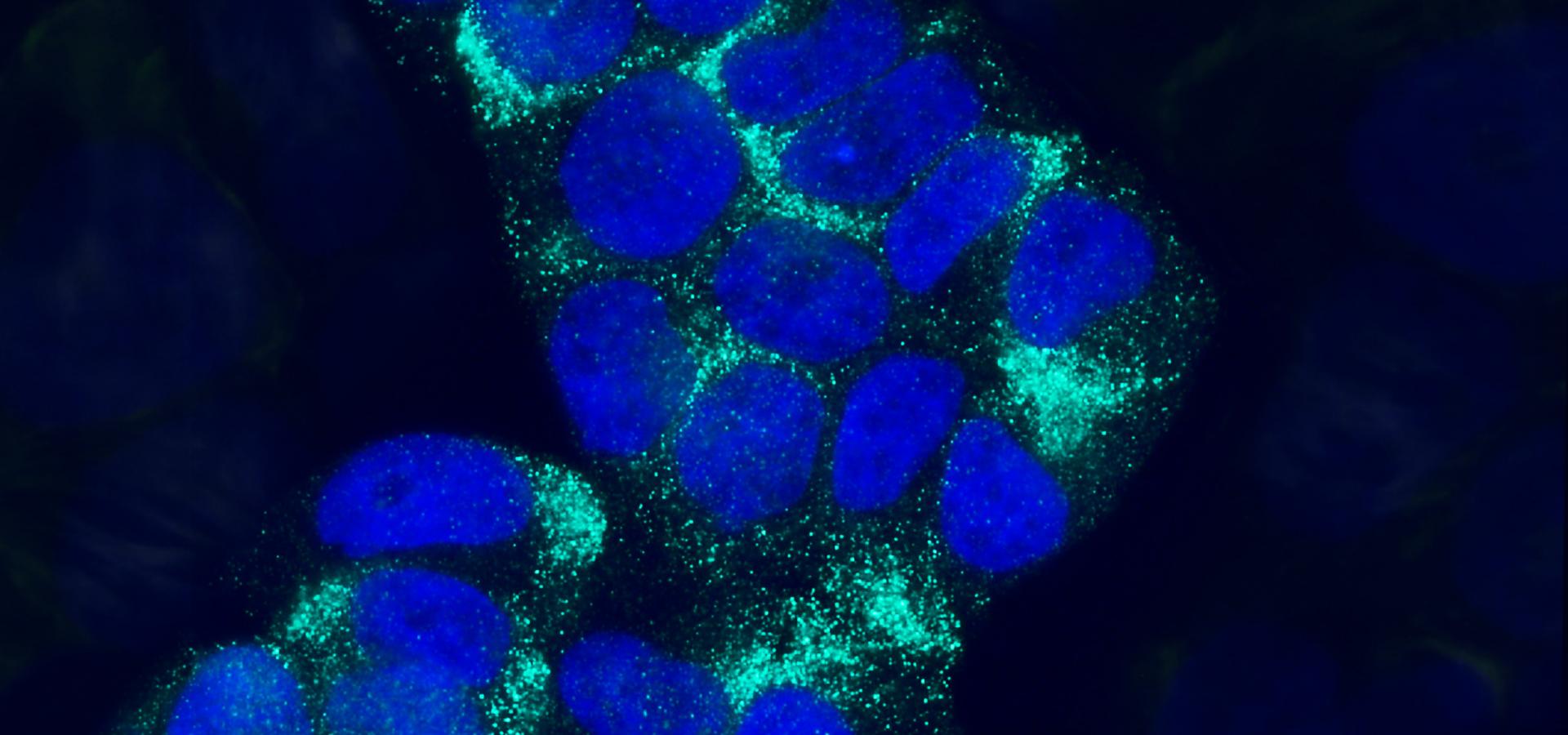
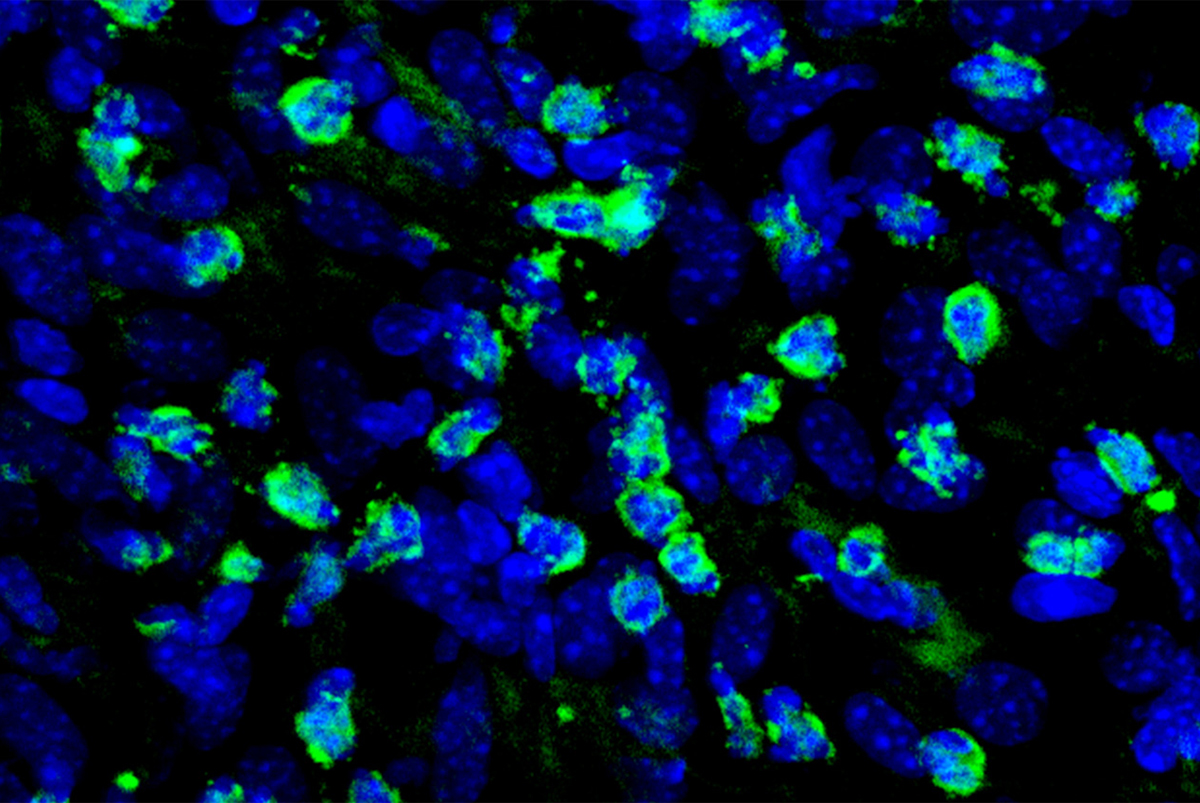
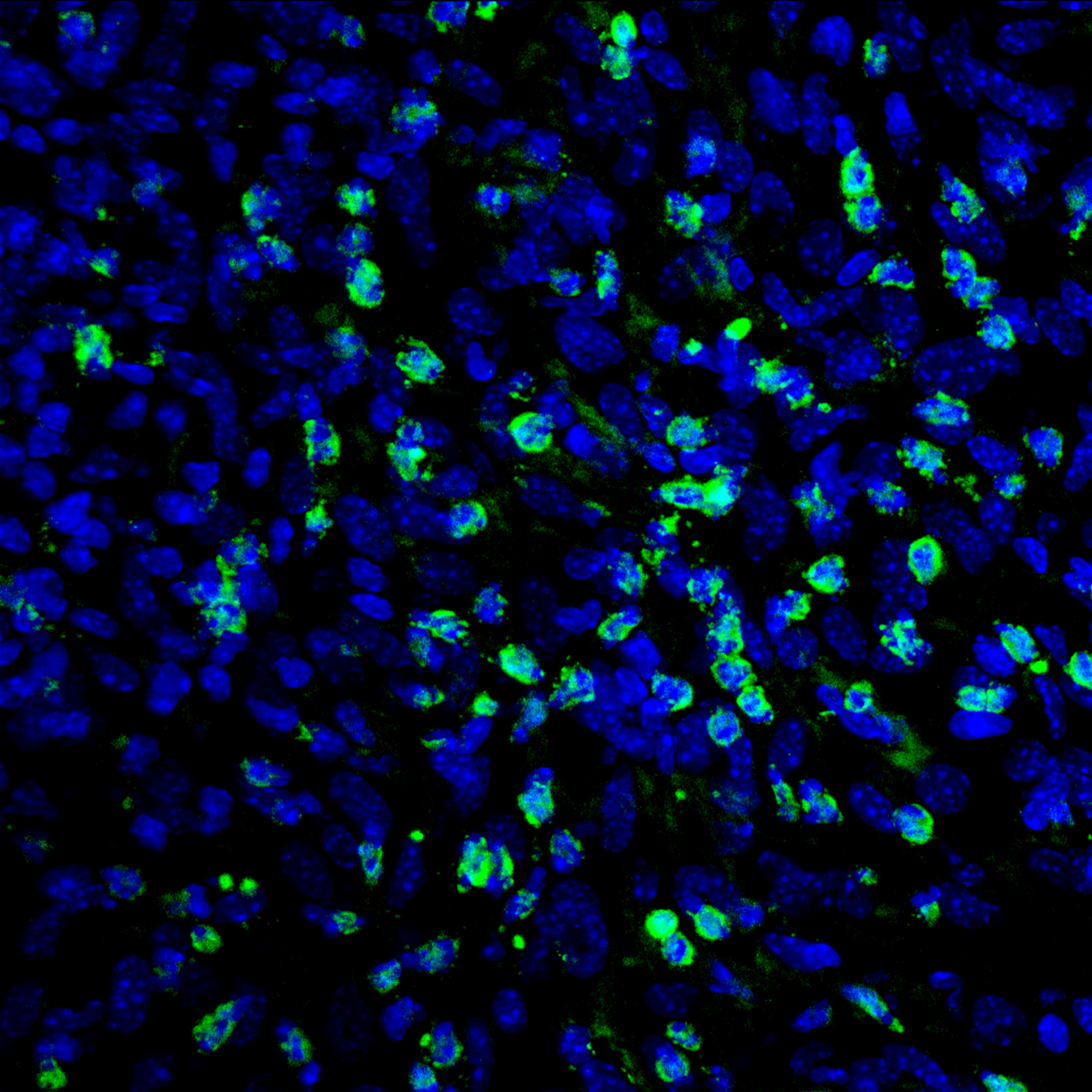
En verde la tinción de los linfocitos antitumorales tipo NK y en azul, las células tumorales.  ➡️ El tratamiento con #ranolazina aumenta la cantidad de linfocitos antitumorales que infiltran el tumor y favorecen la acción de la inmunoterapia.
Author
Navarrabiomed

A study led by Navarrabiomed proposes a therapeutic alternative to treat melanoma.

  • The drug ranolazine, used to treat chronic angina pectoris, could improve response to anti-melanoma therapies.
  • This is a multicenter investigation carried out by Navarrabiomed biomedical research center, the Institute for Neurosciences CSIC-UMH, and IRB Barcelona.

The prestigious journal Nature Metabolism has published the results of a study in mice that determined that ranolazine, a drug that is currently administered to patients to treat heart conditions, delays the appearance of resistance to melanoma treatments, by blocking fatty acids metabolism. This research has been led by Navarrabiomed, together with the Institute for Neurosciences (CSIC-UMH) and IRB Barcelona. Melanoma is the most aggressive type of skin cancer and, although it only accounts for 10% of skin cancer cases, it is responsible for 90% of deaths associated with skin tumours. Thanks to the development of targeted therapies and immunotherapies, the clinical management of patients affected with this type of cancer has improved, however, these therapies still have limitations because 50% of patients do not respond adequately and even develop resistance.

The evidence suggests that this resistance could be linked to metabolic reprogramming in cancer cells that is associated to changes in the way in which cells process and use nutrients. This research demonstrates that fatty acid metabolism plays an important role in the development of resistance to melanoma treatments.

Researchers have confirmed that increased fatty acid oxidation occurs during long-term treatment with BRAF inhibitors, one of the key genes in tumour progression, contributing to therapy resistance.

Ranolazine increases the efficacy of targeted therapy against melanoma because it can target fatty acid oxidation. In addition, the application of this drug promotes that melanoma cells become more visible to the immune system,improving the response to immunotherapies and increasing the ability of lymphocytes to control tumour growth.

A multicenter investigation

The Navarrabiomed Cancer Signaling Unit, directed by Imanol Arozarena Martinicorena, has coordinated the course of the research and has been in charge of carrying out the experiments related to resistance to targeted therapies and the study of how ranolazine affects the immunogenicity of melanoma cells.

Researchers at the laboratory led by Berta Sánchez-Laorden, belonging to the Cell Plasticity in Development and Disease group at the Institute for Neurosciences, have developed immunotherapy experiments in mice and have carried out the study of immune cells in the tumour microenvironment.

In addition, the IRB Barcelona Stem Cells and Cancer research group, led by Salvador Aznar-Benitah, has carried out individual cell RNA sequencing analyses, which have made it possible to find out in detail the effect of the drug on the state metabolism of tumour cells.

Funding

This study, which has been made possible thanks to funding granted by the Ministry of Science and Innovation, the Carlos III Health Institute, the Government of Navarra, the Spanish Multidisciplinary Melanoma Group (GEM), and the Melanoma Research Alliance, is a clear example of how basic research can contribute a lot to the repositioning of drugs, which makes it possible to significantly shorten the deadlines for providing answers to patients suffering from diseases as prevalent as cancer.

Categoría
Galería de imágenes
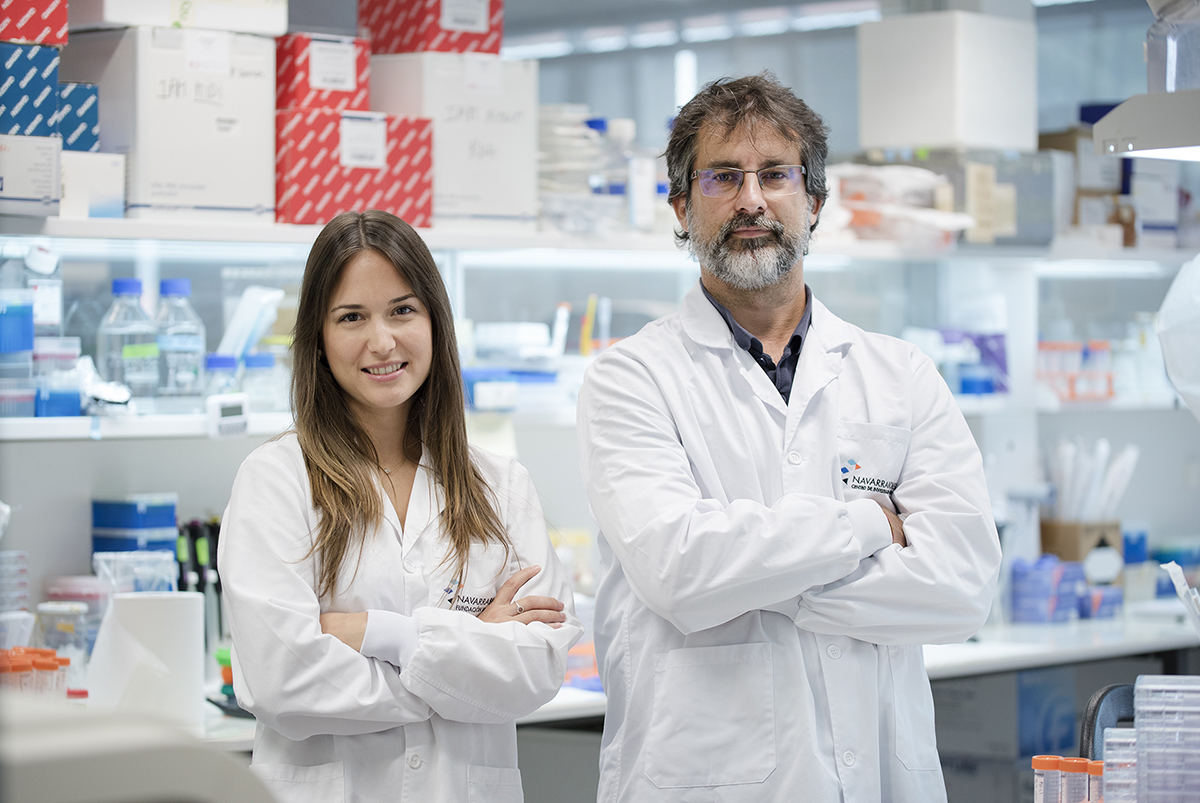
Marta Redondo and Imanol Arozarena, responsible for this research in Navarrabiomed
Download Flecha que indica descarga
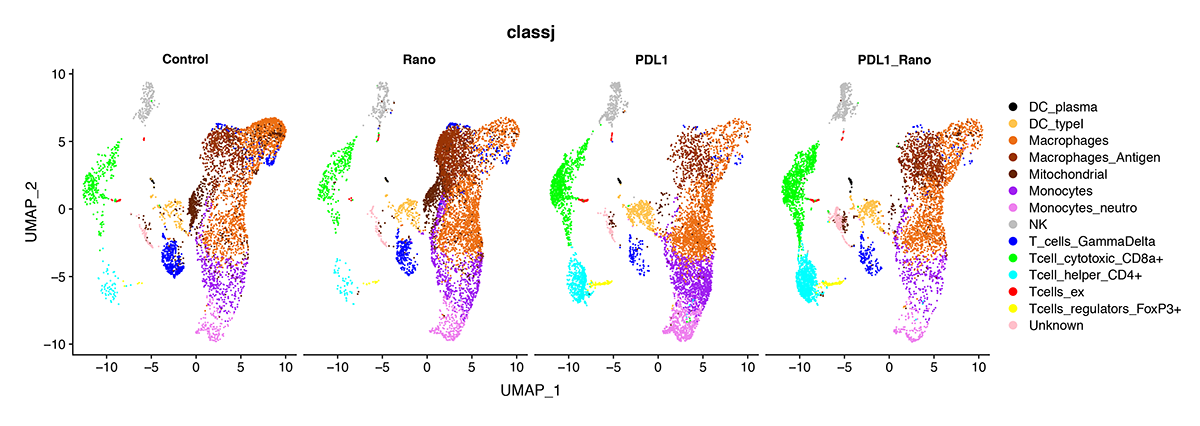
Single cell sequencing analysis of different immune populations infiltrating untreated melanoma tumors or treated with ranolazine (Rano), immunotherapy (PDL1) or the combination of both (PDL1+Rano).
Download Flecha que indica descarga
Treatment with ranolazine increases the number of antitumour lymphocytes (green) that infiltrate the tumour(b lue) and favour the action of immunotherapy
Download Flecha que indica descarga
Documentación
Vídeo

SARAY funds Navarrabiomed with 46,970 euros for two projects on metastatic breast cancer

Author
Navarrabiomed
  • Since 2015 the associations annual investment in research has been increased by 65%


On October 27th, 2019 Breast Cancer Association of Navarre SARAY collected 75,000 euros in the solidarity race celebrated in Pamplona. 49,970 euros will fund two studies developed by Navarrabiomed on metastatic breast cancer.

One of the projects is focused on liquid biopsy in this type of cancer, and it is led by Natalia Ramírez Huerto, the head of the Hematological Oncology Unit of Navarrabiomed. SARAY´s contribution for the second year of the project development raises to 24,970 euros. Other study lead by Cancer Signaling Unit head Imanol Arozarena Martinicorena will receive 22,000 euros. His project aims to develop new adjuvant therapies to treat brain and bone metastases from these tumors. The additional funds will be donated to the Chronos Hope Project from Solti Foundation.

On the 25th of June SARAY decided to allocate the incomes in a face-to-face and online assembly among 725 associates (event delayed three months later due to the COVID-19 crisis). During the last years, the organization shows a strong commitment with biomedical research performed in Navarre. Therefore, it is relevant to highlight that since 2015 SARAY has increased by 65% its annual investment in oncology research.


Categoría
Galería de imágenes
Natalia Ramírez Huerto, investigadora principal de la Unidad de Oncohematología
Download Flecha que indica descarga
Imanol Arozarena Martinicorena, investigador principal de la Unidad de Señalización en Cáncer
Download Flecha que indica descarga
Documentación
Vídeo

Navarrabiomed and University of Manchester researchers publish melanoma review in Nature

Author
Navarrabiomed

Imanol Arozarena, senior researcher from the Cancer Signalling Unit at the Navarrabiomed biomedical research centre and a member of Instituto de Investigación Sanitaria de Navarra (IdiSNA), has recently published a melanoma review with University of Manchester Professor Claudia Wellbrock.

The two scientists were asked by the renowned scientific journal Nature Reviews: Cancer to write an article on the latest findings in melanoma cell distinct phenotypes and their relevance for melanoma development and response to therapy.

As many as 4000 new melanoma cases are diagnosed in Spain every year. Malignant melanoma is a serious type of skin cancer that is usually metastatic. It is notorious for its intra- and inter-tumour heterogeneity.

Such variability results from the ability of melanoma cells (melanocytes) to adjust to changing environmental conditions by reprogramming their genetic expression. Thus, melanocytes develop resistance to both targeted therapy and immunotherapy, and their plasticity plays a role in metastasis development.

In their article, the authors reveal the importance of combining recent developments in genomic technologies and the availability of large gene expression datasets for a precise definition of the gene signatures that characterise changes in each patient’s tumours and the prognostic relevance for tumour development and response to therapy.

According to Arozarena, ‘By understanding the molecular mechanisms that adapt melanoma cells to anti-tumour drugs, we will be able to prevent both therapy resistance and the progression of metastatic melanoma.

Categoría
Galería de imágenes
Los autores, Arozarena y Wellbrock
Download Flecha que indica descarga
Colaboraciones Logotipos
Vídeo
I-Gliome
I-Gliome
Imanol
Arozarena Martinicorena
Head of the Unit
Visor 360º
360º Virtual Tour
Cancer Signalling
Lab
Colaboradores/as
Wellbrock, Claudia
Universidad Pública de Navarra
Unidad de investigación / Grupo Vinculado
Contacto
Cancer Signalling

Navarrabiomed - Centro de investigación biomédica
Complejo Hospitalario de Navarra, edificio de investigación.
Calle Irunlarrea, 3. 31008 Pamplona, Navarra, España. 
No mostrar en listados de Unidades de Investigación
Off

Oncoimmunology

Oncoimmunology

The Oncoimmunology Research Unit develops gene vaccines for cancer treatment. It analyses their effects in inhibitory cells of the immune system, such as myeloid-derived suppressor cells, which appear in cancer patients and favour tumour progression and metastasis. The team have shown that treatment with a lentiviral vector that expresses an immunostimulating cytokine, a PD-L1 silencing microRNA and a tumour antigen inhibits the function of myeloid-derived suppressor cells and is effective against melanoma.

Investigador principal
Equipo de investigadores
Área de investigación
Oncology
Gene therapy with lentiviral vectors in cancer treatment
Actualidad

Navarrabiomed leads a multicenter study that could increase the efficacy of immune checkpoint blockade therapies in lung cancer

Author
Navarrabiomed
  • Fractalkine was identified as a key biomarker associated to clinical response to immune checkpoint blockade therapy which could improve its efficacy in one of the four most frequent types of cancer


Navarrabiomed carried out a study in which the status of the immune system was evaluated in lung cancer patients before and during immunotherapy. The study showed that the quantities and diversity of immune cells (myeloid cells) in blood from patients who responded to immunotherapies was comparable to that of healthy individuals. Moreover, the researchers found that elevated concentrations of fractalkine were found in these patients. Fractalkine is a protein required for maintaining an active, functional immune system. These findings could lead to the development of new treatments and more efficacious immunotherapies by using this protein in conjunction with current therapies. 

The results were published in the journal EMBO Reports. The project was coordinated by Dr. Ana Bocanegra and Dr. Grazyna Kochan, researchers at the Onco-Immunology Unit of Navarrabiomed headed by Dr. David Escors. The study was carried out in close collaboration with the department of Medical Oncology at Hospital Universitario de Navarra (HUN) led by Dr. Ruth Vera, and it was funded by grants from the Spanish Association Against Cancer, Carlos III Health Institute-ERDF and the Government of Navarra’s Ministry of Economic and Business Development. 
 

Research development 

The study identified fractalkine as a biomarker of response by associating elevated concentrations of the protein with a better response to immune checkpoint blockade therapies. This protein was also presented as a new therapeutic agent capable of increasing the efficacy of PD-1 immune checkpoint blockade therapies in animal models of lung cancer that were previously resistant to this therapy. 

The authors reported that therapies that are more efficacious could be developed from these results in the medium/long term by using fractalkine to stimulate immunoreactivity and thus improve the response to immunotherapy. 

“These results confirm the need for a functional immune system prior to the administration of immunotherapies and, most importantly, they open up a line of research in which the anti-tumor action of fractalkine can be enhanced. In the long term, fractalkine treatment in combination with immunotherapies could be assessed in clinical trials,” said Navarrabiomed researcher Grazyna Kochan. 
 

Collaborative study

The research team from Navarrabiomed and HUN collaborated with multidisciplinary groups from Navarra, La Rioja and Madrid coordinated by professionals with a proven track record in cancer research and clinical care, including: Dr. Rubén Pío, Dr. Luis Montuenga and Dr. Juan José Lasarte from Cima Universidad de Navarra, Dr. Alejandra Roncero from Hospital Universitario San Pedro (Logroño, La Rioja), Dr. Carolina Gotera from Hospital Universitario Fundación Jiménez Díaz (Madrid), Dr. Alfonso Ventura from Centro de Salud Salazar-Ezcároz (Navarra) and Dr. José Pichel from Centro de Investigación Biomédica de La Rioja (CIBIR, Logroño). Patients and their family members at the HUN and residents in Centro de Salud Salazar-Ezcároz (Navarra) also participated in the study.


Caption > From left to right: Luis Montuenga (Cima), David Escors and Grazyna Kochan (Navarrabiomed), Ruth Vera (HUN) y Rubén Pío (Cima). Absent in the photo: Ana Bocanegra (Navarrabiomed).

Categoría
Galería de imágenes
From left to right: Luis Montuenga (Cima), David Escors and Grazyna Kochan (Navarrabiomed), Ruth Vera (HUN) and Rubén Pío (Cima).
Download Flecha que indica descarga
Documentación
Vídeo

Immunological profile against SARS-CoV-2 infection and Bnt162b2 mRNA vaccine characterised in patients with solid tumours

Author
Navarrabiomed

The Oncoimmunology Unit of Navarrabiomed, headed by Drs. Grazyna Kochan and David Escors in collaboration with the Oncobiona Unit, headed by Drs Ruth Vera and María Alsina, have characterized the memory T-cell responses against SARS in solid-tumour patients with previous SARS-CoV-2 infection followed by mRNA vaccination.

The study demonstrates that patients with solid tumours vaccinated with Bnt162b2 exhibit proficient antibody, T-cell and myeloid responses against the S1 protein of SARS-CoV-2 virus. Furthermore, patients with previous COVID-19 generate a potent memory T-cell response against S1 and M viral proteins. This indicates that the incorporation of the M protein in vaccine formulations could increase the efficacy of vaccines in cancer patients. 

In addition, vaccination followed by a previous infection was also reported to markedly increase the immune response to the S1 protein. The study also highlight the exacerbated Th17 response after infection and vaccination in solid tumour patients, who already have baseline inflammation due to the disease. This suggests the requirement of further research in novel mRNA vaccine adjuvants to avoid this inflammatory response.

These results are part of the thesis by Miriam Echaide, PhD student of the Oncoimmunology Unit, and are included in the scientific production of the Navarra Health Research Institute (IdiSNA), a public-private group for the promotion of biomedical research in Navarra, of which Navarrabiomed is a member.

The research is funded by the European Union's Horizon 2020 Science and Innovation programme. The Oncoimmunology group has the additional support of other institutions such as the Spanish Association Against Cancer (AECC), the Carlos III Health Institute, the Department of Health and the Department of University, Innovation and Digital Transformation of the Government of Navarra and the Ministry of Science and Innovation.
 

Categoría
Documentación
Vídeo

Virologist and Navarrabiomed researcher David Escors receives innovation award at 5th SER Radio Network Awards in Navarre

Author
Navarrabiomed

David Escors Murugarren, the principal investigator and head of the Navarrabiomed Oncoimmunology Research Unit and an expert on coronavirus, was the winner at the annual SER Radio Network Awards in Navarre of the innovation award, which is sponsored by the company Viscofan. The jury applauded his research work on SARS-CoV-2, given that he leads a project whose mission is to create a platform for speeding up vaccine production in cases of pandemics like the current COVID-19 pandemic.

In his acceptance speech, Escors highlighted the value of the work done at research centers on a daily basis. “Our lab works every day in the fight against cancer and also against autoimmune diseases, which should not be overlooked, even though we’re now in an emergency situation,” he said. He expressed his gratitude, but also his surprise at winning the award and said, “There are many other scientists working every day, just like us. It’s our work, our passion, and it’s what we studied for and trained to do.” He ended his speech by thanking his family and friends for their support throughout his professional career.

The ceremony of the fifth edition of the SER Radio Network Awards in Navarre was held at the Baluarte Auditorium and hosted by journalist Joaquim Torrents. This year, COVID-19 and its consequences were particularly relevant and the jury naturally took them into account when deciding on the award winners. In total, 10 people or groups were recognized for their work in different facets of Navarre society.
 

Categoría
Vídeo
Premios SER Navarra

Two projects of the Institute of Public and Occupational Health of Navarre and Navarrabiomed to promote COVID-19 research receive €232,000 in funding

Author
Navarrabiomed
  • The Carlos III Health Institute finances two projects in Navarre through Spain's COVID-19 Fund and grants the full amount applied for in both cases. 

The Spanish Ministry of Science and Innovation, through the Carlos III Health Institute (ISCIII), has awarded €232,000 to develop two public research projects within the context of the Navarre Health Research Institute (IdiSNA). David Escors Murugarren, a researcher at Navarrabiomed, and Jesús Castilla Catalán, a researcher at the Institute of Public and Occupational Health of Navarre (ISPLN), have received 100% of the amounts they applied for from the COVID-19 Fund, a mechanism approved by Royal Decree-Law 8 of 17 March 2020 on urgent extraordinary measures for dealing with the economic and social impact of COVID-19.

David Escors, the principal investigator at the Navarrabiomed Oncoimmunology Research Unit, began his scientific career working on coronaviruses at the Spanish National Biotechnology Center (CNB-CSIC), along with researcher Luis Enjuanes. He then continued his work at University College London (UCL) by applying lentiviral vectors and gene therapy in immunotherapy. He is a coronavirus specialist and the positive evaluation received from the ISCIII will enable him to obtain the €115,000 he applied for to develop the project “Platforms for developing biosafe SARS-CoV-2 vaccines.”

The aim of the initiative is to develop a platform for engineering biosafe vaccines for the virus that causes COVID-19 disease. The focus will be on the expression of viral proteins that may activate immunity. This line of research was started up specifically for COVID-19, given the current health emergency, but is based on the European ISOLDA Project - Horizon 2020 for generating more effective and safer virus vaccines (yellow fever, influenza and coronavirus) for adults over 65. Navarrabiomed has worked on this project since 2019 in coordination with professionals from the Spanish National Research Council (CSIC) and with Dutch, German and Italian collaborators.

Institute of Public and Occupational Health of Navarre

At the Institute of Public and Occupational Health of Navarre’s Group of Infectious Diseases and Vaccines, Jesús Castilla will lead the study “Infection, Hospitalization, ICU Admissions and Deaths Caused by SARS-CoV-2 in a Population Cohort.” To carry out the study, he will also receive the total amount applied for from the ISCIII: €117,000.

His proposal focuses on estimating the effect of sociodemographic characteristics, chronic diseases and other conditioning health factors on the risk of infection, hospitalization and severe forms of COVID-19. This will involve calculating the incidence of suspected cases, infections confirmed using PCR, hospitalizations, ICU admissions, assisted ventilation and mortality. The mortality rate will also be calculated in confirmed cases and hospitalizations. Antibody seroprevalence will also be evaluated in a sample of patients from the sentinel physician network and/or donors.

This is the second SARS-CoV-2 initiative for Jesús Castilla, given the ISPLN’s participation in the European project I-MOVE-COVID-19, with the involvement of 11 countries and 20 organizations. It is one of the European projects funded through the fast-track call of Horizon 2020, the European Union’s research and innovation program to promote research of different aspects of the SARS-CoV-2 virus.

Both research projects financed by the ISCIII will form part of the scientific activity of the IdiSNA, a public-private partnership for promoting biomedical research in Navarre. Both the ISPLN and Navarrabiomed are partnership members.

Categoría
Galería de imágenes
David Escors y Jesús Castilla
Download Flecha que indica descarga
Documentación
Vídeo

La AECC concede a Hugo Arasanz una ayuda de investigación de 120.000 euros

Author
Navarrabiomed

El Dr. Hugo Arasanz, oncólogo del Complejo Hospitalario de Navarra e investigador de la Unidad de Inmunomodulación de Navarrabiomed - IdiSNA, recibió ayer en Madrid la Ayuda Clínico Junior de la Asociación Española Contra el Cáncer (AECC). La financiación recibida (120.000 €) se destinará al proyecto "Subpoblaciones linfocitarias como biomarcador predictivo de respuesta a inmunoterapia anti-PD1/PDL1 en carcinoma no-microcítico de pulmón avanzado en 1º línea de tratamiento". Este estudio se desarrollará durante los próximos cuatro años y contará con la dirección del Dr. David Escors. 

El Museo Reina Sofía acogió ayer la entrega de las ayudas anuales de la AECC, dentro de los actos programados en el Día Mundial de la Investigación en Cáncer (WCRD en sus siglas en inglés), que se comemora cada año el 24 de septiembre. En total, la AECC ha entregado casi 21 millones de euros para financiar 171 proyectos que se suman a los 56M€ con los que hoy se están financiando 380 proyectos de investigación en desarrollo.

Asimismo, la asociación ha puesto de manifiesto la necesidad de elaborar un Plan Nacional de Investigación en Cáncer para alcanzar el 70% de supervivencia media a cinco años en el año 2030, en la actualidad se sitúa en un 53%.

Más información sobre el proyecto

La inmunoterapia antiPD1/PDL1 ha supuesto una revolución en el tratamiento del cáncer no-microcítico de pulmón, ya que ha mejorado los resultados de la quimioterapia, asociando además menor toxicidad. Por desgracia la proporción de pacientes que responden al tratamiento es reducida, son menos todavía los que mantienen la enfermedad controlada durante un periodo de tiempo prolongado, y no se dispone de biomarcadores predictivos que permitan identificar a estos pacientes con precisión.

El equipo del Dr. David Escors ha desarrollado un sistema de monitorización de poblaciones linfocitarias por citometría de flujo a partir de sangre periférica en pacientes en progresión a quimioterapia que permite predecir aquellos que van a responder a la inmunoterapia. Dada la reciente aprobación de la inmunoterapia en pacientes en primera línea, este proyecto pretende correlacionar los perfiles linfocitarios de los pacientes y su dinámica con la eficacia del tratamiento en este contexto, incorporando además el estudio de las citosinas proinmunogénicas en plasma y la posible influencia del daño genotóxico en las células inmunitarias producido por las diferentes terapias como causa de menor eficacia en segunda línea.

El proyecto del Dr. Hugo Arasanz se completará con estudios mecanísticos in vitro que permitan conocer los elementos que condicionan la respuesta al tratamiento y plantear combinaciones que puedan revertir la resistencia primaria a estas terapias.

Categoría
Galería de imágenes
Hugo Arasanz junto al presidente de la Asociación Española Contra el Cáncer de Navarra (AECC Navarra) Francisco Arasanz en una de las carreras solidarias celebradas en Pamplona.
Download Flecha que indica descarga
Documentación
Vídeo
Vídeo
Día Mundial contra el Cáncer
David
Escors Murugarren
Head of the Unit
Visor 360º
360º Virtual Tour
Immunomodulation
Lab
Colaboradores/as
Barrado Los Arcos, Marta
Complejo Hospitalario de Navarra
Fernández Hinojal, Gonzalo
Complejo Hospitalario de Navarra
Unidad de investigación / Grupo Vinculado
Contacto
Inmunomodulation

Navarrabiomed - Centro de investigación biomédica
Complejo Hospitalario de Navarra, edificio de investigación.
Calle Irunlarrea, 3. 31008 Pamplona, Navarra, España. 
No mostrar en listados de Unidades de Investigación
Off